Prey
"The hunt has never felt this primal."

For a solid decade, being a Predator fan felt like being a fan of a sports team that hasn’t won a game since the Reagan administration. We kept showing up, hoping for the glory of the 1987 original, but instead, we got various "Versus" spin-offs and the 2018 entry that was—let’s be honest—a chaotic mess that felt like it was edited in a blender. Then, along came Prey. Released straight to Hulu with a title that sounded like a generic PlayStation 2 game, it had every reason to be another forgettable entry in a dying franchise. Instead, director Dan Trachtenberg (of 10 Cloverfield Lane fame) stripped everything back to the bone, delivering the most focused, intense, and culturally significant action film of the streaming era.
A Masterclass in "Show, Don't Tell"
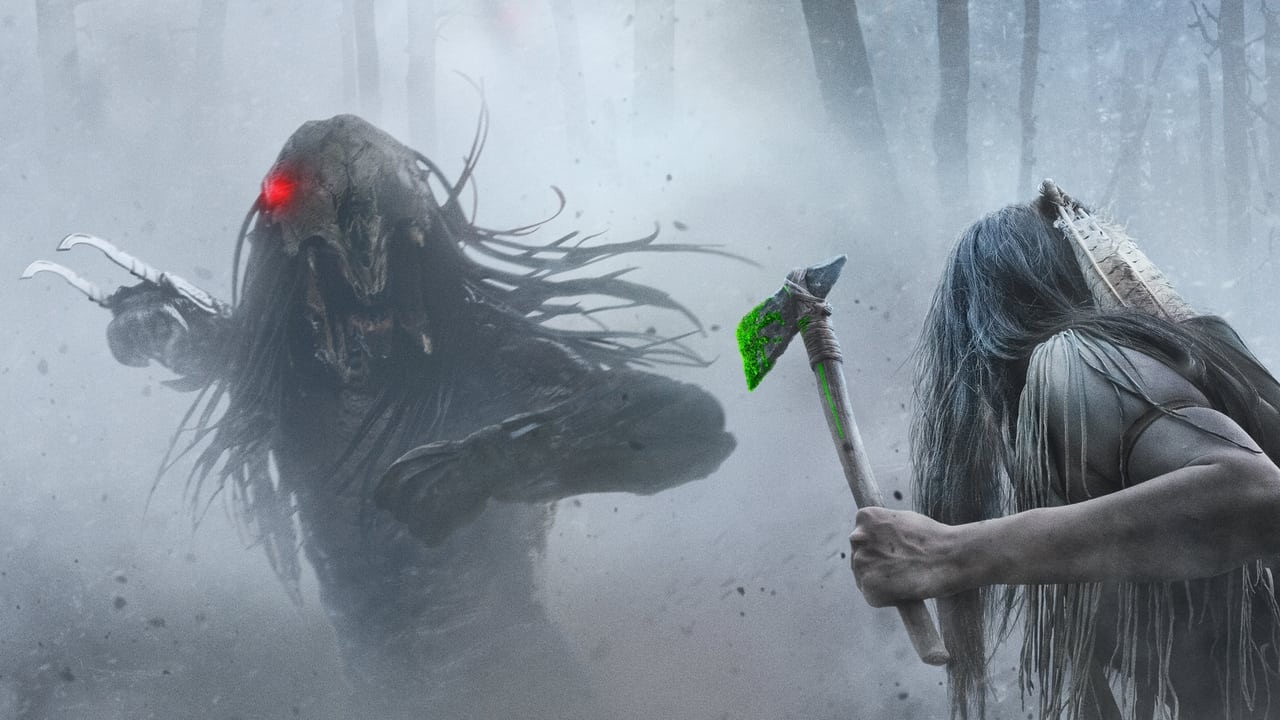
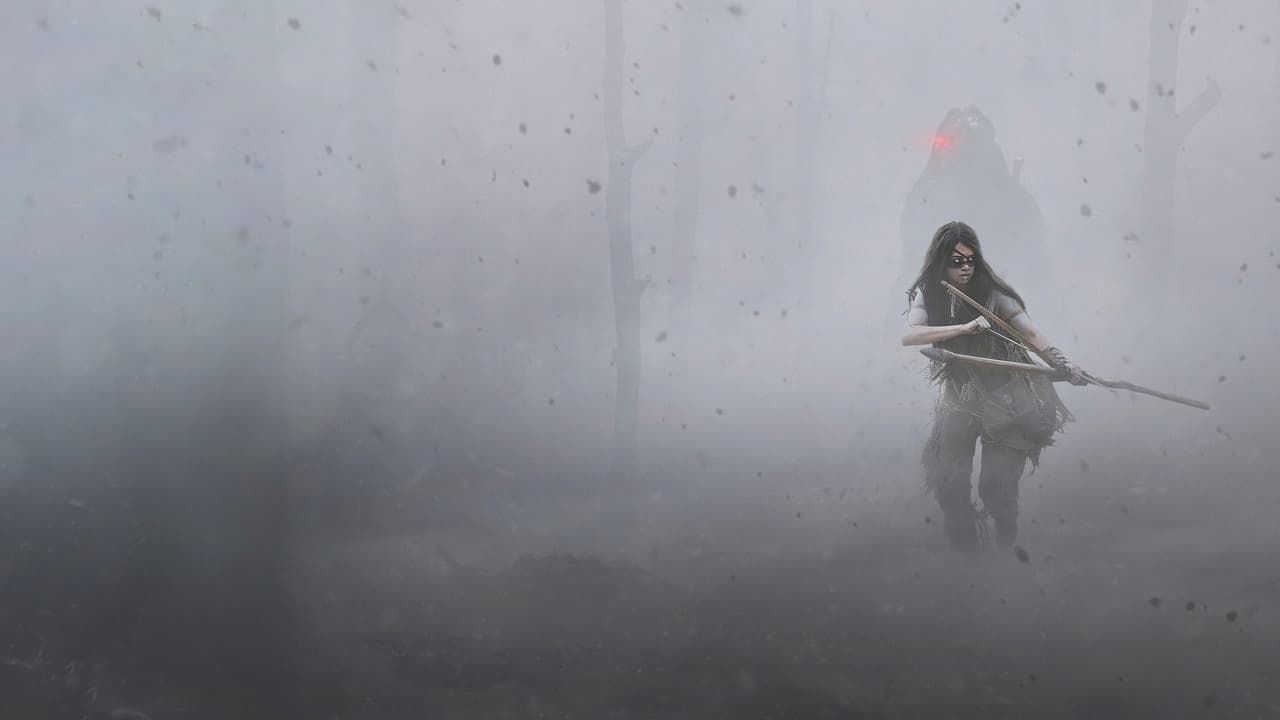
The premise is deceptively simple: It’s 1719 in the Northern Great Plains. Naru, played with a quiet, simmering intensity by Amber Midthunder, is a young Comanche woman who wants to prove she’s a hunter. While she’s tracking a bear, she realizes something else is tracking her—something that doesn't belong to this world. What follows isn't a bloated CGI spectacle; it’s a survivalist thriller that understands the fundamental appeal of the franchise better than almost any sequel since the original.
I watched this on my couch on a Tuesday night while my neighbor was apparently trying to learn the drums in the apartment above me, and yet, the moment Naru stepped into that high-grass field, the drums disappeared. I was locked in. Trachtenberg uses the environment—the mud, the trees, the mist—as a character. This isn't just about who has the bigger gun (though the Predator’s "Feral" arsenal is terrifyingly cool); it’s about who understands the terrain better. It’s the first time in thirty years a Predator movie didn’t feel like a desperate cash grab written on a cocktail napkin.
The Practicality of Terror
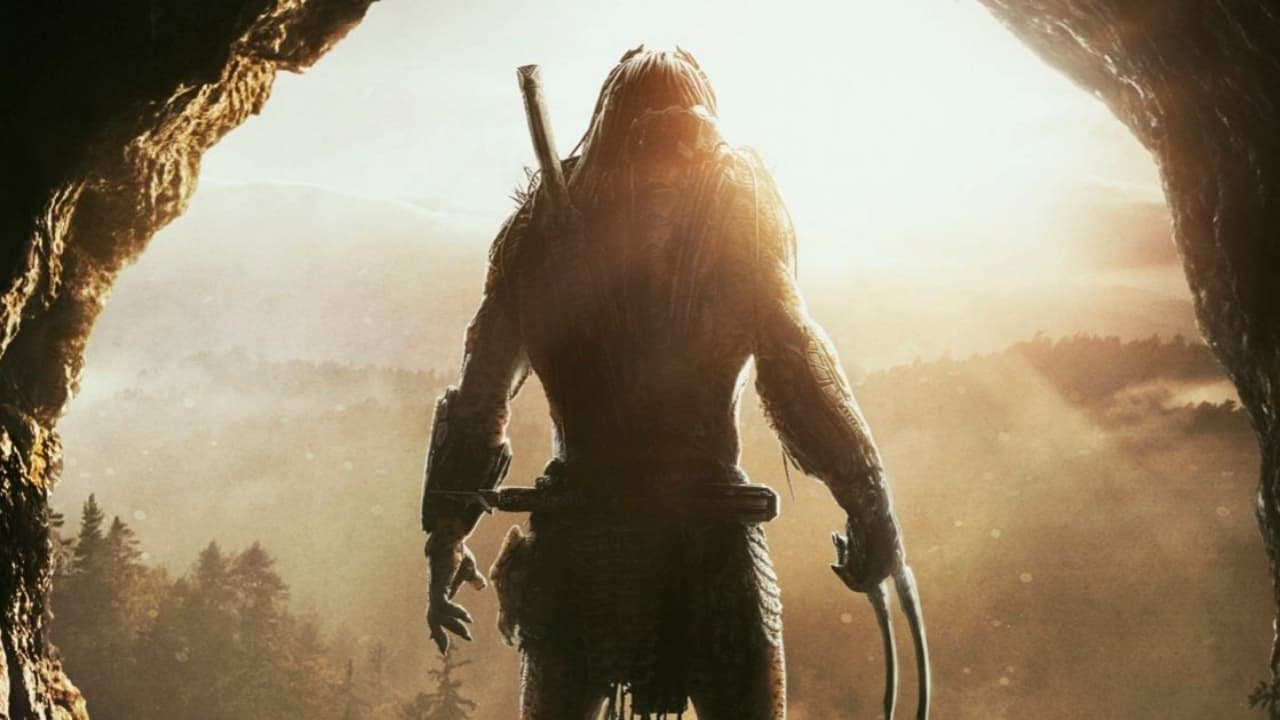
In an era where most blockbusters look like they were filmed inside a giant glowing green box, Prey feels refreshingly tactile. The Predator itself, played by Dane DiLiegro, is a revelation. This isn't the sleek, armored hunter we’ve seen before; this is a more primitive, "Feral" version of the creature. DiLiegro’s performance is entirely physical, conveying a sense of animalistic hunger rather than just cold, robotic efficiency.
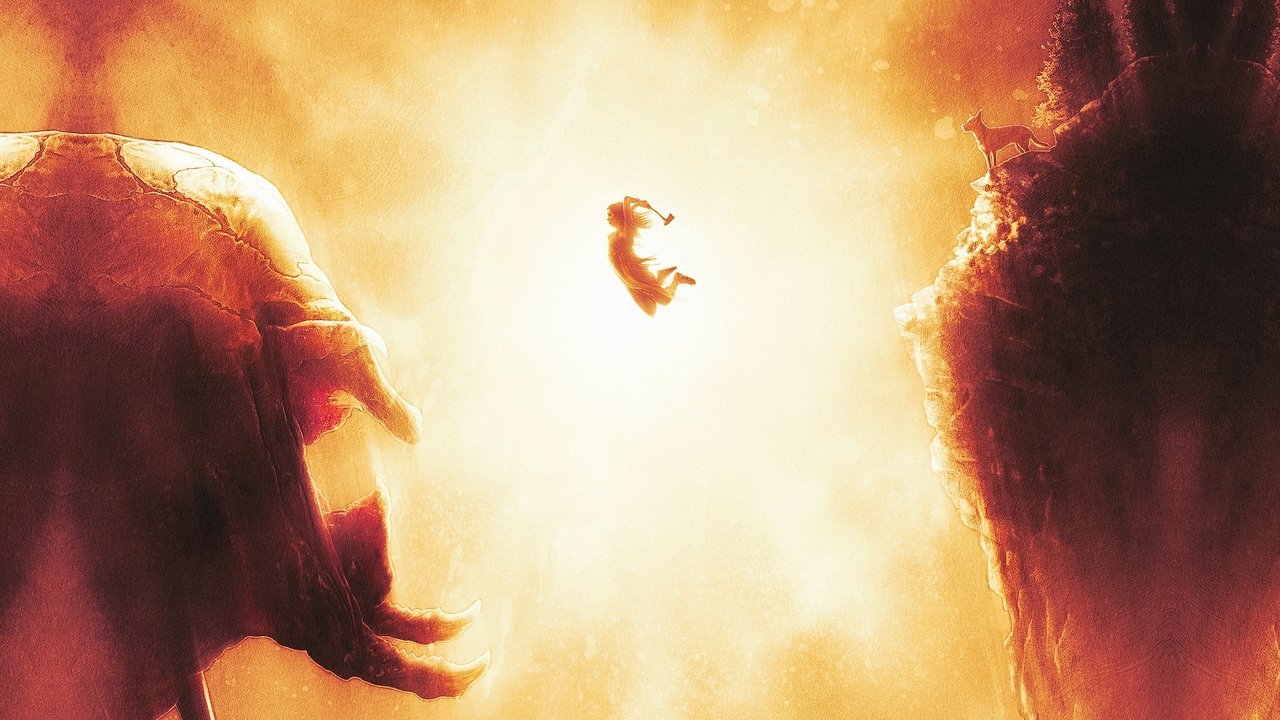
The action choreography by Patrick Aison avoids the "shaky cam" tropes that haunt modern cinema. When Naru fights, you see the weight of her hatchet; when the Predator strikes, you feel the bone-crunching impact. The film leans into its R-rating with a grim, unflinching grit that honors the 80s roots without feeling like a parody. The scene in the burnt-out forest—where the Predator takes on a group of French fur trappers—is a sequence of pure, sustained dread that I’ve revisited at least half a dozen times.
Stuff You Didn't Notice
One of the coolest things about Prey is its commitment to authenticity, which is a hallmark of where contemporary cinema is hopefully heading.
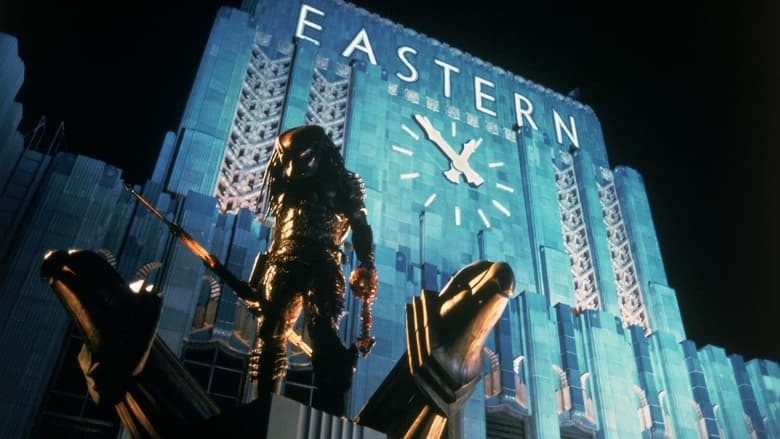
The Comanche Connection: For the first time in major film history, the movie was released with a full Comanche language dub. It’s not just a gimmick; watching it with the dub and subtitles adds an incredible layer of immersion. The Dog Star: Naru’s dog, Sarii, wasn't a professional show dog. Her name is actually Coco, and she was a shelter dog with no prior training. Apparently, she was a bit of a chaotic nightmare on set, but her chemistry with Amber Midthunder is so genuine you’d never know. The Flintlock Pistol: If you’re a deep-lore nerd, you might have noticed the pistol Naru gets. It’s the exact same Raphael Adolini 1715 pistol that the elder Predator gives to Danny Glover at the end of Predator 2. Secret Origins: The film was developed under the codename Skulls. Trachtenberg wanted to keep the Predator reveal a total surprise, though the marketing department eventually (and understandably) let the cat out of the bag. * Physical Toll: Amber Midthunder and Dakota Beavers (who plays her brother Taabe) went through a rigorous four-week "warrior camp" to learn archery, hatchet throwing, and tactical movement. You can see it in their posture—they don't look like actors playing dress-up.
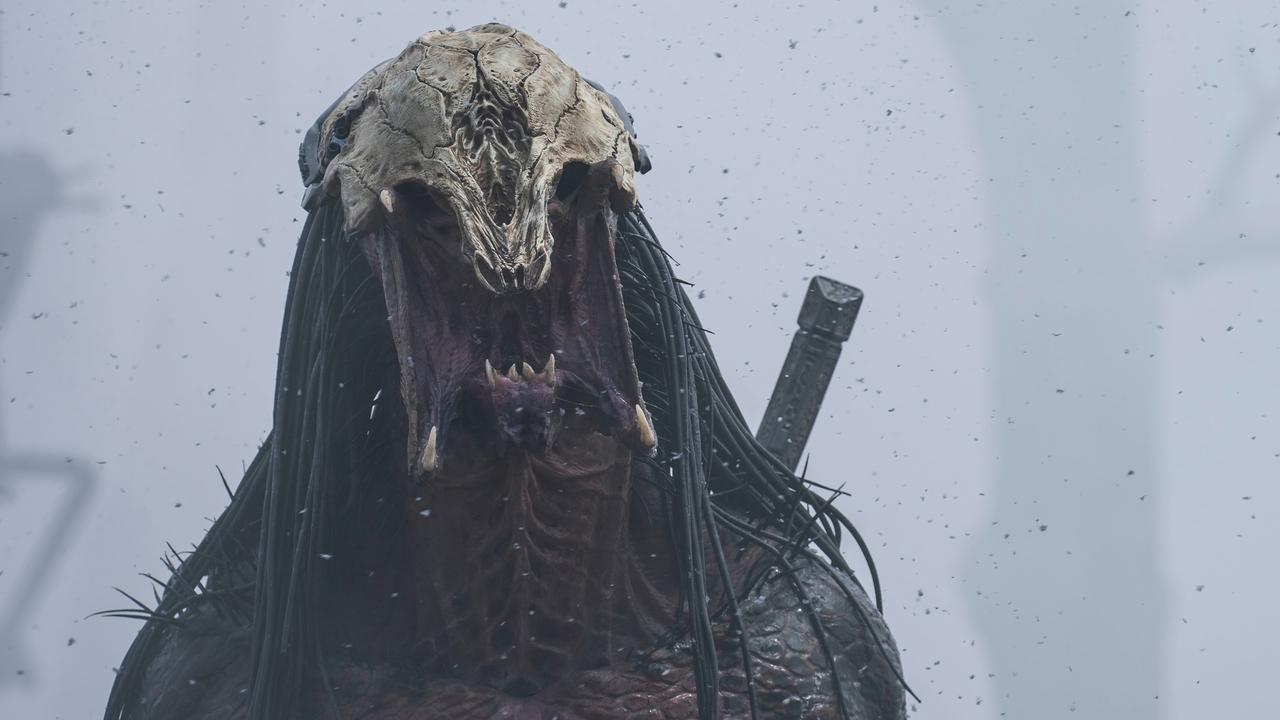
Prey is a lean, mean, 100-minute reminder of why we love the movies. It’s a film that respects its audience's intelligence and its protagonist's culture without ever losing sight of its primary goal: being a heart-pounding hunt. It managed to take a franchise on life support and turn it into a conversation about representation and survival. Whether you’re a die-hard fan of the 1987 original or someone who wouldn't know a Xenomorph from a toaster, this is essential viewing. It’s a rare modern sequel that manages to be both a "love letter" and a completely fresh start.
Why This Matters Now
In the current landscape of franchise fatigue, Prey is the blueprint for how to do it right. It didn't need a $200 million budget or a post-credits scene setting up five more movies. It just needed a vision, a great lead, and a terrifying monster. It’s a shame it didn't get a massive theatrical run—this thing would have absolutely killed in a packed IMAX house—but its legacy as a streaming-era masterpiece is already cemented. If you haven't seen it yet, turn off the lights, grab some popcorn, and prepare to see a hunt that finally lives up to the legend.
Keep Exploring...
-
Predator: Badlands
2025
-

Predator
1987
-
The Predator
2018
-

Predator: Killer of Killers
2025
-
Tenet
2020
-
Predator 2
1990
-
What Happened to Monday
2017
-
Greenland
2020
-
Maze Runner: The Death Cure
2018
-
Predators
2010
-

M3GAN 2.0
2025
-
Extraction
2020
-
Extraction 2
2023
-
Guy Ritchie's The Covenant
2023
-
Mission: Impossible - Dead Reckoning Part One
2023
-
The Equalizer 3
2023
-

Ballerina
2025
-
Mission: Impossible - The Final Reckoning
2025
-
One Battle After Another
2025
-
The Gorge
2025