Prey for the Devil
"The habit is the new cross."
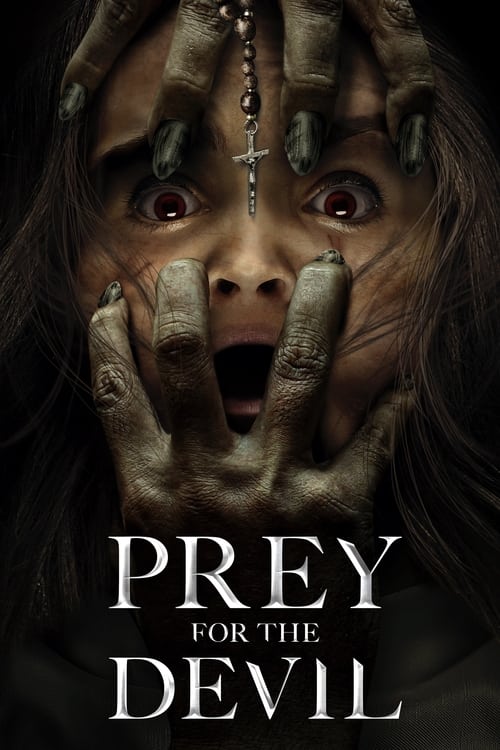
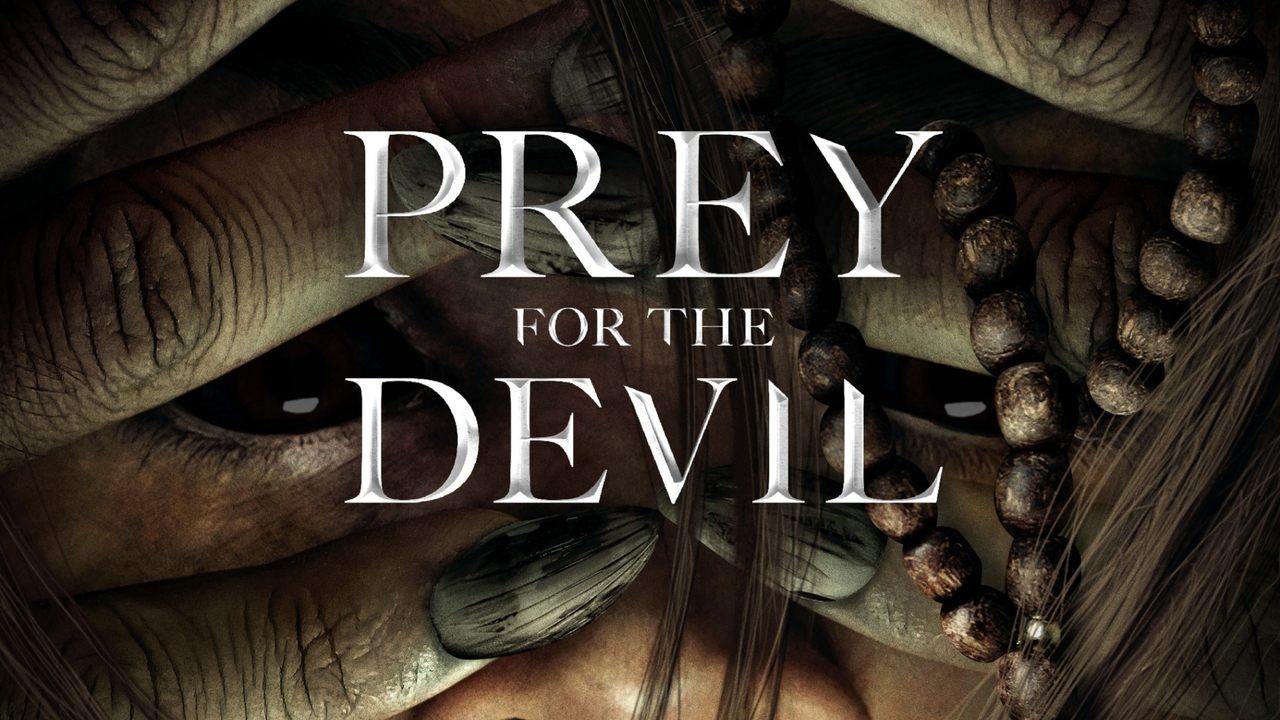
There is something inherently funny about the idea of an "Exorcism Academy," a sort of Hogwarts for the holy where priests-in-training take notes on how to handle projectile vomiting and inverted joints. It feels like the ultimate "cinematic universe" expansion pack, a way to turn a singular, terrifying rite into a standardized institutional procedure. This is the world of Prey for the Devil, a film that arrived in the late-October graveyard of 2022 and promptly vanished into the digital ether of "suggested for you" algorithms. It’s a movie that tries to be two things at once: a progressive statement on gender roles within the Vatican and a standard-issue jump-scare factory.
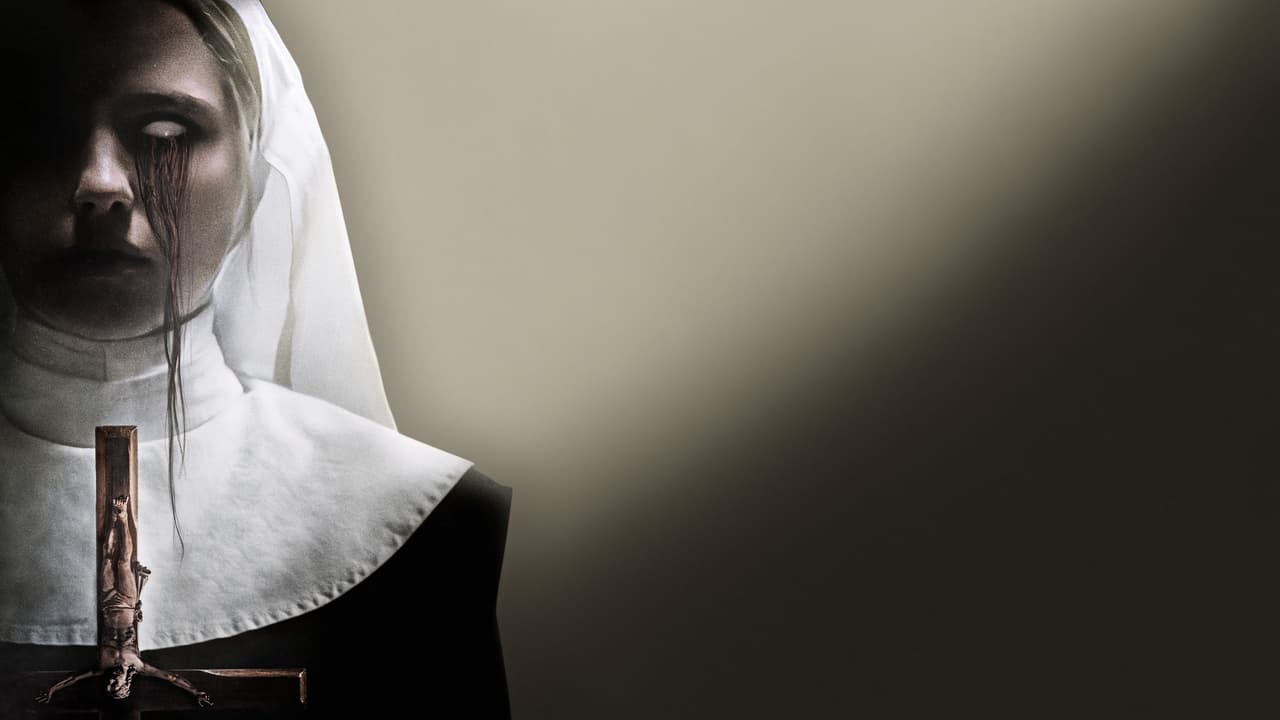
I watched this while trying to peel a very stubborn, sticky price tag off a new notebook, and honestly, the tension of not ripping the paper was occasionally higher than the tension on screen. That isn’t to say the film is a total disaster—it’s actually a fascinating look at how the modern studio machine tries to polish an ancient sub-genre for a generation that has seen The Exorcist parodied a thousand times.
The Hogwarts of Holy Water
The film centers on Sister Ann, played by Jacqueline Byers, a nun working at a Catholic hospital that doubles as a training ground for the Church’s renewed war on demons. The hook? Only priests are allowed to perform the Rite of Exorcism. Ann is relegated to the "nursing" side of things until her natural aptitude for spiritual warfare becomes too obvious to ignore. Colin Salmon brings his usual gravel-voiced gravitas to Father Quinn, the mentor figure who realizes that maybe, just maybe, the demons don’t actually care about the gender of the person shouting at them in Latin.
I actually appreciated this contemporary angle. In an era where we’re constantly re-examining institutional barriers, seeing a horror movie tackle the Vatican’s glass ceiling feels like a smart way to modernize a formula that hasn't changed much since 1973. Byers gives a grounded, empathetic performance that anchors the more ridiculous elements of the plot. She isn't just a "final girl" in a habit; she’s a woman navigating a bureaucracy that would rather lose a soul than break a rule.
The Jump Scare Economy
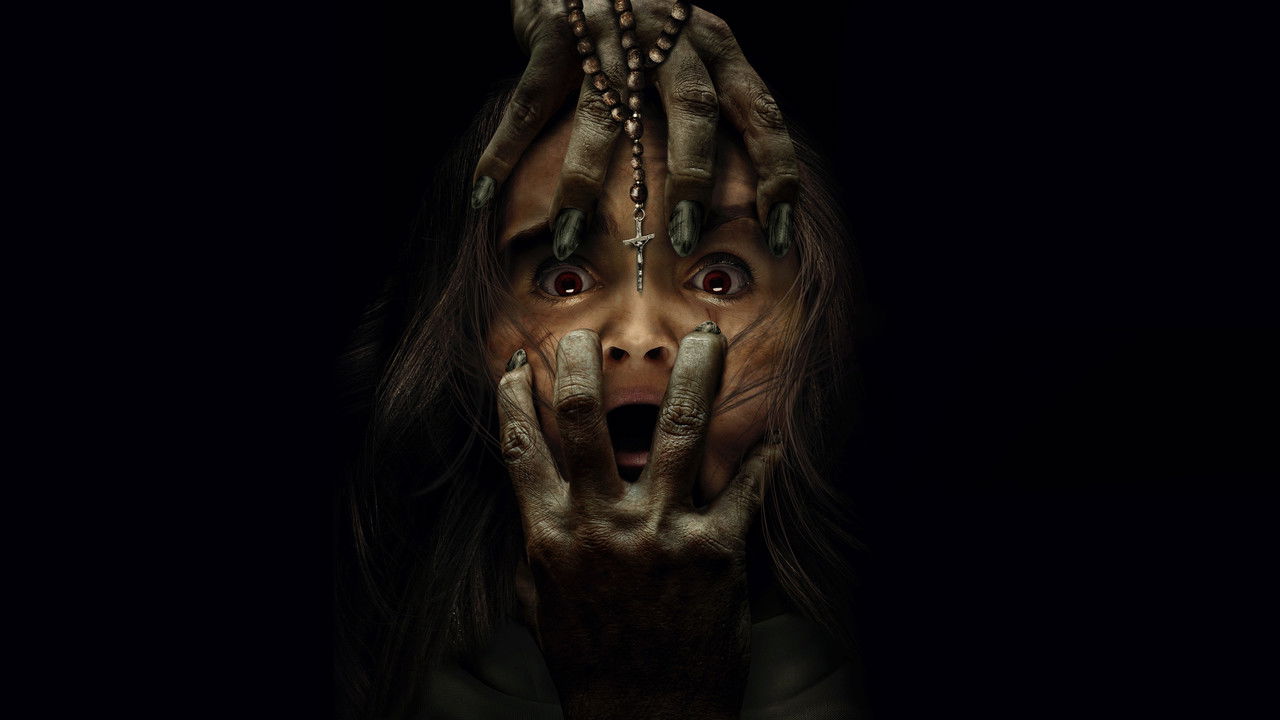
If you’ve seen a horror movie in the last ten years, you know exactly how the "scares" here are constructed. There is a lot of silence followed by a deafening BOOM as a possessed person skitters across a ceiling or a hand grabs a shoulder. It’s the kind of fast-food horror that fills the stomach but leaves no aftertaste. Director Daniel Stamm, who previously gave us the much more raw and unsettling The Last Exorcism, seems to be working with a much tighter leash here. Where his earlier work felt documentary-style and dangerously unpredictable, Prey for the Devil feels airbrushed and safe.
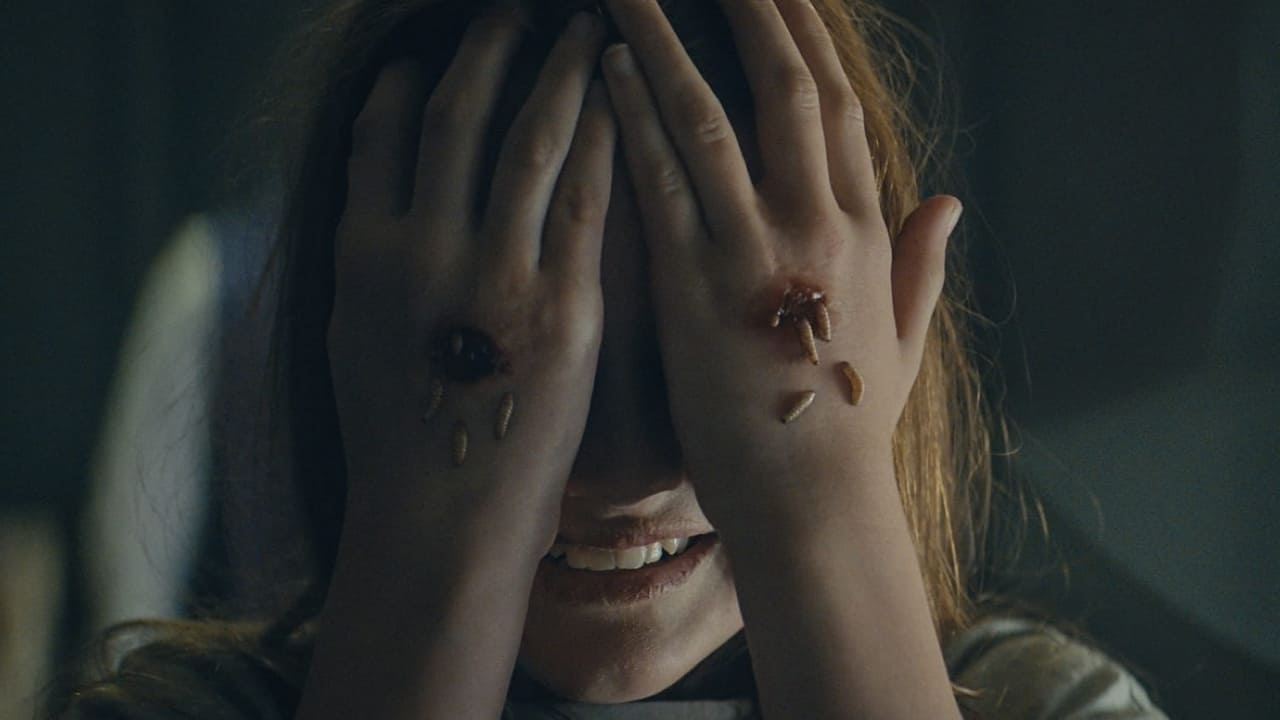
The makeup effects and CGI are competent, but they lack that grimy, practical feel that makes the best possession movies stick in your ribs. There is one sequence involving a long strand of hair being pulled out of a throat that managed to make me squirm, but for the most part, the devil apparently has a thing for hair extensions and grey contact lenses. It’s horror by the numbers, designed to work perfectly for a teenager on a Friday night but offering little for the seasoned dread-seeker.
A Final Bow for a Legend
One of the more poignant aspects of the film that often gets lost in the shuffle is that it features the final performance of Ben Cross (the legendary star of Chariots of Fire), who passed away shortly after filming. He plays Cardinal Matthews, and while it’s not a massive role, he brings a level of old-school theatricality that the movie desperately needs. Seeing him share scenes with Christian Navarro and Nicholas Ralph reminds you of the gap between the character-driven era of cinema and the IP-driven era we live in now.
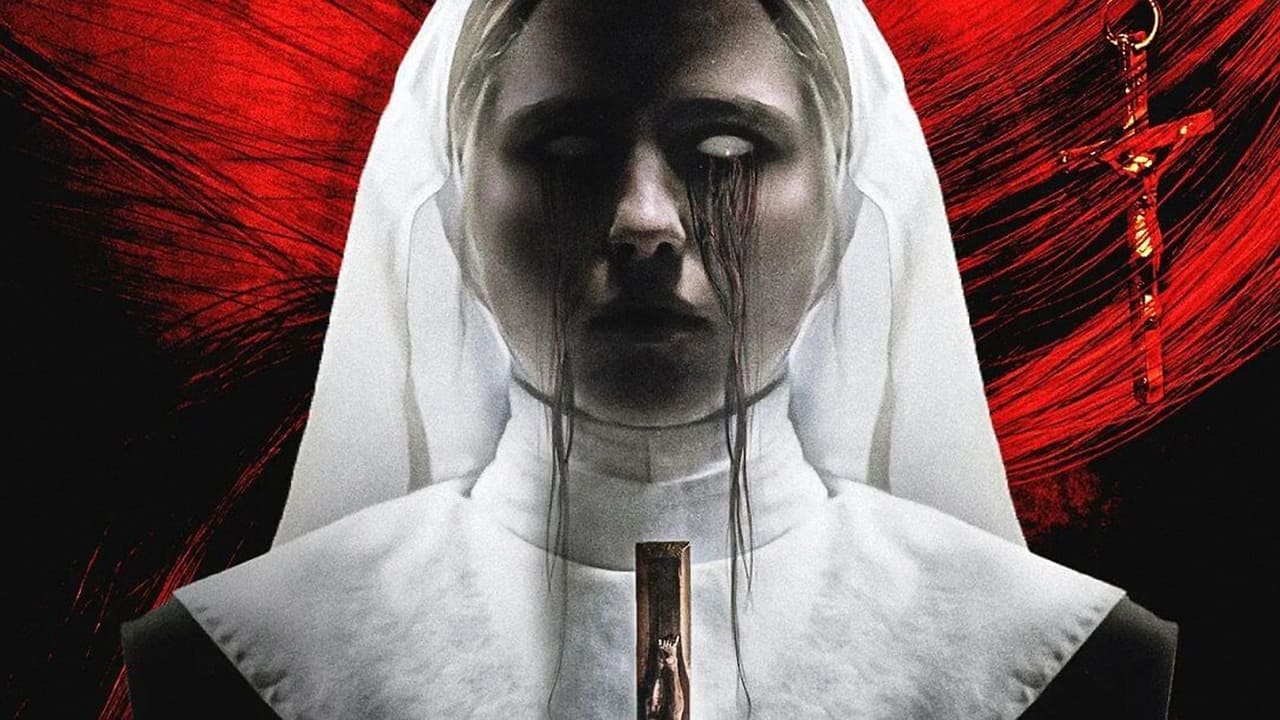
Why did this movie disappear so quickly? Part of it is the "franchise fatigue" that currently haunts the genre. We are in an era of The Conjuring and Insidious, where every supernatural horror film is expected to launch a decade-long universe. Prey for the Devil feels like it’s auditioning for a sequel that will never come. It’s a "perfectly okay" movie in a market that currently only rewards the "masterpiece" or the "meme-worthy."
Released as theaters were still trying to find their footing post-pandemic, it suffered from a lack of identity. Was it a serious drama about the Church? Or a popcorn flick about monsters? By trying to be both, it ended up being a curiosity that now lives in the depths of streaming libraries. I don’t regret the 93 minutes I spent with it, mostly because Jacqueline Byers is a talent I hope to see in much better material, but I can’t say I’ll remember much of it by next Halloween.
Ultimately, Prey for the Devil is the cinematic equivalent of a store-bought cupcake: it looks great, it hits the sugar receptors right on cue, but you’ll forget you ate it five minutes after the box is empty. It’s a decent enough Friday night distraction if you’ve already exhausted the better options on your watchlist. If you’re a completionist for the "exorcism" sub-genre, it’s worth a look for the gender-politics angle alone, but don't expect it to haunt your dreams. The real devil here isn't a demon from hell—it's the crushing weight of studio formula.
Keep Exploring...
-
13 Sins
2014
-

Assassination Nation
2018
-
Tau
2018
-
The Perfection
2018
-
Haunt
2019
-
Polaroid
2019
-
The Prodigy
2019
-
The Silence
2019
-
Brahms: The Boy II
2020
-
Color Out of Space
2020
-
Gretel & Hansel
2020
-

Synchronic
2020
-
You Should Have Left
2020
-

Till Death
2021
-
Willy's Wonderland
2021
-
Wrong Turn
2021
-

Beast
2022
-

Hellraiser
2022
-

The Invitation
2022
-
Abigail
2024