RRR
"Unapologetic maximalism where brotherhood meets burning bridges."
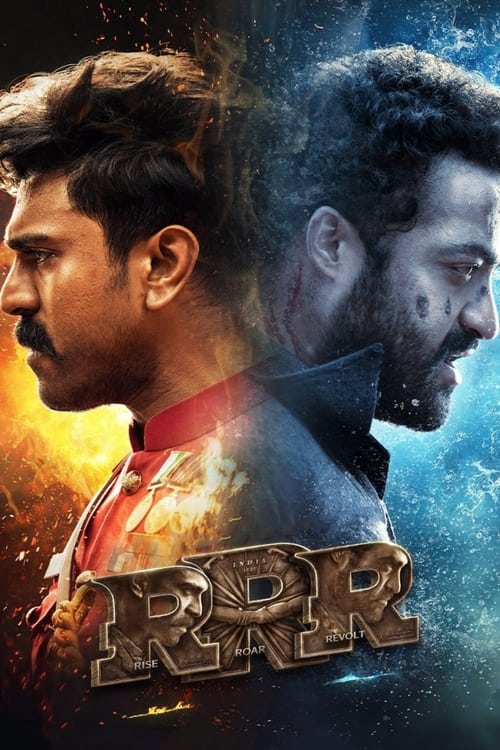
I vividly remember trying to explain the plot of RRR to my mother while she was busy vacuuming. Halfway through describing a man jump-starting a motorcycle by kicking it mid-air while jumping off a bridge, I realized I was using a sofa pillow to demonstrate the trajectory. She looked at me like I’d joined a cult. In a way, I had. Watching S. S. Rajamouli’s historical epic for the first time feels less like watching a movie and more like being converted to a religion where the only commandment is: "Thou shalt not do anything in moderation."
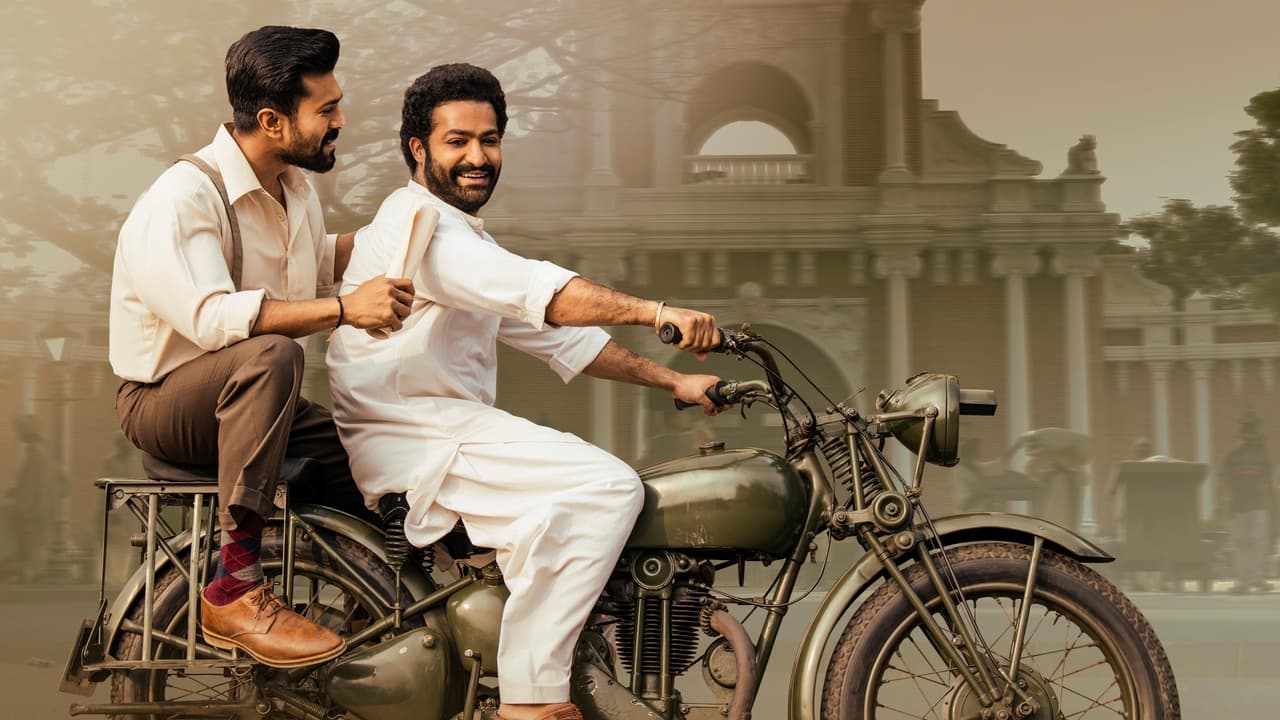
Released in 2022, RRR became the ultimate "word-of-mouth" monster of the streaming era. While it was a massive theatrical hit in India, its global explosion happened on Netflix, proving that Western superhero movies look like miserable office spreadsheets compared to this. In a contemporary landscape often defined by "franchise fatigue" and the muted, muddy palettes of the MCU, RRR arrived like a Technicolor punch to the throat. It reminded us that "spectacle" isn’t just about spending $200 million on CGI; it’s about the soul behind the pixels.
The Mythic Weight of Fire and Water
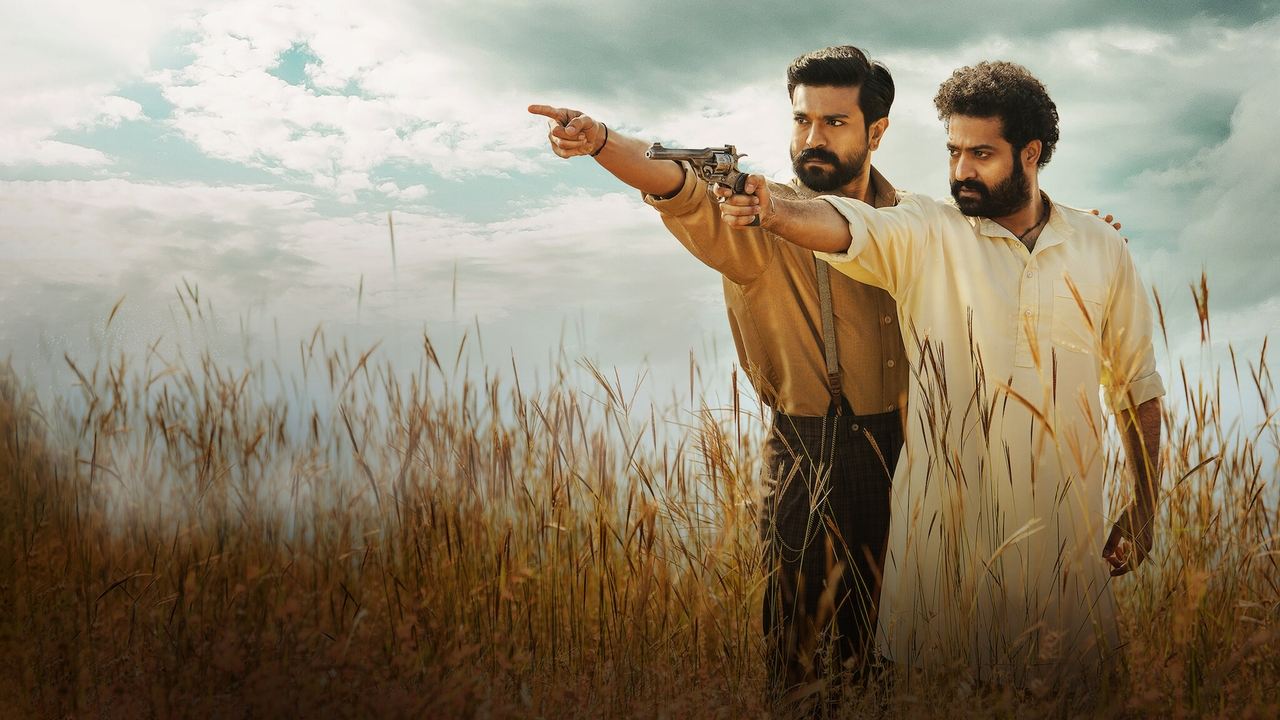
At its core, the film is a fictionalized "what if" meeting between two real-life Indian revolutionaries, Alluri Sitarama Raju (played by Ram Charan) and Komaram Bheem (played by N.T. Rama Rao Jr.). But S. S. Rajamouli—the mastermind behind the Baahubali films—doesn't care about dry history. He’s interested in mythmaking. He frames the duo through the elemental lenses of Fire and Water.
Ram Charan’s Raju is the fire: disciplined, searing, and hiding a volcanic fury behind the cold eyes of a police officer serving the British Raj. N.T. Rama Rao Jr. (or Jr. NTR) is the water: fluid, empathetic, and possessing a raw, tidal strength. The "cerebral" depth here isn't found in a Socratic dialogue, but in how the film explores the ethics of revolution. Raju represents the long game—the sacrifice of one’s own morality for a systemic victory. Bheem represents the immediate, primal scream for justice. Their "bromance" is the emotional anchor that keeps the physics-defying action from floating away into absurdity. When they eventually clash, it isn't just a fight; it’s a philosophical divorce.
Action as Operatic Poetry
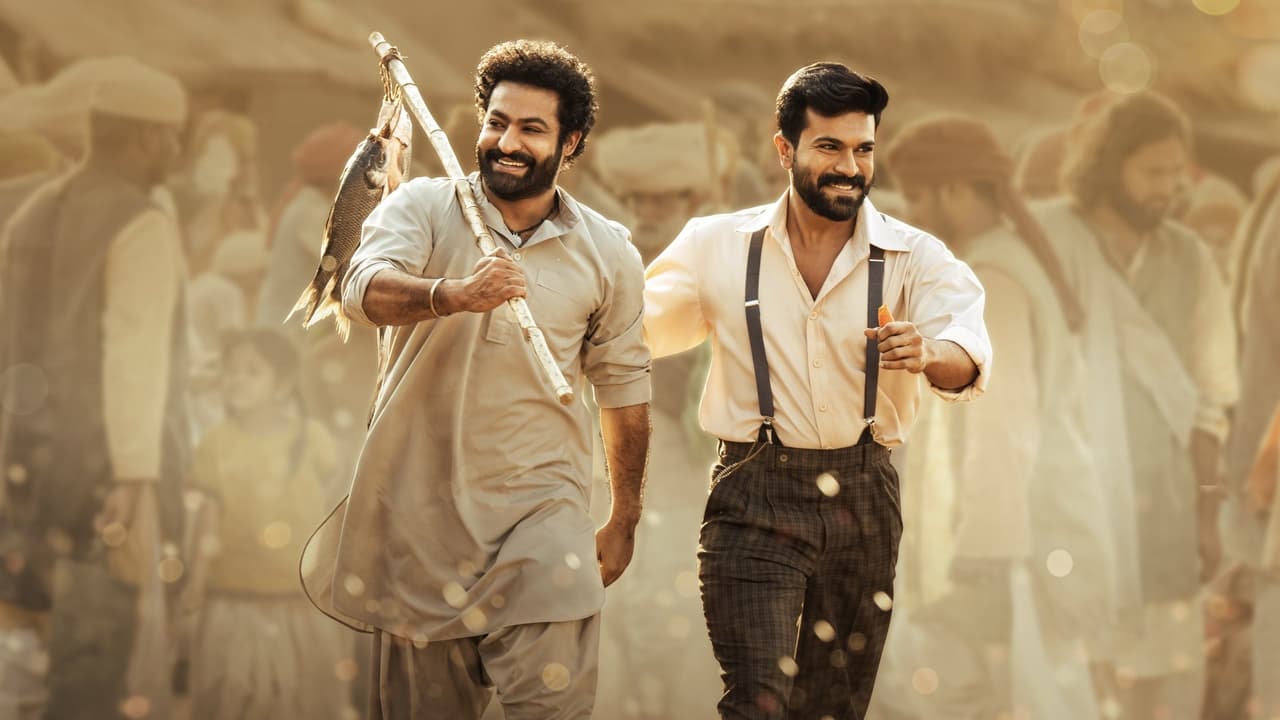
Let’s talk about that bridge sequence. You know the one. If you haven't seen it, it involves a train wreck, a horse, a motorcycle, a flag, and two strangers communicating through nothing but vibes and mid-air handshakes. It’s the kind of sequence that makes you want to stand up and cheer in your living room. The choreography isn't just "good"—it’s narrative. Every punch and stunt tells you something about who these men are.
The production trivia is just as insane. For the famous "Naatu Naatu" dance sequence—which deservedly snagged an Oscar for M.M. Keeravaani’s infectious score—the production moved to Ukraine, filming in front of the Mariinskyi Palace just months before the war broke out. Jr. NTR and Ram Charan reportedly shot the dance for 15 days, 12 hours a day, often performing 30 to 40 takes of the same complex footwork to ensure their synchronization was frame-perfect.
Then there’s the animal truck. If your action movie doesn't involve a man leaping out of a cage surrounded by a literal zoo of CGI tigers and leopards, why even bother? Rajamouli uses CGI not to replace reality, but to augment a dream. He understands that we’ll forgive a slightly rubbery-looking tiger if the emotional intent of the scene is dialed up to eleven.
A Middle Finger to the Colonizer
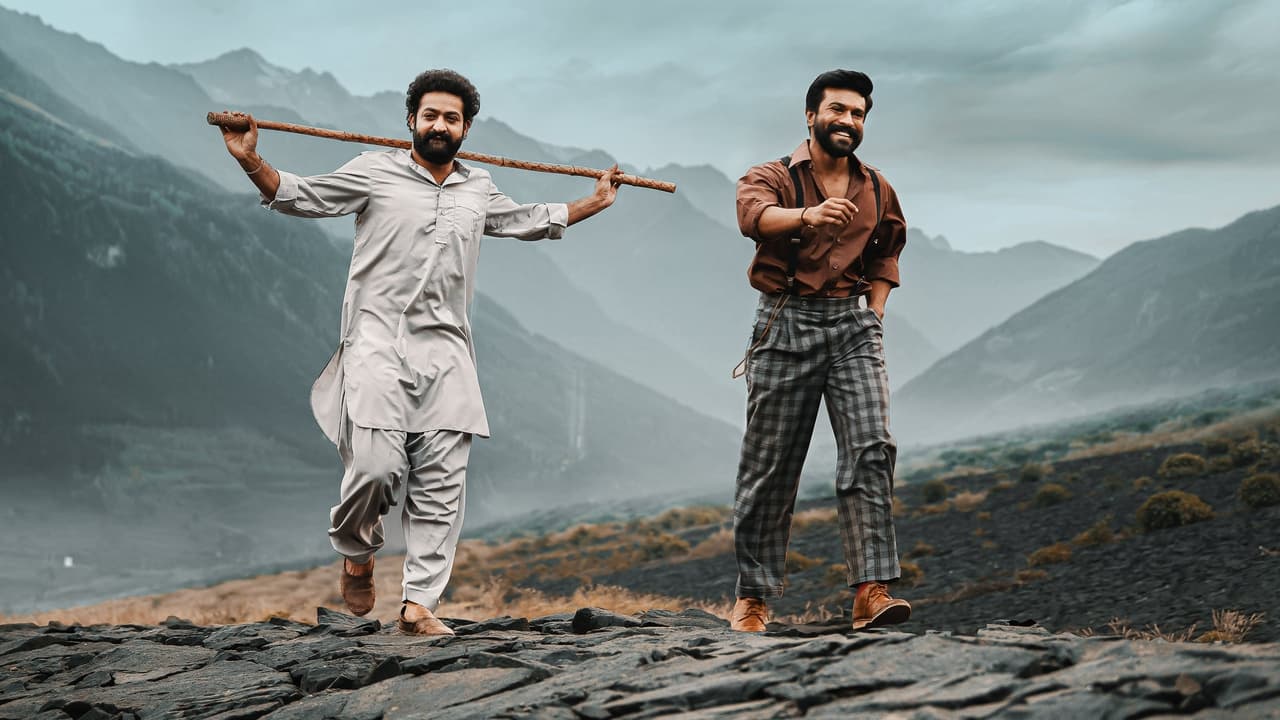
While the action is the draw, the film’s politics are unapologetically loud. In the current era of "nuanced" villains, Ray Stevenson (rest in peace, you glorious man) and Alison Doody (of Indiana Jones and the Last Crusade fame) play the British Governors as mustache-twirling monsters. It’s a refreshing reversal of the "White Savior" tropes we’ve endured for decades. Here, the British are the "other"—a cold, sterile force of greed being dismantled by the vibrant, ancient power of the land they’ve tried to steal.
The film does run 185 minutes, and in any other movie, I’d be checking my watch by the two-hour mark. But RRR manages its momentum through a structure that feels more like a serialized epic than a single film. Every time you think the movie has peaked, it reveals another layer—like Ajay Devgn’s crucial flashback sequence that recontextualizes everything we thought we knew about Raju’s "villainy."
Ultimately, RRR is a testament to the power of the theatrical experience, even when viewed on a laptop. It is a film that demands you feel something—joy, rage, or just the sheer adrenaline of seeing a man use a motorcycle as a literal flail. It defies the cynical "content" churn of the 2020s by offering something that feels hand-crafted and dangerously sincere. If you haven't seen it, clear your evening, turn up the volume, and prepare to have your idea of what an "action movie" can be completely rewritten.
Movies like this don't come around often; they are the result of a director at the absolute height of his powers, backed by stars who are willing to break their bodies for the frame. It’s loud, it’s long, and it’s arguably the most fun I’ve had with a screen since I was ten years old. Go watch it, then try not to hum "Naatu Naatu" for the next three weeks. I dare you.
Keep Exploring...
-
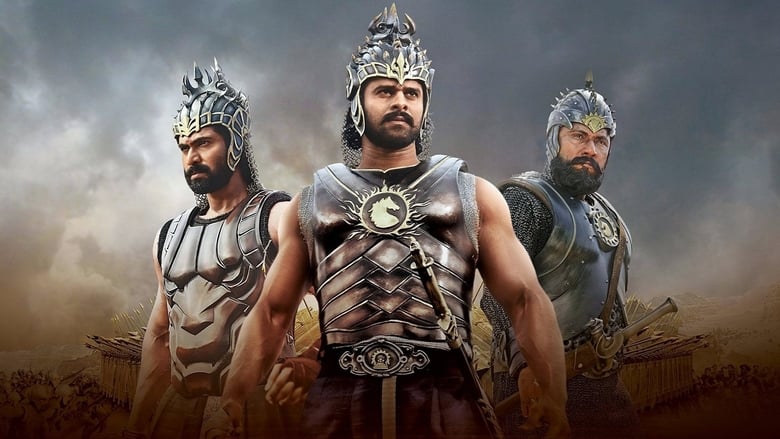
Bāhubali: The Beginning
2015
-
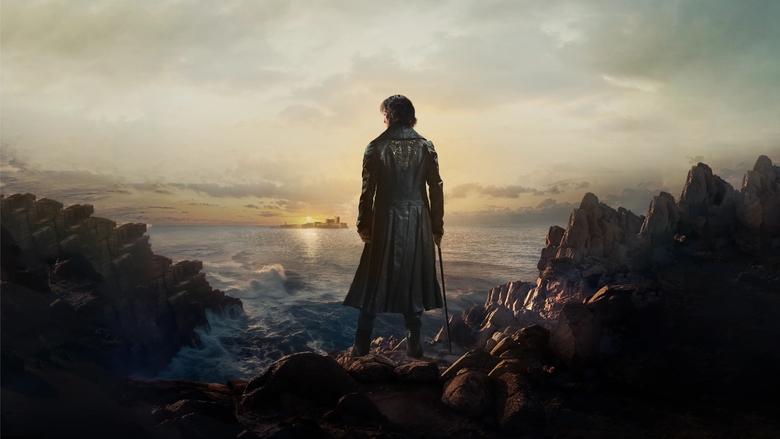
The Count of Monte Cristo
2024
-
The Boy and the Beast
2015
-

Gran Turismo
2023
-
Predator: Badlands
2025
-
The Three Musketeers: D'Artagnan
2023
-

Karate Kid: Legends
2025
-

A Taxi Driver
2017
-

My Hero Academia: Two Heroes
2018
-
My Hero Academia: Heroes Rising
2019
-
Justice League Dark: Apokolips War
2020
-

Evangelion: 3.0+1.0 Thrice Upon a Time
2021
-

Suzume
2022
-
Batman vs. Robin
2015
-

Italian Race
2016
-
Ford v Ferrari
2019
-
Raya and the Last Dragon
2021
-
The Woman King
2022
-

Guardians of the Galaxy Vol. 3
2023
-

Spider-Man: Across the Spider-Verse
2023