Scream
"The rules have changed. The fandom hasn't."
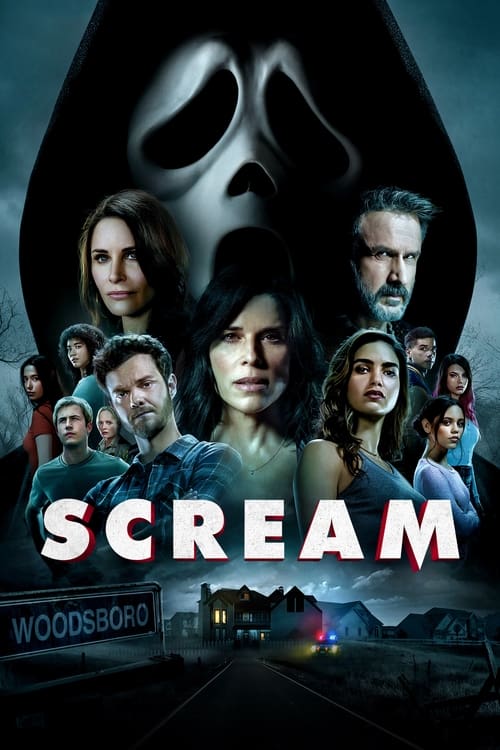
I’ll admit, I walked into the theater in January 2022 with my arms crossed and a healthy dose of skepticism. We were in the middle of a winter COVID surge, I was wearing a double mask that made my breath fog up my glasses, and the guy three rows down was eating a bag of baby carrots so loudly it sounded like a construction site. More importantly, Wes Craven—the maestro of meta-horror—was gone. How do you make a Scream movie without the man who defined the DNA of the slasher? It felt like trying to stage The Phantom of the Opera without the organ.
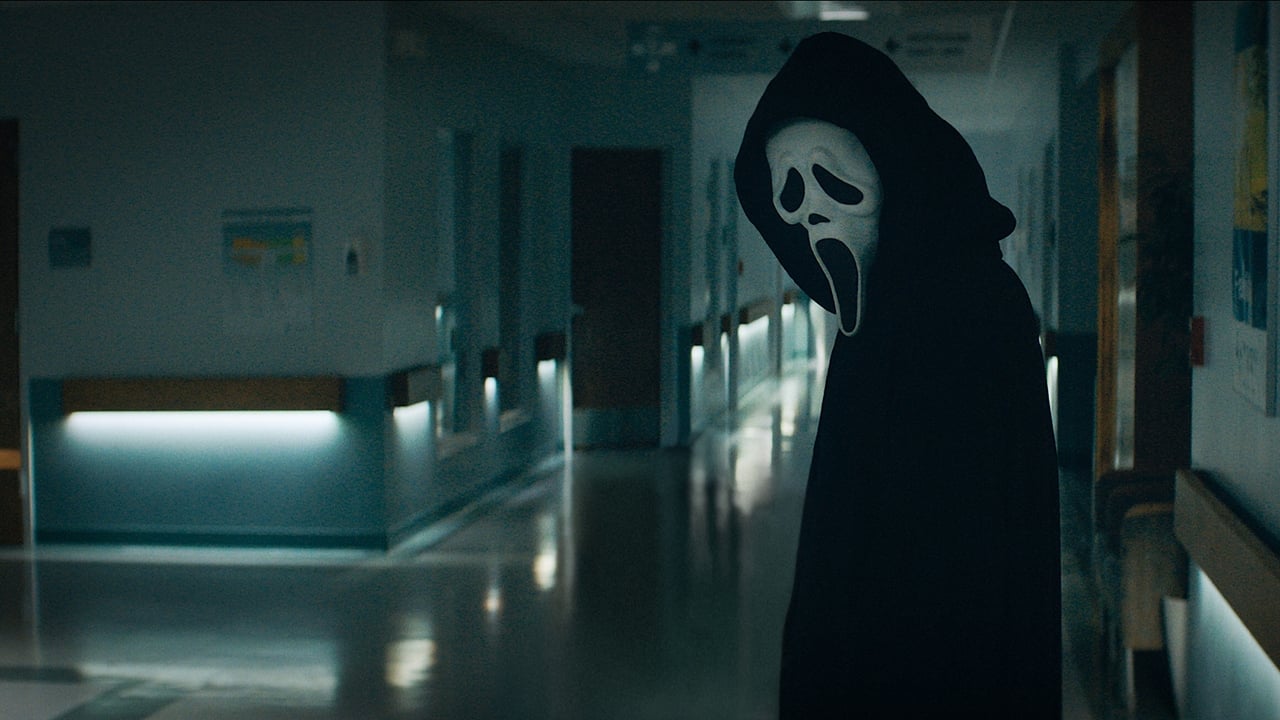
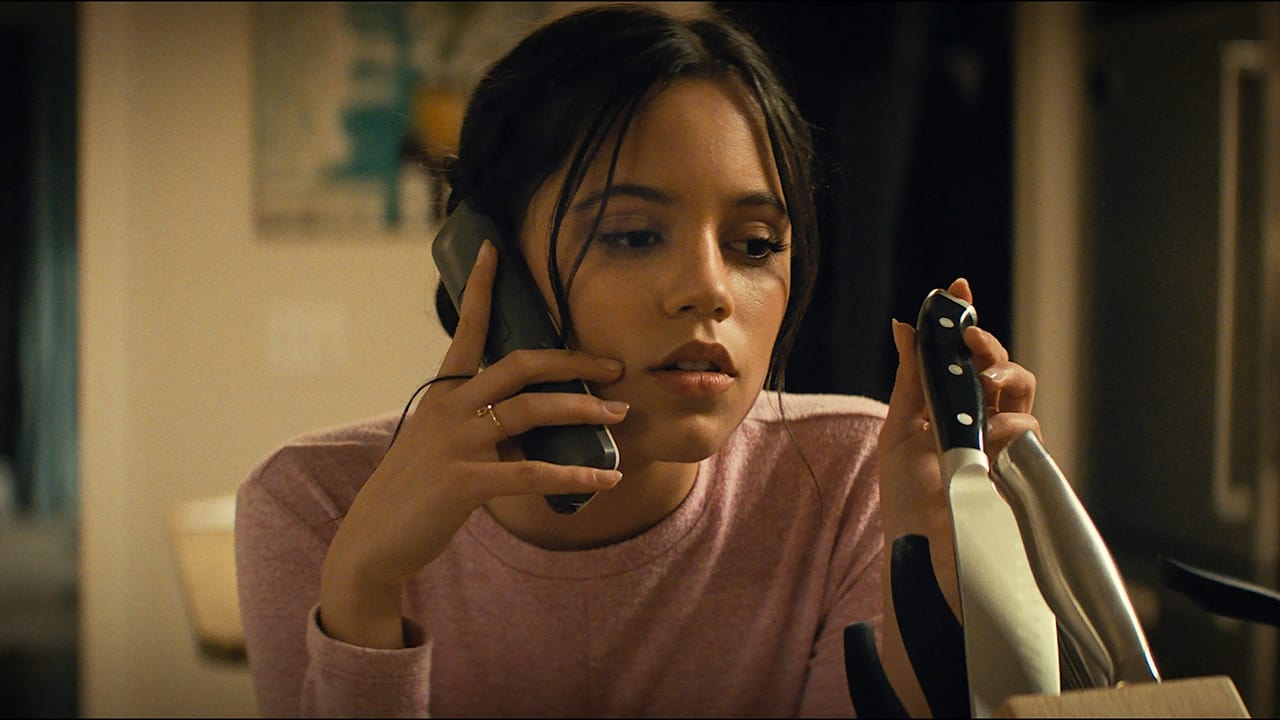
But then the phone rang. It wasn’t a landline this time—well, it was, but it was a landline being used to bypass a high-tech home security system. Within ten minutes, Jenna Ortega (just a moment before she became a global icon in Wednesday) put on a masterclass in "opening sequence" acting. I realized then that directors Matt Bettinelli-Olpin and Tyler Gillett weren’t just grave-robbing; they were performing a surgical resuscitation.
The Requel Renaissance
We live in an era of the "requel"—that strange Hollywood hybrid that functions as both a sequel and a reboot. Think Star Wars: The Force Awakens or Jurassic World. This film doesn't just inhabit that space; it weaponizes it. The script by James Vanderbilt and Guy Busick is sharp enough to draw blood before Ghostface even shows up, mocking the very industry trends it relies on.
The "meta" commentary focuses on the toxicity of modern fandom, specifically the "true fans" who feel they own an IP and revolt when a franchise tries something new. It’s a bold swing for a film that is, by definition, a franchise entry. As someone who has spent way too much time reading Reddit threads about why a certain lightsaber color "ruined cinema," seeing Ghostface slash through characters while debating "elevated horror" like The Babadook and Hereditary was deeply cathartic. Jasmin Savoy Brown is the standout here as Mindy, inheriting the "expert" role from the Meeks-Martin lineage with a dry, cynical wit that feels perfectly calibrated for the 2020s.
Passing the Buck (and the Blade)
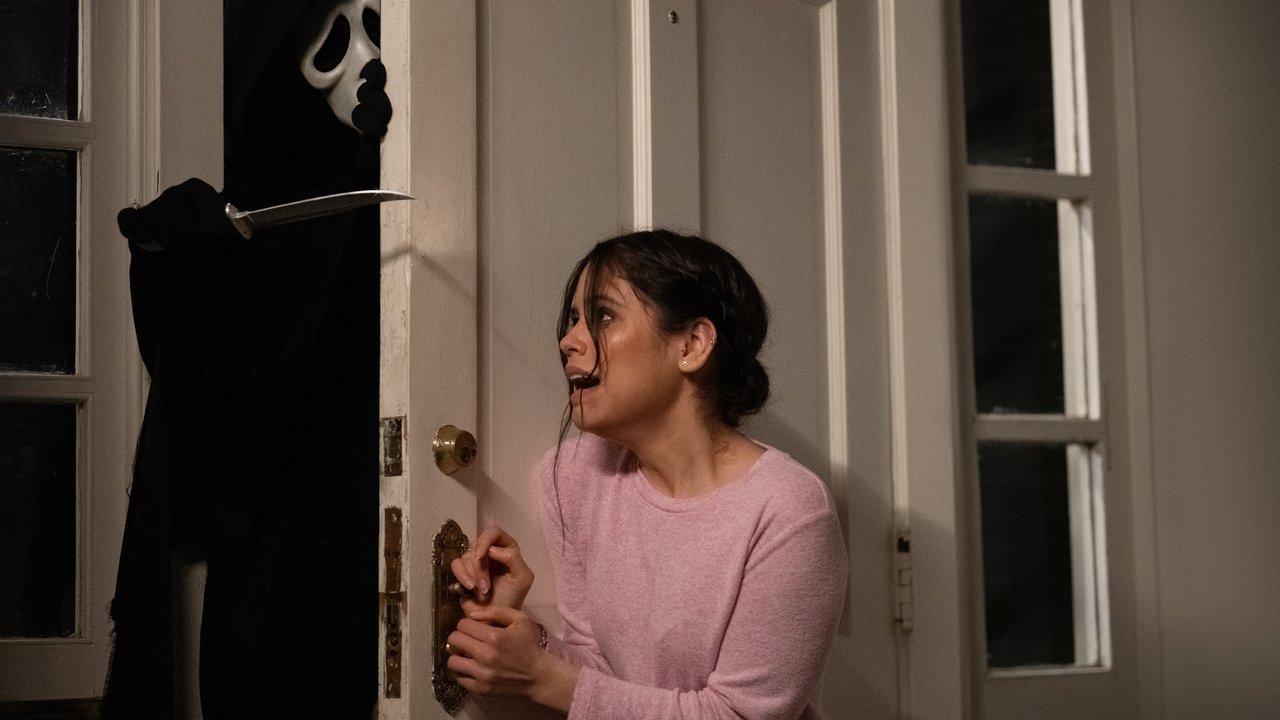
The challenge of any legacy sequel is balancing the old guard with the new. Melissa Barrera anchors the film as Sam Carpenter, a girl with a secret tied directly to the 1996 original. While the internet had plenty of opinions on her performance at the time, I found her "final girl" energy to be refreshingly gritty. She isn't just a victim; she’s someone who has been fighting her own demons long before the mask appeared.
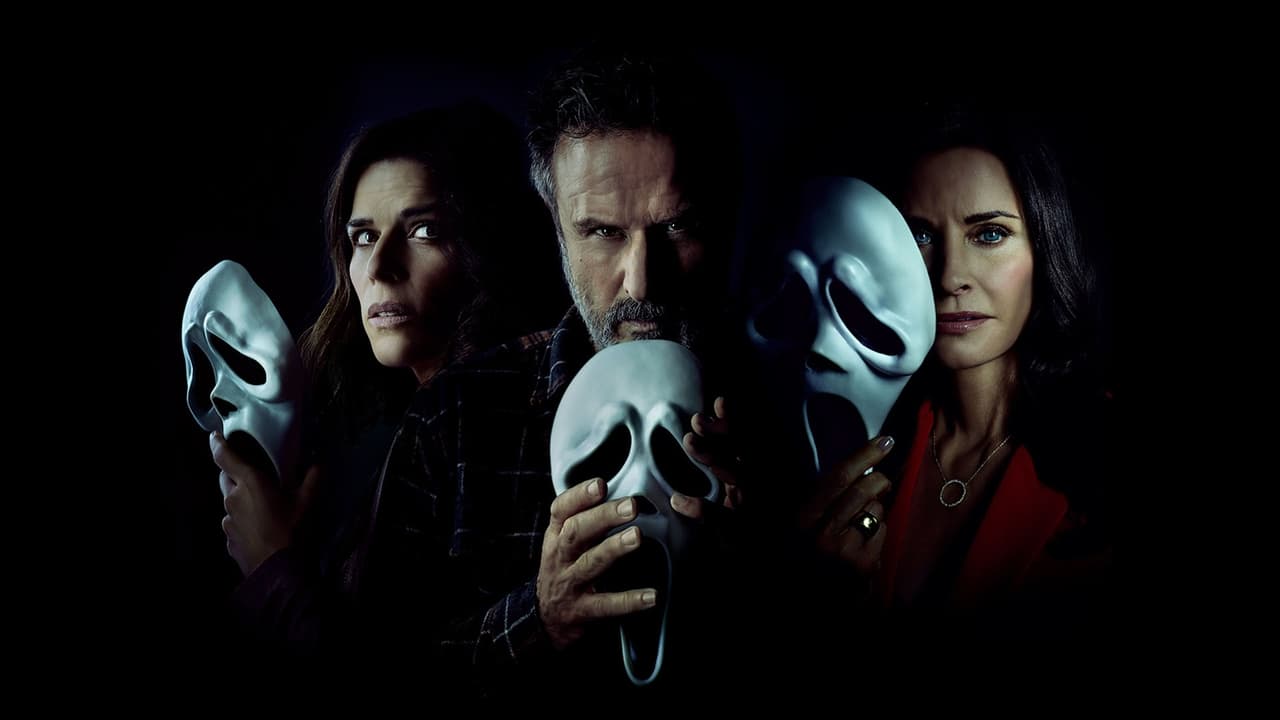
Then you have the legends. Seeing Neve Campbell, Courteney Cox, and David Arquette back on screen together felt like a warm hug—if a warm hug involved a 10-inch hunting knife. The filmmakers treat Sidney, Gale, and Dewey with immense respect, but they aren't draped in bulletproof plot armor. There’s a weight to their presence. When David Arquette is on screen, you feel every year of Dewey’s trauma and every limp in his gait. It’s a soulful performance in a genre that often treats characters like disposable meat.
Red Paint and Real Stakes
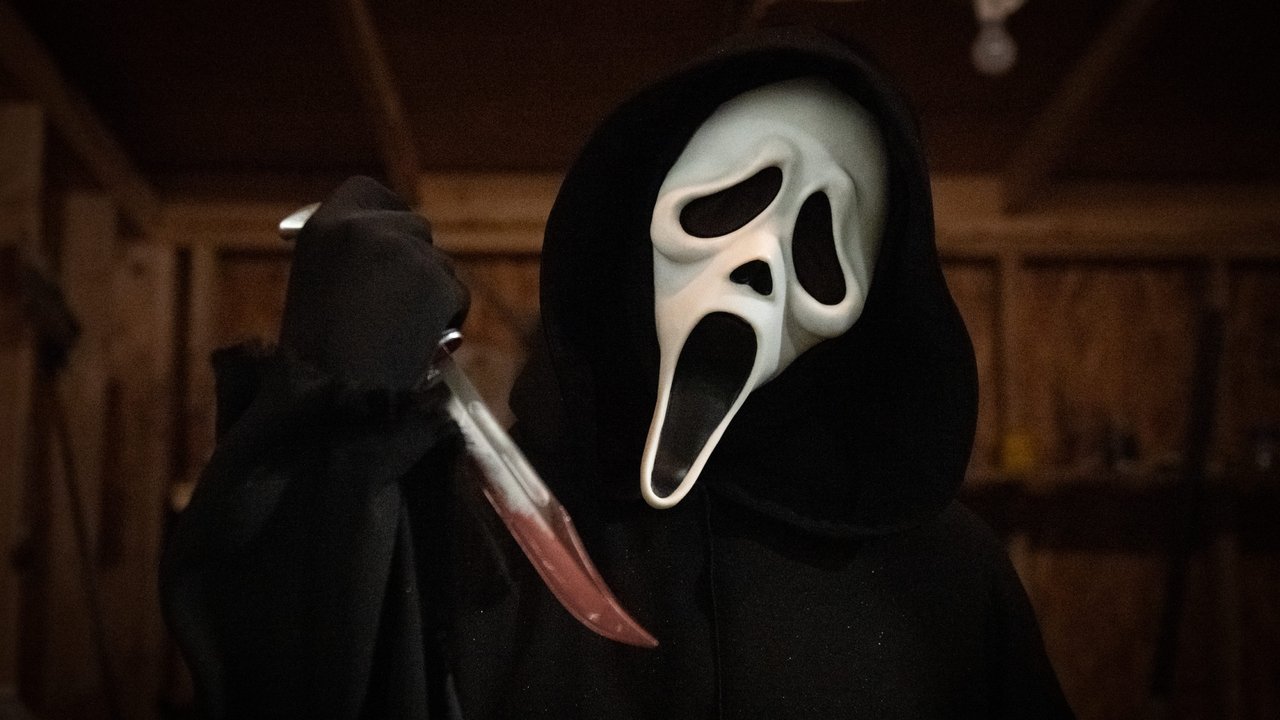
One thing I appreciated about the "Radio Silence" directing team (the moniker for Bettinelli-Olpin and Gillett) is how they handled the violence. Wes Craven’s Scream films always had a certain whimsical, cartoonish elasticity to the chases. Here, the kills are mean. They are heavy, wet, and desperate. The cinematography by Brett Jutkiewicz ditches the glossy sheen of Scream 4 for something more grounded and shadow-drenched.
The production actually used multiple scripts and kept the actors in the dark about the killer's identity until the last possible moment. In an age of social media leaks and "spoiler culture," the fact that they kept the Richie (Jack Quaid) and Amber (Mikey Madison) reveals relatively quiet is a minor miracle. Jack Quaid brings a frantic, "nice guy" energy that he’s perfected in The Boys, making his eventual turn feel like a genuine slap in the face.
The budget was a modest $24 million, which is pocket change in the world of modern blockbusters, yet it grossed over $137 million. It proved that audiences didn't just want horror—they wanted this horror. They wanted the comfort of the "rules" even if those rules were being rewritten in real-time. It’s a film that understands that toxic fandom is more terrifying than a guy in a ghost mask, because you can’t outrun a subreddit.
This is the rare legacy sequel that actually justifies its existence. It honors Wes Craven’s legacy not by mimicking him, but by evolving the conversation he started in 1996. It’s bloody, it’s cynical, and it features a kitchen showdown that is easily one of the best choreographed sequences in the entire series. If you’ve been avoiding it because you’re tired of "franchise fatigue," give it a chance—it’s just as tired of it as you are.
Keep Exploring...
-
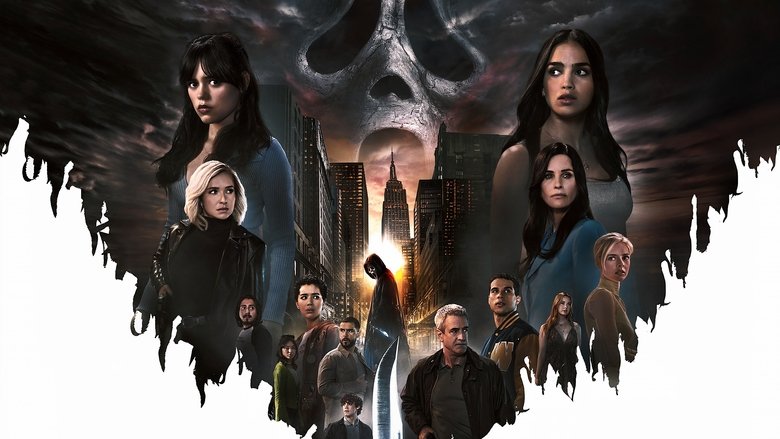
Scream VI
2023
-
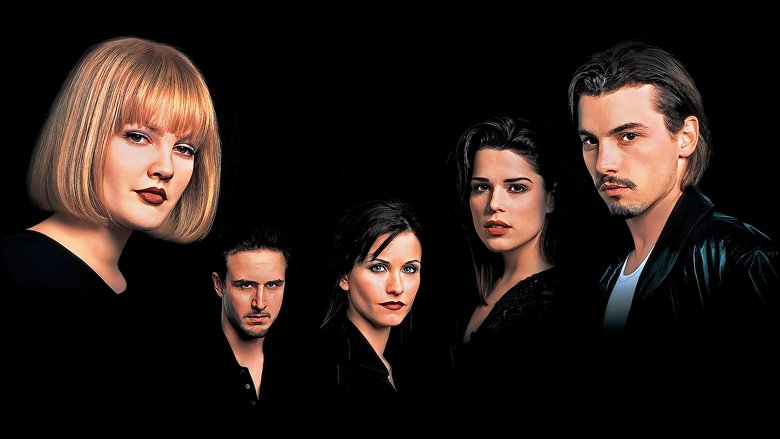
Scream
1996
-

Scream 2
1997
-
Scream 3
2000
-
Scream 4
2011
-
Abigail
2024
-
Ready or Not
2019
-

Final Destination Bloodlines
2025
-

Jigsaw
2017
-
Escape Room
2019
-
Us
2019
-
The Conjuring: The Devil Made Me Do It
2021
-
Smile
2022
-
Saw X
2023
-
Longlegs
2024
-

Smile 2
2024
-

Weapons
2025
-
Get Out
2017
-
Happy Death Day
2017
-
The House with a Clock in Its Walls
2018