Slumberland
"Dream big, hide from the nightmares."
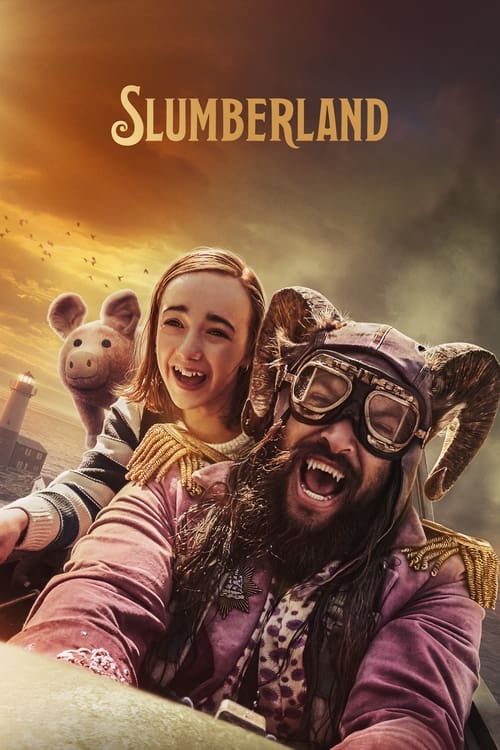
If you’ve spent any time navigating the endless, neon-hued corridors of the Netflix home screen, you know the feeling of the "Algorithm Fog." It’s that digital mist where massive, big-budget spectacles appear for a weekend, dominate the Top 10, and then vanish into the cultural ether as if they were never there at all. Slumberland is a prime example of this contemporary phenomenon—a $35 million fantasy epic that feels like it should have been a staple of my childhood Sunday afternoons, yet somehow feels like a secret I’m keeping from everyone else who pays for a subscription.
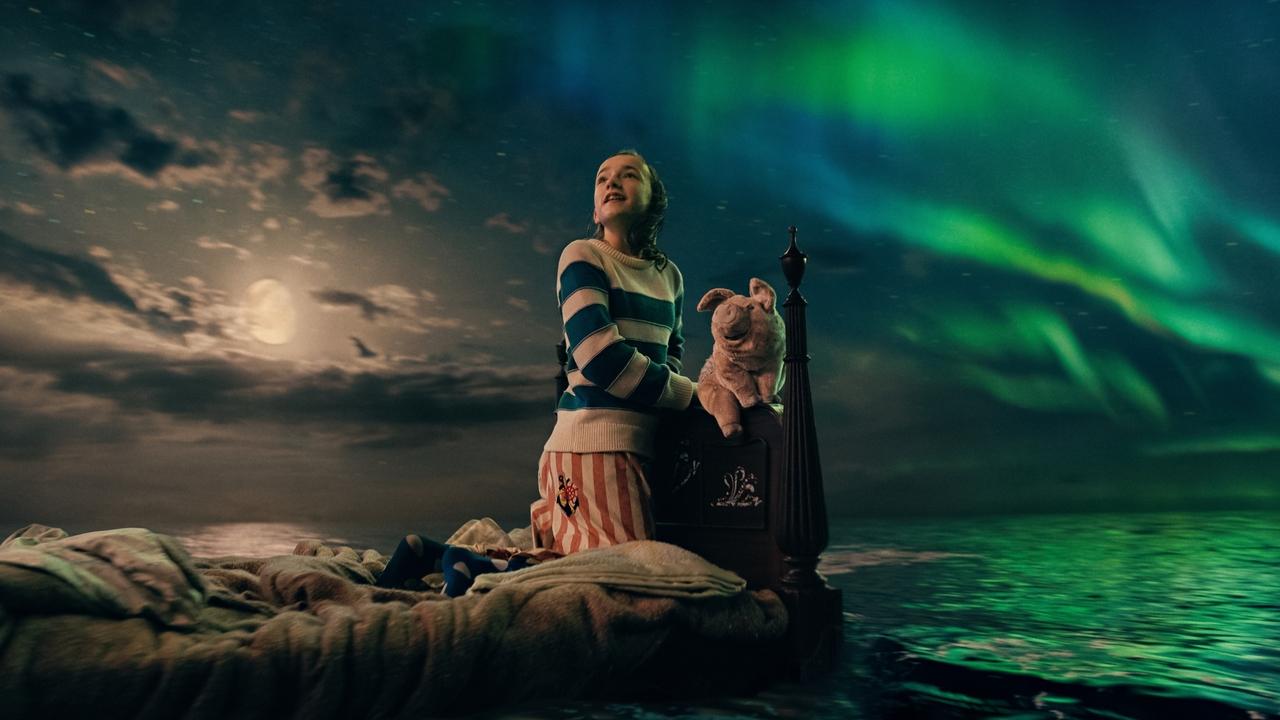
I watched this one on a Tuesday evening while I was distracted by a particularly stubborn piece of cat hair stuck to my sofa cushion. I spent a good ten minutes trying to flick it off before realizing I was missing a sequence where a bed sprouts giant stilts and gallops through a city. That’s the kind of movie this is: if you look away for a second to deal with household lint, you’ll miss a visual feast that belongs on a screen three times the size of my TV.
The Satyr in Striped Pajamas
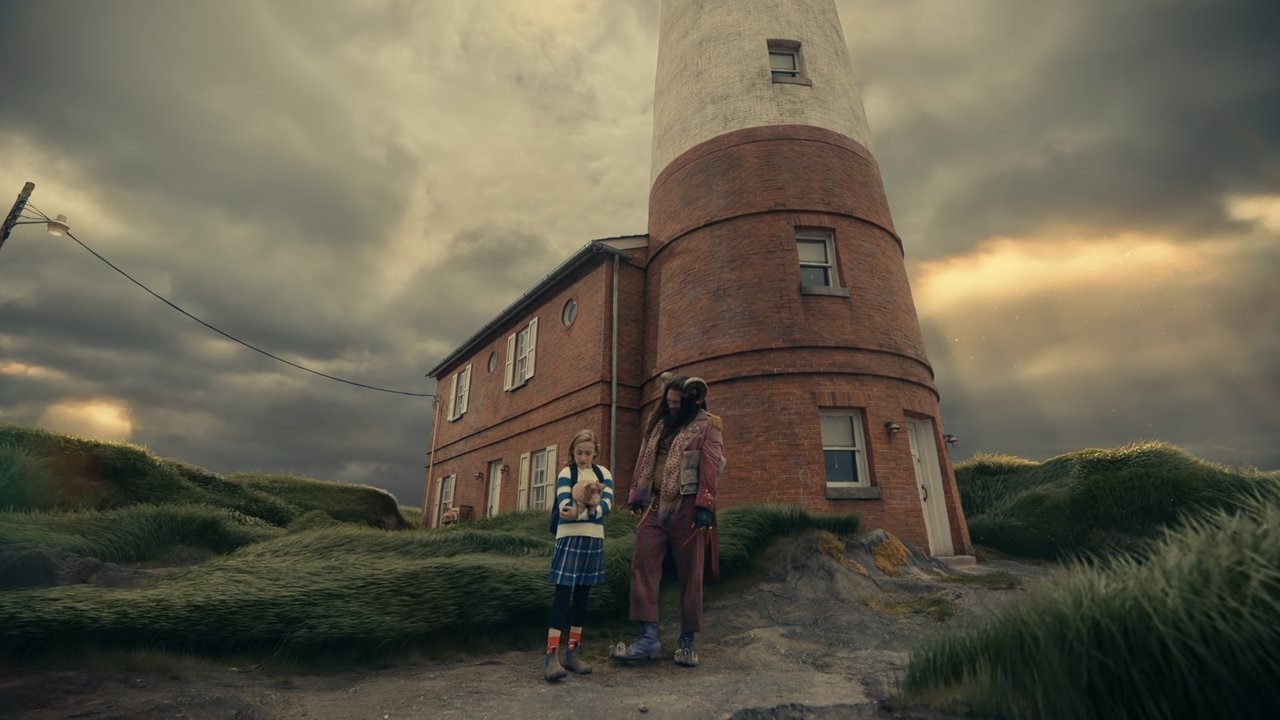
At the heart of this dreamscape is Marlow Barkley as Nemo. She’s wonderful—grounded, grieving, and possessing that specific brand of "smart kid" energy that doesn’t feel obnoxious. After losing her father (Kyle Chandler, who is basically the human embodiment of a warm hug), she’s sent to live with her socially awkward uncle Phillip (Chris O'Dowd). It’s a classic setup for a "displaced kid" story, but it’s the transition into the dreamworld that gives the film its spark.
Enter Jason Momoa as Flip. Now, I have a theory that Jason Momoa has spent the last five years trying to see how much jewelry and velvet he can wear before a director tells him to stop. In Slumberland, he’s basically raided a Halloween store with a $50 budget and a dream, playing a horned outlaw who looks like a cross between a pirate and a chaotic babysitter. Jason Momoa acts like a man who just discovered what sugar does to the human brain, and while some critics found his performance "too much," I found it weirdly endearing. He’s leaning into the camp, performing for the ten-year-olds in the audience rather than the cynical adults in the room.
Navigating the Dream Logic
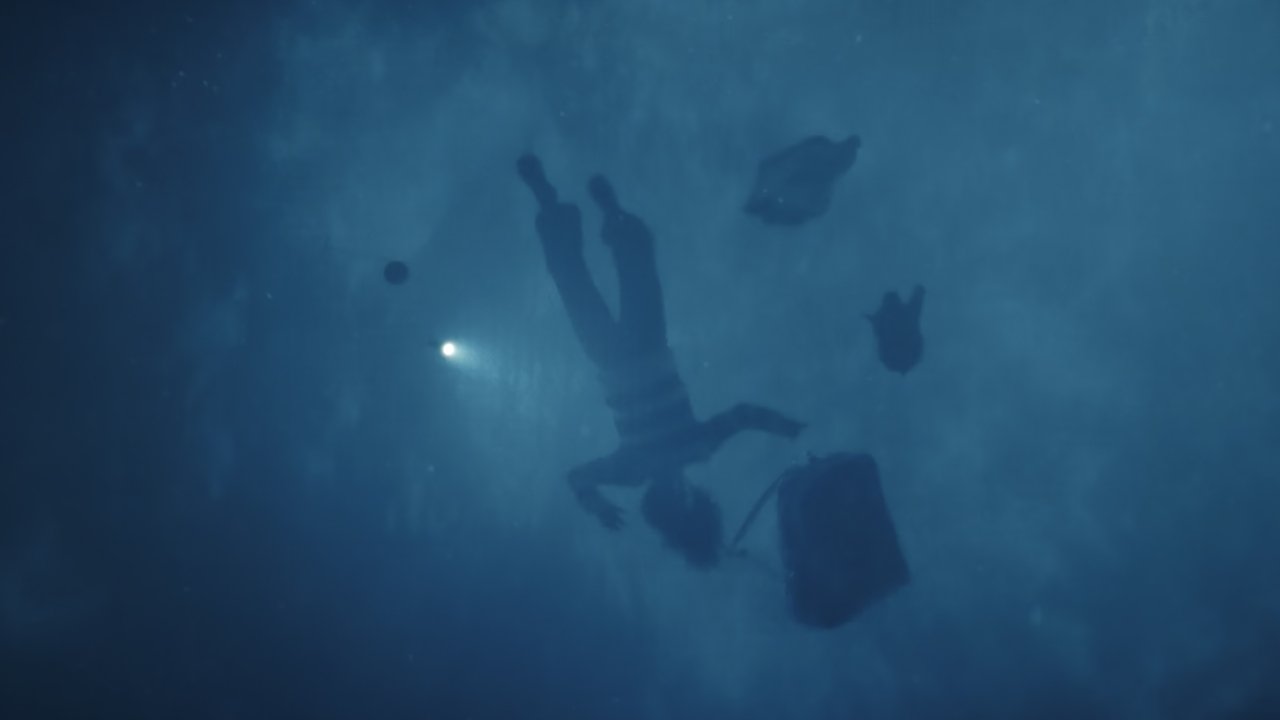
Director Francis Lawrence (who gave us the grit of The Hunger Games: Catching Fire) trades the dystopia for something much more fluid here. The cinematography by Jo Willems captures a world that feels tactile despite the heavy CGI. There’s a scene involving a ballroom made of butterflies that is genuinely breathtaking, reminding me that even in this era of "content" saturation, some filmmakers still want to create images that stick in the back of your eyelids.
What’s interesting about Slumberland is how it treats the "rules" of dreaming. It’s not quite Inception for kids, but it’s close. You have Agent Green (Weruche Opia), a sort of dream-bureaucrat chasing our heroes through different people’s subconsciouses. The film captures that peculiar dream logic where you can walk through a door in a lighthouse and end up in a giant cubicle farm. It’s a shame the movie didn’t get a wider theatrical run; the scale of the "Nightmare"—a swirling mass of smoke and tentacles—really demands the kind of immersion you can't get when your phone keeps buzzing next to you.
The script by David Guion and Michael Handelman does a decent job of balancing the "wacky" with the "weepy." It’s fundamentally a story about a girl who isn't ready to say goodbye, and while it hits some predictable beats, it avoids being overly saccharine. It’s a "Legacy Sequel" of sorts to the original Little Nemo comics by Winsor McCay, but it updates the 1905 sensibilities for a modern audience that expects their heroes to have a bit more agency.
Why Did We Forget This One?
Despite the star power and the visual polish, Slumberland feels like it’s been tucked away in a drawer. Part of that is the "Streaming Era Impact." When a movie doesn't have a three-month theatrical window to build word-of-mouth, it lives or dies by the social media conversation of its opening weekend. Released in late 2022, it was somewhat overshadowed by the looming shadow of Avatar: The Way of Water.
It’s also a bit of a genre-muddler. Is it a high-concept comedy? A grief drama? A CGI spectacle? It tries to be all three, and while I think it succeeds more than it fails, that ambiguity makes it hard to market. It’s a film that demands you sit down and give it your full attention, which is a big ask for people scrolling through Netflix at 9:00 PM on a school night.
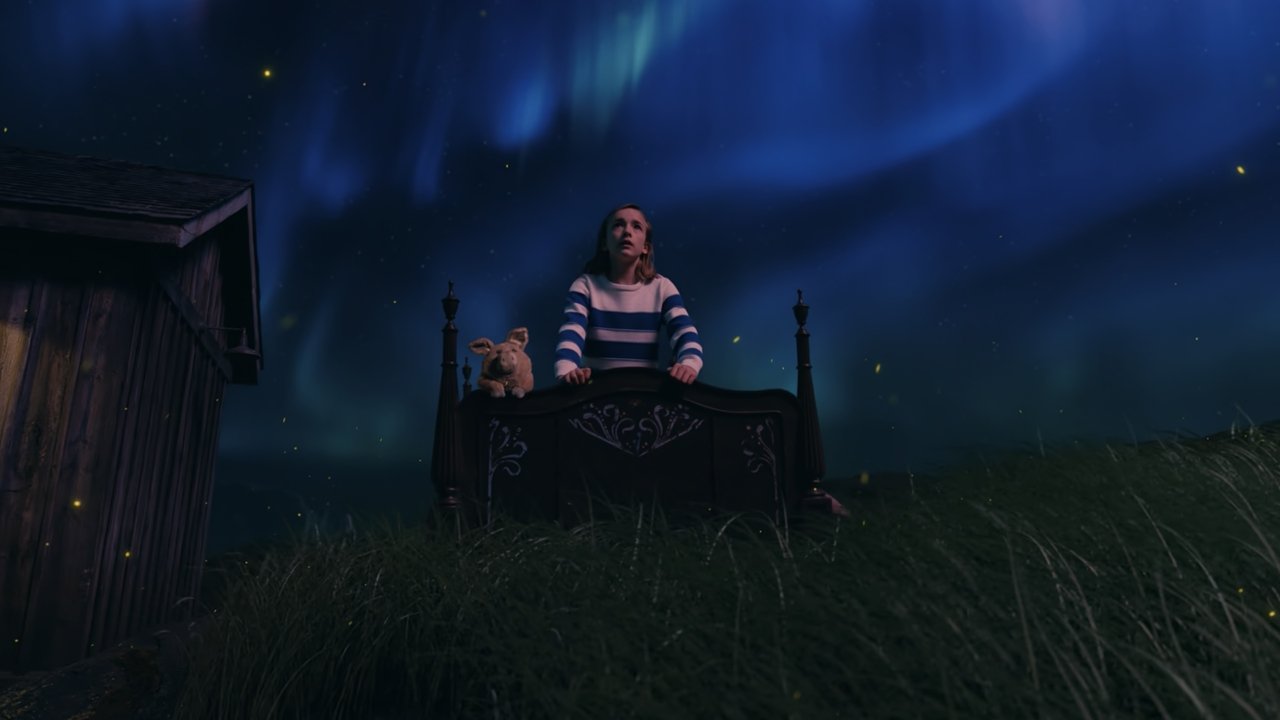
Apparently, the production was quite a feat—filming in Toronto during the height of the pandemic meant Jason Momoa and the crew were operating under strict protocols, which might explain why the "dream world" feels so isolated and focused on just a few characters. It’s a small, intimate story told with a massive, expensive paintbrush.
Ultimately, Slumberland is a charming, if slightly overstuffed, adventure that deserves a second look. It might not be the "instant classic" the marketing department hoped for, but it’s got a big heart and some of the most inventive visuals I've seen in a family film recently. If you’ve got two hours and can resist the urge to look at your phone (or your linty sofa), give it a spin. It’s a reminder that even in the age of franchises and algorithms, there’s still room for a little bit of weird, wonderful dreaming.
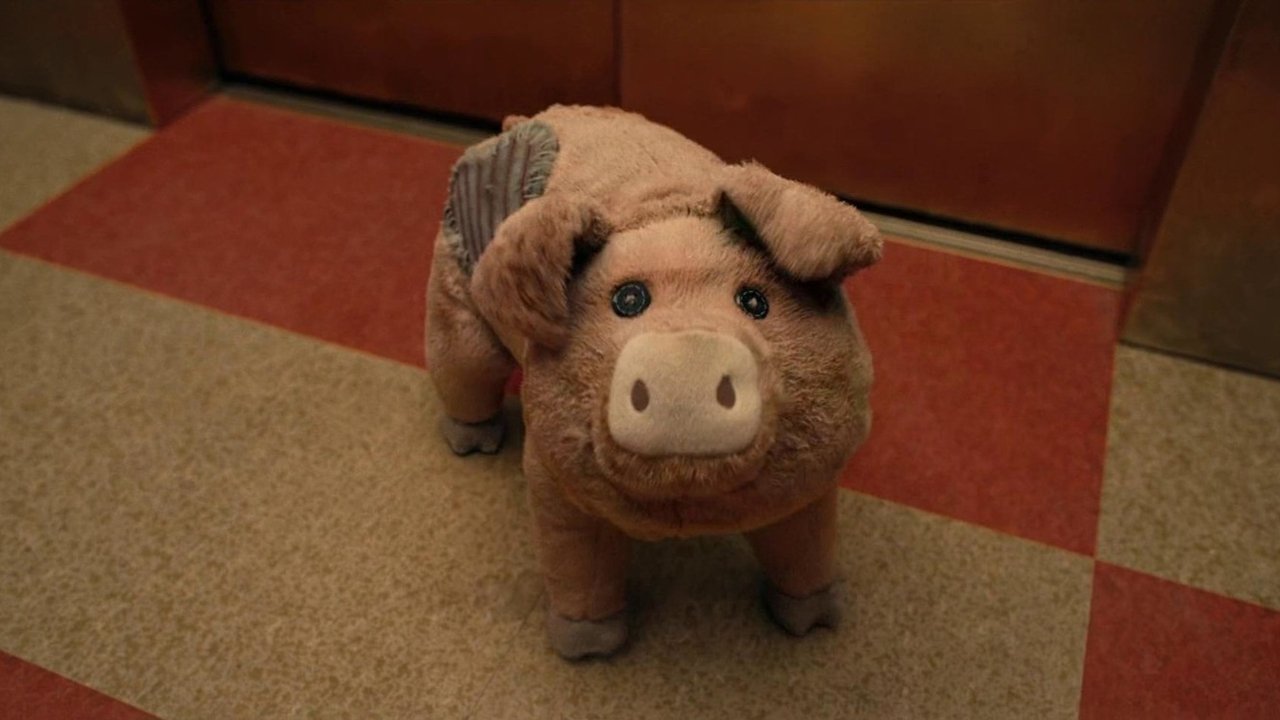
Just keep an eye out for the pig; he's the real MVP.
Keep Exploring...
-
Hocus Pocus 2
2022
-
Olaf's Frozen Adventure
2017
-
Red Shoes and the Seven Dwarfs
2019
-
Scooby-Doo! Return to Zombie Island
2019
-

The Christmas Chronicles: Part Two
2020
-
Clifford the Big Red Dog
2021
-
The Addams Family 2
2021
-
Ruby Gillman, Teenage Kraken
2023
-
Trolls Band Together
2023
-
The Willoughbys
2020
-
Wish Dragon
2021
-

A Dog's Purpose
2017
-
The Addams Family
2019
-
Hotel Transylvania 3: Summer Vacation
2018
-
Mary Poppins Returns
2018
-
Frozen II
2019
-
Dolittle
2020
-
Onward
2020
-
The Croods: A New Age
2020
-
Trolls World Tour
2020