Smile
"The happiest face you’ll ever fear."
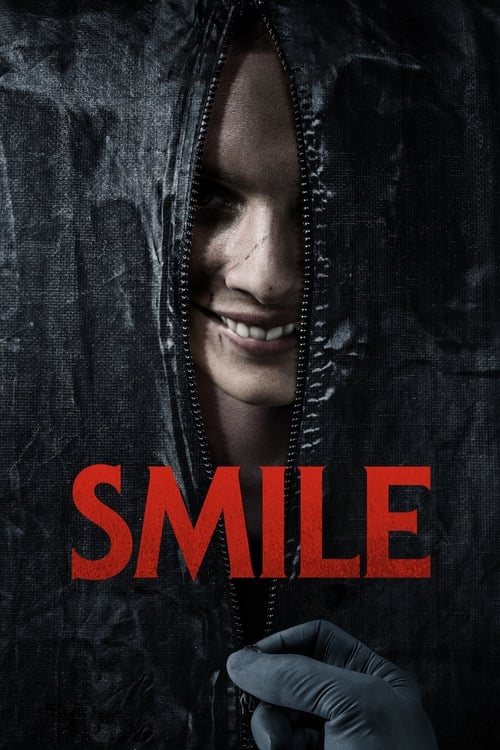
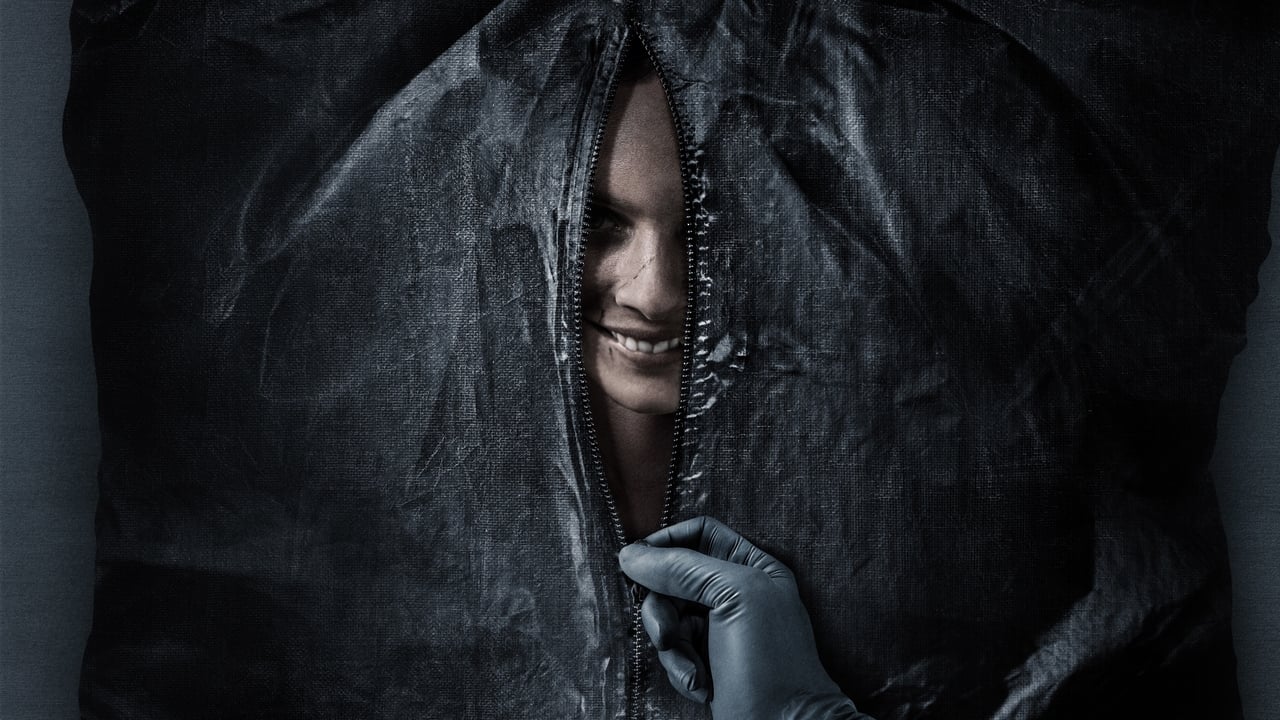
Most horror movies try to make you scream, but Parker Finn’s Smile is more interested in making you want to crawl out of your own skin and leave it behind in the theater seat. It takes the most universal sign of friendliness—a wide, toothy grin—and weaponizes it into something deeply predatory. Long before the first trailer even dropped, I saw those viral marketing clips of actors sitting behind home plate at MLB games, staring into the camera with unblinking, frozen expressions. It was a brilliant bit of psychological warfare that perfectly set the stage for a film that lives and breathes in the space between a greeting and a threat.
The Trauma Loop
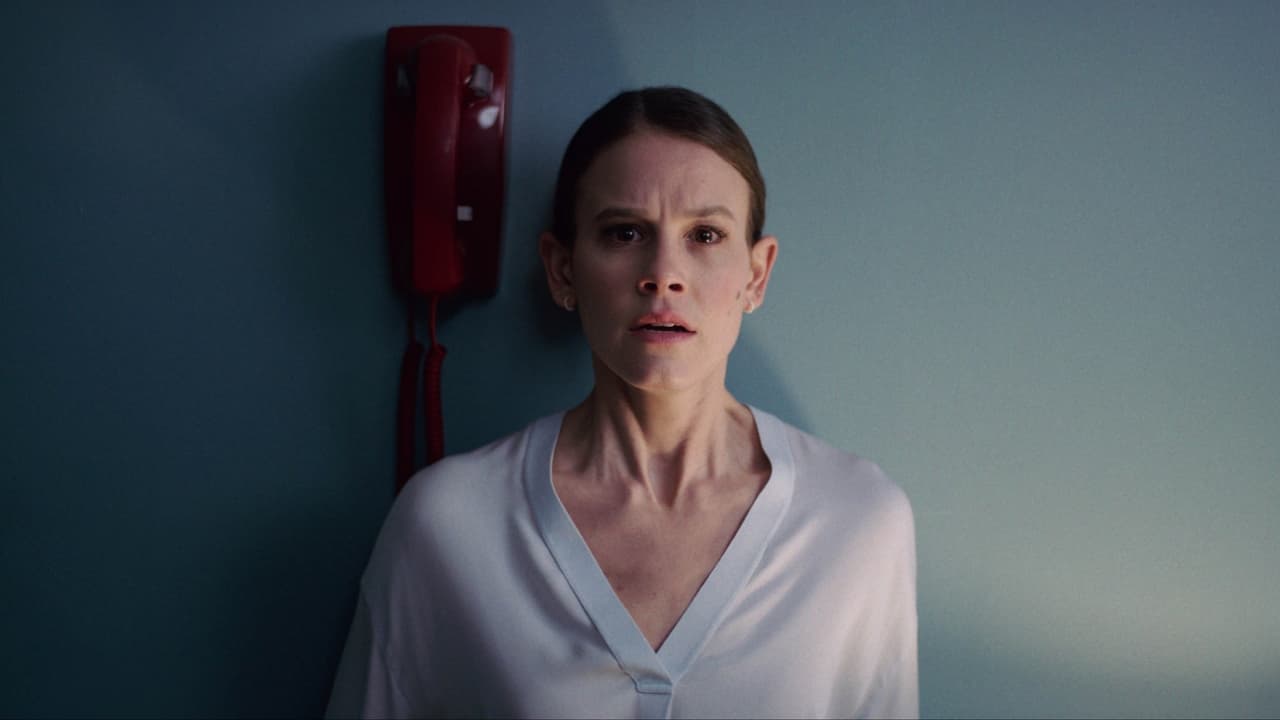
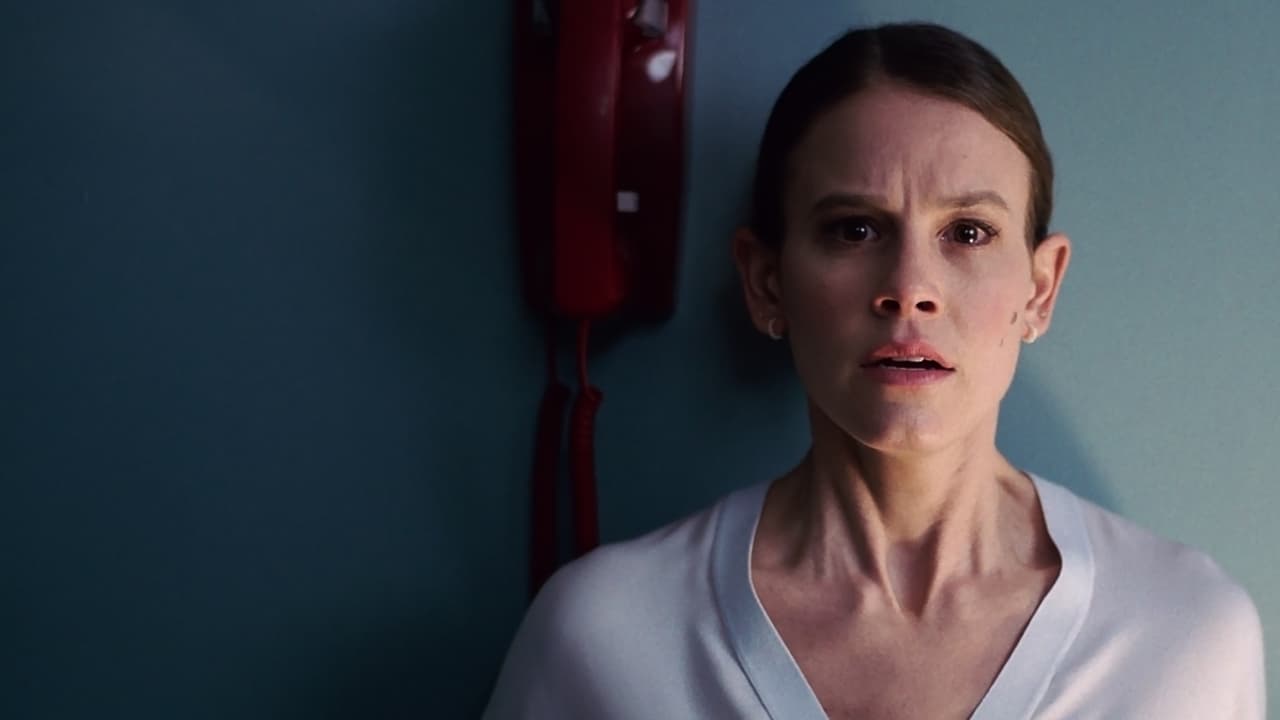
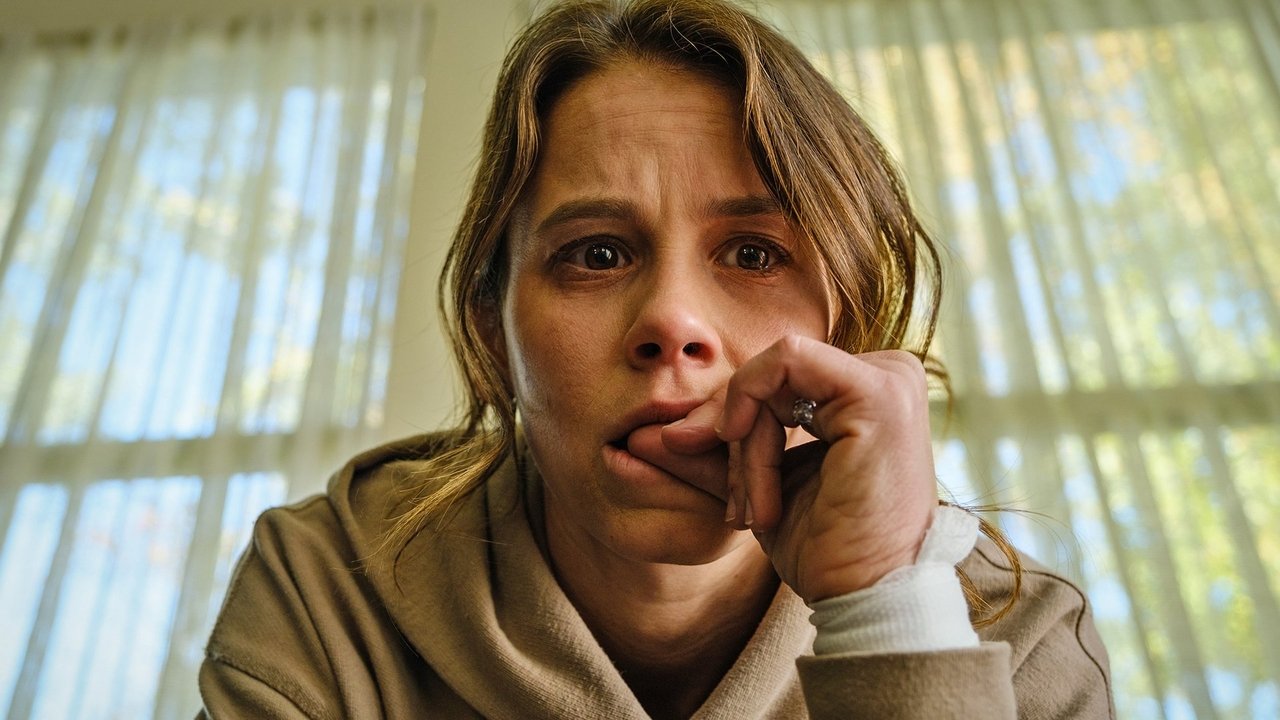
The story follows Dr. Rose Cotter, played with a fraying, high-wire intensity by Sosie Bacon (who you might recognize from 13 Reasons Why or as the daughter of Kevin Bacon). Rose is a dedicated hospital therapist who witnesses a patient, played by Caitlin Stasey, take her own life while wearing a grin that looks like it was stitched onto her face by a maniac. From there, Rose inherits a supernatural curse that manifests as a smiling entity appearing in the shadows of her life, isolating her from her fiancé (Jessie T. Usher) and her boss (Kal Penn, bringing a grounded "normalcy" to the clinical setting).
In our current era of "elevated horror," there’s a recurring obsession with using monsters as metaphors for mental health. Whether it’s grief in The Babadook or STIs in It Follows, we’ve seen the "trauma-as-a-demon" trope plenty of times. Smile doesn’t necessarily reinvent that wheel, but it greases it with enough practical gore and psychological cruelty to make it feel fresh. I watched this in a theater where the air conditioning was cranked so high I was shivering, and honestly, the physical chill complemented the movie’s mean-spirited atmosphere perfectly. It’s a film that genuinely believes human connection is a fragile lie we tell ourselves to keep the dark out.
A Symphony of Unease
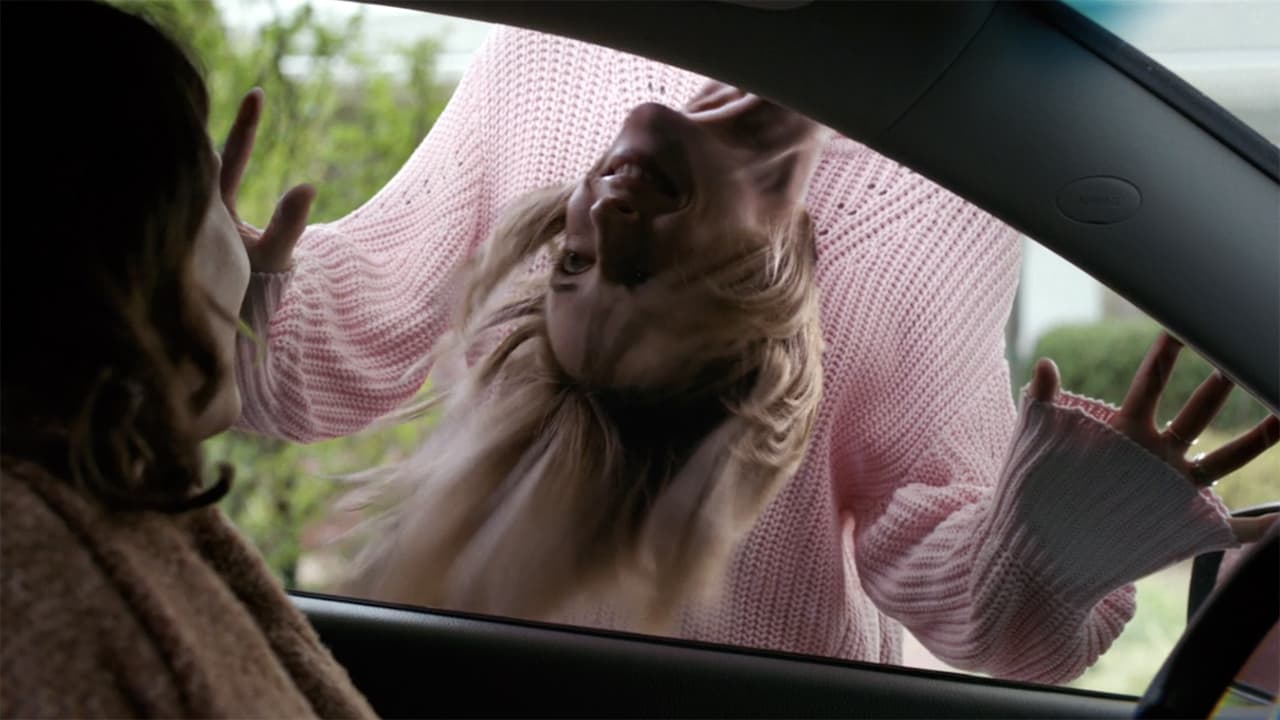
What really elevates this beyond a standard jump-scare fest is the technical craft. Parker Finn, making his feature debut here based on his short film Laura Hasn't Slept, has a fantastic eye for framing. He uses a lot of upside-down exterior shots and slow, creeping pans that suggest the world itself is tilting off its axis. He’s joined by cinematographer Charlie Sarroff, who manages to make a brightly lit corporate office feel just as terrifying as a dilapidated farmhouse.
Then there’s the score by Cristóbal Tapia de Veer. If you’ve seen The White Lotus, you know he specializes in sounds that feel like they’re vibrating in the back of your skull. In Smile, the music is discordant, percussive, and deeply annoying in the best possible way. It denies you the "safety" of a melodic resolution. When combined with the sound design—which features wet, crunching noises that are far louder than they have any right to be—the movie becomes a sensory assault.
From Streaming to Stardom
One of the most interesting things about Smile is its life as a "Contemporary Cinema" success story. Originally, Paramount planned to dump this straight onto their streaming service, Paramount+. However, after test screenings resulted in audiences basically losing their minds, the studio pivoted to a theatrical release. It was a massive gamble that paid off to the tune of over $217 million globally on a modest $17 million budget. In an age where mid-budget original horror is often swallowed by the MCU or legacy sequels, Smile proved that a simple, terrifying hook can still dominate the cultural conversation.
I particularly appreciated the presence of Kyle Gallner as Joel, the ex-boyfriend detective who helps Rose investigate the curse’s origins. Kyle Gallner is something of a modern "scream king," having popped up in everything from the Jennifer’s Body to the 2022 Scream, and he brings a much-needed weary empathy to a movie that is otherwise quite cynical. He provides the investigative backbone that turns the second act into a compelling mystery, tracing the "smile" back through a chain of victims like a viral infection.
While the final act leans a bit heavily into CGI territory for my liking—losing some of the grounded dread established earlier—Smile remains one of the most effective studio horror films of the 2020s. It understands that the jump scare is a tool, not a crutch, and it uses those scares to punctuative a much deeper, more lingering sense of hopelessness. It captures the modern anxiety of feeling like you're losing your mind while everyone around you tells you to just "put on a brave face." If you’re looking for a movie that will make you suspicious of your own neighbor’s polite greeting, this is the one. Just don't expect to leave the theater with a grin of your own.
Keep Exploring...
-

Smile 2
2024
-

Jigsaw
2017
-
Escape Room
2019
-
Us
2019
-
The Conjuring: The Devil Made Me Do It
2021
-
Scream
2022
-
Saw X
2023
-
Longlegs
2024
-

Weapons
2025
-
Get Out
2017
-
Happy Death Day
2017
-
The House with a Clock in Its Walls
2018
-
Scary Stories to Tell in the Dark
2019
-

Final Destination Bloodlines
2025
-
A Cure for Wellness
2017
-
It Comes at Night
2017
-
Hereditary
2018
-
Suspiria
2018
-

Midsommar
2019
-
Color Out of Space
2020