Suzume
"To save tomorrow, she must close the doors of yesterday."
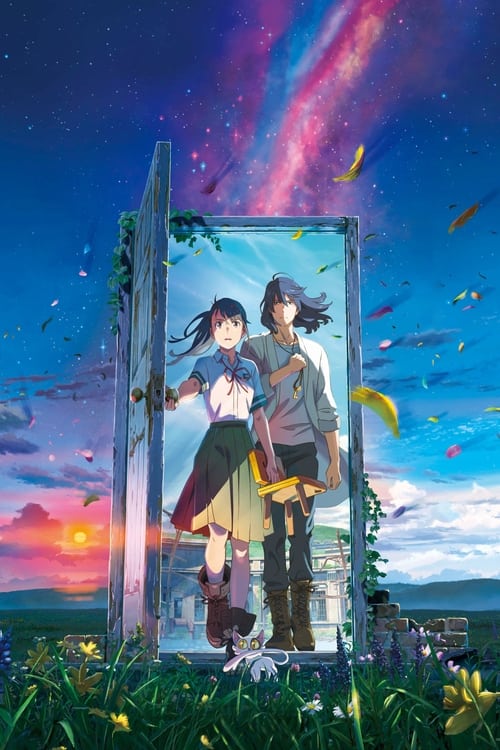
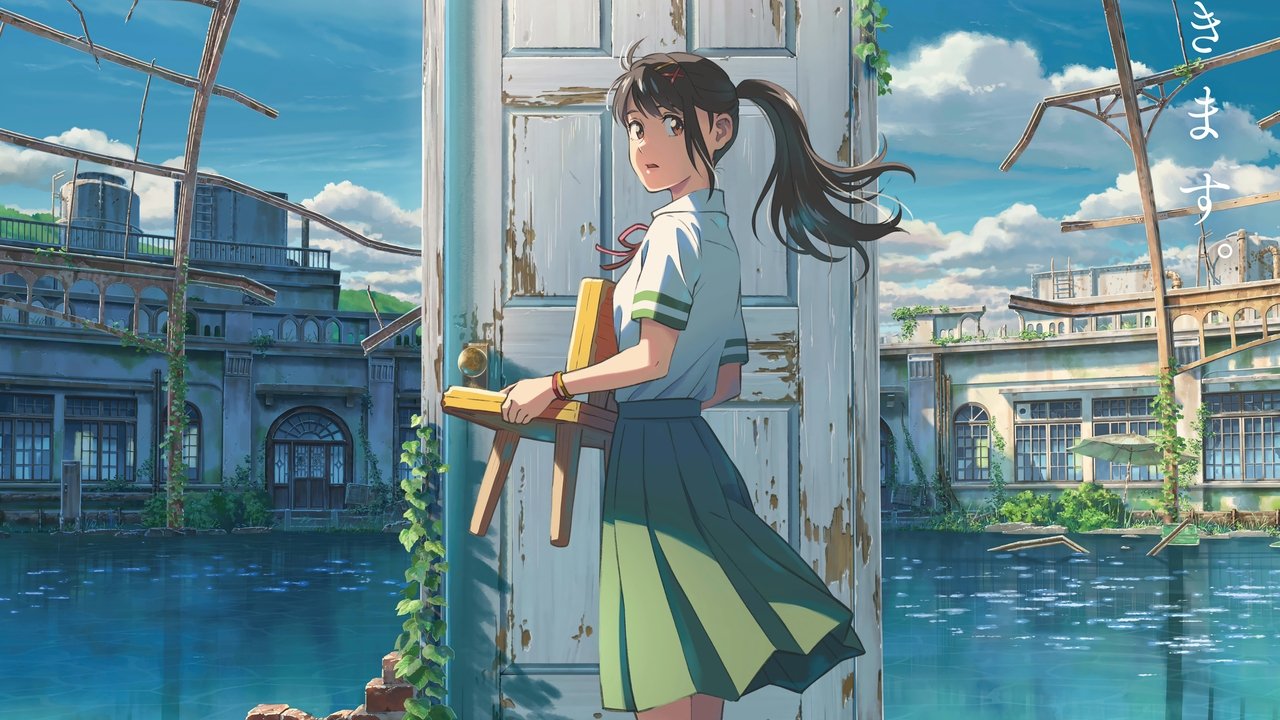
Most directors give you a key to a new world; Makoto Shinkai gives you a door standing in the middle of a puddle and tells you that if you open it, the world ends. I went into Suzume expecting the usual Shinkai "sky-porn"—those hyper-saturated purples and clouds that look like they’ve been licked by an angel—but I wasn’t quite prepared for how much I’d end up caring about a three-legged nursery chair. I watched this during a rainy Tuesday afternoon while my neighbor was relentlessly power-washing his driveway, and the mechanical hum outside strangely synchronized with the low-frequency dread of the "Worm" appearing on screen.
The Weight of Quiet Places
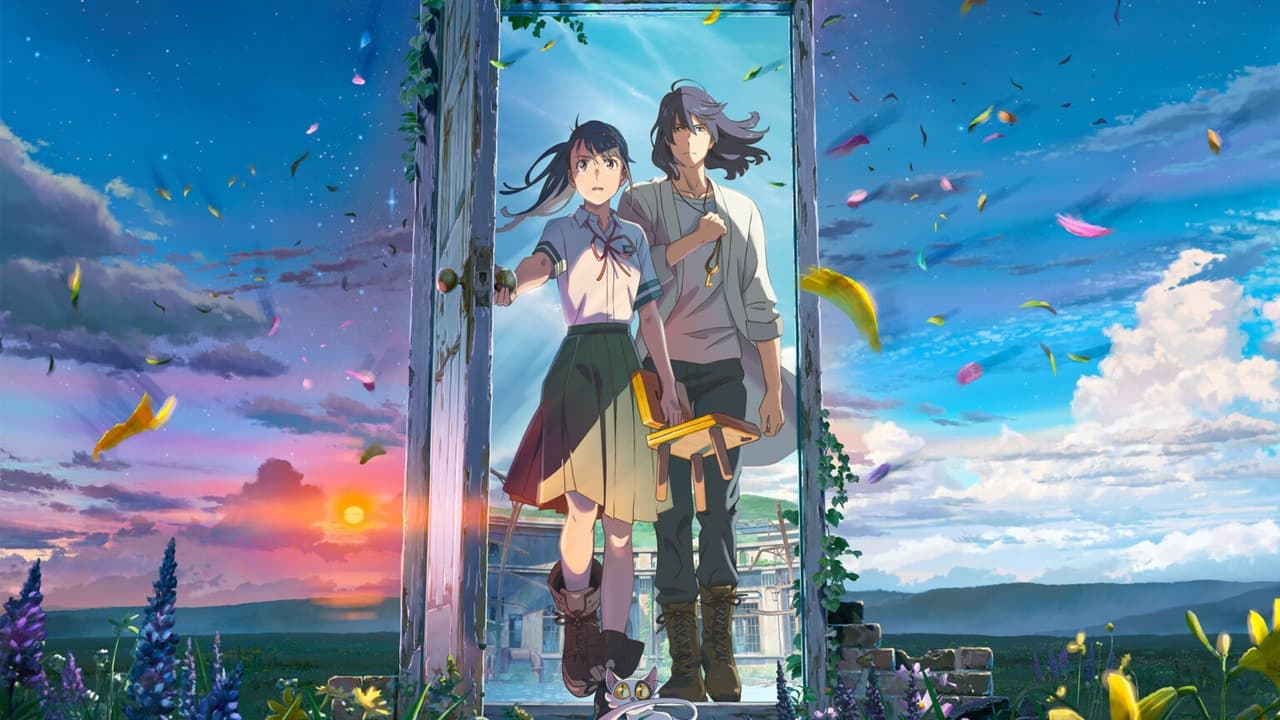
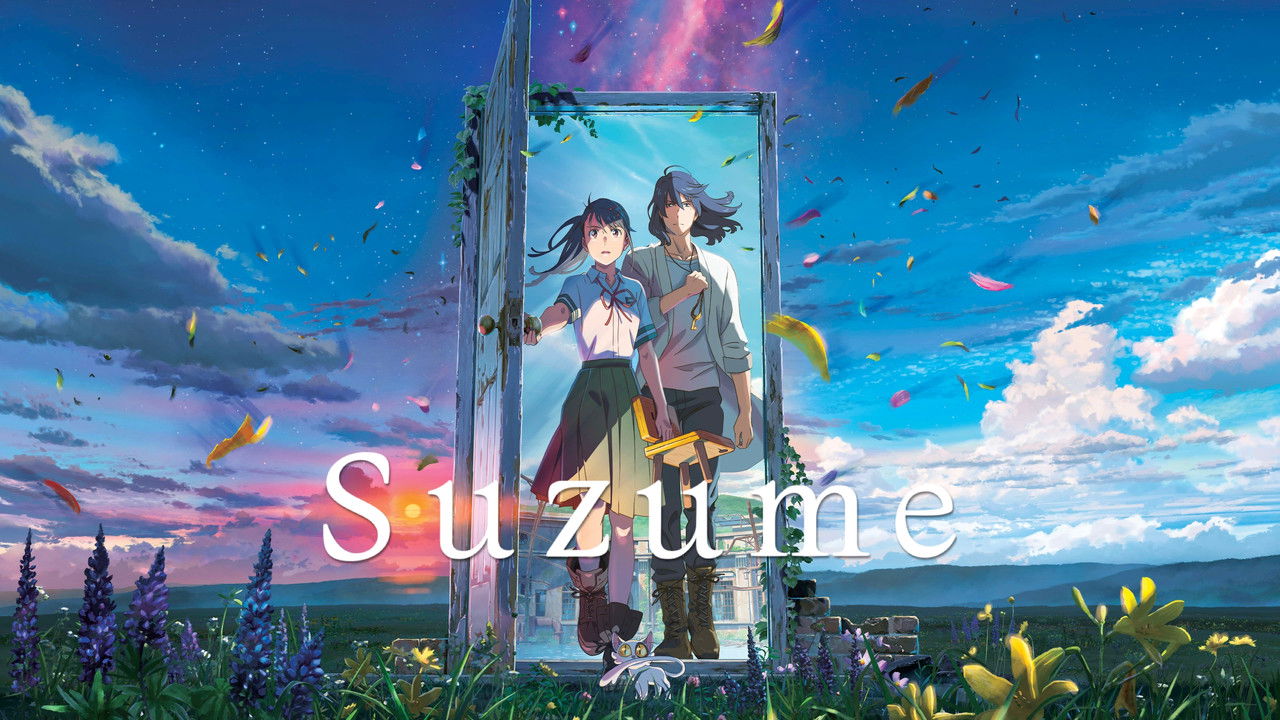
On its surface, Suzume is a high-stakes supernatural road trip. Nanoka Hara voices Suzume, a 17-year-old girl who accidentally unleashes a giant, invisible "Worm" of seismic energy that threatens to trigger earthquakes across Japan. She teams up with Souta (Hokuto Matsumura), a "Closer" who is promptly turned into a child’s chair by a chaotic god-cat named Daijin. They have to race across the country to find "doors" in abandoned ruins and shut them before disaster strikes.
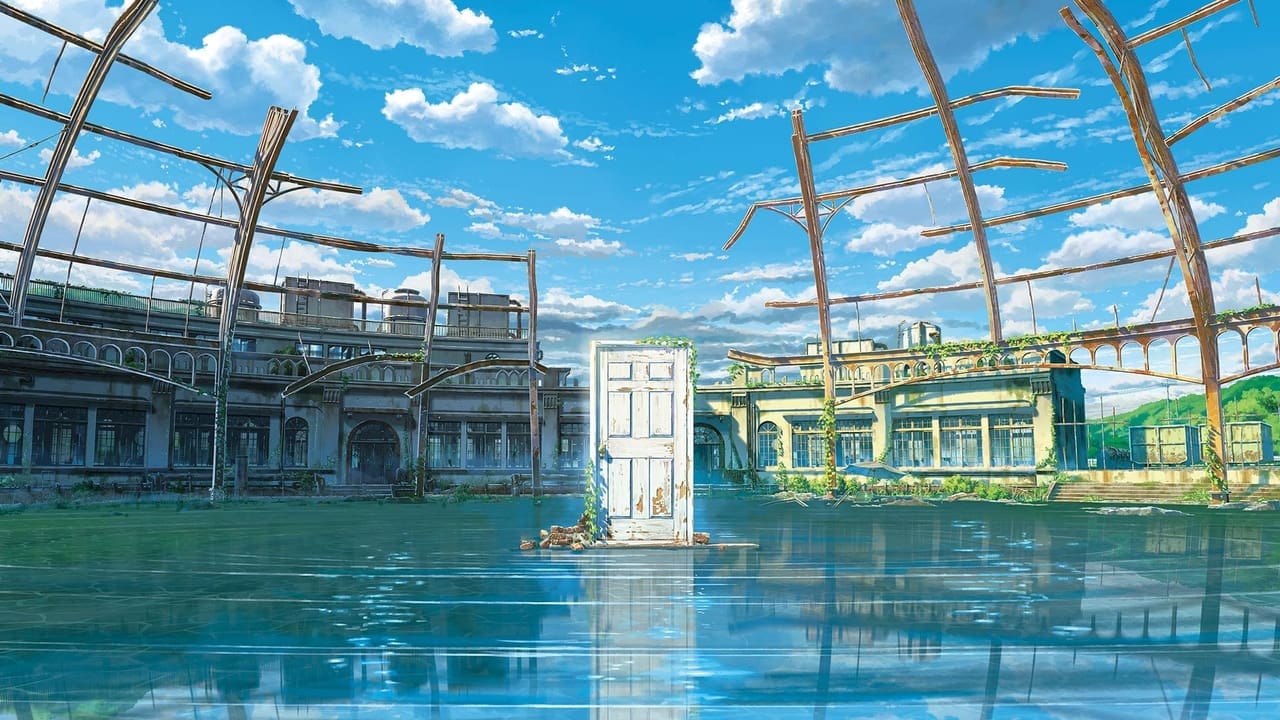
But beneath the "Save the World" stakes, Shinkai is digging into something far more cerebral: the Japanese concept of haikyo (ruins). In our current era of rapid urban decay and shifting demographics, the film asks what happens to the memories of places we’ve abandoned. To close a door, Suzume and Souta have to "listen" to the voices of the people who used to live there. It’s a beautiful, haunting metaphor for collective trauma. Honestly, if you don’t find yourself tearing up over a sentient piece of furniture mourning a defunct hot springs resort, you might be a replicant.
A Performance in Three Legs
The chemistry here is wild, especially considering one half of the duo is a piece of wood for 80% of the runtime. Hokuto Matsumura delivers a nuanced vocal performance that manages to convey nobility, frustration, and romantic yearning while his character literally hops around on three legs. It’s a testament to the animation team at CoMix Wave Films that Souta-as-a-chair feels more expressive than most live-action leading men in modern franchises.
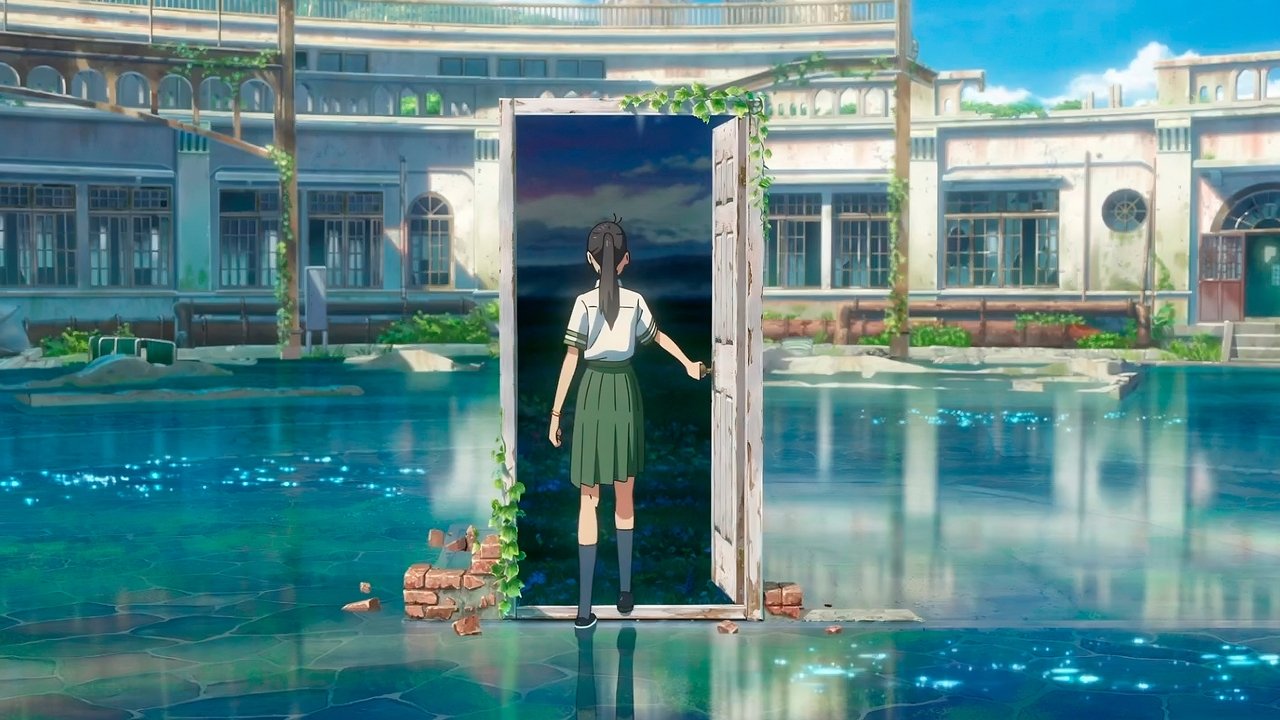
Then there’s Nanoka Hara, who beat out over 1,700 other actors for the role of Suzume. She brings a grounded, frantic energy to the part. Suzume isn’t a "chosen one" because of destiny; she’s a girl living with the ghost of the 2011 Tōhoku earthquake and tsunami. Her journey isn't just about stopping a giant sky-worm; it’s a philosophical confrontation with her younger self. Shinkai avoids the "instant classic" trap by making the stakes intensely personal. The film doesn't just reference the 3.11 disaster; it directly addresses the survivors. In an era where "representation" often feels like a corporate checklist, this feels like a genuine attempt to process a nation's specific, lingering grief.
The Architecture of Memory
Visually, the film is a masterclass in lighting and scale. The way Shinkai and cinematographer Ryosuke Tsuda capture the transition from the sparkling, modern streets of Tokyo to the rusted, overgrown remains of an abandoned school is breathtaking. It highlights a very contemporary anxiety: the fear that our world is becoming a graveyard of its own progress.
What I love about the screenplay is how it balances this heavy, existential dread with a breezy, almost Ghibli-esque road movie vibe. We meet Rumi (Sairi Ito), a single mom running a bar, and Chika (Kotone Hanase), a spirited girl in Ehime. These interactions provide the "human" friction that keeps the film from floating off into its own high-concept atmosphere. The score by Yojiro Noda and Radwimps—who have become Shinkai’s secret weapon—is less pop-heavy than Your Name and more orchestral, leaning into the operatic scale of the "Ever-After."
Apparently, Shinkai originally wanted the film to be a "buddy movie" between two girls, but producers pushed for a more traditional romance. While the romance is fine, the real heart is the relationship between Suzume and her aunt Tamaki (Eri Fukatsu). Their blowout argument on the side of a road is perhaps the most "adult" and emotionally honest scene Shinkai has ever written. It captures that messy, resentful, yet fierce love that defines family in a way that feels incredibly relevant to a generation grappling with the expectations of their elders.
Suzume is a rare feat in contemporary cinema: a massive, big-budget spectacle that actually has something to say about the world we inhabit. It moves beyond the star-crossed lover tropes of Shinkai's previous work to tackle the philosophy of memory and the necessity of closure. It’s a movie that asks us to look at the ruins of our lives—not with fear, but with the courage to say "thank you" before we shut the door. It might be a film about earthquakes, but the biggest tremors are the ones it leaves in your chest.
Keep Exploring...
-
Weathering with You
2019
-
The Boy and the Beast
2015
-
Guillermo del Toro's Pinocchio
2022
-

My Hero Academia: Two Heroes
2018
-

My Hero Academia: Heroes Rising
2019
-
A Whisker Away
2020
-
How to Train Your Dragon: Homecoming
2019
-
Justice League Dark: Apokolips War
2020
-
Wolfwalkers
2020
-
Batman vs. Robin
2015
-
Mary and The Witch's Flower
2017
-
The Boy and the Heron
2023
-

Your Name.
2016
-
The Garden of Words
2013
-
The Seven Deadly Sins: Prisoners of the Sky
2018
-
Jujutsu Kaisen 0
2021
-
One Piece Film Red
2022
-
Raya and the Last Dragon
2021
-

Flow
2024
-
The Wild Robot
2024