The Banshees of Inisherin
"Breaking up is hard when there's nowhere to go."
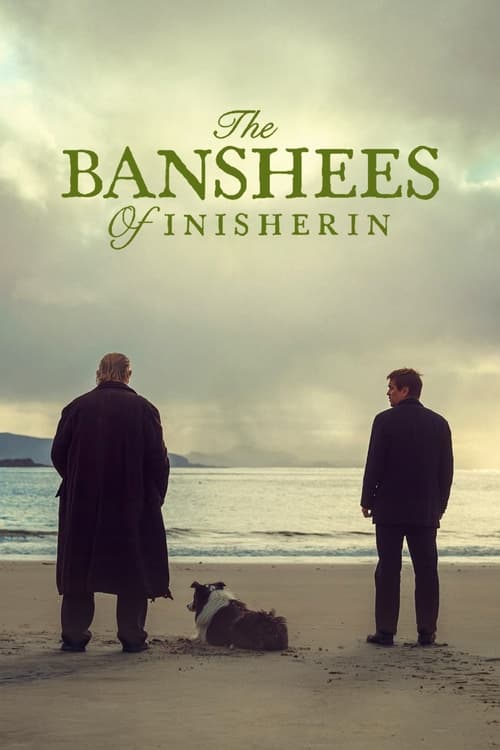
There is a specific kind of silence that only exists in small towns—the kind where you can hear a grudge brewing from three fields away. In The Banshees of Inisherin, that silence doesn’t just hang in the air; it threatens to cut fingers off. I watched this film while nursing a cup of tea that had gone cold because I was too mesmerized by Colin Farrell’s expressive eyebrows to remember to drink, and honestly, the tepid Earl Grey felt appropriately bleak.
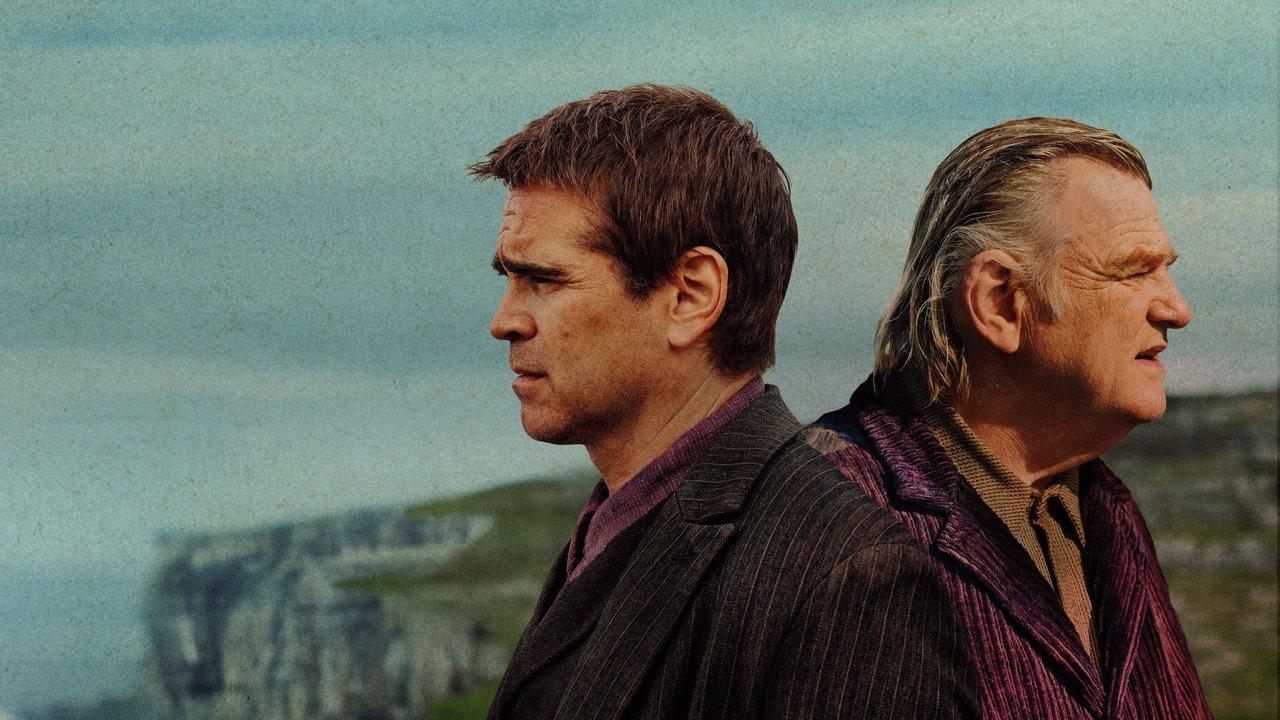
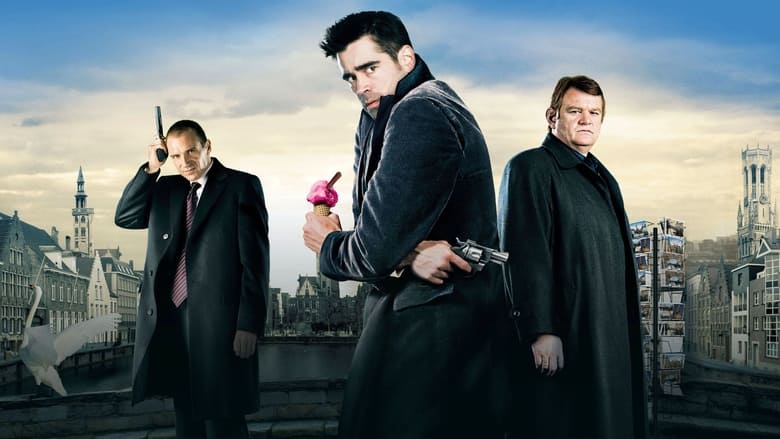
Set in 1923 on a fictional island off the coast of Ireland, the film starts with a premise so simple it’s almost a joke: Colm (Brendan Gleeson) suddenly decides he doesn’t want to be friends with Pádraic (Colin Farrell) anymore. Why? Because Pádraic is "dull." In a world of franchise saturation and explosive stakes, Martin McDonagh (who previously gave us the cult favorite In Bruges) scales everything down to the size of a pint glass, proving that the end of a friendship can feel as world-ending as an alien invasion.
The Brutality of Being Boring
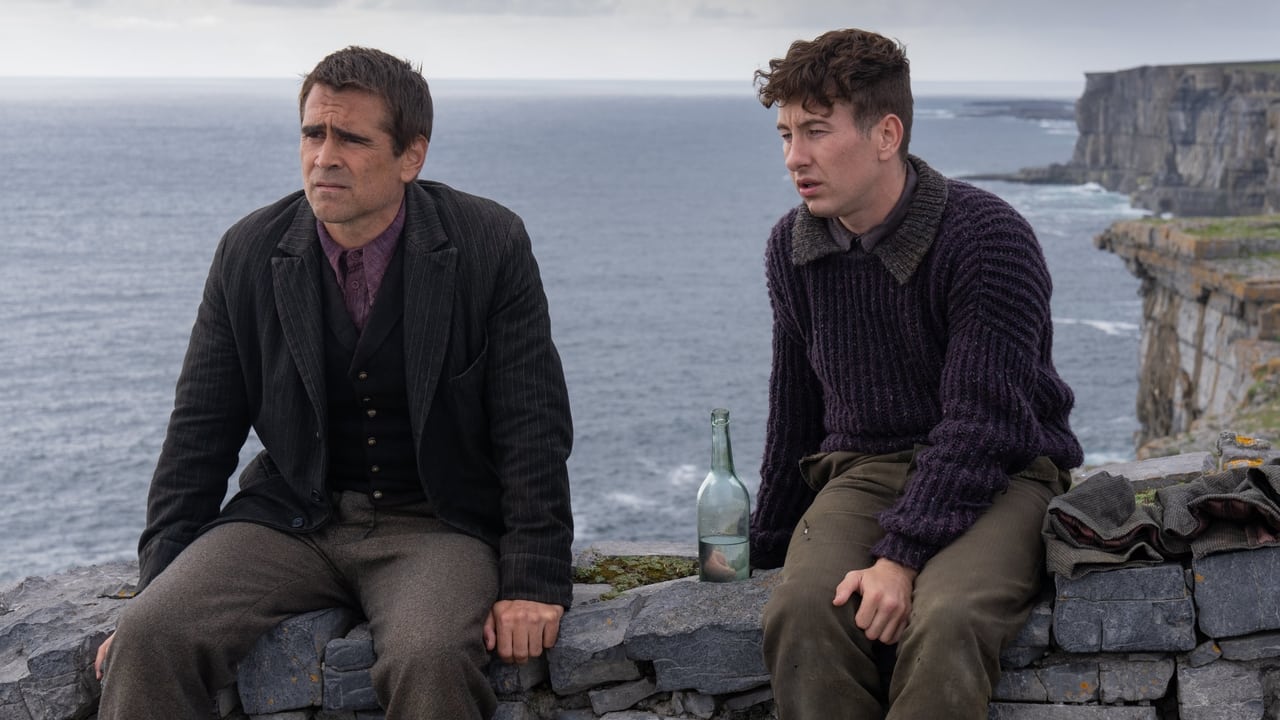
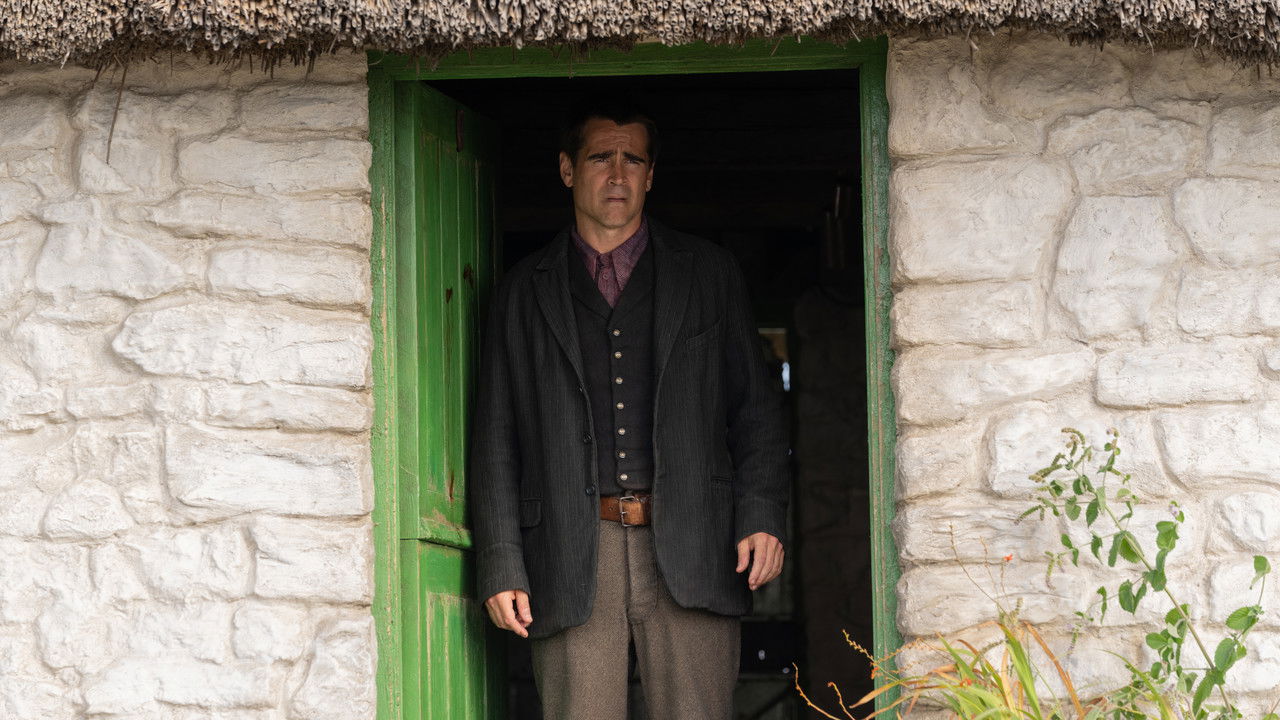
The heart of the movie is the "nice vs. great" debate. Colm is terrified of his own mortality; he wants to compose music that lasts, while Pádraic is content to chat about what his pony found in its stool that morning. Brendan Gleeson plays Colm with a stony, tragic resolve, while Colin Farrell delivers a career-best performance as a man whose entire world-view is shattered by a single sentence. Watching Pádraic’s face fall is like watching a puppy realize it’s being left at the shelter.
In our current era of "main character energy" and social media performance, there is something deeply uncomfortable about Colm’s rejection. We are taught to "curate" our lives and cut out "toxic" influences, but McDonagh shows the bloody, jagged edge of that philosophy. "Niceness" is basically a participation trophy for people without personalities, or at least that’s what Colm believes. But as the conflict escalates into a series of gruesome ultimatums involving shears and fingers, you start to wonder if being "great" is worth being a monster.
The Voice of Reason and the Village Idiot
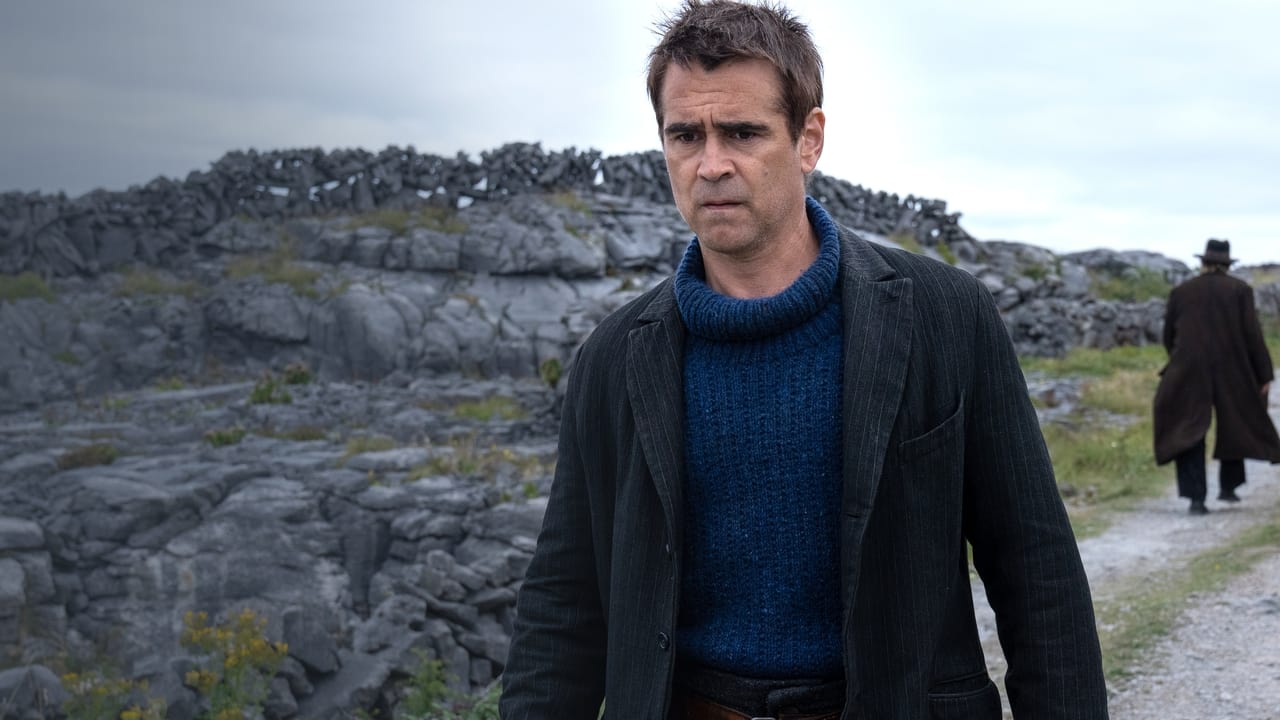
While the central duo gets the spotlight, the film belongs just as much to the supporting cast. Kerry Condon is a revelation as Siobhán, Pádraic’s sister. She is the only person on the island with a functioning brain, and her exhaustion with the petty masculine feuds is palpable. Then there’s Barry Keoghan, playing the local "omadhaun" Dominic. Keoghan has a way of making you want to laugh and weep simultaneously; his attempt at a romantic overture toward Siobhán is one of the most painfully awkward things I’ve ever seen on screen.
Visually, the film is a postcard from purgatory. Cinematographer Ben Davis captures the Irish coast with such vividness that you can almost smell the salt and the peat smoke. The contrast between the lush, saturated greens of the island and the dark, violent cannons firing on the mainland (a nod to the ongoing Irish Civil War) creates a sense of dread that never quite leaves you. It’s a comedy, sure, but the kind where you laugh because the alternative is screaming.
Stuff You Didn't Notice
One of the most fascinating things about the production is the animal work. Jenny the Donkey is the emotional anchor of the entire decade, and I say that with zero hyperbole. Martin McDonagh actually had a difficult time on set because the animals—specifically Jenny and the dog—were often more professional than the humans, though Farrell apparently grew so attached to the donkey that he was genuinely heartbroken when she wasn't on set.
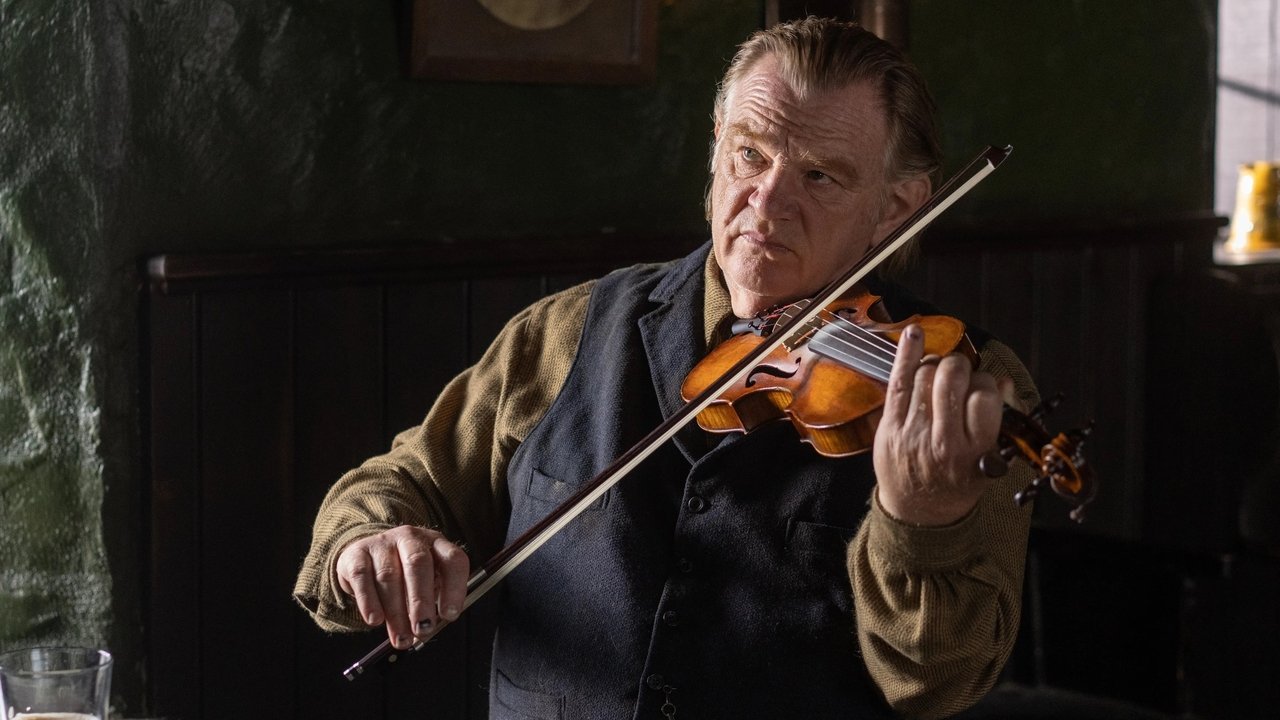
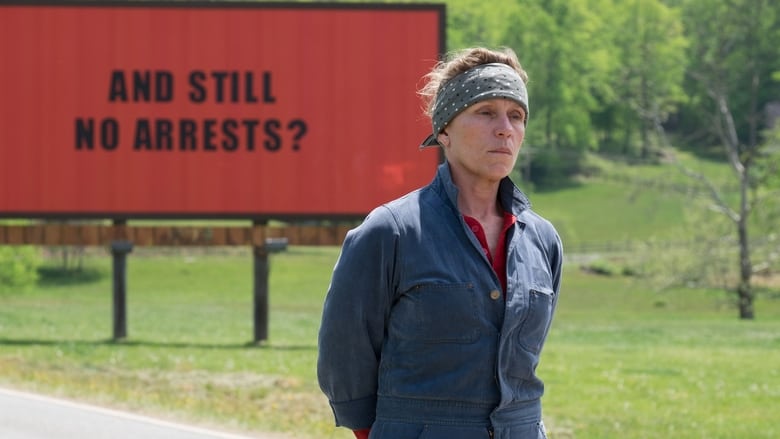
For those of us who have followed the "McDonagh-verse" since the mid-2000s, this felt like a long-awaited reunion. The script had actually been written years ago, but McDonagh sat on it because he felt it wasn't quite right. It was only after the success of Three Billboards Outside Ebbing, Missouri that he returned to this intimate, weird little Irish story. It’s also worth noting that the "fingers" used in the film were high-end practical prosthetics; Gleeson had to spend hours with his hand rigged to look like a bloody stump, which probably helped maintain that grumpy, stoic expression.
The Banshees of Inisherin is a rare feat in contemporary cinema: a prestige drama that feels like a folklore myth and a dark sitcom all at once. It captures the specific, localized madness of isolation while speaking to the universal fear that we might just be ordinary. It’s a film that stays with you, much like the itch of a wool sweater or the memory of a friend who stopped calling. If you haven't seen it, grab a pint, find a quiet corner, and prepare to feel very, very sad about a miniature donkey.
Final Thoughts
This isn't just a movie about a guy who won't talk to his buddy; it's a look at the heavy cost of trying to be remembered. It manages to be hilarious in one frame and devastating in the next without ever feeling like it's trying too hard. Whether you're here for the In Bruges reunion or just the scenery, you'll leave thinking about your own "dullness" and whether you’d keep your fingers for it.
Keep Exploring...
-
In Bruges
2008
-
T2 Trainspotting
2017
-
Saltburn
2023
-
I, Tonya
2017
-
Lady Bird
2017
-
BlacKkKlansman
2018
-
The Favourite
2018
-
The Sisters Brothers
2018
-
Licorice Pizza
2021
-
The French Dispatch of the Liberty, Kansas Evening Sun
2021
-
Hustle
2022
-

Anora
2024
-
Seven Psychopaths
2012
-
Three Billboards Outside Ebbing, Missouri
2017
-
American Made
2017
-
Cars 3
2017
-
The Ballad of Buster Scruggs
2018
-
Vice
2018
-
I Care a Lot
2021
-

To All the Boys: Always and Forever
2021