The Black Phone
"The dead are your only lifeline."
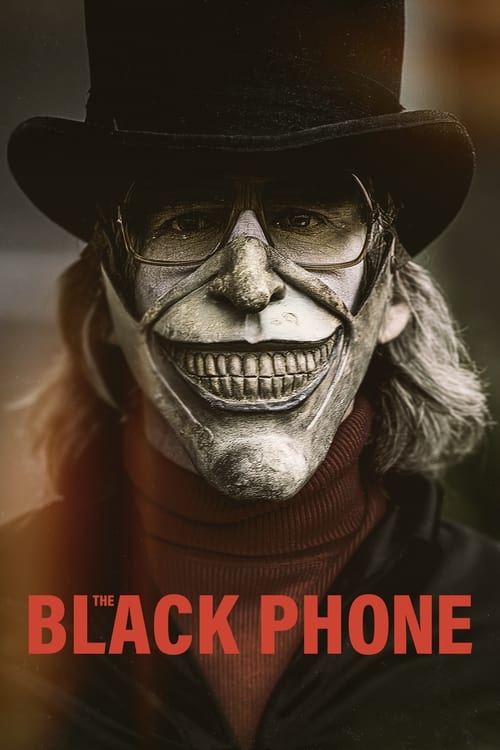
The 1978 North Denver of Scott Derrickson’s The Black Phone isn't the sun-drenched, nostalgic playground of typical coming-of-age cinema. It is a bruised, grit-under-the-fingernails landscape where the threat of a schoolyard beating is only slightly less terrifying than the black van prowling the neighborhood. I watched this while sitting on a sofa that has one spring poking my left hip, and the physical discomfort actually helped me stay in the headspace of a kid trapped in a concrete box. This is a film that breathes through its atmosphere, trading in the cheap thrills of a modern jump-scare factory for a sustained, heavy dread that lingers long after the credits roll.
The Contemporary Theatrical Savior
In an era where streaming dominates and mid-budget movies often vanish into the digital ether, The Black Phone represents a significant win for the theatrical experience. Released in the wake of the pandemic’s disruptions, it became a massive box-office phenomenon, raking in over $161 million on a lean $18 million budget. This wasn't just a win for Blumhouse; it was a reminder that audiences still crave original, high-stakes storytelling that doesn't require a ten-movie homework assignment to understand.
While Scott Derrickson previously dipped his toes into the Marvel Cinematic Universe with Doctor Strange (2016), his return to horror—reuniting with co-writer C. Robert Cargill and actor Ethan Hawke—feels like a homecoming. They previously collaborated on Sinister (2012), but where that film leaned into supernatural nihilism, The Black Phone finds its power in human resilience. It occupies a unique space in contemporary horror, successfully bridging the gap between a prestige "A24-style" character study and a populist blockbuster that actually knows how to make a crowd jump.
Masks, Monsters, and Midnight Calls
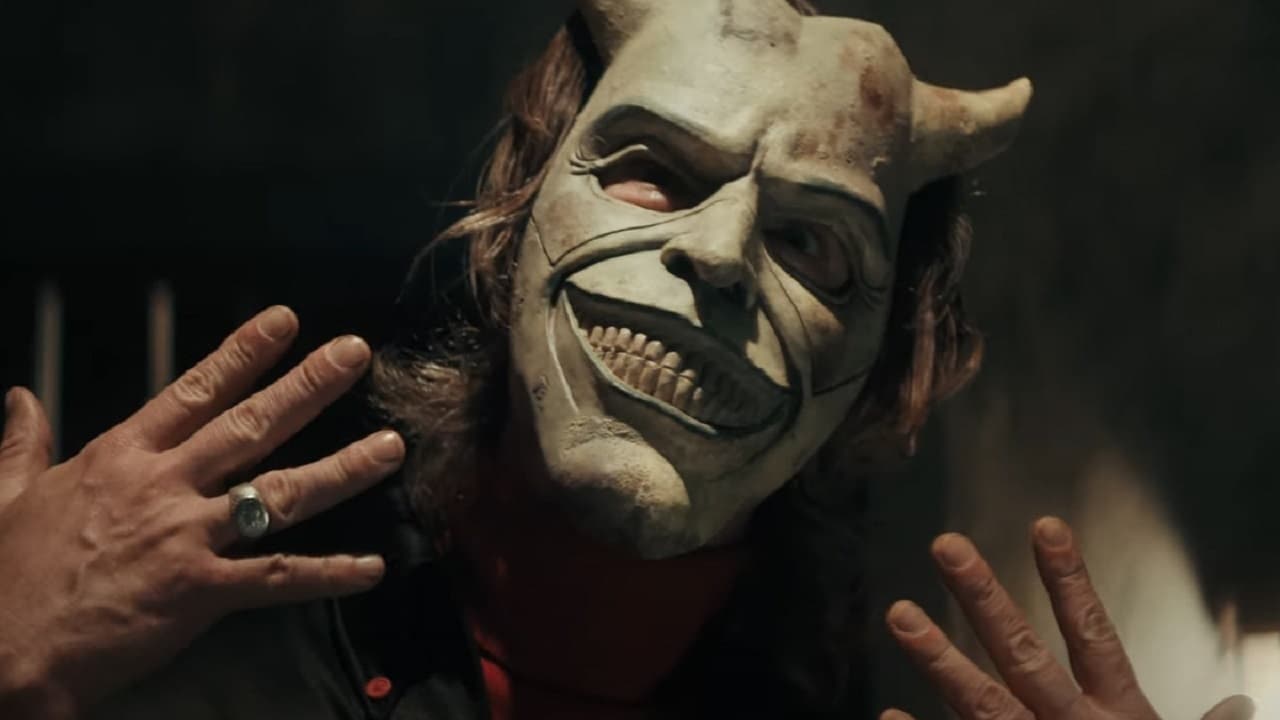
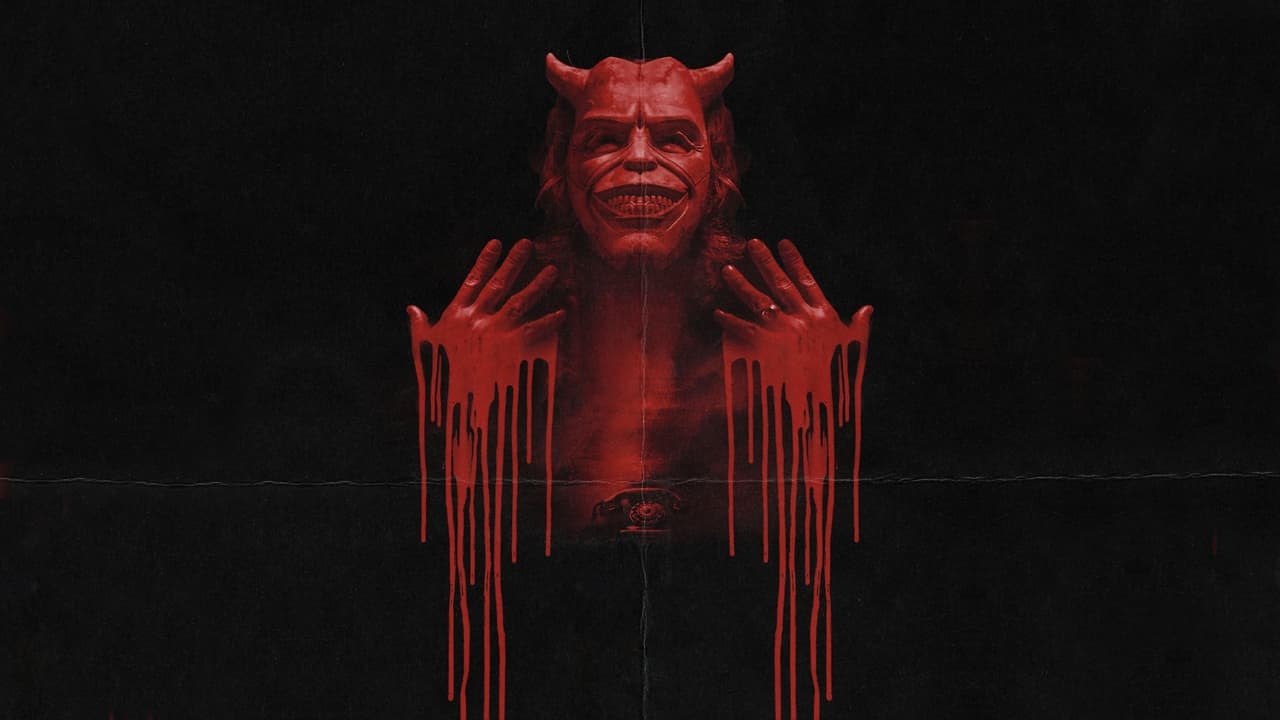
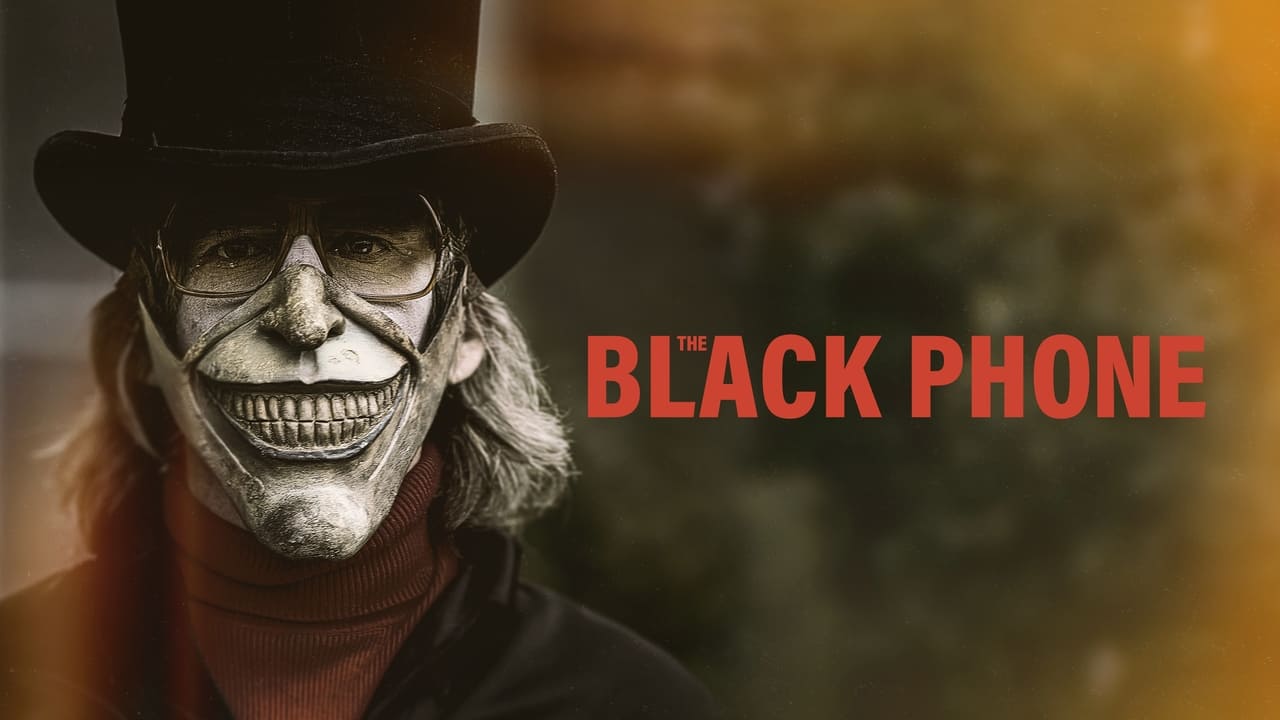
The physical heart of the film’s terror is Ethan Hawke as "The Grabber." It is a brave, ego-free performance, as Hawke spends nearly the entire runtime behind a series of terrifying, interchangeable masks designed by legendary effects artist Tom Savini (the man behind the gore in Dawn of the Dead and Friday the 13th). These masks, with their detachable mouthpieces—shifting from a demonic grin to a melancholic frown—allow the Grabber to project his fractured psyche without ever showing his full face. It's a masterclass in using limited tools to create maximum unease.
Opposite Hawke, Mason Thames delivers a remarkably grounded performance as Finney. He is a shy, clever kid who isn’t a "movie hero" by choice, but by necessity. However, the real breakout is Madeleine McGraw as his sister, Gwen. In a film that is unflinchingly dark—dealing with child abduction and domestic abuse—Gwen provides the necessary soul. Her foul-mouthed prayers and fierce loyalty to her brother prevent the movie from sinking into pure misery. Jeremy Davies, playing their troubled father Terrence, adds another layer of grim reality; the violence inside the home is often just as frightening as the monster outside of it.
The Craft of the Ghostly Connection
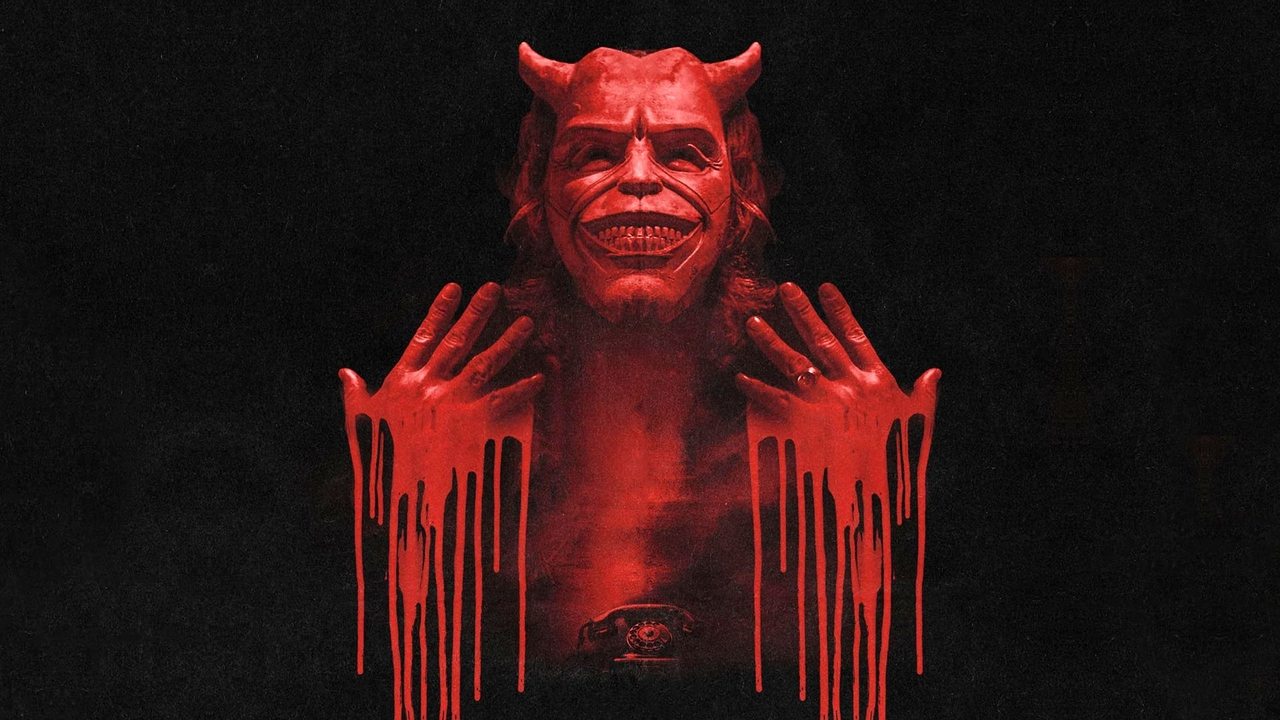
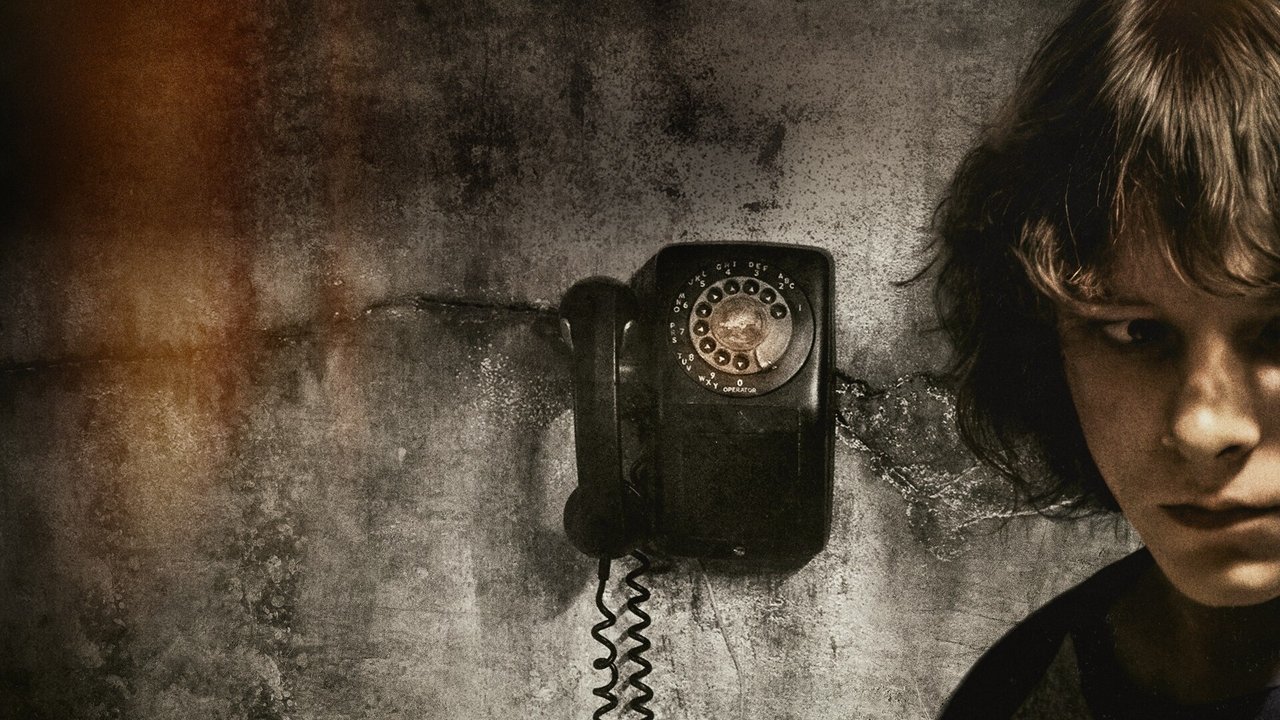
The central conceit—a disconnected phone that allows Finney to communicate with the Grabber’s previous victims—could have easily felt like a gimmick. Instead, the sound design by the team at Blumhouse treats these calls with a chilling, lo-fi quality. There is a weight to the silence in that basement. When the phone rings, it’s not just a plot device; it’s a terrifying intrusion of the afterlife into a very physical prison.
The film is based on a short story by Joe Hill (the son of Stephen King), and it carries that familiar King-esque DNA: the intersection of childhood trauma and the supernatural. Yet, Derrickson avoids the "instant classic" trap by keeping the focus tight. The production was a triumph of low-budget ingenuity, filming primarily in Wilmington, North Carolina, and using a "Super 8" aesthetic for Gwen’s dream sequences that gives the film a grainy, found-footage texture. It feels like a relic from the era it depicts, a dirty Polaroid found in a gutter, and that tactile quality is exactly what makes the horror feel so personal.
The Black Phone is a rare breed of modern horror that respects its audience’s intelligence while ruthlessly squeezing their nerves. It manages to be a crowd-pleasing blockbuster without sacrificing its grim, intense core. By focusing on the strength of its young leads rather than just the cruelty of its villain, Derrickson creates something that feels both timely and timeless. If you’re looking for a film that captures the current cultural anxiety through a lens of 70s grit, pick up the phone. Just don't expect a friendly voice on the other end.
Keep Exploring...
-
It
2017
-
Split
2017
-
The Conjuring: The Devil Made Me Do It
2021
-
Five Nights at Freddy's
2023
-
The Exorcism of Emily Rose
2005
-
Get Out
2017
-
The Invisible Man
2020
-
A Quiet Place Part II
2021
-
Sinners
2025
-
The Gorge
2025
-
Don't Breathe
2016
-

The House That Jack Built
2018
-
Hereditary
2018
-
Don't Breathe 2
2021
-
The Menu
2022
-
Speak No Evil
2024
-
Companion
2025
-

Sinister
2012
-
It Chapter Two
2019
-

Halloween
2018