The Fabelmans
"The lens doesn't just capture; it reveals."
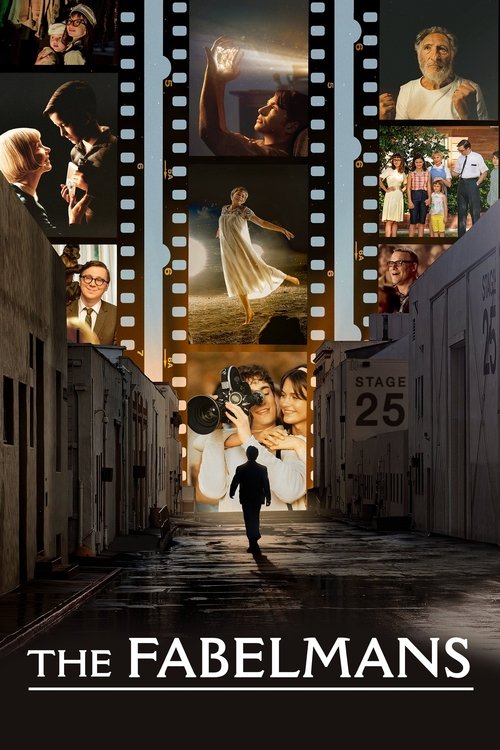
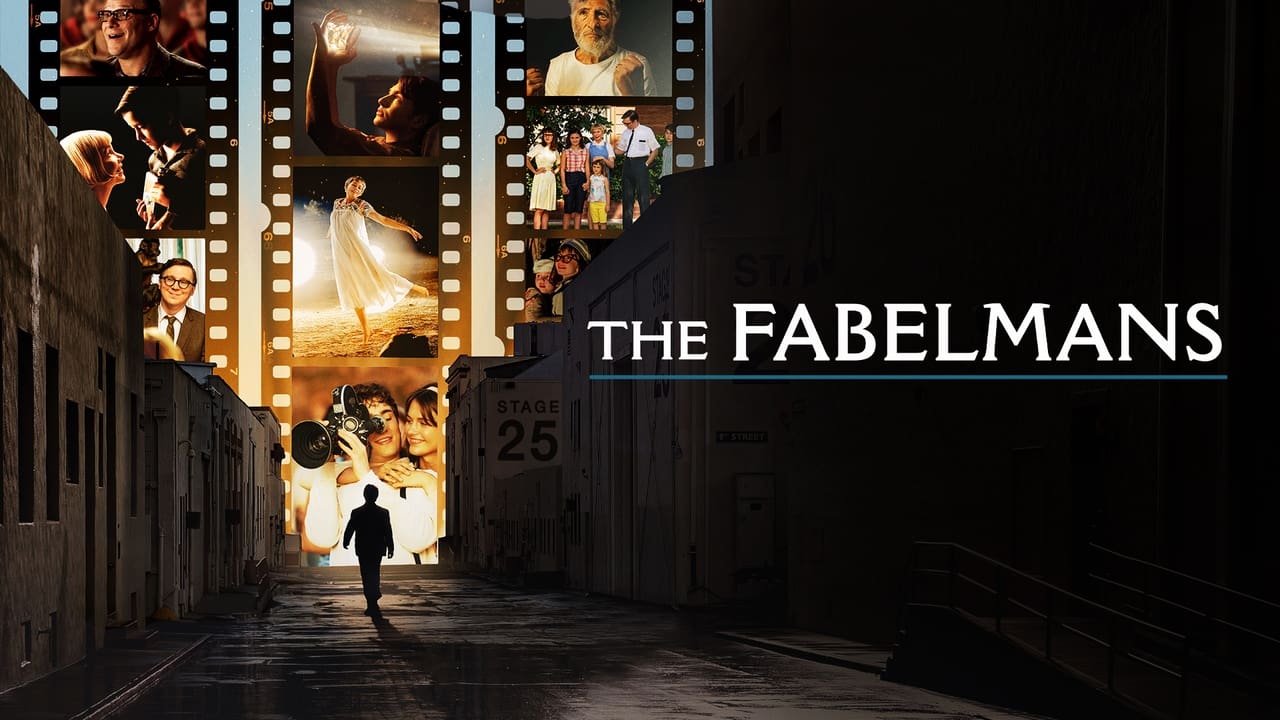
There’s a specific kind of magic trick Steven Spielberg has been pulling on us for fifty years, and in The Fabelmans, he finally shows us the false bottom in the trunk. For decades, we’ve watched his broken families and father-son reconciliations through the safety of sci-fi spectacles or historical epics. But here, in the twilight of his career, the most successful director in history decided to stop hiding behind the sharks and the aliens. He turned the camera on his own childhood, and the result isn't the rosy-eyed nostalgia trip you might expect. It’s a haunting, slightly uncomfortable, and deeply philosophical look at how art can be both a sanctuary and a weapon.
I watched this on a Tuesday night while my neighbor was loudly practicing the tuba, which oddly complemented the orchestral swells of John Williams’ score. It felt right—life is messy and noisy, and here was a film trying to find the melody within the discord of a dissolving family.
The Ghost in the Editing Room
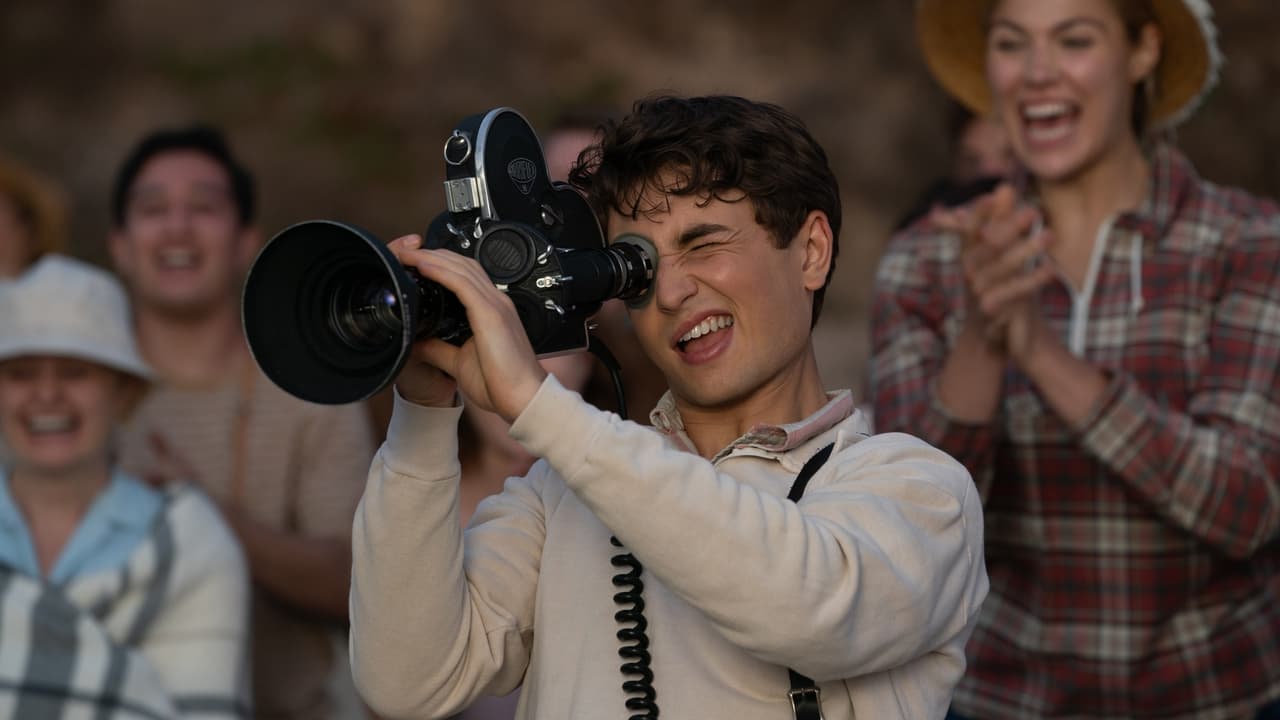
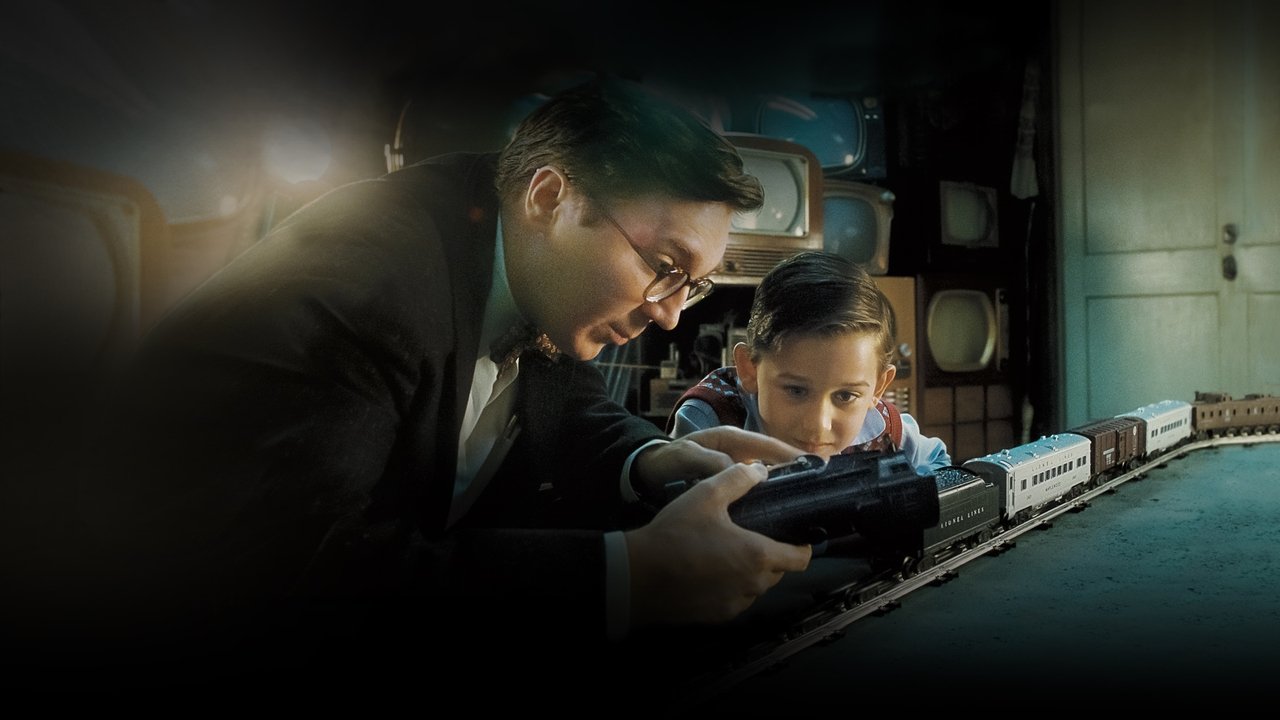
The heart of the film isn't just "loving movies"; it's the terrifying power of seeing too much. Gabriel LaBelle plays Sammy Fabelman with a twitchy, observant energy that feels like a blueprint for the man he would become. The turning point isn't a big explosion; it’s Sammy sitting at a small editing desk, cranking a handle, and seeing his mother, Mitzi (Michelle Williams), in the background of a camping trip film.
In this moment, Spielberg asks a heavy question: What do we owe the truth versus what do we owe the people we love? Sammy discovers a shattering family secret—a "shmutz" on the lens of his perfect life—simply because he looked closer than anyone else. It’s a gut-punch for anyone who has ever used a hobby to escape reality, only to find that their art has dragged them right back into the center of it. Michelle Williams delivers a performance that is basically a high-wire act; she’s flighty, artistic, and deeply frustrated, while Paul Dano provides the heartbreaking counterweight as Burt, the practical, scientific father who views his son’s passion as a "hobby."
A Masterclass in Human Friction
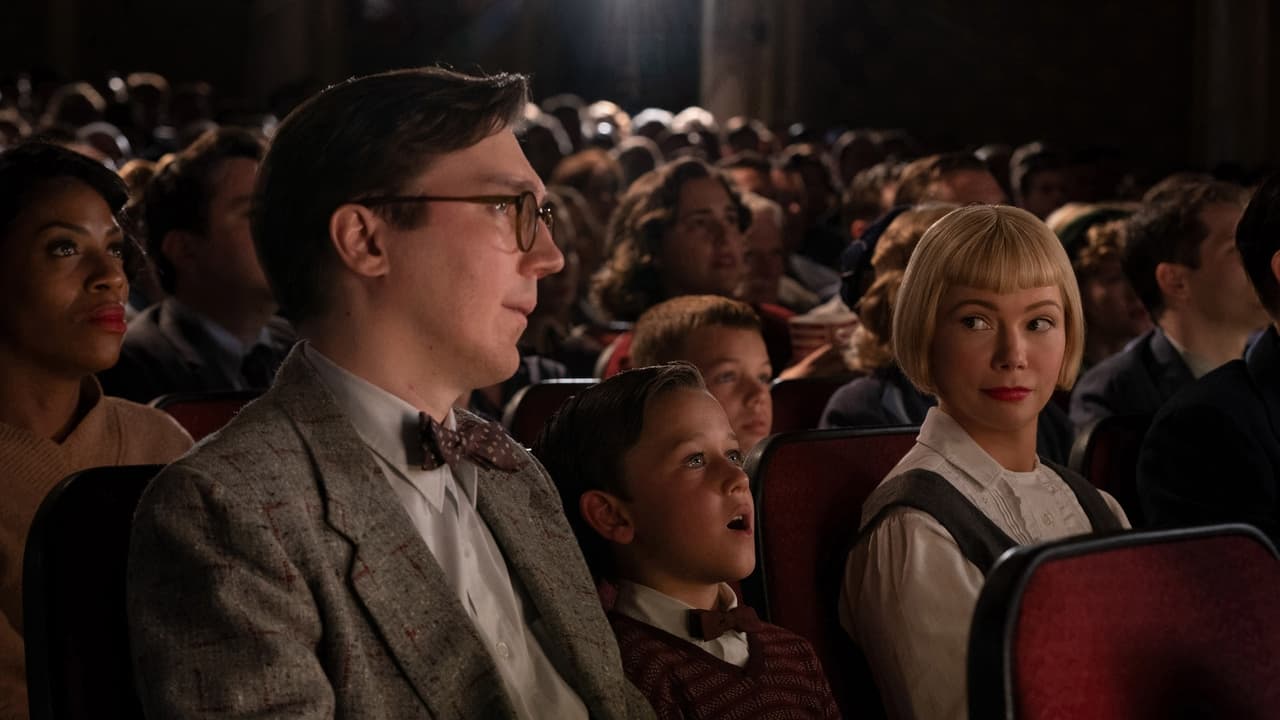
In an era of cinema dominated by Multiverses and "IP-driven decisions," The Fabelmans feels like a radical act of intimacy. It’s a drama that breathes. Spielberg and co-writer Tony Kushner (who also penned Lincoln and West Side Story) don't give us easy villains. Even Seth Rogen, playing the "honorary uncle" Benny, is treated with a surprising amount of grace. He’s the source of the family’s fracture, yet the film allows him to be a person rather than a plot device.
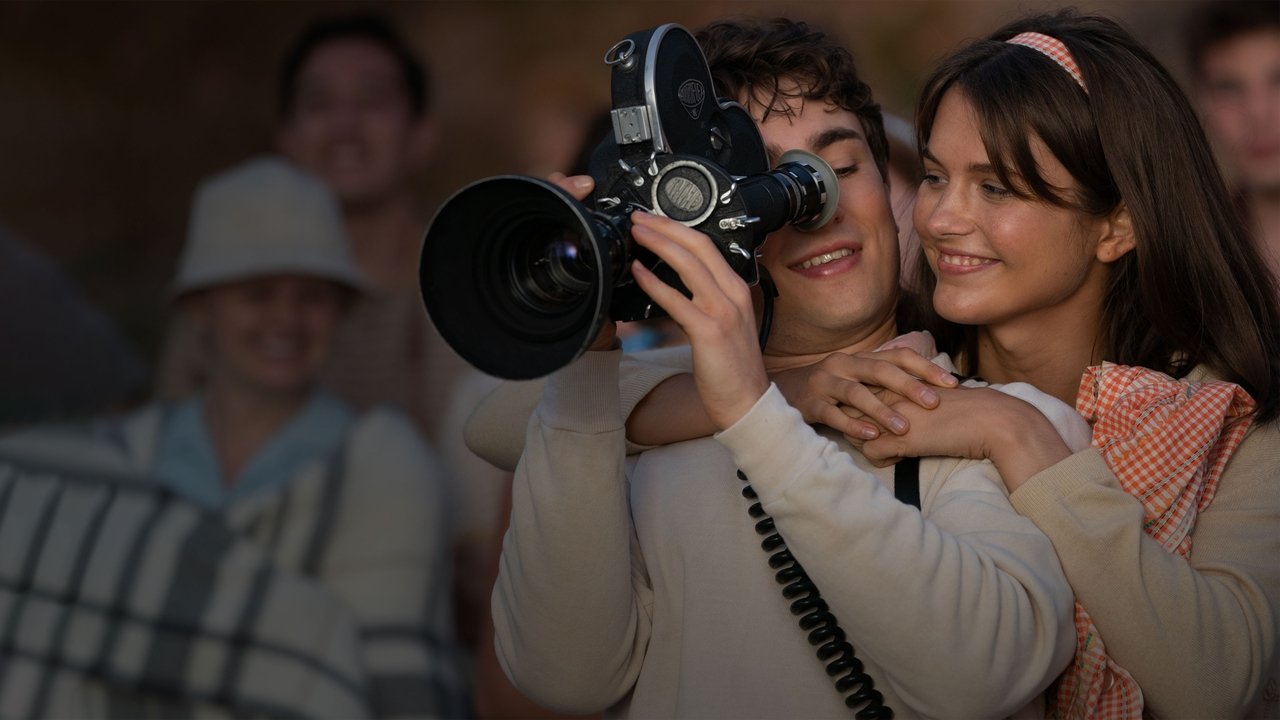
The technical craft is, as expected, flawless. Janusz Kamiński, Spielberg’s long-time cinematographer, ditches the grainy, bleached-out look he’s favored recently for something that feels like a warm, fading memory. But the film also digs into the "dark side" of the craft. When Sammy gets bullied in high school, he doesn't fight back with his fists; he uses his camera to turn his tormentor into a golden-god-myth on screen, a move that psychologically dismantles the bully more than a punch ever could. It’s a brilliant, cynical observation about how directors manipulate reality to suit their narrative.
The Legend and the Horizon
The production of The Fabelmans is littered with the kind of trivia that makes film nerds' hearts skip a beat. Apparently, the production designers spent weeks recreating the exact houses Spielberg grew up in, down to the placement of the knick-knacks. Michelle Williams actually wore jewelry that belonged to Spielberg’s real mother, Leah. It wasn't just a movie set; it was an exorcism.
Speaking of legends, the film ends with perhaps the greatest cameo in modern cinema. David Lynch shows up as the legendary John Ford for a two-minute scene that should be mandatory viewing in every film school. Fun fact: Lynch initially turned down the role, only agreeing to do it if the crew provided him with a constant supply of Cheetos on set. That kind of eccentricity is the perfect capstone to a film about the weird, obsessive, and sometimes lonely world of creators.
Interestingly, while the film was a critical darling, it struggled at the box office, earning just over its $40 million budget. In our current "streaming era impact" world, a quiet, 151-minute drama about a Jewish family in the 50s is a hard sell compared to the latest MCU entry. But box office is a poor metric for legacy. This is a film that will be studied as long as people are interested in why we tell stories.
The Fabelmans is a staggering piece of self-reflection. It manages to be cerebral without being cold, and emotional without being manipulative. It’s Spielberg admitting that his greatest gift—the ability to see the world through a lens—was also the thing that isolated him from the people he loved most. If you’ve ever felt like an outsider looking in, or if you’ve ever found more truth in a flickering screen than in your own living room, this movie is a mirror you can't afford to ignore. It’s a reminder that while the horizon might be at the top or the bottom, the most important thing is simply having the courage to keep filming.
Keep Exploring...
-
West Side Story
2021
-
Beautiful Boy
2018
-
Instant Family
2018
-
Roma
2018
-
The Trial of the Chicago 7
2020
-

CODA
2021
-
Past Lives
2023
-
The Holdovers
2023
-
The Post
2017
-

Bridge of Spies
2015
-
Loving Vincent
2017
-
Marriage Story
2019
-
Portrait of a Lady on Fire
2019
-

All the Bright Places
2020
-

Another Round
2020
-
Sound of Metal
2020
-
King Richard
2021
-
tick, tick... BOOM!
2021
-
A Man Called Otto
2022
-

The Woman King
2022