The House
"A felt-covered descent into beautifully handcrafted madness."

The first time I saw a character in The House blink, I felt a genuine shudder crawl down my spine. We’re used to stop-motion being "cute"—think Wallace & Gromit or the festive warmth of Rankin/Bass. But this Netflix original anthology uses the medium to tap into a very specific, tactile kind of dread. It’s the kind of movie that makes you want to wash your hands after watching it, not because it’s dirty, but because the textures are so vivid they practically rub off on your retinas.

I watched this while trying to peel a stubborn price sticker off a new mug, and the sheer, sticky frustration of that task felt oddly synchronized with the film’s obsession with domestic traps. This isn't just an animated movie; it’s a three-act psychological haunting that suggests your home doesn’t just shelter you—it eventually consumes you.
The Woolen Nightmare of Class Anxiety
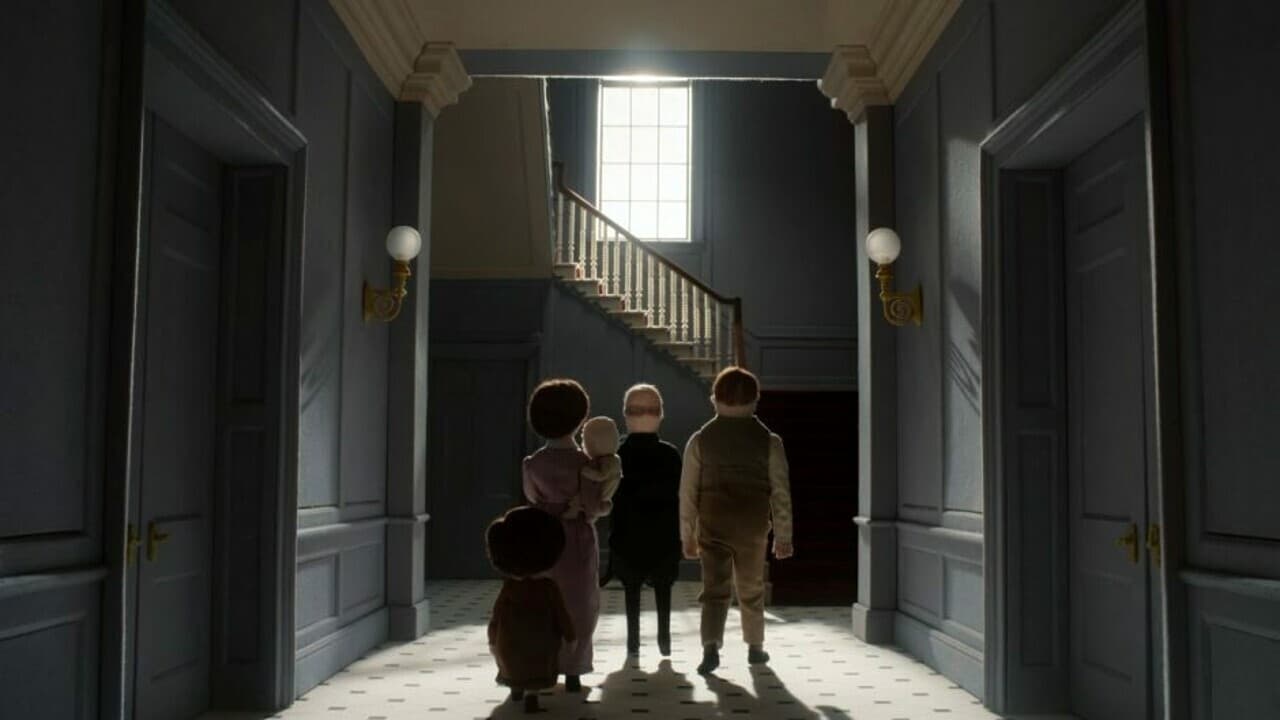
The first segment, directed by Emma De Swaef and Marc James Roels, takes us back to the 19th century. A poor family is lured into a suspiciously grand mansion by a mysterious architect. Mia Goth (becoming the undisputed queen of modern "unsettling" cinema) voices Mabel, the eldest daughter who realizes things are wrong long before her parents do. Her father, voiced by Matthew Goode, is so blinded by the desire for status that he doesn't mind when the stairs disappear or the lights fail.
The genius here is the material. The characters are made of needle-felted wool. They look soft, yet their tiny, bead-like eyes are cold and unblinking. It’s a masterclass in the "uncanny valley." When the parents literally start turning into furniture to match the house’s decor, it’s a terrifyingly literal take on the "keeping up with the Joneses" mentality. I’ve seen plenty of haunted house jump-scares, but watching a man slowly transform into a velvet-covered chair is a brand of horror that stays with you much longer.
Easy to Clean, Hard to Watch
We then fast-forward to the modern day—or a version of it populated by bipedal rats. Directed by Niki Lindroth von Bahr, this middle chapter is a bleakly hilarious satire of the "hustle culture" and property-flipping craze that has dominated our social media feeds for the last decade. A nameless developer is trying to sell a high-tech "smart home" while battling a beetle infestation.
This segment contains what I can confidently call the most deeply cursed musical number in the history of streaming. Without spoiling too much, it involves a synchronized dance by giant, larvae-like creatures that left me questioning my life choices. The horror here isn't supernatural; it’s the horror of being broke, alone, and surrounded by "luxury" finishes that are falling apart. It’s the perfect movie for the "renter generation"—a generation that knows all too well that a fresh coat of grey paint can’t hide the rot underneath.
The developer rat’s descent into madness is portrayed with such pathetic, awkward comedy that you don't know whether to laugh or call a therapist. It feels like a Pixar movie directed by David Lynch after a week-long bender.
Finding Zen in the Apocalypse
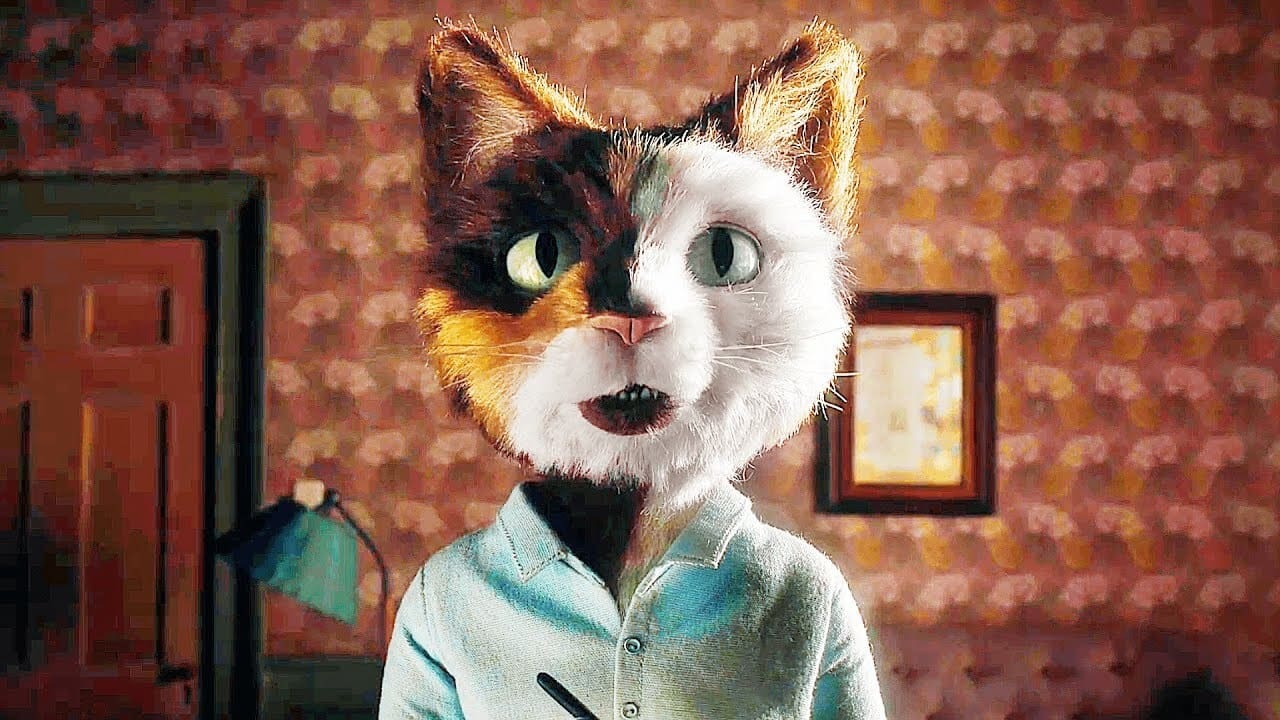
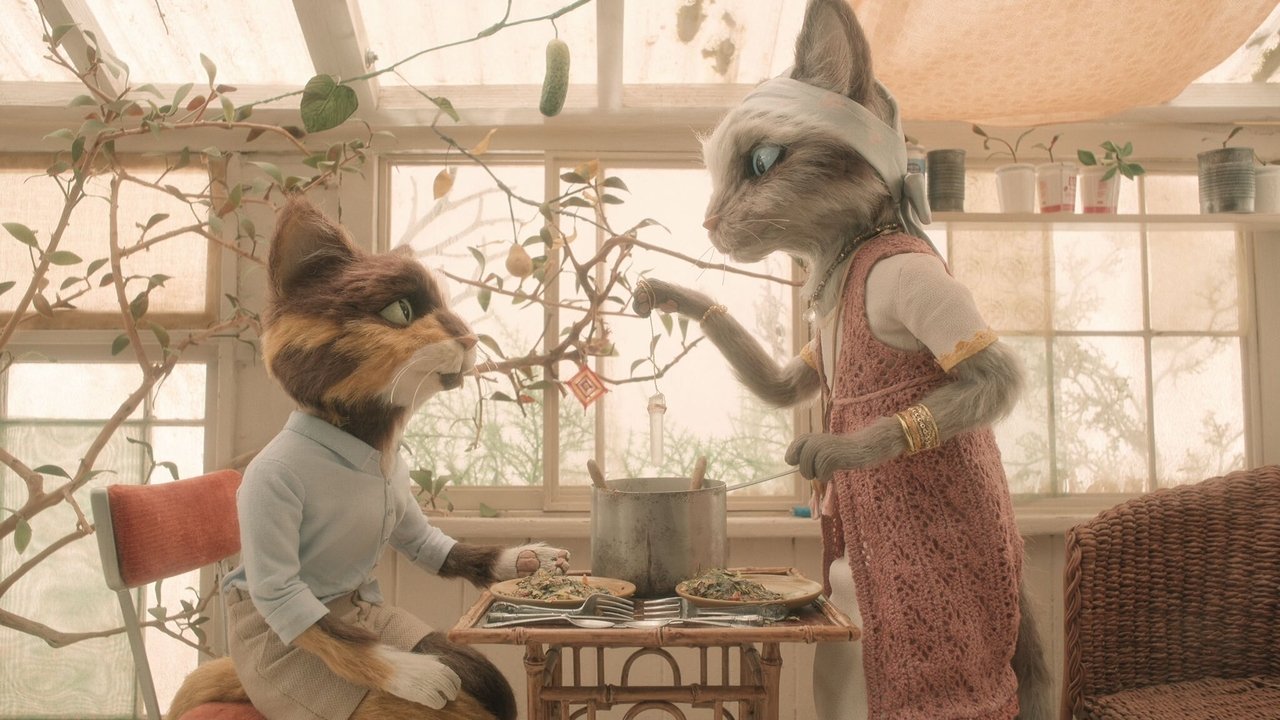
The final story, directed by Paloma Baeza, shifts the tone entirely. We’re in a flooded, post-apocalyptic world where cats are the primary inhabitants. Rosa (voiced by Susan Wokoma) is a landlady stubbornly trying to renovate her crumbling house while the water rises around her. Her tenants, including a wonderfully spacey character voiced by Helena Bonham Carter, are more interested in "vibes" and "energy" than paying rent.
After two hours of claustrophobia and "felt" horror, this ending is a surprising breath of fresh air. It tackles climate anxiety—a very 2020s preoccupation—but offers a weirdly optimistic solution: let go. In an era where we’re constantly told to hoard resources and protect our "investments," seeing a house literally sail away is a radical, beautiful image.
Apparently, the production at Nexus Studios involved thousands of hours of painstaking hand-crafting, and you can see every needle mark. In the age of CGI sludge, there is something deeply rebellious about a film that relies on the physical labor of moving puppets frame by frame. It makes the "Contemporary" era of film feel human again.
Stuff You Didn't Notice
- Tactile Terror: The felt used for the first segment’s characters was specifically chosen because it catches the light in a way that looks like "living" skin, which is exactly why it looks so creepy. - The Enda Walsh Touch: The script was written by Enda Walsh, the same playwright who worked with David Bowie on his musical Lazarus. You can feel that avant-garde, slightly "off" energy in every line of dialogue. - Sonic Dread: The score by Gustavo Santaolalla (who did the music for The Last of Us) uses sparse strings to make the house feel like it’s breathing. It’s subtle, but it’s the glue that holds these three wildly different eras together.
The House is a triumph of the streaming era—the kind of weird, high-budget risk that would never survive at the box office but finds a perfect, cult-ready home on your TV. It’s a reminder that animation isn't a genre for kids; it's a medium that can capture the specific texture of our modern nightmares. If you can handle a little bit of "felt" trauma, this is the most creative thing you'll stream all year. Just maybe don't watch it while you're alone in a creaky apartment.
Keep Exploring...
-
Justice League vs. Teen Titans
2016
-
Scooby-Doo! Return to Zombie Island
2019
-
Olaf's Frozen Adventure
2017
-
Red Shoes and the Seven Dwarfs
2019
-
The Willoughbys
2020
-
Wish Dragon
2021
-
Luck
2022
-
Nimona
2023
-
Ruby Gillman, Teenage Kraken
2023
-
Trolls Band Together
2023
-
Anomalisa
2015
-

Boruto: Naruto the Movie
2015
-
My Life as a Zucchini
2016
-
Soul
2020
-

All Dogs Go to Heaven
1989
-

A Dog's Purpose
2017
-

Cars 3
2017
-
Hotel Transylvania 3: Summer Vacation
2018
-
Frozen II
2019
-
The Addams Family
2019