The Invitation
"Old money has a very specific taste."
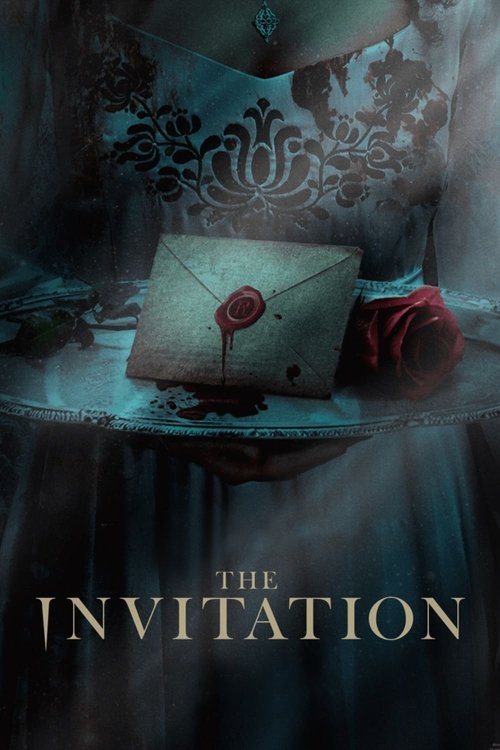
Taking a DNA test is the ultimate gamble for the modern age. You’re either hoping to find out you’re 2% Viking or praying you don’t accidentally uncover a second family your dad kept secret in New Jersey. For Evie, the protagonist of The Invitation, that little swab of saliva leads to a "long-lost" cousin and a first-class ticket to a lavish wedding in the English countryside. I watched this on my laptop while my neighbor’s car alarm went off for twenty minutes straight, which, honestly, added a nice layer of ambient anxiety that the film’s first act was desperately trying to cultivate.
A Very Modern Bloodline
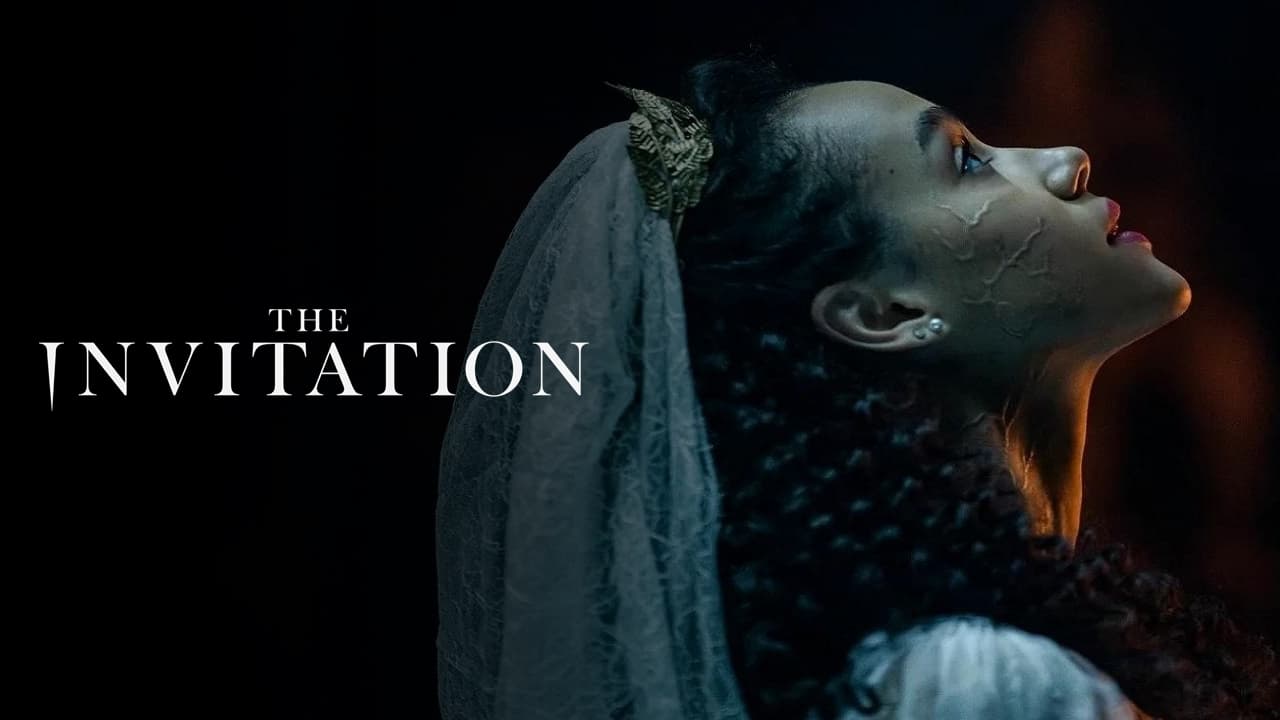
Released in 2022, The Invitation arrived at a curious moment. We were (and are) deep in the "eat the rich" cinematic cycle—think Ready or Not or The Menu—where the horror is derived as much from the wine list as it is from the weaponry. Directed by Jessica M. Thompson (The Light of the Moon), the film casts Nathalie Emmanuel as Evie, a struggling ceramicist in New York who is swept off her feet by a family she never knew she had. Emmanuel, whom most of us know from Game of Thrones or the Fast & Furious franchise, is immensely likable here. She brings a grounded, weary skepticism to the "Cinderella" setup that keeps the movie from feeling too much like a Hallmark movie with a body count.
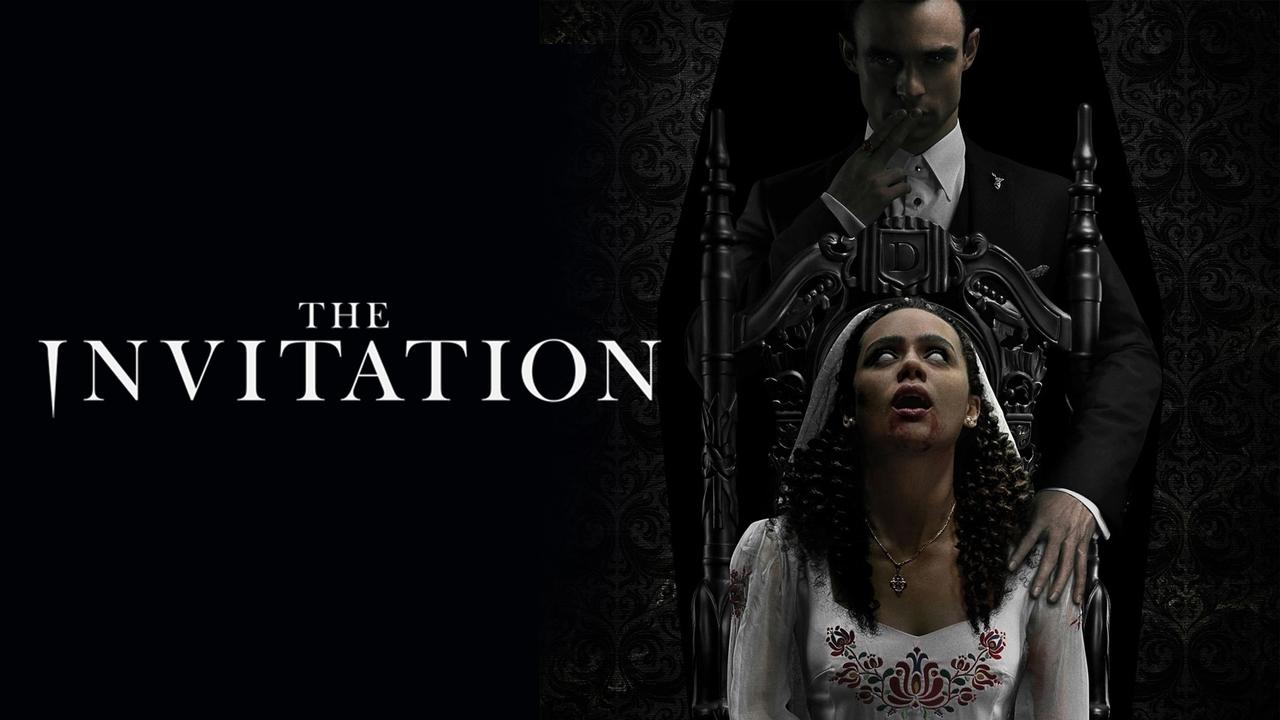
The setup is pure Gothic romance updated for the Instagram era. Evie meets her cousin Oliver (Hugh Skinner, doing his best "affable but slightly off" routine seen in Fleabag or Mamma Mia! Here We Go Again) and is soon whisked away to New Carfax Abbey. There, she meets Walter De Ville, played by Thomas Doherty with the kind of smoldering, cheekbone-heavy intensity that suggests he spent his teenage years studying the "Edward Cullen" school of brooding. It’s basically Downton Abbey if everyone was also a high-functioning sociopath.
Gothic Glamour and Red Flags
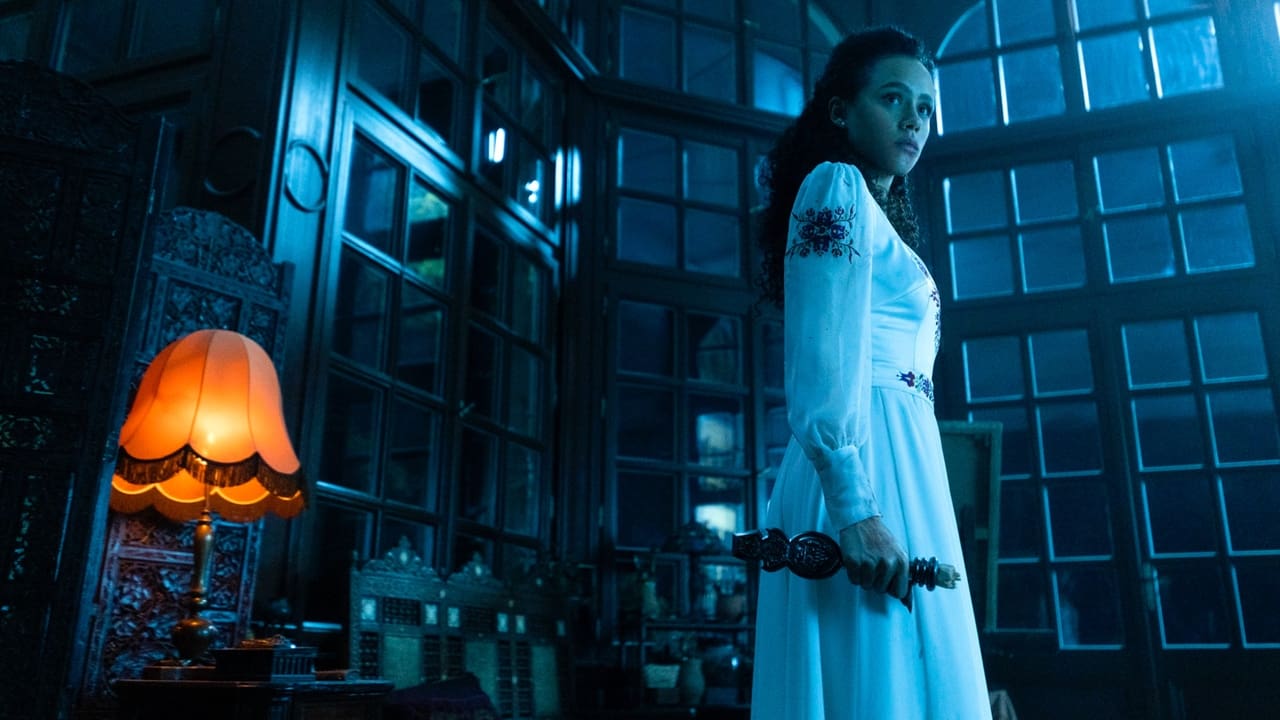
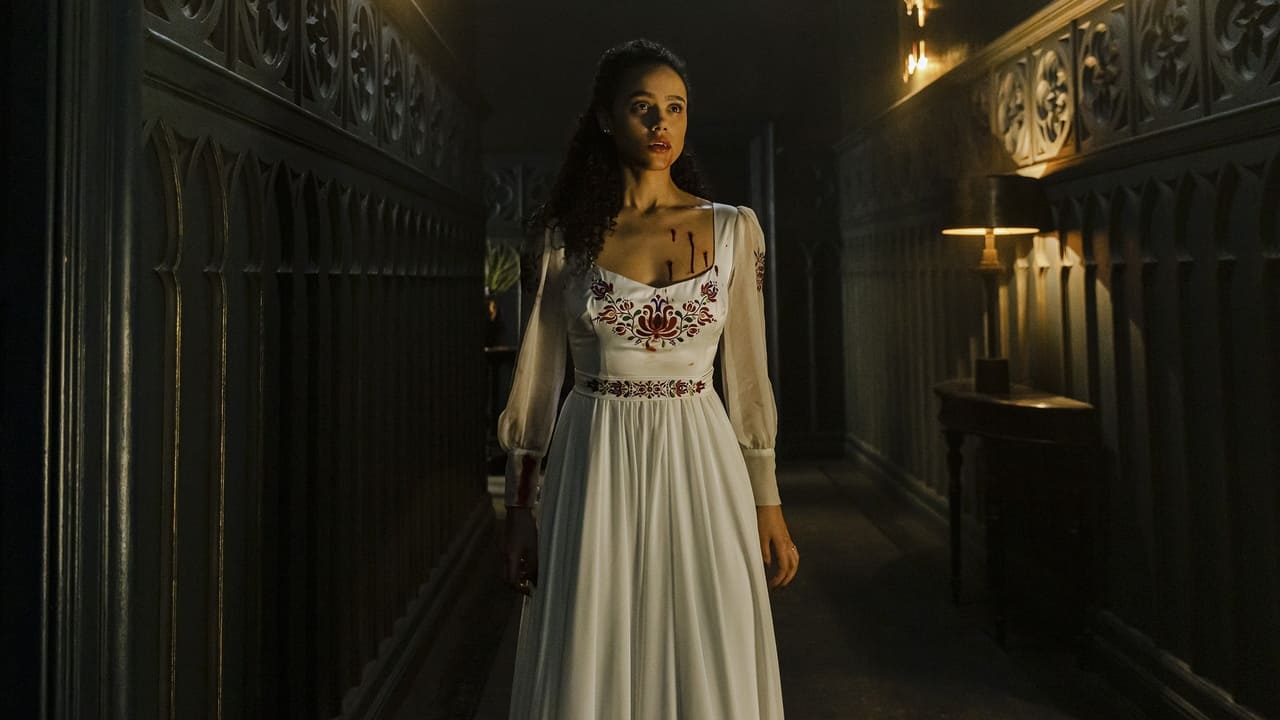
The first hour of the film is a slow-burn exercise in "gaslighting as a genre." Evie is one of the few people of color in a sea of pale, aristocratic faces, and the film doesn't shy away from the microaggressions she faces. There’s a palpable sense of dread as she moves through the house, bolstered by Autumn Eakin’s cinematography, which treats the English manor like a gilded cage. Shadows stretch long, and the color palette is heavy on the velvet reds and cold, stony grays.
However, the "slow" in slow-burn is doing a lot of heavy lifting here. If you’ve seen a single horror movie in the last thirty years, you’ll be screaming at Evie to leave about twenty minutes in. The servants are vanishing, the "maids" have weird scars on their necks, and Sean Pertwee (Gotham, Dog Soldiers) is lurking around as the world’s most ominous butler. If Sean Pertwee is your butler, you don't stay for the appetizers; you run for the nearest bus stop. I found myself shouting at the screen during the second act—not because the scares were working, but because the red flags were so bright they could be seen from space.
The Twist That Wasn't
The film was originally titled The Bride, and it’s no secret—at least it wasn't to anyone who watched the spoiler-heavy trailers—that this is a reimagining of Bram Stoker’s Dracula. Specifically, it’s an origin story for one of Dracula’s brides. Once the masks finally come off and the teeth come out, the movie shifts gears from a psychological thriller into a full-blown supernatural action flick.
The third act goes from Jane Eyre to Blade so fast it’ll give you whiplash. This is where the budget limitations (a modest $10 million) start to peek through the seams. While the production design is lush—filmed largely in Hungary to get those authentic European castle vibes for a fraction of the cost—the CGI-heavy finale feels a bit thin compared to the atmospheric dread of the first half.
Interestingly, the film’s screenplay by Blair Butler (who wrote the slasher Hell Fest) feels like it was aiming for a more subversive take on the material. There are flashes of brilliance in how it treats the "vampire as a colonialist" metaphor—literally sucking the life out of the working class and those they deem "lesser." But the movie often settles for genre tropes instead of digging its fangs into those meatier ideas. It's a "Dracula" movie for people who think Bridgerton is a bit too spicy.
Stuff You Didn't Notice
One of the more interesting behind-the-scenes details is that Jessica M. Thompson reportedly had to fight to keep the film’s focus on the female perspective, wanting to subvert the "damsel in distress" trope that usually defines these Gothic tales. There’s also the fun fact that the names in the movie are massive Easter eggs for Stoker fans: "New Carfax Abbey" is a direct nod to Carfax Abbey in the original novel, and the name "Jonathan Harker" is dropped with all the subtlety of a sledgehammer.
Despite a solid box office performance—tripling its budget—the film has largely faded into the "hidden gems" section of streaming services. It’s an oddity because it’s a high-concept studio horror film that feels like a throwback to the mid-2000s "PG-13 horror" boom, yet it tries to engage with very 2020s conversations about ancestry and wealth.
If you’re looking for a cozy, creepy night in with a film that looks expensive but doesn’t require too much mental heavy lifting, The Invitation is a solid choice. It doesn't reinvent the wheel—or the stake—but Nathalie Emmanuel is a star, and the film is just stylish enough to forgive its predictable plot beats. It’s the cinematic equivalent of a store-bought cupcake: it looks great, it’s a bit too sweet, and you’ll probably forget you ate it by tomorrow morning, but it hits the spot while it lasts.
Keep Exploring...
-
Hell Fest
2018
-
Polaroid
2019
-
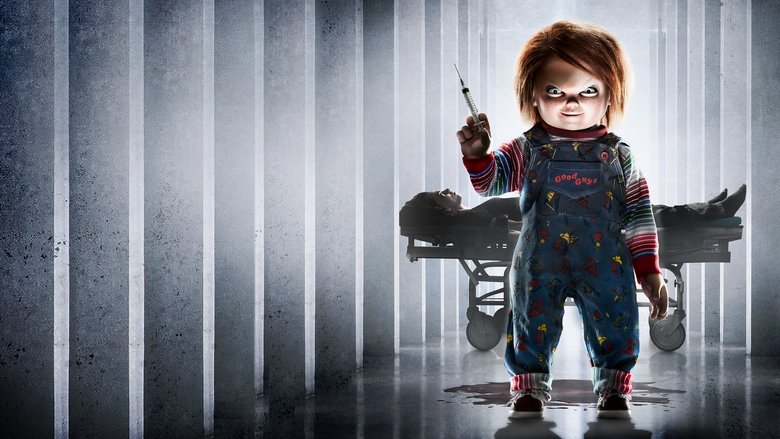
Cult of Chucky
2017
-
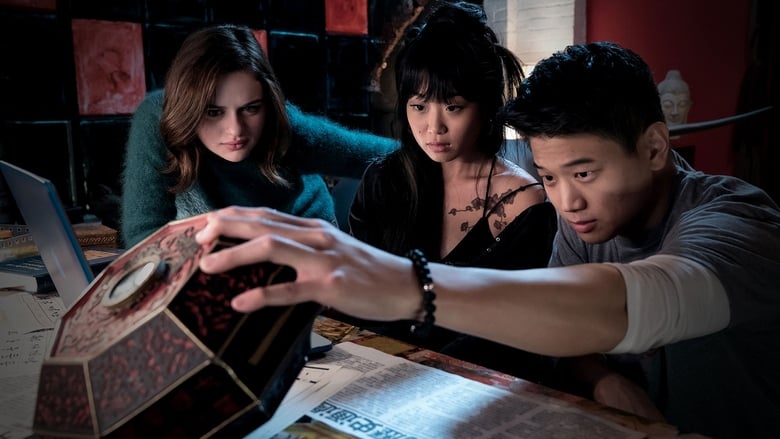
Wish Upon
2017
-
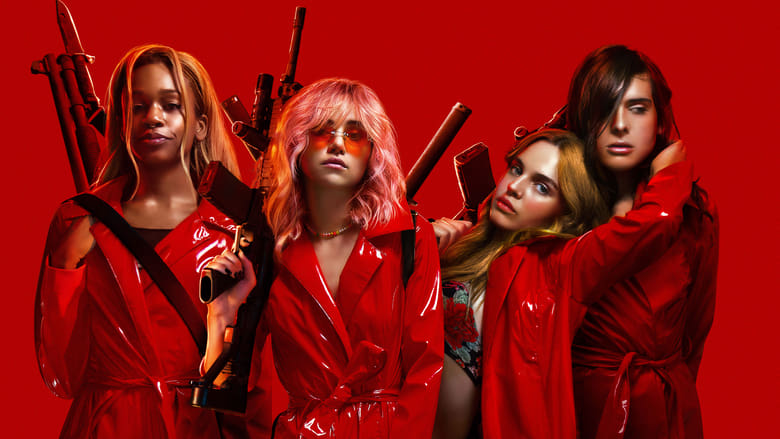
Assassination Nation
2018
-
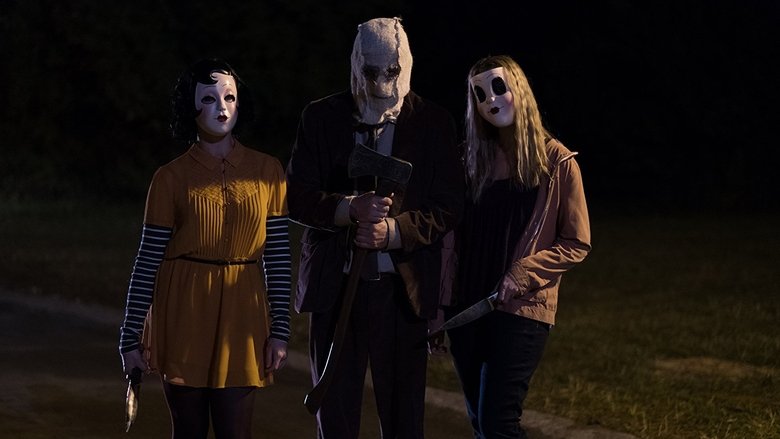
The Strangers: Prey at Night
2018
-
Haunt
2019
-
The Prodigy
2019
-
Brahms: The Boy II
2020
-
Color Out of Space
2020
-
Gretel & Hansel
2020
-
The Turning
2020
-
Willy's Wonderland
2021
-

Hellraiser
2022
-
Watcher
2022
-
Abigail
2024
-
Immaculate
2024
-
MaXXXine
2024
-
Wolf Man
2025
-

The Bar
2017