The Menu
"Don't eat. Taste. Savor. You're part of the menu."
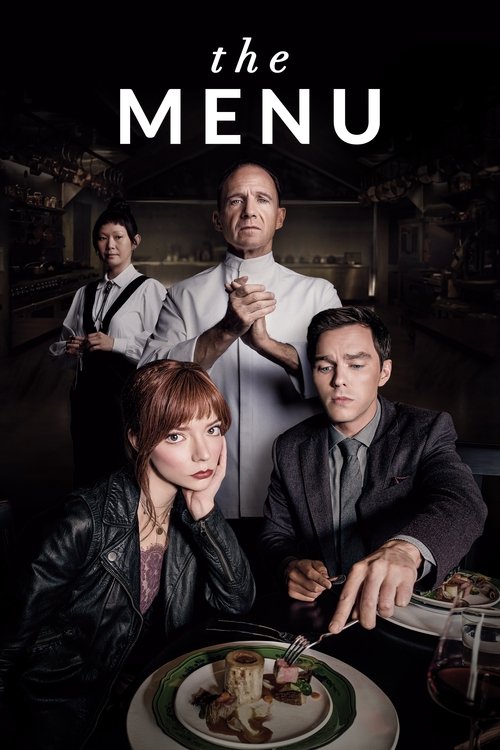
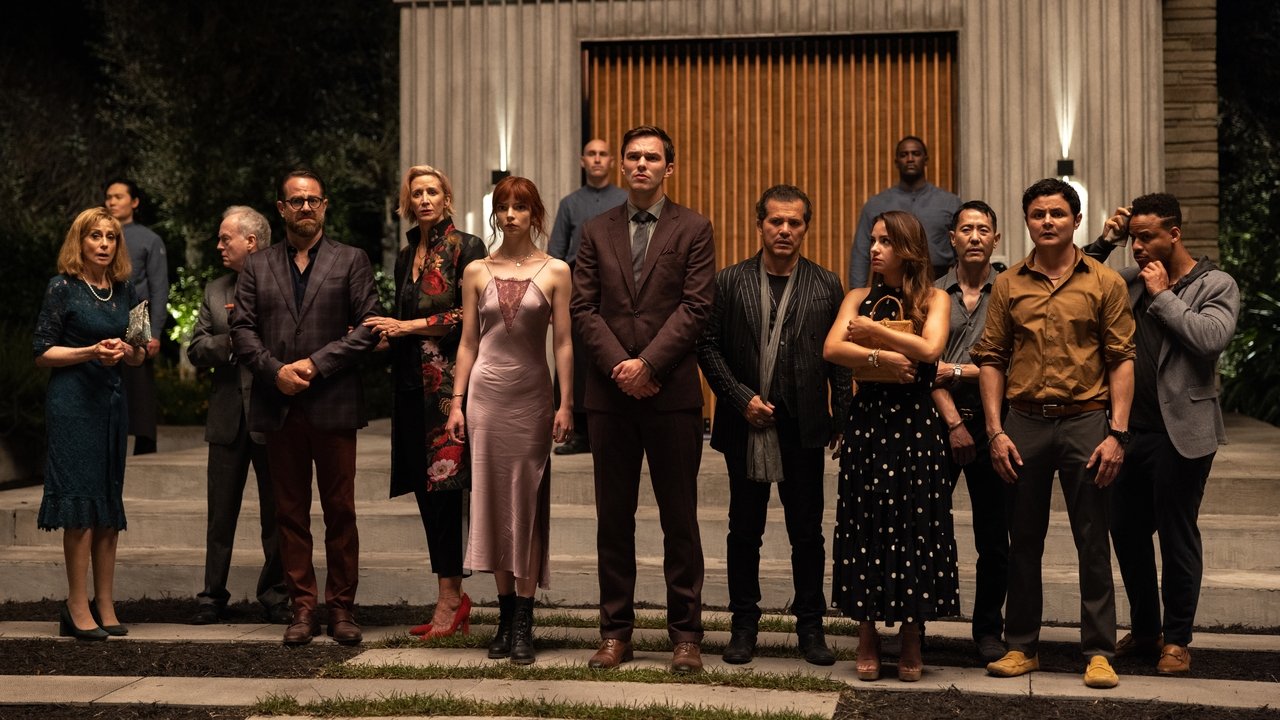
The sound of a silver spoon hitting a porcelain bowl in Hawthorne—the fictional, ultra-exclusive island restaurant in Mark Mylod's The Menu—doesn't sound like dinner. It sounds like a judge’s gavel. I watched this film on a Tuesday night while nursing a bowl of lukewarm, over-salted instant ramen, and the contrast between my soggy noodles and the film's "translucent sheets of clarified heirloom tomato" was almost as painful as the social critiques being lobbed at the screen. We are currently living in a cinematic era obsessed with "eating the rich," a trend accelerated by the staggering wealth gaps of the 2020s and the claustrophobia of the pandemic. From Parasite (2019) to Triangle of Sadness (2022), the elite are being served up as the main course, but The Menu manages to find a flavor all its own by focusing its ire on the intersection of art, pretension, and the hollow nature of modern consumption.
The Cult of the Kitchen
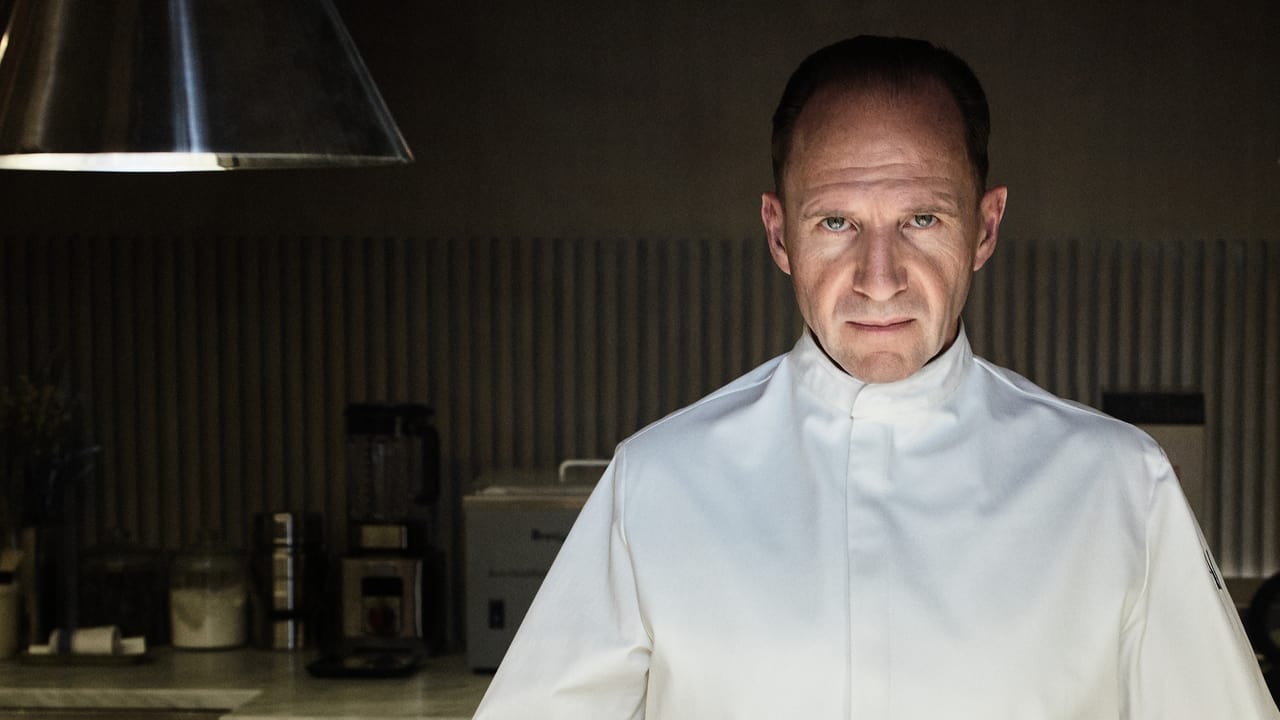
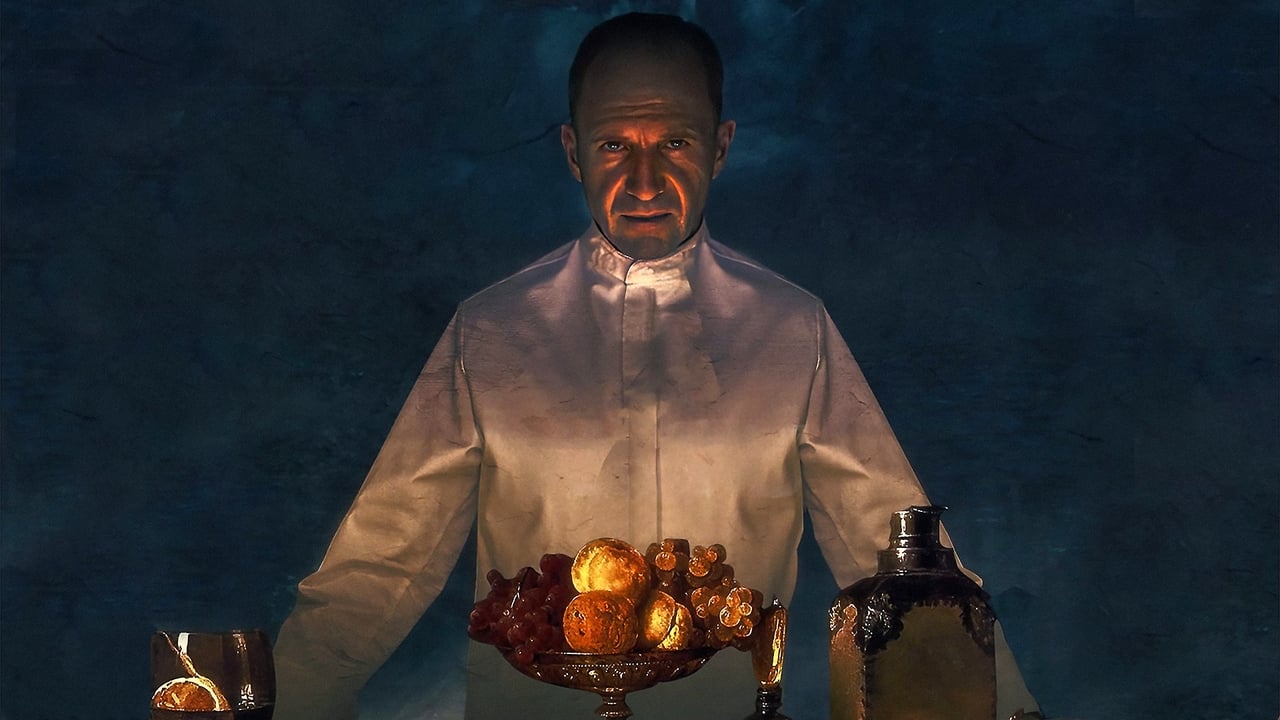
At the center of this culinary nightmare is Ralph Fiennes as Chef Slowik. Fiennes, who famously played Voldemort in the Harry Potter series and M in Skyfall, delivers a performance of terrifying, staccato precision. He doesn't just run a kitchen; he leads a cult of personality where the line cooks respond to his thunderous claps with a synchronized "Yes, Chef!" that feels more like a military drill than a service standard. I found his presence genuinely oppressive; he carries the weight of a man who has achieved the pinnacle of his craft only to realize he hates the people he serves.
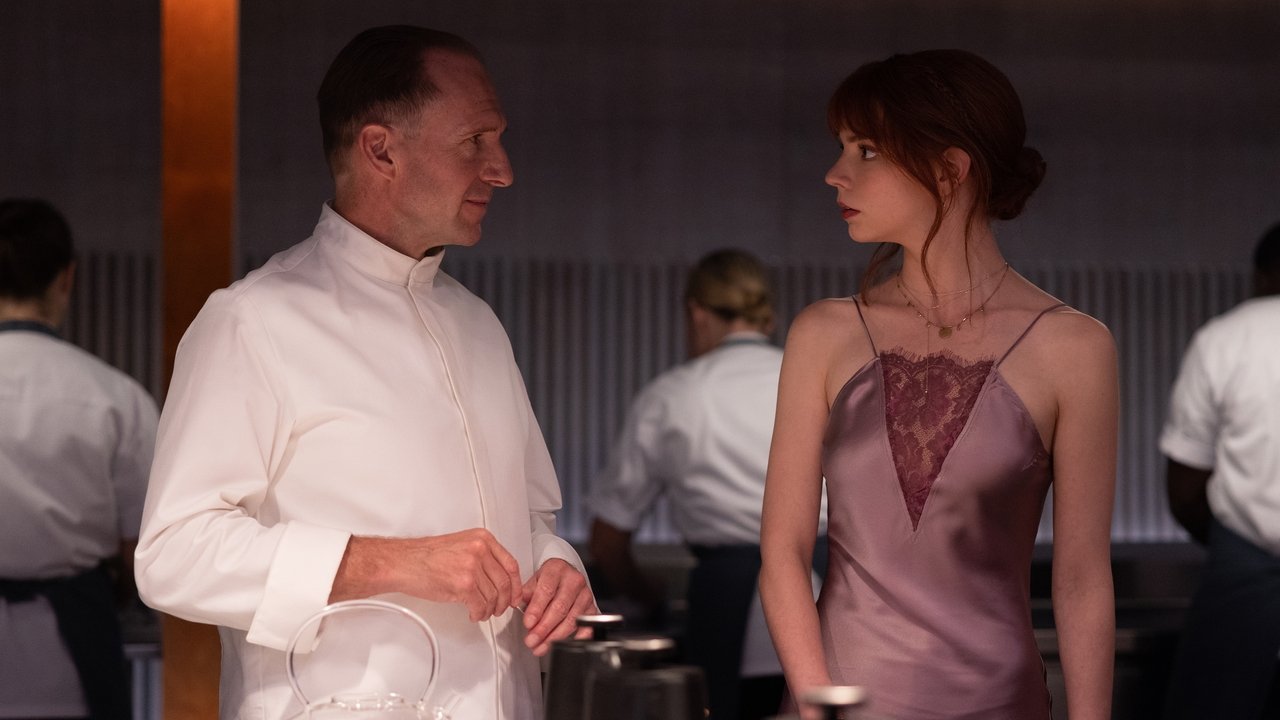
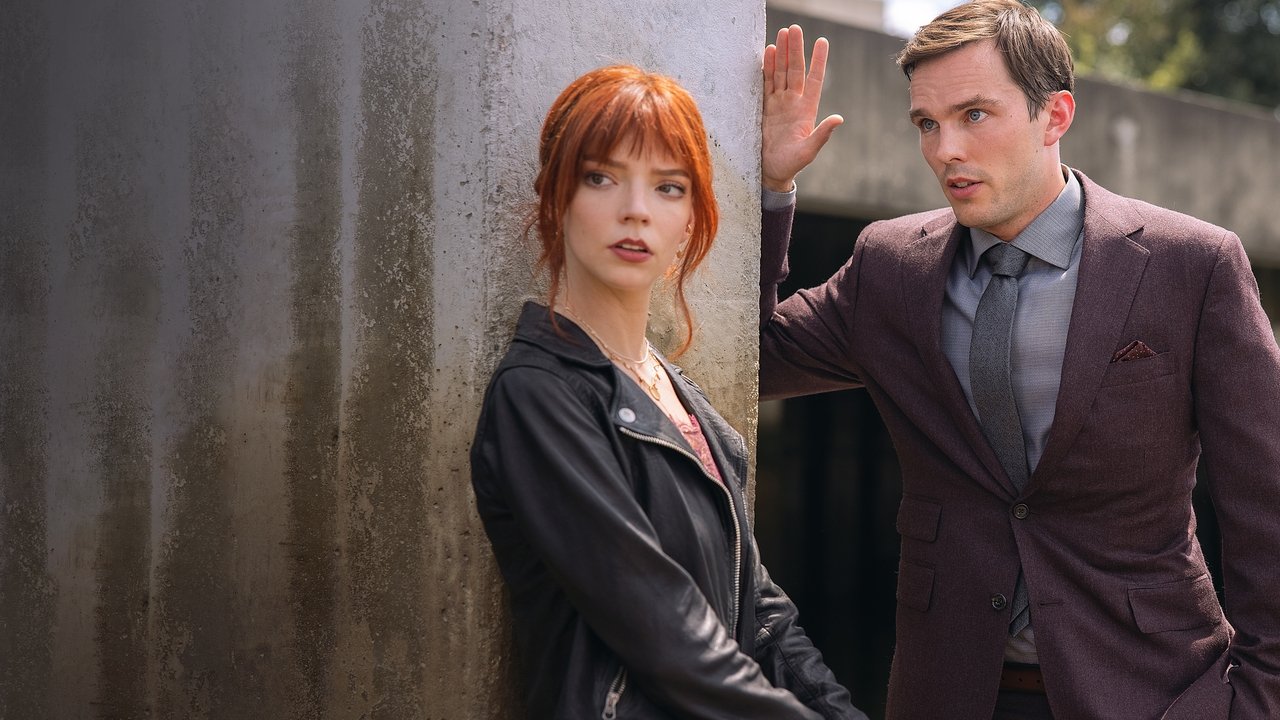
Opposite him is Anya Taylor-Joy (breakout star of The Queen's Gambit) as Margot, the fly in the artisanal ointment. Margot wasn't supposed to be there, and her presence disrupts Slowik’s "meticulously planned" masterpiece. Anya Taylor-Joy brings a grounded, cynical energy that acts as the viewer's tether to reality. While everyone else is marveling at the "flavor profile" of a plate of rocks and seafoam, she’s the only one asking why there’s no actual bread. The chemistry between her and Fiennes is less about romance and more about two tired professionals recognizing each other across a room full of fakes.
Serving the Elite and the Insufferable
The supporting cast is a masterfully curated collection of archetypes you’d love to see have a bad night. Nicholas Hoult—who was so brilliantly manic in The Great—is hauntingly pathetic here as Tyler, the ultimate foodie fanboy. Hoult plays the character with a desperate, sweaty need for approval that makes your skin crawl. Tyler is a walking Yelp review with a god complex, a man who values the idea of a meal more than the actual sustenance.
Then there’s the trio of tech-bro douchebags played by Rob Yang, Arturo Castro, and Mark St. Cyr, who represent the unthinking, transactional nature of modern wealth. They don't care about the food; they care that they can afford it. The film, written by Will Tracy and Seth Reiss (both veterans of The Onion), sharpens its knives on these characters. You can feel the satirical DNA of The Onion in the way the courses are titled and presented.
Interestingly, the production actually hired Dominique Crenn, the only female chef in the U.S. to hold three Michelin stars, to act as a technical consultant. She designed the actual dishes seen in the film, ensuring that even as the movie mocks high-end dining, the food itself looks authentically, absurdly beautiful. This attention to detail prevents the film from feeling like a cheap parody; it understands the world it’s burning down.
The Price of a Cheeseburger
What makes The Menu work as a horror-thriller is the mounting sense of dread that is never undercut by the comedy. The tension is built through Colin Stetson’s (who did the bone-chilling score for Hereditary) unsettling, rhythmic music and the clinical, cold cinematography of Peter Deming (Mulholland Drive). The restaurant itself feels like a high-end tomb, a sterile environment where the exit is blocked by a combination of social etiquette and literal violence.
As the evening descends into chaos—involving a "messy" suicide and a literal human hunt across the island—the film asks a genuinely dark question: Is there any room for joy in a world where everything has been turned into a "content" or a "status symbol"? Slowik’s madness stems from the fact that he has forgotten how to love his craft because his customers have forgotten how to simply enjoy a meal. The final act, involving a simple, greasy cheeseburger, is one of the most satisfying resolutions I've seen in recent years. It’s a moment of pure, unadulterated "subjective irrelevance" to the grand plan, and it’s beautiful.
In an era of franchise dominance where every movie feels like a setup for a sequel, The Menu is a refreshing, self-contained bite of original cinema. It’s a film that knows exactly what it is: a sharp, mean-spirited, and hilarious look at the death of art at the hands of those who claim to love it most. It might make you think twice before spending $300 on a tasting menu, or it might just make you really, really want a burger.
Ultimately, The Menu succeeds because it refuses to blink. It’s a dark, intense ride that manages to be both a crowd-pleaser and a stinging indictment of the very audience watching it. Mark Mylod captures the frantic, pressurized energy of a high-end kitchen and turns it into a pressure cooker for the soul. It’s a film that lingers on the palate long after the credits roll, leaving you with a bitter, yet oddly delicious, aftertaste. If you’re looking for a thriller that actually has something to say about the world right now, pull up a chair—just don't expect to be served any bread.
Keep Exploring...
-
Hereditary
2018
-
Don't Breathe 2
2021
-
Companion
2025
-
Day Shift
2022
-

The House That Jack Built
2018
-

The Substance
2024
-
Assassination Nation
2018
-
Ghostland
2018
-
Train to Busan
2016
-
It
2017
-
Split
2017
-
The Conjuring: The Devil Made Me Do It
2021
-
The Black Phone
2022
-
Five Nights at Freddy's
2023
-
Speak No Evil
2024
-

The Bar
2017
-
Bird Box
2018
-
Crawl
2019
-
Happy Death Day 2U
2019
-
Zombieland: Double Tap
2019