The Next 365 Days
"Paradise has a price, and apparently, no script."
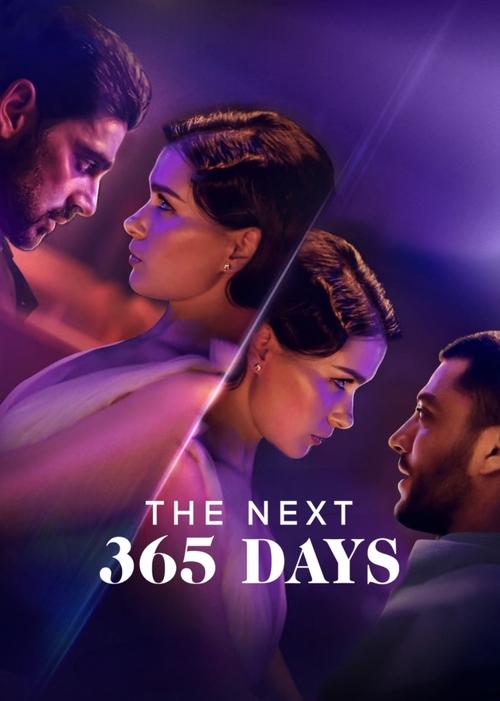
I watched The Next 365 Days on a Tuesday afternoon while my radiator was making a rhythmic clanking sound that, quite frankly, had more narrative structure than the screenplay. I’ve followed this trilogy from its "viral sensation" beginnings during the 2020 lockdown, and seeing it wrap up in the peak streaming era of 2022 feels like closing a very strange, very glossy chapter of pandemic-induced fever dreams. This isn't just a movie; it’s a fascinating artifact of how Netflix’s algorithm can turn a controversial Polish erotic drama into a global juggernaut through sheer, unadulterated "hate-watching" and TikTok thirst-traps.
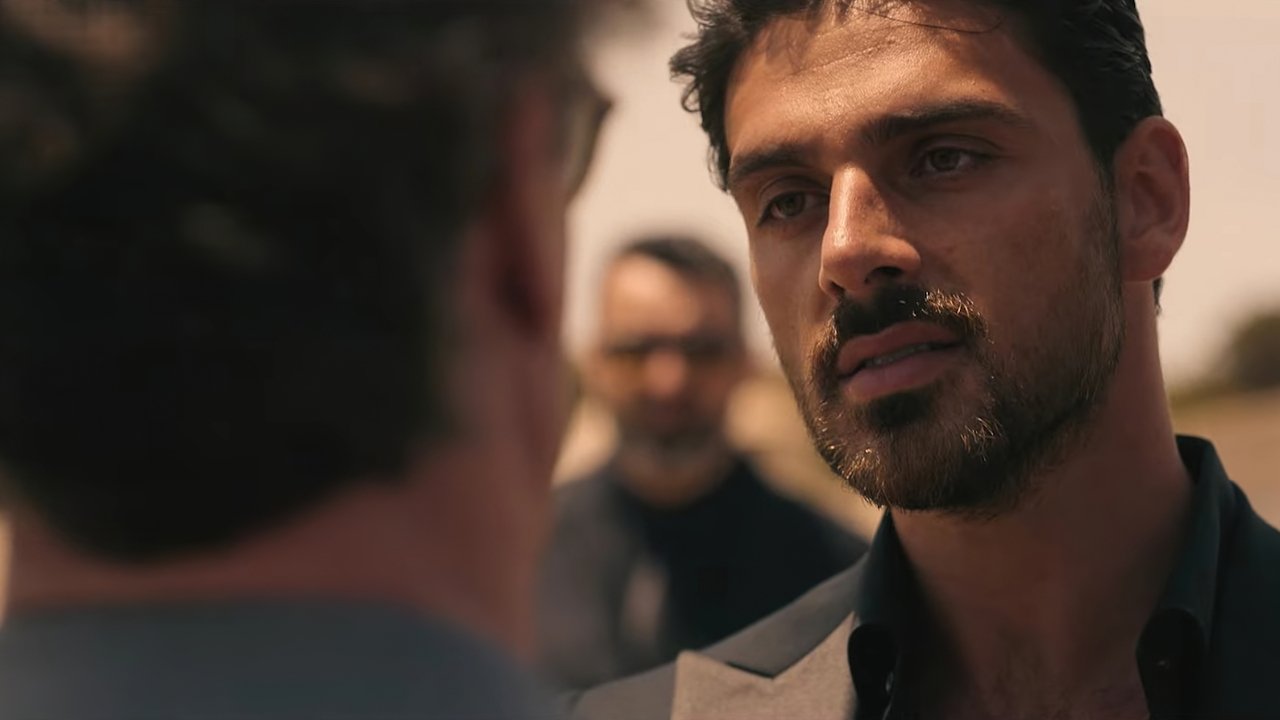
The Algorithm’s Favorite Love Triangle
By the time we hit this third installment, the high-octane kidnapping plot of the first film has completely evaporated, replaced by the kind of atmospheric brooding you usually find in a high-end cologne ad. The story picks up after the cliffhanger of 365 Days: This Day, with Laura (Anna-Maria Sieklucka) miraculously surviving a gunshot wound because, in this universe, medical logic is secondary to looking good in a bikini. She’s back in Sicily, but her marriage to the possessive Massimo (Michele Morrone) is crumbling under the weight of trust issues and her lingering feelings for Nacho (Simone Susinna), the world's most supportive rival mobster/gardener.
What struck me most about this entry is how it leans entirely into the "streaming era" aesthetic. It’s a film designed to be played in the background or clipped into fifteen-second segments for social media. Directors Tomasz Mandes and Barbara Białowąs seem less interested in scenes and more interested in vibes. I counted at least six montages set to generic pop music in the first forty minutes. It’s a bold choice to replace dialogue with slow-motion walking, but in an era of franchise fatigue and low attention spans, maybe they figured we didn't need the words. The plot has the structural integrity of a wet paper towel, but the cinematography by Bartek Cierlica is undeniably lush. He makes the Sicilian coast look like a dream, even if the characters inhabiting it are having a collective existential crisis.
Performances in the Land of Perpetual Pouting
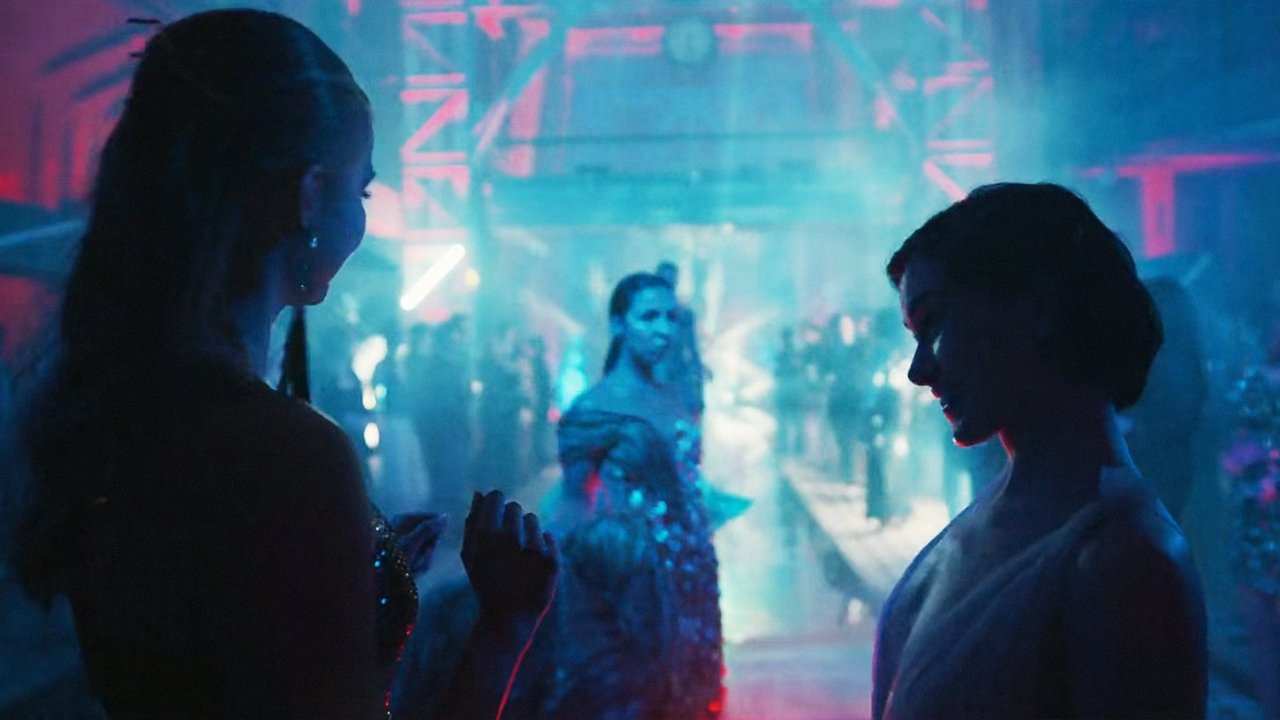
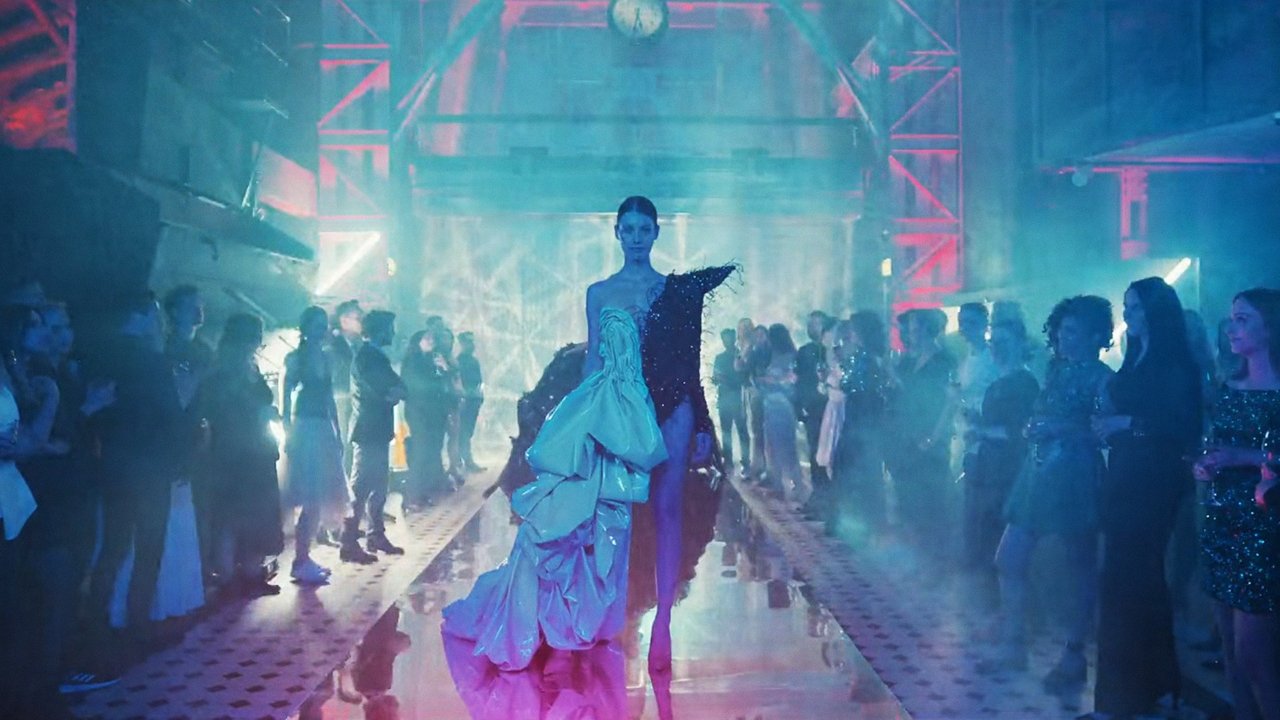
Let’s talk about the performances, because Anna-Maria Sieklucka actually tries to find some humanity in Laura this time around. She’s caught in a genuine moral dilemma—do you stay with the man who kidnapped you (classic Massimo) or go with the guy who merely lied to you but respects your boundaries (Team Nacho)? Sieklucka conveys a sense of exhaustion that feels very grounded, even when she's attending a high-fashion party that looks like a deleted scene from The Neon Demon.
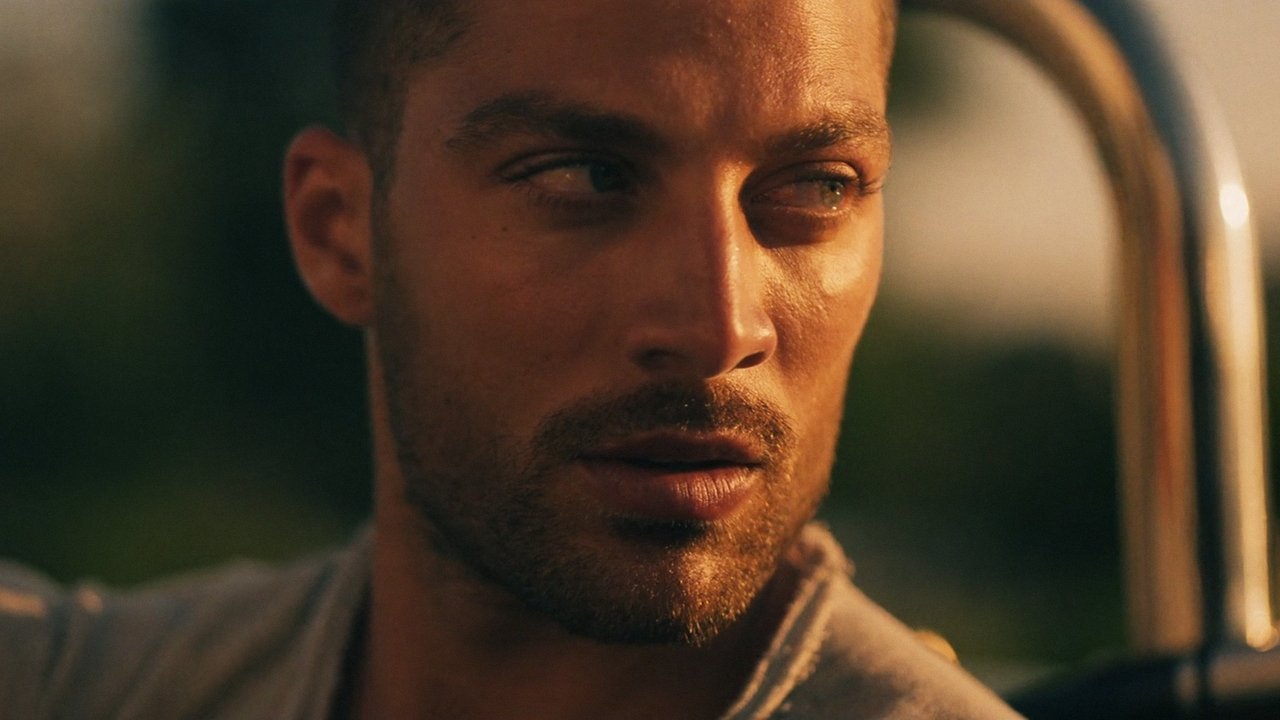
Michele Morrone, meanwhile, has perfected the art of the "Massimo Gaze." He spends a lot of time looking at the ocean and flexing his jawline. It’s transformative in the sense that he transforms a chair into a throne just by sitting in it, but there’s a noticeable lack of the fire that made the first film a guilty pleasure. Then there’s Simone Susinna as Nacho. Susinna is so incredibly photogenic that I’m convinced he was grown in a lab specifically to disrupt Netflix’s analytics. His chemistry with Sieklucka is actually much softer and more convincing than the central pairing, which creates a weird tension where you’re rooting for the "boring" healthy option in a franchise built on toxicity.
A Production Caught Between Two Worlds
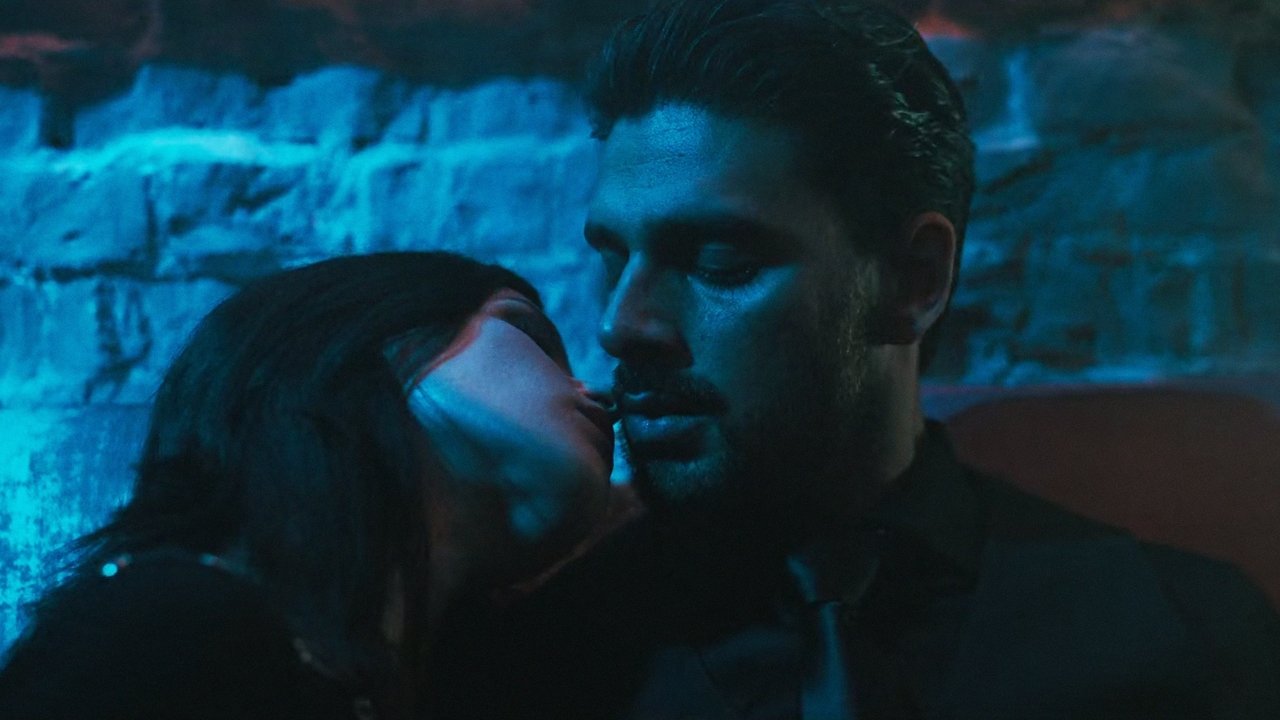
One of the more interesting behind-the-scenes tidbits is that this film and its predecessor were shot back-to-back. You can feel that frantic energy in the edit. Because the first film was such a surprise hit for Netflix (despite the intense controversy surrounding its portrayal of Stockholm Syndrome), the sequels were fast-tracked with a much higher budget but seemingly much less time for script polish. It represents a specific moment in contemporary cinema where "engagement" is the only metric that matters. The creators didn't need to make a "good" movie; they needed to make a "discussed" movie.
Interestingly, the film tries to course-correct some of the #MeToo era criticisms aimed at the first installment. There’s a lot more talk about Laura’s agency and her professional life (she’s a fashion designer now, apparently), but it feels like a thin veneer over the same old tropes. It’s a drama that wants to be taken seriously as a character study while refusing to give its characters anything to do besides change outfits and stare longingly at each other.
Ultimately, The Next 365 Days is exactly what it needs to be for the platform it lives on. It is a visually stunning, narratively hollow conclusion to a trilogy that defined a very specific, polarized moment in streaming history. I don't think it will be remembered as a masterpiece of the genre, but as a "half-forgotten oddity" thirty years from now, it will be a perfect example of what happened when cinema met the 2020s algorithm. If you’re looking for a plot, look elsewhere; if you want to see three very attractive people look sad in Italian villas, you’ve found your holy grail.
Keep Exploring...
-
365 Days: This Day
2022
-
365 Days
2020
-
Tall Girl
2019
-
After Ever Happy
2022
-
After Everything
2023
-
The Tearsmith
2024
-

Mother's Day
2016
-
Attraction
2017
-
Below Her Mouth
2017
-

Fifty Shades Darker
2017
-
Home Again
2017
-
Mary Shelley
2017
-
Professor Marston and the Wonder Women
2017
-
The Discovery
2017
-
Wonder Wheel
2017
-
You Get Me
2017
-
Disobedience
2018
-
If Beale Street Could Talk
2018
-
Sierra Burgess Is a Loser
2018
-
After
2019