The Pale Blue Eye
"Before the raven, there was the recruit."
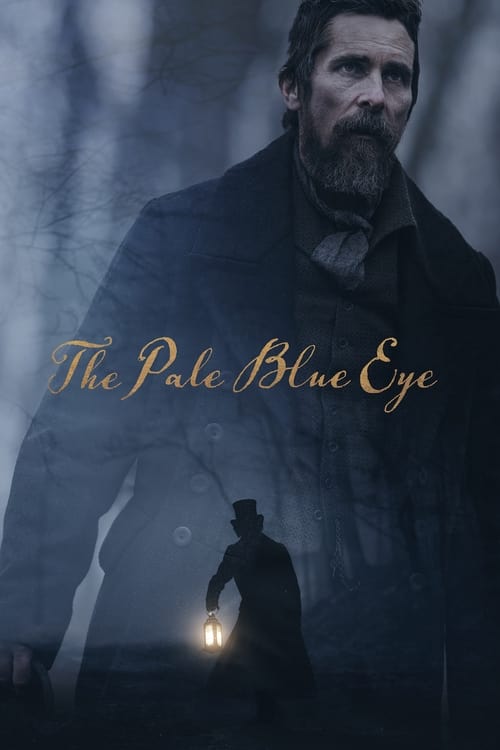
Watching The Pale Blue Eye feels a bit like standing inside a walk-in freezer while someone reads you a ghost story. It is a movie so relentlessly committed to its color palette—all slate greys, icy blues, and charcoal blacks—that I actually found myself checking my own fingernails for signs of frostbite. I watched this on a Tuesday night while nursing a lukewarm cup of peppermint tea that had gone cold halfway through the first act, and honestly, the beverage’s rapid decline in temperature felt like an immersive 4D gimmick.
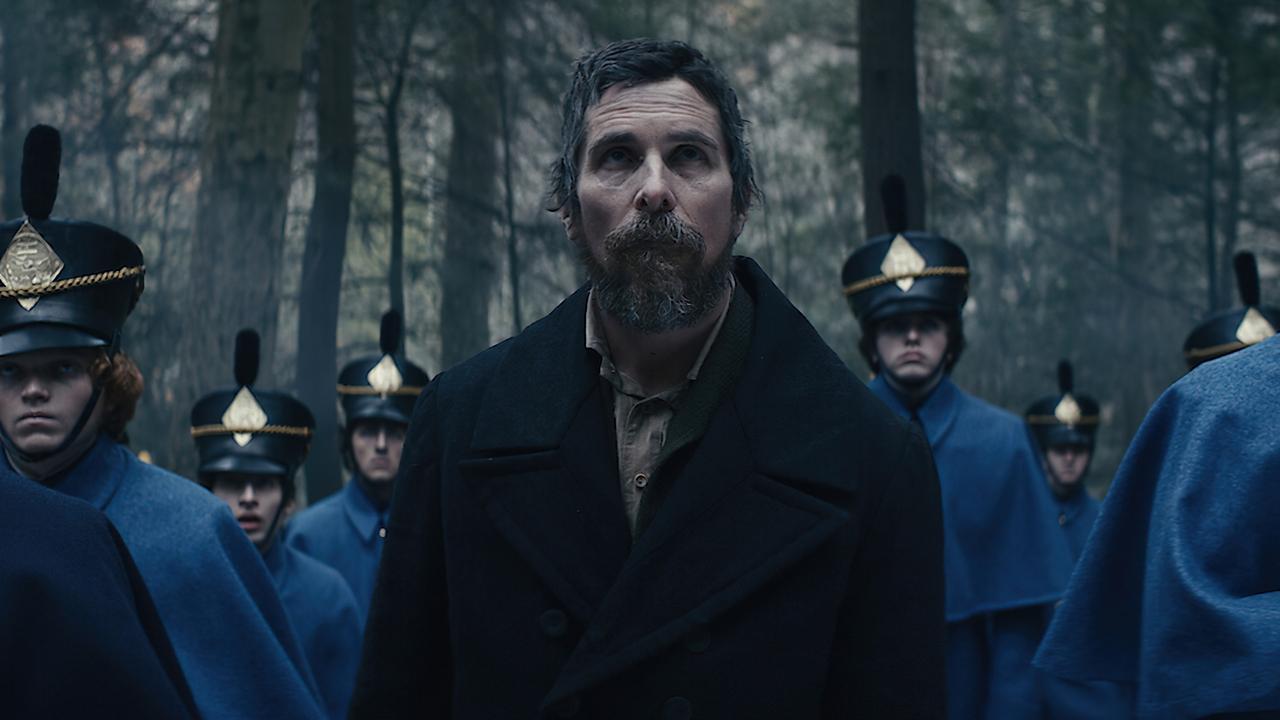
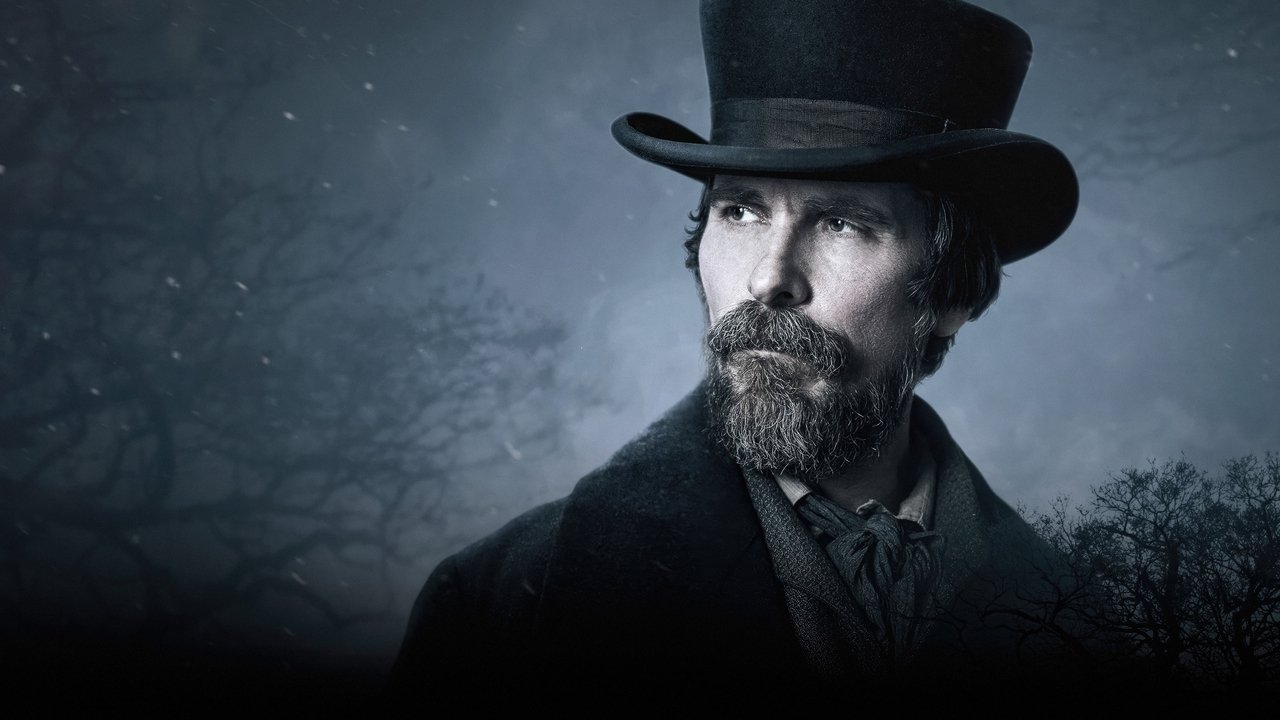
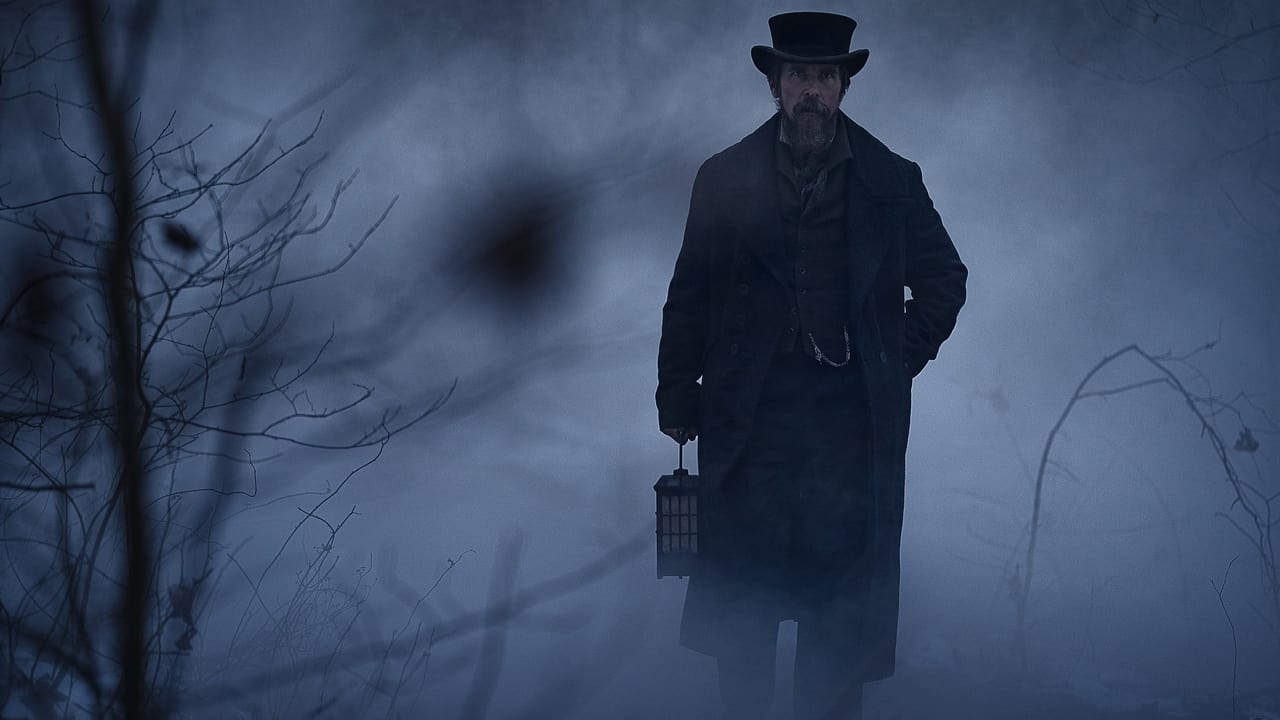
Director Scott Cooper has carved out a niche for himself as the king of the "miserable man in a beautiful, bleak landscape" subgenre. Following Hostiles and Out of the Furnace, this marks his third collaboration with Christian Bale, and by now, they have a shorthand for cinematic gloom that is almost comforting in its darkness. This time, we’re in West Point, 1830. A cadet has been found hanging, which is tragic enough for a military academy, but the fact that his heart was expertly carved out of his chest suggests something far more sinister than a simple suicide. Enter Augustus Landor (Bale), a retired constable with a tragic past and a beard that looks like it’s seen several wars and at least one very long winter.
The Poet and the Policeman
The hook here isn't just the procedural—it’s the sidekick. Landor, realizing he needs an inside man among the tight-lipped cadets, recruits a young, eccentric, and hopelessly romantic plebe named Edgar Allan Poe. This is where the movie truly finds its pulse. Harry Melling—whom many of us still reflexively associate with Dudley Dursley—delivers a performance that is nothing short of transformative. He plays Poe as a "strange but brilliant" outcast, a man who speaks in rhythmic flourishes and looks like a gust of wind might blow him over, yet possesses an intellect that cuts through the academy’s rigid bureaucracy like a scalpel.
Bale and Melling have a fantastic, odd-couple chemistry. Bale is the grounded, weary anchor, while Melling is the fluttering bird trapped in a cage. In an era of cinema often dominated by "IP" and superheroes, seeing a film that treats the origin story of a literary giant as a Gothic slasher is refreshing. It’s a contemporary take on the "detective and apprentice" trope, but instead of Watson’s steady hand, we get a poet who is obsessed with the afterlife and looks like he’s perpetually one bad day away from writing 'The Tell-Tale Heart'.
The supporting cast is equally stacked with "oh, it's that guy" energy. Toby Jones is wonderfully twitchy as the academy’s doctor, and Gillian Anderson shows up to chew a bit of scenery as his high-strung wife. Even Timothy Spall and Robert Duvall make appearances, lending the film a weight of prestige that tells the audience, "Yes, this is a Serious Drama, despite the ritualistic heart-harvesting."
Gothic Vibes and Streaming Realities
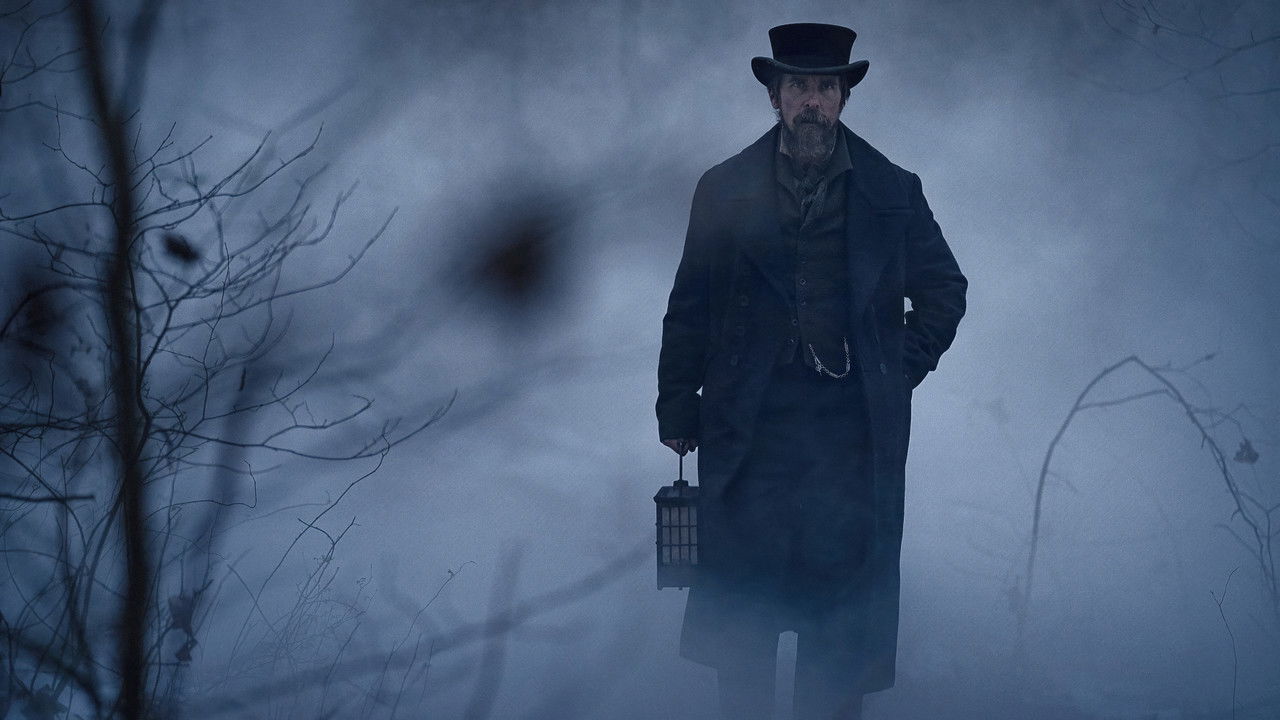
Released as a Netflix original in the dead of winter (appropriate), The Pale Blue Eye is a prime example of the "streaming prestige" model. It’s the kind of mid-budget, adult-skewing thriller that used to be a staple of theatrical winter releases but has now largely migrated to our living rooms. While it lacks the kinetic energy of a blockbuster, the cinematography by Masanobu Takayanagi is stunning. Every shot of the Hudson Valley looks like a 19th-century oil painting that’s been left out in the rain.
However, the film’s pacing is a bit like a horse-drawn carriage stuck in the mud. It’s a slow burn—sometimes too slow. Cooper is so enamored with the atmosphere of dread that the actual investigation occasionally feels like it’s stalling. If you aren’t a fan of "vibes-first" filmmaking, you might find yourself checking your phone during the long, contemplative shots of snow-covered pines. But for those of us who grew up on a diet of Washington Irving and Sleepy Hollow, the "vibe" is exactly the point. The horror here isn't about jump-scares; it’s about the crushing weight of grief and the eerie silence of the American wilderness. It’s basically a high-budget Goth mood board that happens to have a plot.
Behind the Frozen Curtain
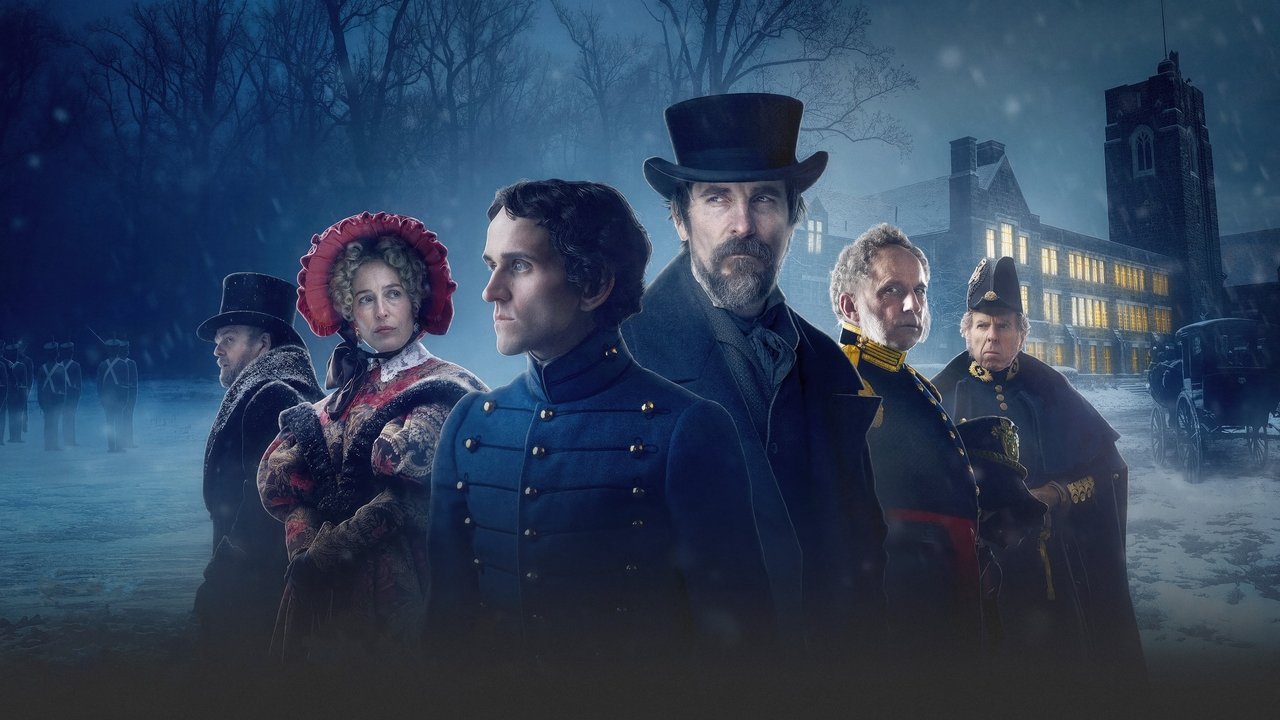
The making of the film is almost as grueling as the story itself. To capture the authentic chill of 1830 New York, the production shot in Western Pennsylvania during a particularly brutal winter. The "West Point" we see on screen is actually a mixture of Old Economy Village and Compass Inn Museum, as the real military academy has changed too much to look the part anymore.
Poe’s Real History: The real Edgar Allan Poe actually attended West Point in 1830. He hated it, was eventually court-martialed, and spent most of his time writing poetry instead of studying tactics. The Melling Transformation: Harry Melling reportedly lost a significant amount of weight to achieve Poe’s "hollowed-out" look, studying the poet's letters to nail the cadence of his speech. The Score: The haunting music was composed by Howard Shore, the man behind the Lord of the Rings scores. He recorded it during the pandemic, using a smaller orchestral arrangement that adds to the film’s sense of isolation. The Bale/Cooper Pact: This is the third time the duo has worked together. Bale has stated he finds Cooper’s scripts "uncompromisingly human," which is actor-speak for "everyone is very sad and has a secret." * Practical Effects: Despite the streaming era's love for CGI, many of the grisly medical scenes utilized practical prosthetics to ensure the "surgical" nature of the crimes felt appropriately tactile and gross.
The Pale Blue Eye is a handsome, haunting, and slightly overlong mystery that succeeds because it understands that Edgar Allan Poe is the ultimate Gothic protagonist. While the final twist might be polarizing for some, I found it to be a gutsy move that recontextualizes everything you’ve just watched. It’s a film about the ghosts we carry with us, and while it might not be an "instant classic," it’s a perfectly chilling way to spend two hours when the wind is howling outside your own window. Just make sure your tea stays hot.
Keep Exploring...
-
Out of the Furnace
2013
-
Hostiles
2017
-
Antlers
2021
-
Longlegs
2024
-
Death on the Nile
2022
-
Bad Times at the El Royale
2018
-
Hereditary
2018
-
I'm Thinking of Ending Things
2020
-
Escape Room: Tournament of Champions
2021
-

Old
2021
-
The Woman in the Window
2021
-
A Haunting in Venice
2023
-
Knock at the Cabin
2023
-

Trap
2024
-
Ghostland
2018
-

The House That Jack Built
2018
-
Anatomy of a Fall
2023
-
Crooked House
2017
-
Solace
2015
-

Green Room
2016