The Whale
"Honesty is the only weight that matters."
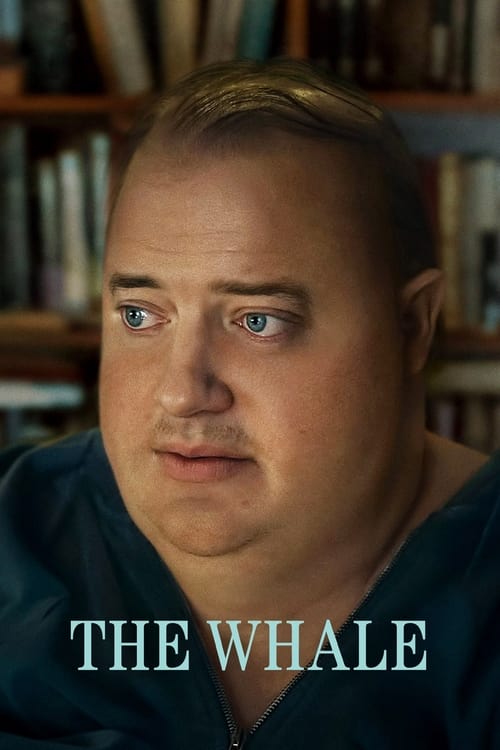
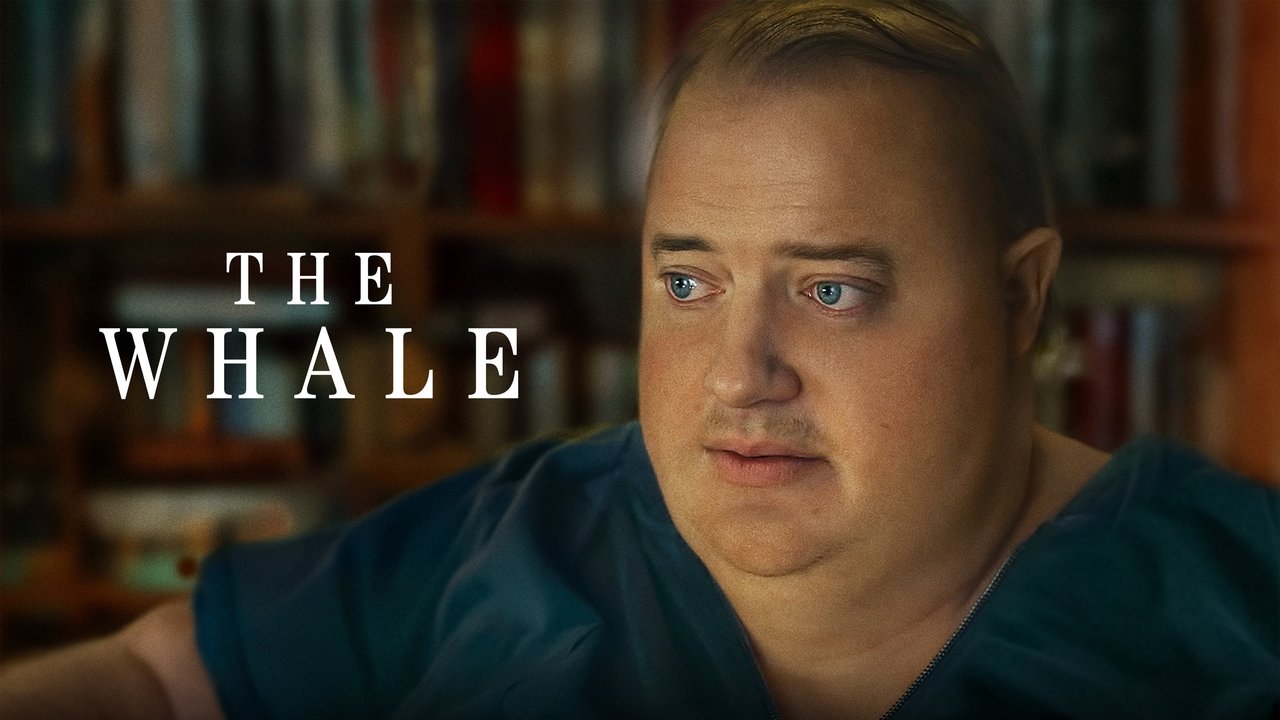
The screen is a box. Not just the physical television in your living room, but the movie itself. Darren Aronofsky (the man who previously gave us the suburban nightmare of Requiem for a Dream) chooses a restrictive 4:3 aspect ratio for The Whale, and the effect is immediately, purposefully suffocating. I watched this on a Tuesday afternoon while eating a bowl of cold cereal, and by the twenty-minute mark, I felt like the walls of my own apartment were inching closer together. It’s a film that demands you sit in the discomfort of a single room, staring at a man who has decided that his world is no larger than the reach of his own arms.
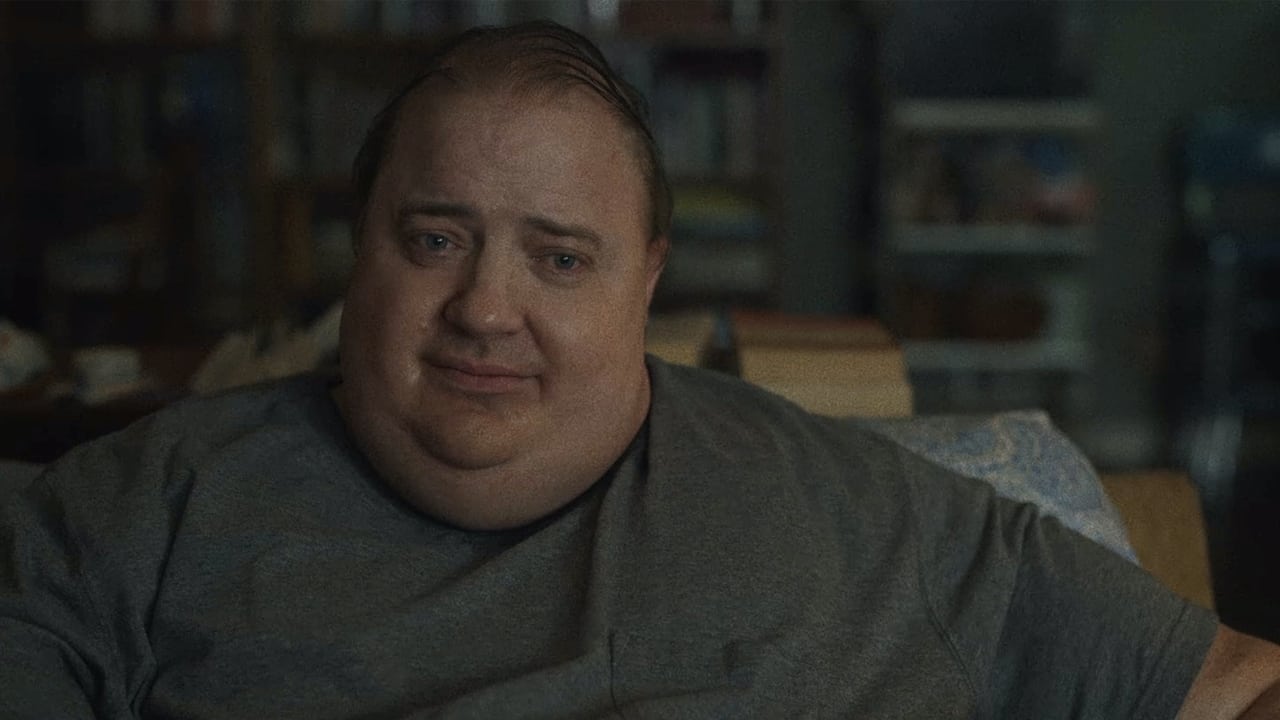
That man is Charlie, played by Brendan Fraser in a performance that didn't just revitalize a career—it essentially re-canonized him. We all knew him as the swashbuckling hero of The Mummy or the goofy lead of George of the Jungle, but here, buried under hundreds of pounds of silicone and foam latex, he disappears. It’s not just the physical transformation that’s staggering; it’s the eyes. There’s a relentless, terrifying optimism in Charlie’s eyes that feels almost pathological.
The Gospel of Radical Empathy
At its heart, The Whale is a chamber piece—it never leaves Charlie’s cramped, dimly lit Idaho apartment. This makes sense, given Samuel D. Hunter adapted the screenplay from his own stage play. But in the era of "content" and "spectacle," there’s something defiant about a movie that refuses to go outside. It forces us into an intimate, often painful proximity with Charlie’s congestive heart failure and his compulsive eating.
The film has been lightning rod for controversy, specifically regarding the use of a "fat suit" and whether the gaze is empathetic or exploitative. To me, it feels like Aronofsky is playing a dangerous game with our own biases. He shows us the grimmest realities of Charlie’s existence, then asks: "Can you still see the person?" It’s a philosophical Rorschach test. If you find the character repulsive, the film is a mirror of your own limits of empathy.
Charlie’s mantra—"People are amazing"—feels like a radical, even delusional, statement in 2022’s polarized climate. He’s a man who has every reason to be cynical. He’s lost his partner, his health, and his connection to his daughter, yet he clings to the idea that everyone has a core of goodness. Fraser plays this not as a saintly trait, but as a desperate, final grasp at meaning. Brendan Fraser’s sweat deserves its own SAG card for how much heavy lifting it does to convey the sheer physical toll of Charlie’s final days.
A Masterclass in Restricted Space
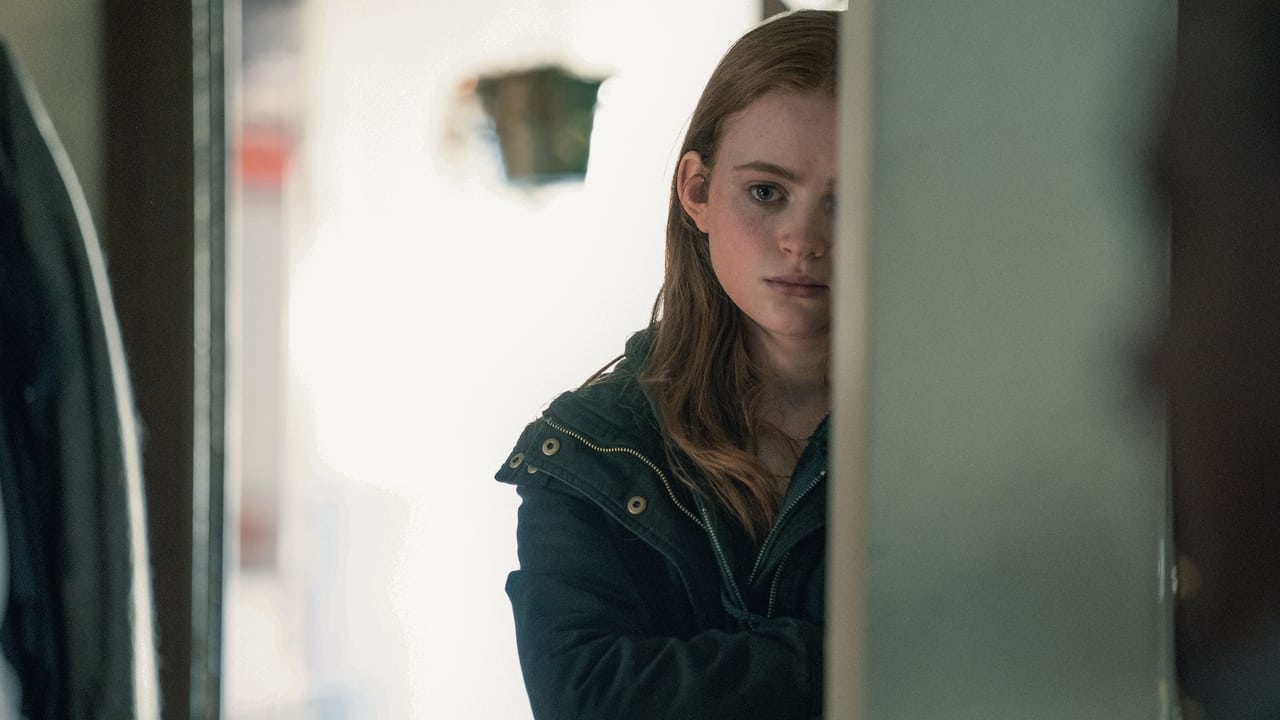
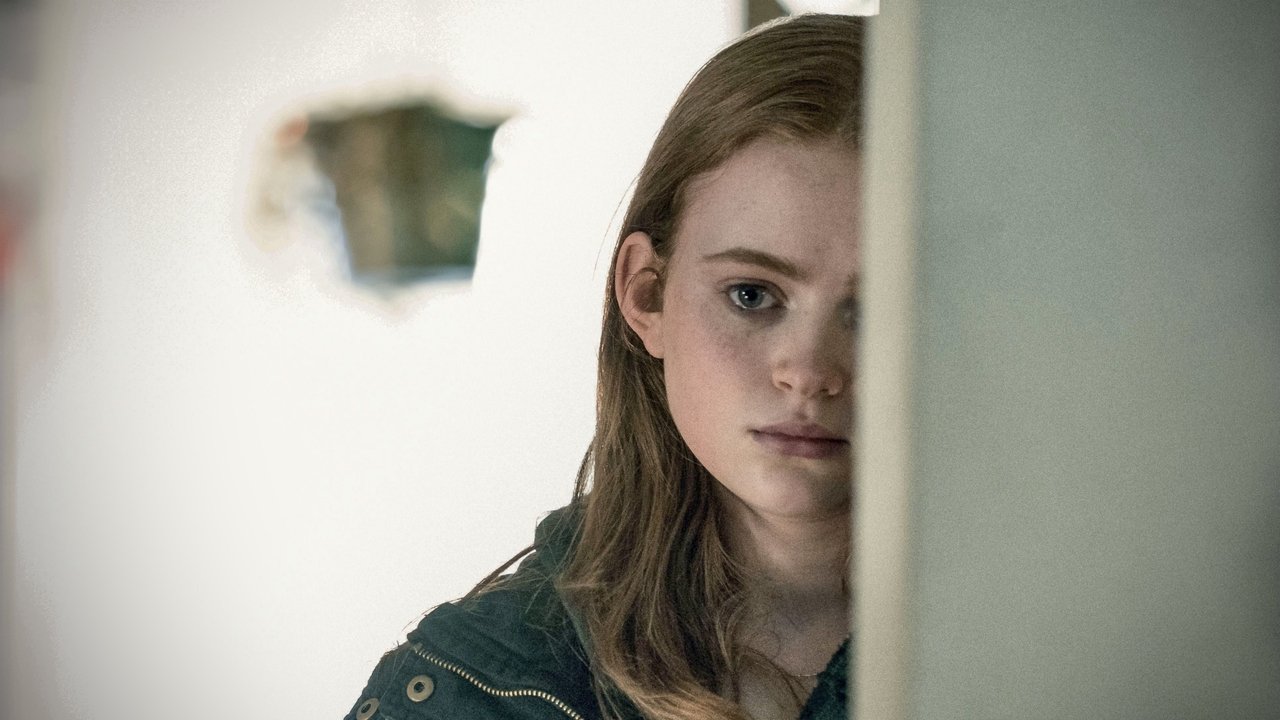
While Fraser is the sun everything orbits around, the supporting cast provides the necessary friction. Hong Chau (who was brilliant in The Menu) is the MVP as Liz, Charlie’s only friend and nurse. Her performance is a jagged edge; she’s furious, grieving, and enabling all at once. Then there’s Sadie Sink as Ellie, Charlie’s estranged daughter. Sadie Sink’s character is essentially a human migraine, a whirlwind of teenage nihilism and cruelty that feels both exhausting and heartbreakingly real. She represents the contemporary "internet-poisoned" youth, someone who uses anger as a shield against the very vulnerability Charlie is trying to force upon her.
The film’s connection to Moby Dick isn't just a literary flourish; it’s the intellectual spine of the story. Charlie is both the whale and Ahab, the pursuer and the pursued. He’s searching for one "honest" piece of writing, one moment of genuine human connection that isn't filtered through the polite lies we tell each other to stay comfortable. In a world of social media curated personas and performative kindness, Charlie’s demand for "truth" feels like a thunderclap.
From the Stage to the Screen (with 3 Million Bucks)
What’s fascinating about The Whale is how it fits into the "A24 aesthetic"—low budget, high concept, and emotionally devastating. It was made for a mere $3 million, a pittance in an era of $200 million Marvel sequels. Aronofsky utilized his long-time cinematographer Matthew Libatique to make a single apartment feel like a vast, tragic landscape.
The production was a masterclass in independent resourcefulness. Because it was filmed during the height of COVID-19 protocols, the isolation felt by the characters wasn't just acting—it was the atmosphere on set. Apparently, Brendan Fraser spent four hours in the makeup chair every day, wearing a suit that weighed up to 300 pounds. To keep him from overheating, the crew had to circulate ice-cold water through tubes hidden inside the suit, essentially turning the actor into a human radiator.
There's also a deep irony in the "Pizza Man," Dan (Sathya Sridharan). He represents the world outside—someone who "interacts" with Charlie daily but never actually sees him until a pivotal, crushing moment. It’s a perfect metaphor for the digital age: we are all "connected," but we rarely look each other in the eye.
The Whale isn't an easy watch, and it shouldn't be. It’s a film that asks if redemption is possible when you've already given up on yourself. While the ending leans into a level of theatricality that might feel "too much" for some, I found it earned. It’s a visceral reminder that cinema can still be small, loud, and uncomfortably human. If you can handle the emotional weight, it’s a journey that will linger in your mind long after the credits roll and you’re left staring at your own reflection in the dark screen.
I ended the film with a ruined box of tissues and a strange urge to call everyone I haven't spoken to in a year. My cat just sat on the coffee table and stared at me the whole time, completely unimpressed by my sobbing, which felt like a very Aronofsky-esque touch of cold reality. This is contemporary drama at its most polarized and powerful—a film that doesn't just want you to watch, it wants you to feel until it hurts.
Keep Exploring...
-

Forever My Girl
2018
-

mother!
2017
-
Capernaum
2018
-
Mustang
2015
-

Midnight Sun
2018
-
Finch
2021
-
Pi
1998
-
A Ghost Story
2017
-
Good Time
2017
-

The Florida Project
2017
-
Eighth Grade
2018
-
First Reformed
2018
-
mid90s
2018
-

Searching
2018
-
The Miseducation of Cameron Post
2018
-

The Farewell
2019
-
Run
2020
-
Malcolm & Marie
2021
-

Minari
2021
-
The Exorcism of God
2022