The Woman King
"Blood, steel, and the scars of a kingdom."
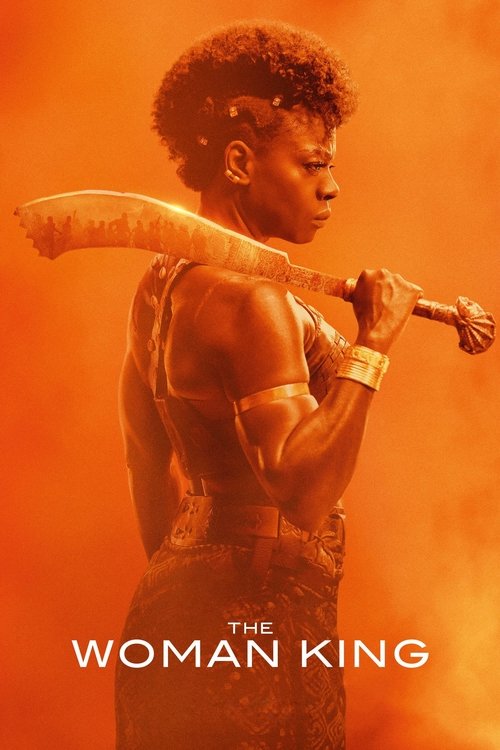
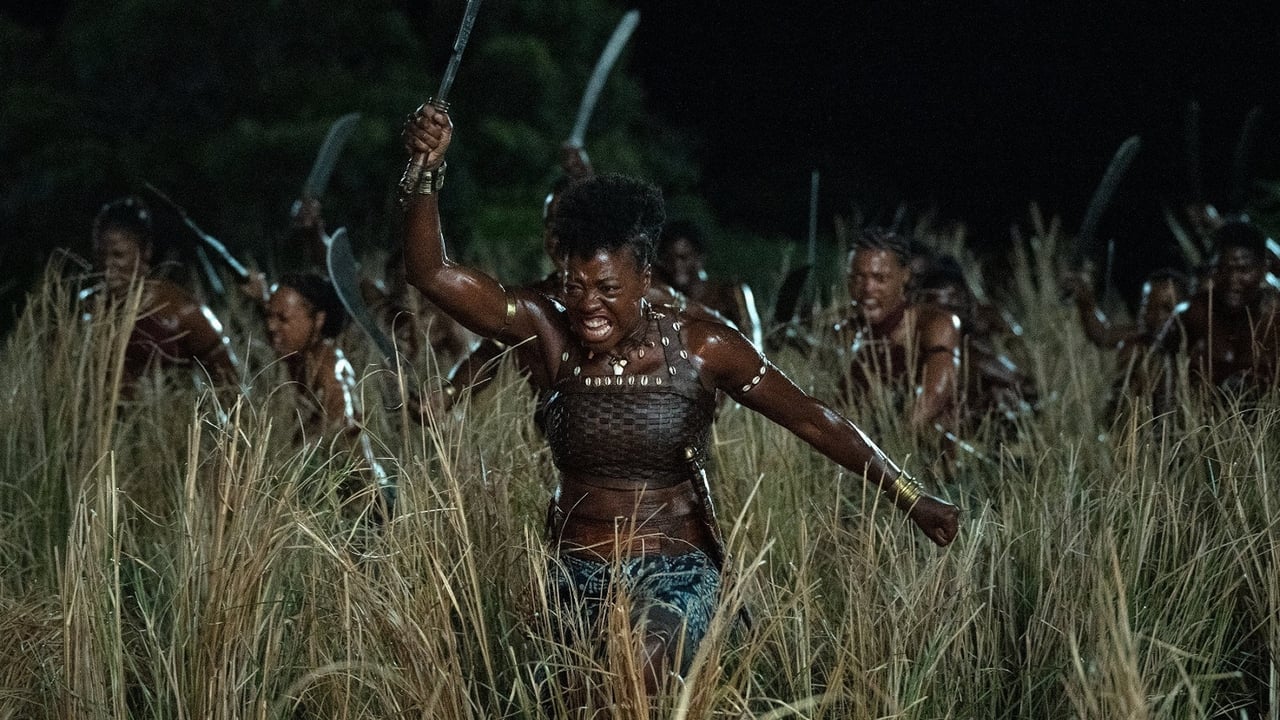
I remember sitting in the third row of a half-empty theater on a Tuesday night, nursing a medium soda and wearing a sweatshirt that was just a bit too itchy for a two-hour runtime. My cat had nearly tripped me on the way out the door, and I was feeling generally grumpy about the state of the world. Then, Viola Davis emerged from the tall African grass like a literal force of gravity, and suddenly, my itchy collar and the lukewarm soda didn’t matter. There is a specific kind of magnetism that only a few actors possess—the ability to make you feel like you’re witnessing history, even when you know you’re watching a choreographed production.

The Woman King didn’t just arrive in 2022; it kicked the door down. In an era where "representation" can sometimes feel like a corporate slide deck, Gina Prince-Bythewood (who I’ve championed since Love & Basketball) delivered something that felt dangerously real and deeply thoughtful. It’s an action epic that actually dares to have a conversation with itself about the morality of the very ground it stands on.
The Physicality of the Blade
If you’re here for the action, you’re in for a treat that puts most floaty, green-screen superhero brawls to shame. The choreography here has weight. When an Agojie warrior swings a blade, you don’t just see the motion; you feel the impact in your own marrow. Lashana Lynch, playing the lieutenant Izogie, is the undisputed MVP of the fight sequences. She brings a swagger that’s reminiscent of the best 80s action stars, but with a grounded, lethal precision.
I’ve spent a lot of time watching "shaky-cam" action where you can’t tell who is punching whom, but Polly Morgan’s cinematography keeps the chaos legible. There’s a scene involving the recruits training with rope and sharpened poles that made me realize my gym membership is a total lie. The training wasn’t just for show, either. The cast famously went through an intense "Agojie boot camp" involving weightlifting, track work, and hours of weapons training. Apparently, they were doing their own stunts to such a degree that the stunt coordinators had to occasionally tell them to dial it back. That commitment translates to the screen—you aren't looking at digital doubles; you're looking at Thuso Mbedu (playing the recruit Nawi) actually throwing herself into the dirt.
A Moral Minefield in the Sand
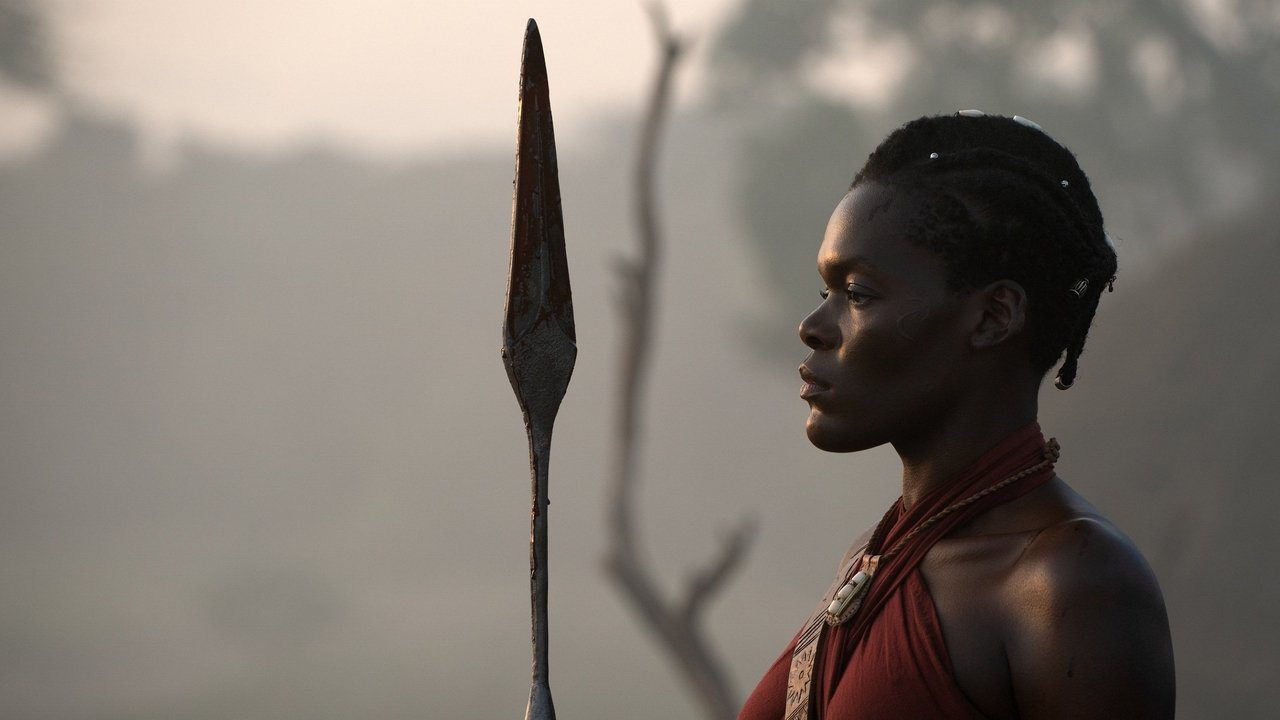
Beyond the clashing steel, the film earns its "cerebral" stripes by refusing to paint the Kingdom of Dahomey as a simple utopia. This is where the screenplay by Dana Stevens gets interesting. It acknowledges the elephant in the room: Dahomey’s historical involvement in the slave trade. The film positions Viola Davis’s Nanisca as a voice of reform, pushing John Boyega’s King Ghezo to pivot toward palm oil production instead of selling captives to the Portuguese.
While some historians have debated the film's accuracy, I found the intellectual struggle fascinating. It’s a movie about the weight of tradition versus the necessity of evolution. John Boyega’s silk robes deserve their own Oscar category, but beneath the finery, he plays Ghezo as a man caught between the ego of a king and the pragmatism of a leader who knows the world is changing. It asks a heavy question: Can a culture built on conquest ever truly find peace? It doesn't offer easy answers, and I respect a blockbuster that leaves you with a bit of a knot in your stomach.
The Ensemble of the Ages
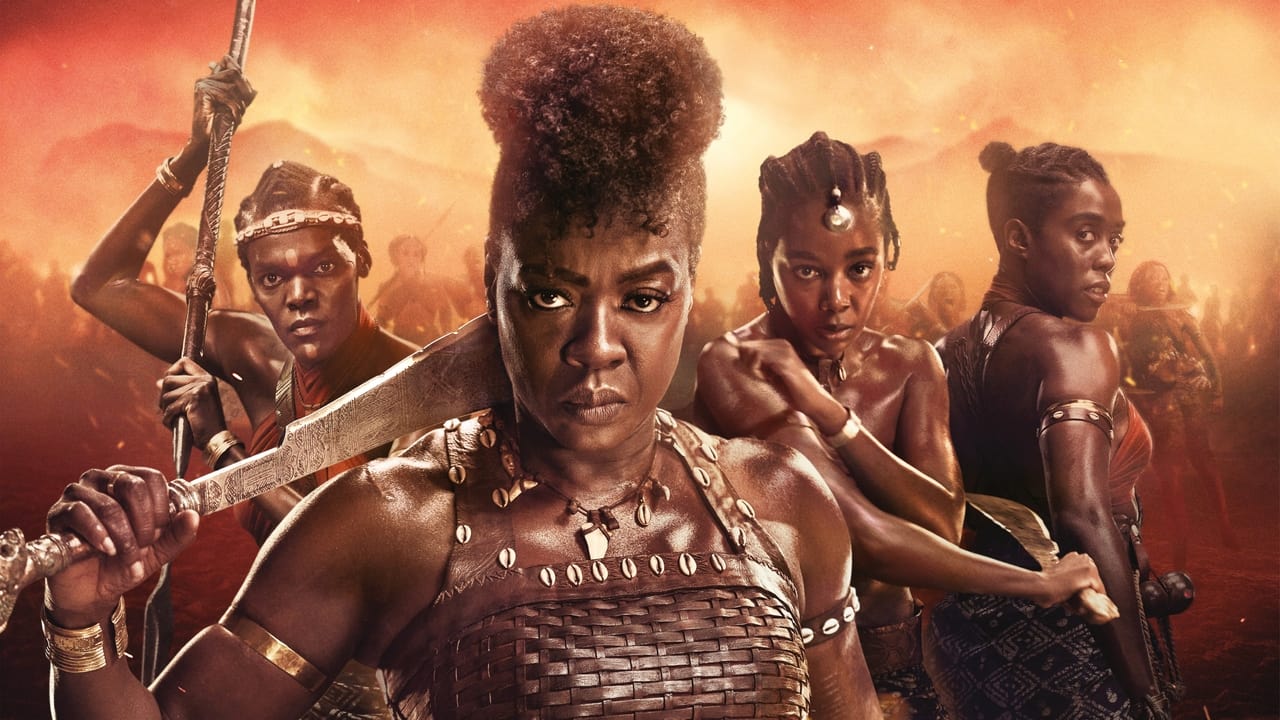
While Viola Davis provides the soul of the film—her face is a map of every battle she’s ever fought—the supporting cast is what makes this feel like a future cult classic. Sheila Atim as Amenza, Nanisca’s confidante, provides a quiet, mystical grounding that balances out the screaming fury of the battlefield. The chemistry between these women feels ancient and lived-in.
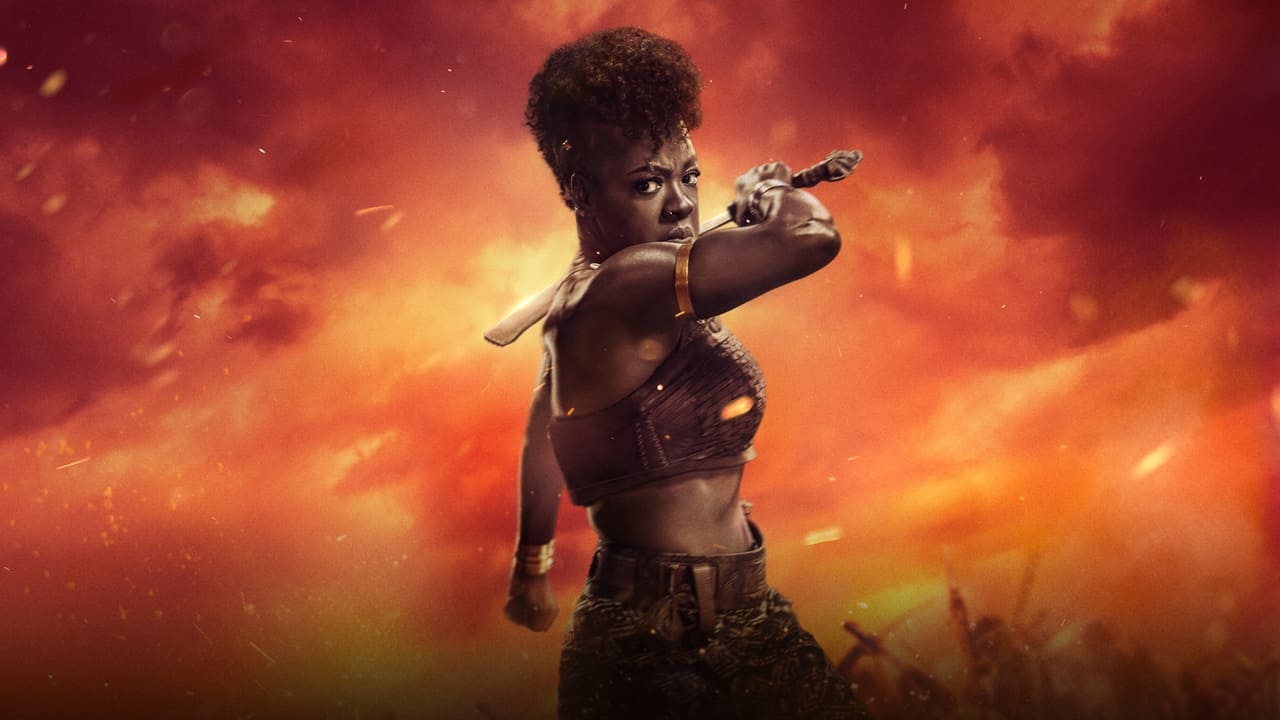
If there’s a weak link, it’s the subplot involving Malik (Jordan Bolger), the biracial Portuguese explorer who catches Nawi’s eye. His inclusion feels like the most "Hollywood" thing in an otherwise gritty movie. It’s not that Bolger isn't charming—he is—but in a film where the sisterhood of the Agojie is so powerful, the romantic tension feels like it’s taking up space that could have been used for more of Lashana Lynch cracking jokes and skulls.
However, even that minor gripe doesn't detract from the sheer scale of the achievement. Released in a post-pandemic landscape where original stories (not based on comics) often struggle to find air, The Woman King proved that there is still a massive appetite for the "Big Screen Experience." It’s a film that demands to be seen with the sound turned up high enough to hear the thump of the drums and the whistle of the wind through the grass.
Ultimately, this is the kind of cinema that lingers in your brain long after you’ve walked back to your car. It’s an epic in the truest sense, blending a high-stakes historical drama with some of the most satisfying action choreography of the last decade. Whether you're here for the nuanced exploration of African history or just to see Viola Davis be the most intimidating human being on the planet, you’re going to leave satisfied. It’s a fierce, bloody, and surprisingly emotional journey that earns every bit of its runtime.
Keep Exploring...
-
Ford v Ferrari
2019
-
The Last Duel
2021
-
King Richard
2021
-

Gran Turismo
2023
-
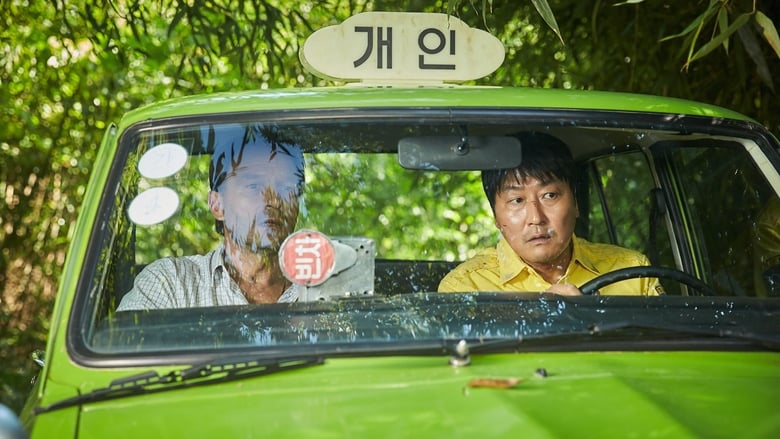
A Taxi Driver
2017
-
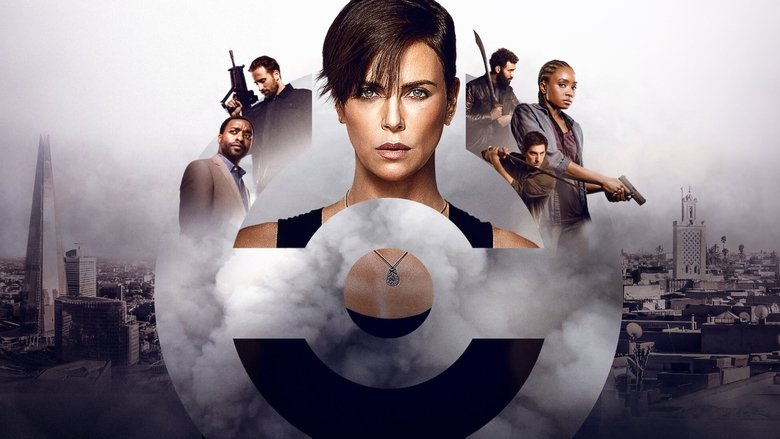
The Old Guard
2020
-

In the Heart of the Sea
2015
-
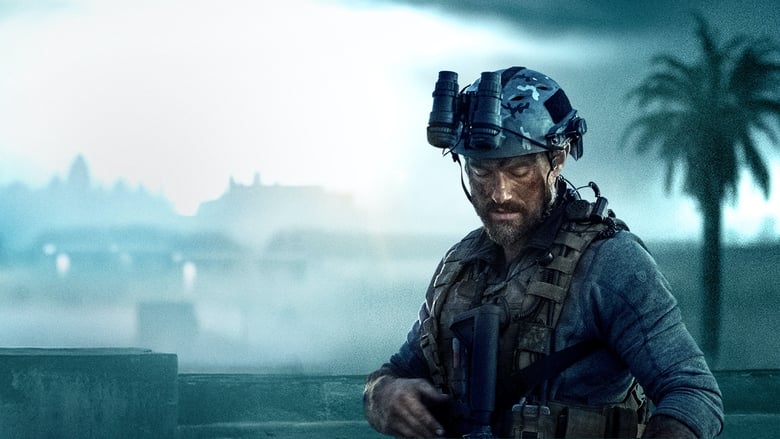
13 Hours: The Secret Soldiers of Benghazi
2016
-
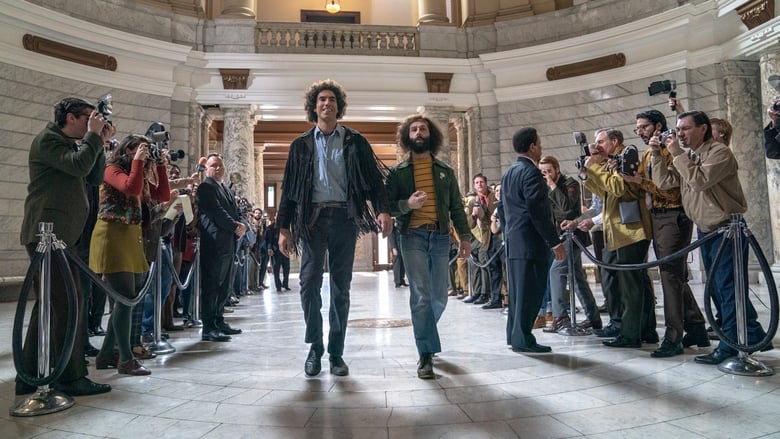
The Trial of the Chicago 7
2020
-
Patriots Day
2016
-

Loving Vincent
2017
-
1917
2019
-
Portrait of a Lady on Fire
2019
-

F1
2025
-
Hotel Mumbai
2019
-
Ip Man 4: The Finale
2019
-
The Outpost
2020
-
American Made
2017
-
Hostiles
2017
-

First Man
2018