The Wonder
"Believe the story, or find the truth."
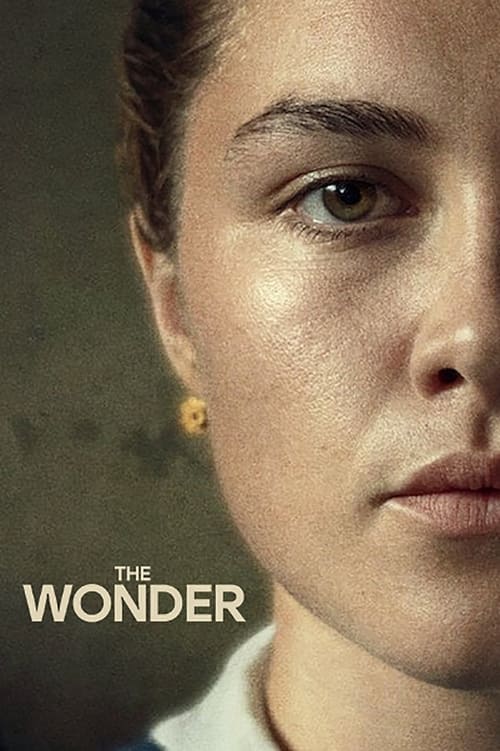
The first thing you see in The Wonder isn't a sweeping vista of the Irish midlands or a gritty 19th-century street. It’s a warehouse. A modern film studio, actually, with scaffolding and plywood and a narrator telling us, point-blank, that we are about to watch a story. It’s a gutsy, high-wire act of a beginning that essentially dares you to stay immersed once the camera glides into a reconstructed past. In an era of "content" where we usually just want to be spoon-fed escapism, director Sebastián Lelio (who gave us the brilliant A Fantastic Woman) starts by reminding us that cinema is a lie we agree to believe.
I watched this on a Tuesday night while my radiator was making a rhythmic clanking sound that I eventually convinced myself was a ghost trying to communicate in Morse code. Oddly, that sense of domestic haunting prepared me perfectly for the claustrophobic, damp, and deeply unsettling world of 1862 Ireland.
The Science of Scrutiny
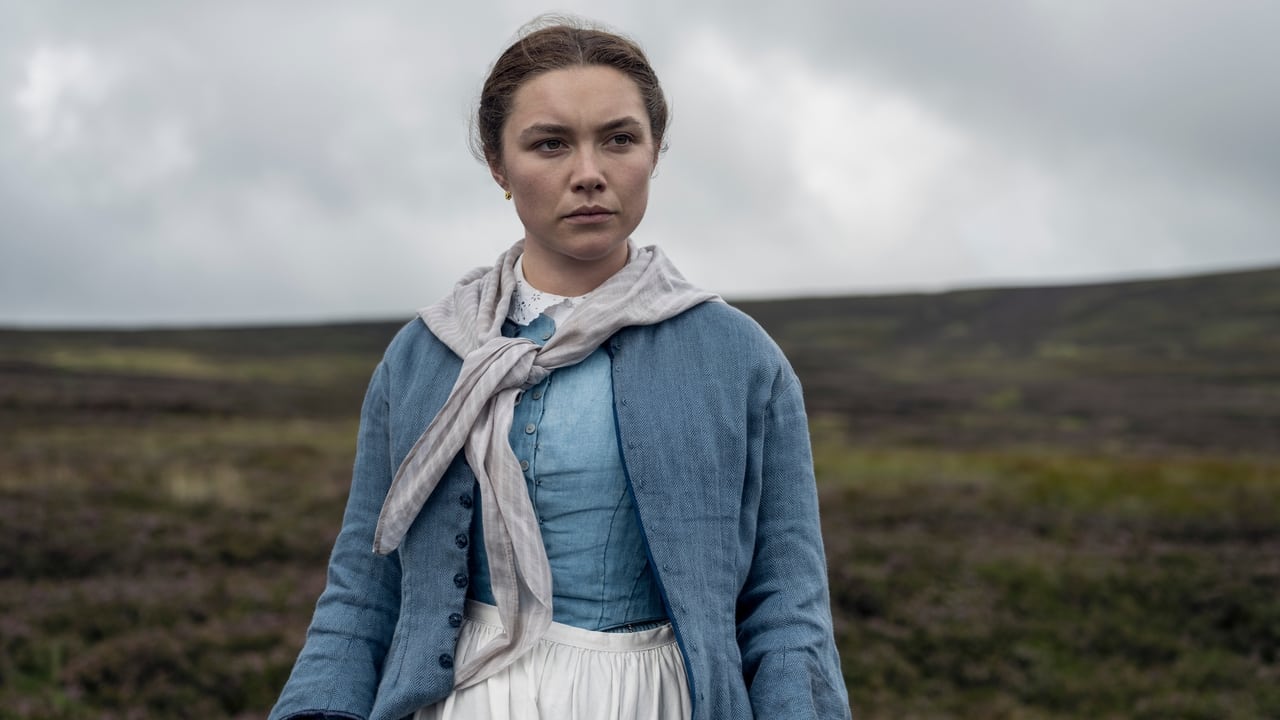
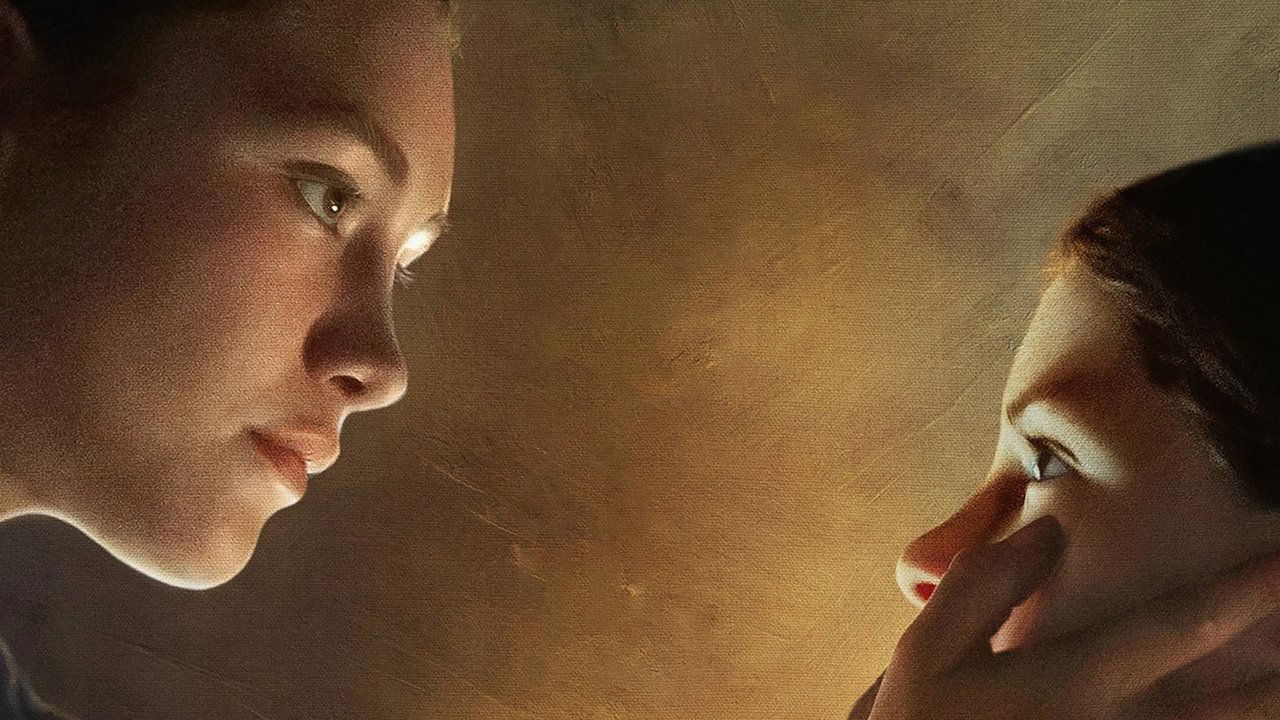
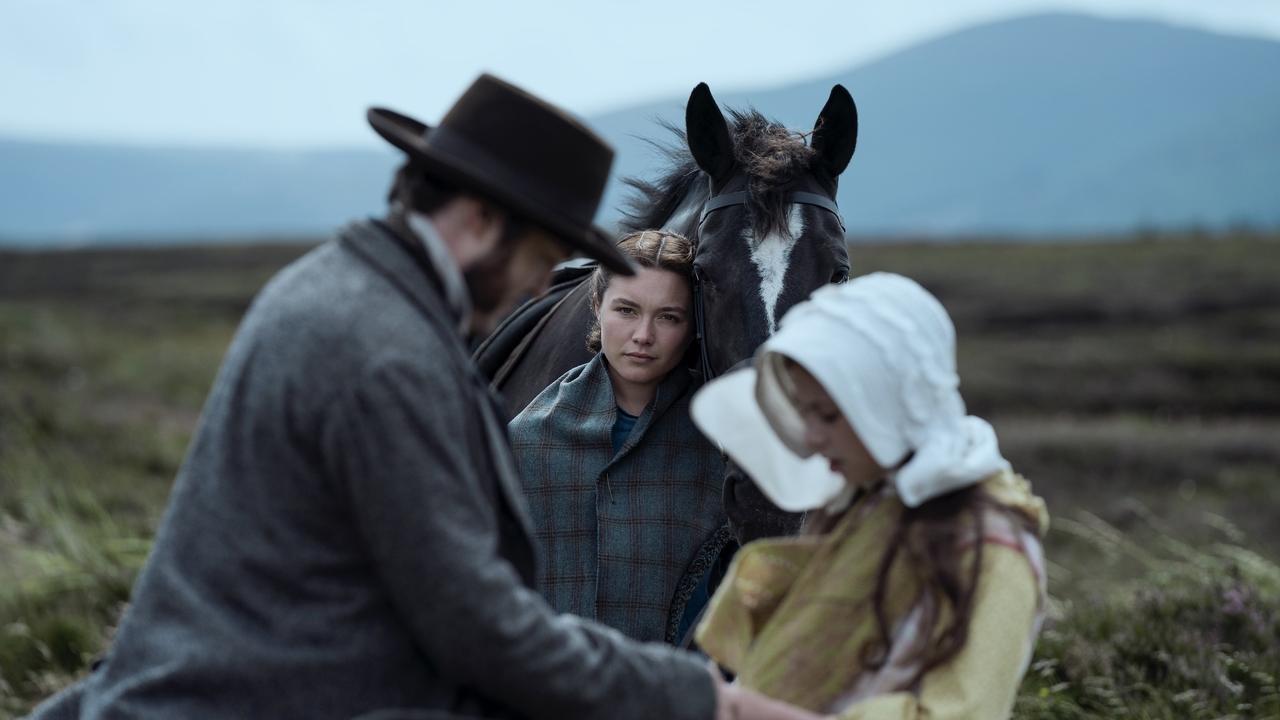
At the center of this gloom is Lib Wright, played by the consistently formidable Florence Pugh. Fresh off her turns in Midsommar and Black Widow, Florence Pugh remains the undisputed queen of the "internalized scream." She’s an English nurse, a veteran of the Crimean War, hired by a village council to "watch" an eleven-year-old girl, Anna O'Donnell (Kíla Lord Cassidy). Anna hasn't eaten in four months but remains seemingly healthy, claiming she lives on "manna from heaven."
Lib is the avatar of the modern viewer—skeptical, scientific, and slightly arrogant in her rationality. She’s there to debunk a miracle, partnered with a nun who represents the spiritual side of the observation. The film does a magnificent job of making the "watch" feel like a psychological thriller. Sebastián Lelio avoids the stuffy, hushed tones of a typical period drama and instead leans into something more akin to a horror movie. The Irish bog is presented by cinematographer Ari Wegner (who lensed the equally moody The Power of the Dog) as a brown, swallowing expanse that feels less like a landscape and more like a predator.
A Family Affair and Frayed Faith
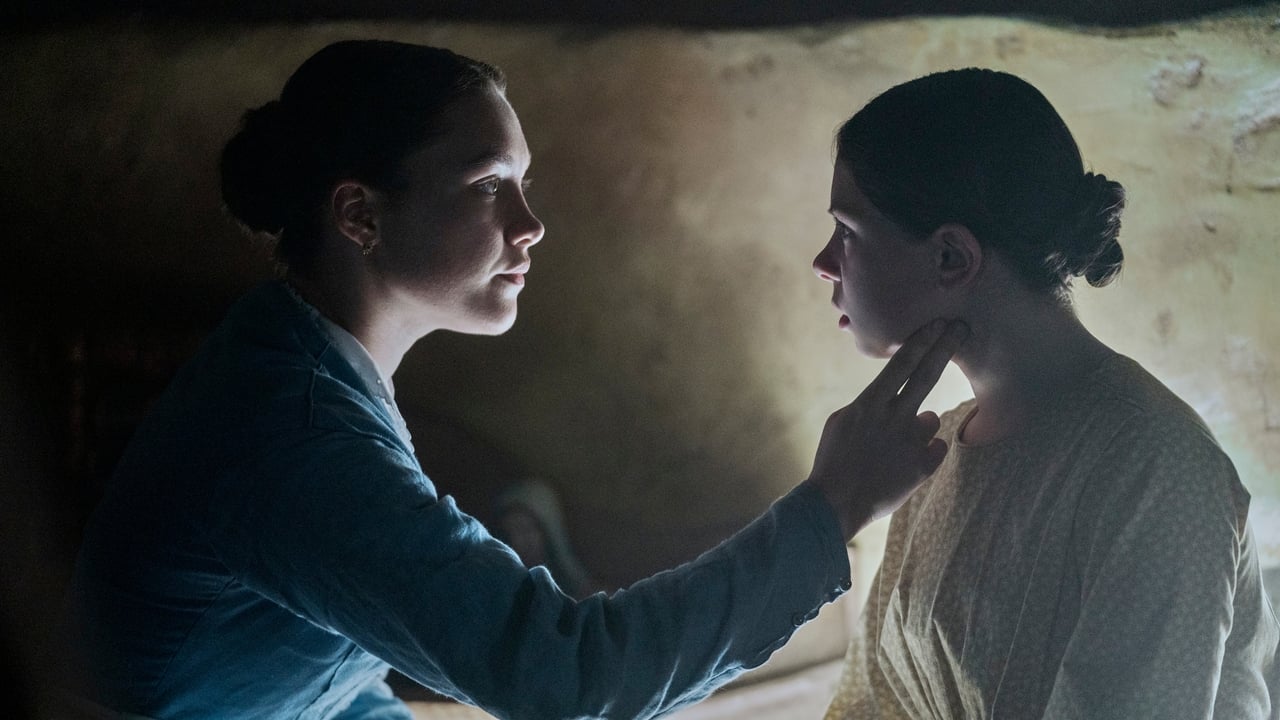
The chemistry between the two leads is where the movie really finds its heartbeat. Kíla Lord Cassidy is a revelation; she manages to be both angelic and deeply unnerving. Interestingly, the woman playing her mother, Rosaleen, is her actual mother, Elaine Cassidy. You can feel that authentic, jagged energy in their scenes together—it’s a dynamic that is essentially a masterclass in how to make a viewer feel physically uncomfortable without saying a word.
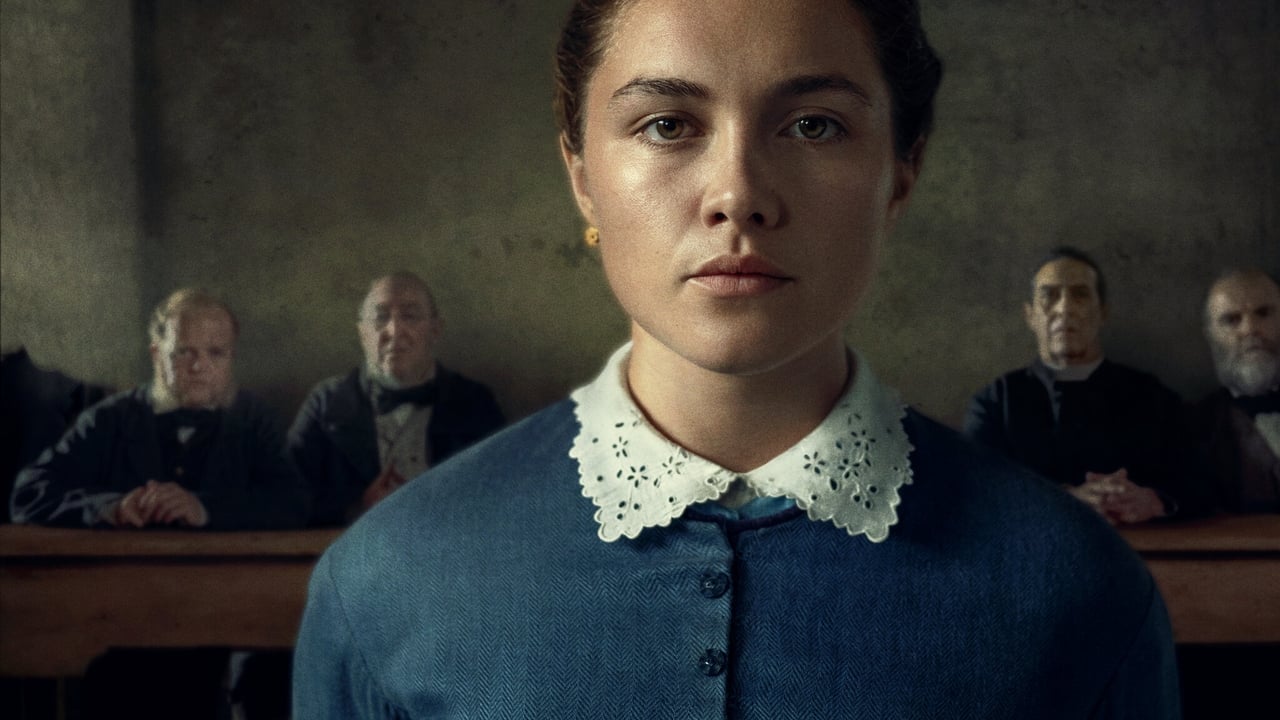
As Lib digs deeper, she realizes the village isn't just protecting a miracle; they are protecting a narrative. This is where The Wonder feels most contemporary. We live in a world defined by competing "truths," echo chambers, and the dangerous weight of communal belief. The town council, led by a group of men (including a wonderfully dismissive Toby Jones), isn't interested in the girl's health; they are interested in the brand. The council members are effectively a Victorian Reddit thread of conspiracy theorists who have decided that their ideology is more important than a child’s life.
The Sound of Silence
I have to talk about the score by Matthew Herbert. It’s weird. It’s electronic, dissonant, and sounds like something is breaking just out of frame. It’s the perfect counterpoint to the period costumes and the flickering candles. It reminds you that even though this is a story about the 1860s, it’s being told through a 21st-century lens.
Then there’s Tom Burke as Will Byrne, a journalist with a personal connection to the village. He provides the necessary romantic and intellectual friction for Lib, and their relationship feels like a genuine meeting of two broken people trying to find a way out of a burning building. Tom Burke has this rumpled, soulful energy that works perfectly against Florence Pugh’s sharp-edged pragmatism.
The screenplay, co-written by Alice Birch (who also wrote Lady Macbeth, the film that arguably put Pugh on the map), is lean and intelligent. It respects the audience enough not to over-explain the "how" of Anna's fast too early. Instead, it focuses on the "why." Why do people need to believe this? Why is Lib so desperate to save a girl who doesn't want to be saved?
In the frantic landscape of streaming releases, where movies often disappear from the cultural conversation within forty-eight hours, The Wonder is a film that demands you slow down. It’s a quiet, fierce, and beautifully acted exploration of what happens when faith becomes a weapon. It’s a reminder that stories have the power to kill us, but if we’re brave enough to change the ending, they can also be the thing that sets us free. Don't let this one get buried in your "to watch" list; it’s one of the few recent dramas that actually lingers in the room after you’ve turned off the TV.
Keep Exploring...
-
Disobedience
2018
-
Black Bag
2025
-

The Professor and the Madman
2019
-
Midsommar
2019
-
The Discovery
2017
-
Thelma
2017
-
Burning
2018
-
High Life
2018
-
Mirage
2018
-
Under the Silver Lake
2018
-
Greta
2019
-
The Room
2019
-
The Vast of Night
2019
-

The Lodge
2020
-
Antlers
2021
-

Black Box
2021
-
Amsterdam
2022
-

Luckiest Girl Alive
2022
-
Mr. Harrigan's Phone
2022
-

No Exit
2022