Top Gun: Maverick
"The last great stand for the big screen."
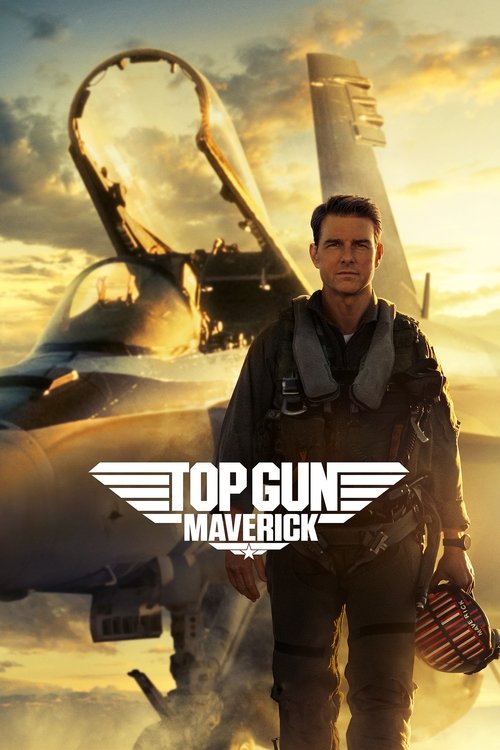
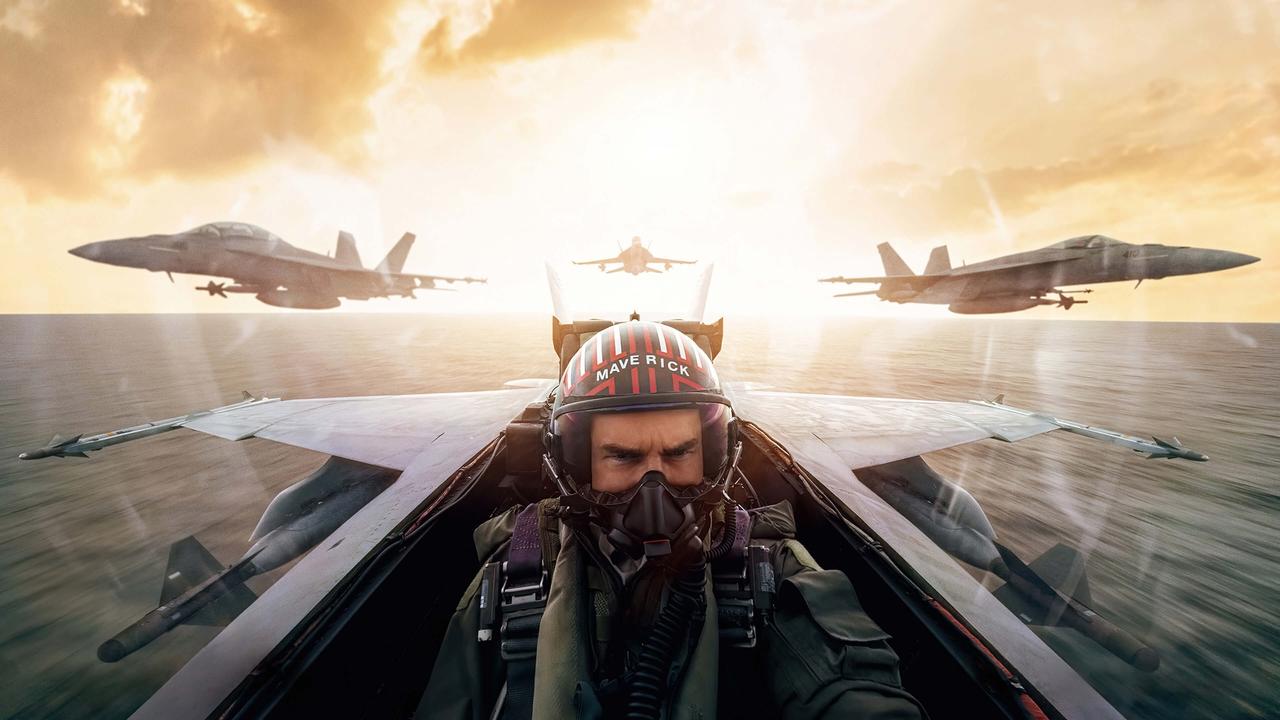
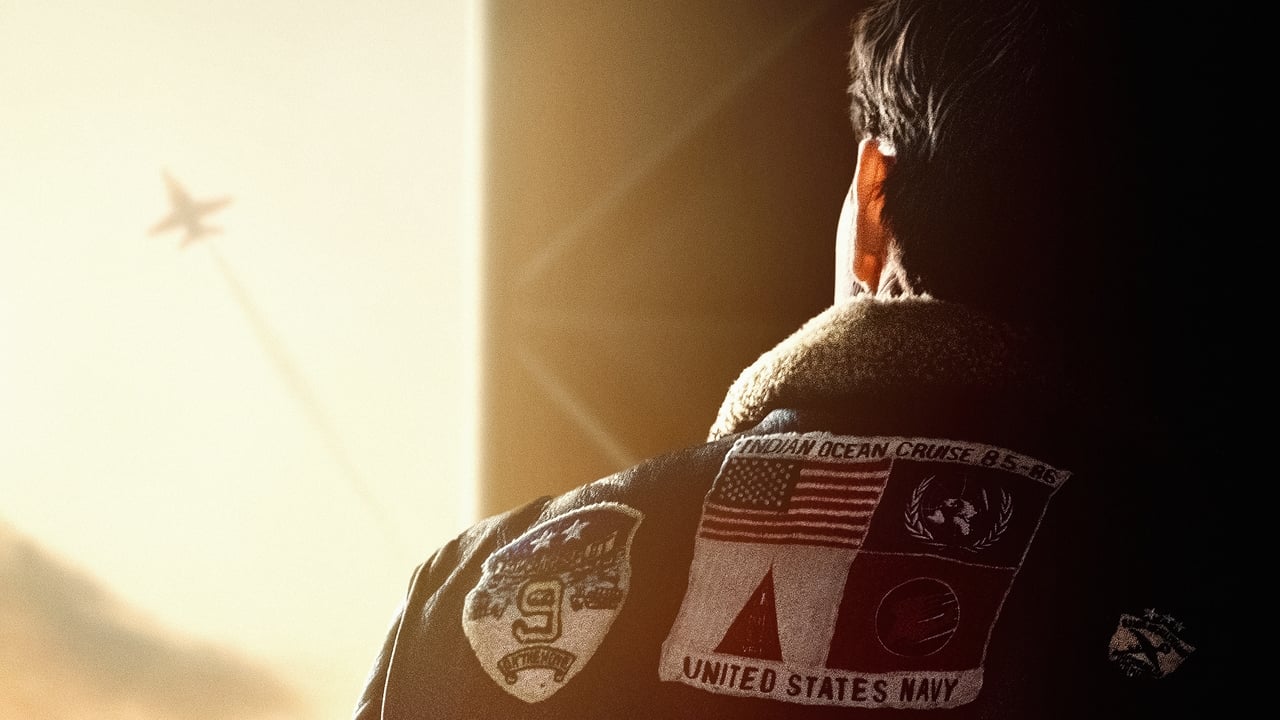
There is a specific, bone-rattling hum that occurs when a F/A-18 Super Hornet screams past a camera at five hundred knots, and it’s a sound I didn’t realize I was starving for until I sat down to watch Top Gun: Maverick. In a cinematic landscape increasingly defined by "the gray sludge"—that weightless, floaty CGI look that plagues so many modern blockbusters—this film arrived like a bucket of ice water to the face. It didn't just invite me back to the theater; it pinned me to the back of my seat and demanded I acknowledge the physical reality of a human being strapped into a multi-million dollar engine.
I caught this on a Tuesday afternoon in a theater where the air conditioning was apparently set to "Arctic Tundra," and I’m convinced the shivering actually helped me simulate the high-altitude jitters of the final act.
The Physics of the Frame
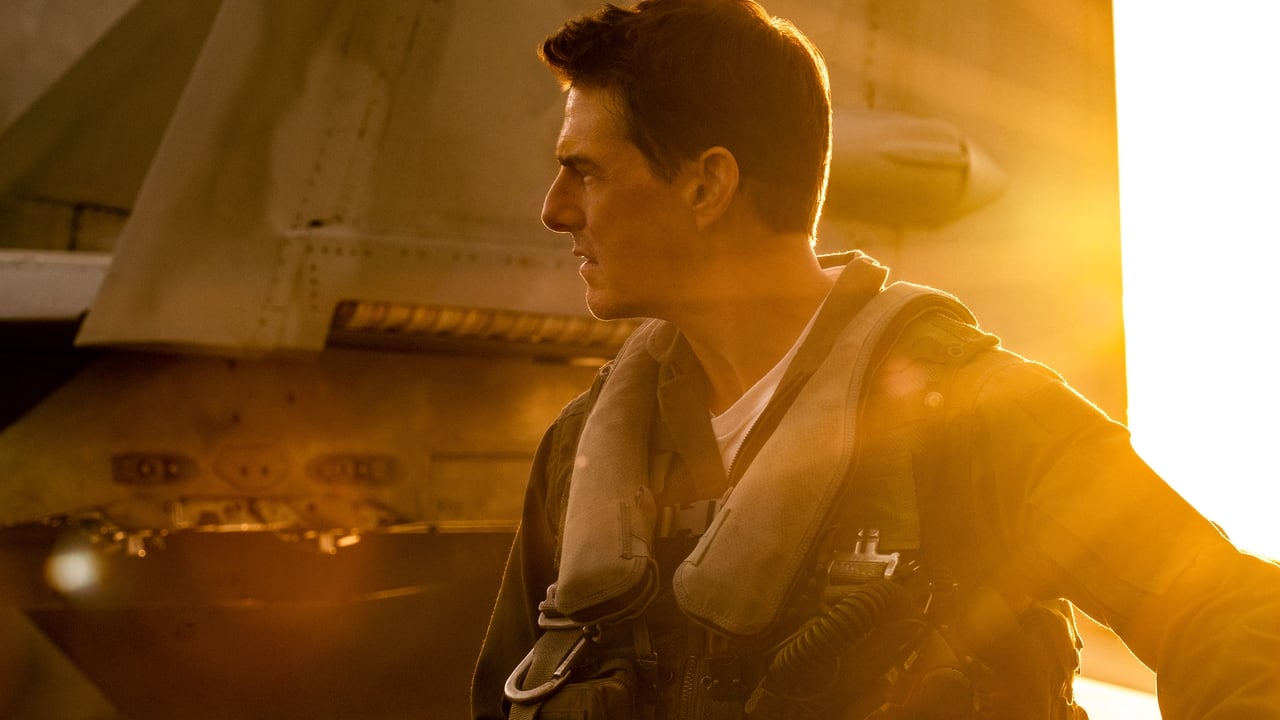
What Joseph Kosinski (who previously worked with Cruise on Oblivion) achieved here is a masterstroke of clarity and weight. Usually, when a film enters the "contemporary cinema" conversation, we're talking about how well the digital doubles blend with the background. Here, the conversation is about the Sony Venice 2 cameras crammed into the cockpits, capturing Tom Cruise and Miles Teller as they endure actual G-forces that turn their faces into puddles of stressed skin.
The action choreography isn't just about things blowing up; it's about the geometry of the dogfight. I could actually tell where every plane was in relation to the others, a feat of editing by Eddie Hamilton that feels like a lost art in an era of "shakey-cam" obfuscation. The mission itself is essentially a "trench run" through a needle-thin canyon, and the way the film builds that tension—layered with the percussive, metallic roar of the engines—is a reminder that the beach football scene is technically superior to the original volleyball scene, and I will die on that hill. It’s not just fanservice; it’s a tactical demonstration of the film's commitment to making us feel the heat and the stakes.
The Ghost in the Machine
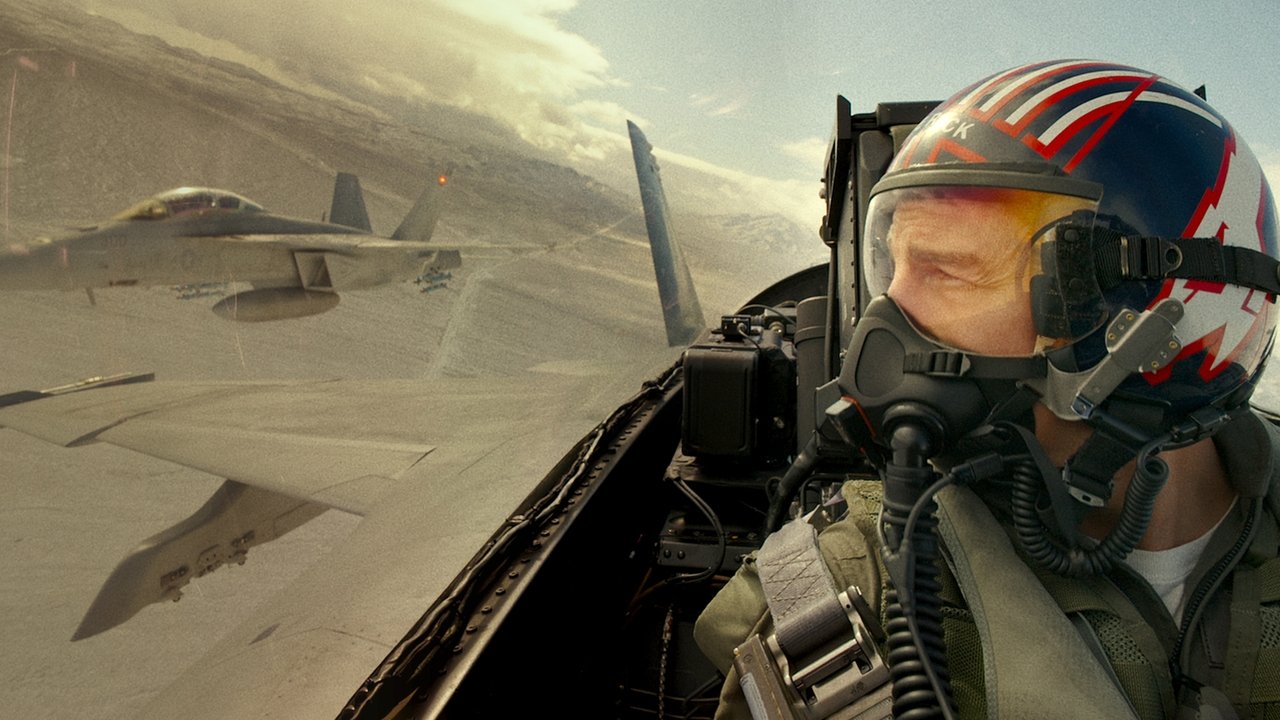
Beyond the hardware, this is a legacy sequel that actually understands the passage of time. Tom Cruise isn't playing the 1986 version of Maverick; he’s playing a man who is acutely aware that he is a "dinosaur" in an age of drones and automated warfare. There’s a beautiful, weary vulnerability to his performance here that we rarely see from the world’s most famous daredevil.
The emotional centerpiece, of course, is the scene with Val Kilmer. Bringing back Adm. Tom 'Iceman' Kazansky wasn't just a nod to the past; it was a heartbreaking acknowledgement of real-world struggle. Val Kilmer’s voice was partially reconstructed using AI and archival audio due to his battle with throat cancer, but the performance is all in the eyes. It’s the one moment the film slows down to let the characters breathe, and it gives the high-octane spectacle that follows a much-needed soul. Without that anchor, the tension between Maverick and Miles Teller’s Rooster (who nails the mustache and the brooding resentment of a son living in a shadow) might have felt like standard blockbuster melodrama.
Prestige in the Age of Streaming
It’s fascinating to look at Top Gun: Maverick through the lens of its "awards contender" status. We don't usually see "legacy sequels" nominated for Best Picture at the Academy Awards, but this film broke the mold. It was a massive financial success, grossing nearly $1.5 billion, but its legacy is tied to the fact that it essentially saved the theatrical experience post-pandemic. Steven Spielberg was famously caught on video telling Tom Cruise he "saved Hollywood’s ass," and he wasn't exaggerating.
The film's technical pedigree is undeniable. It picked up six Oscar nominations, eventually winning for Best Sound—a win that feels entirely justified when you hear the way the score by Hans Zimmer and Lorne Balfe weaves the iconic 1986 themes into a modern, pulsating rhythmic drive. The cinematography by Claudio Miranda (who won an Oscar for Life of Pi) uses the natural light of the California desert and the high-contrast cockpit interiors to create a look that feels both "prestige" and "gritty" at the same time. It’s a film that proves you can have high-brow craft in a low-brow genre.
Ultimately, Top Gun: Maverick is a miracle of modern filmmaking because it uses 21st-century technology to celebrate 20th-century craftsmanship. It acknowledges the "franchise fatigue" we all feel and counters it with genuine stakes, practical stunts, and a story that values character growth over "universe building." I left the theater feeling exhilarated, not just because of the dogfights, but because I’d seen a movie that actually respected my time and my senses. It is, quite simply, the gold standard for what a blockbuster can be in our current era.
Keep Exploring...
-

F1
2025
-
Only the Brave
2017
-

Top Gun
1986
-

Logan
2017
-
1917
2019
-
Ford v Ferrari
2019
-
Mission: Impossible - Dead Reckoning Part One
2023
-
Mission: Impossible - The Final Reckoning
2025
-

Mission: Impossible - Rogue Nation
2015
-
American Made
2017
-
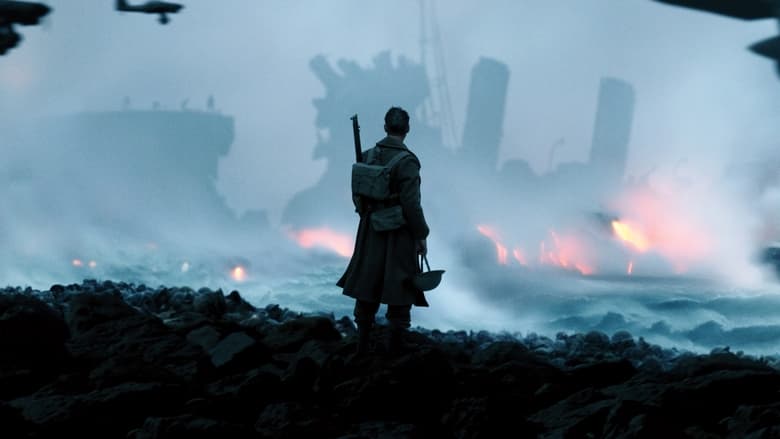
Dunkirk
2017
-
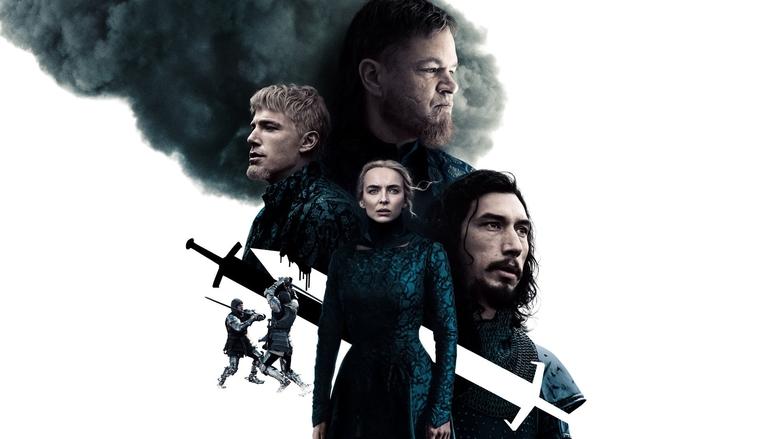
The Last Duel
2021
-
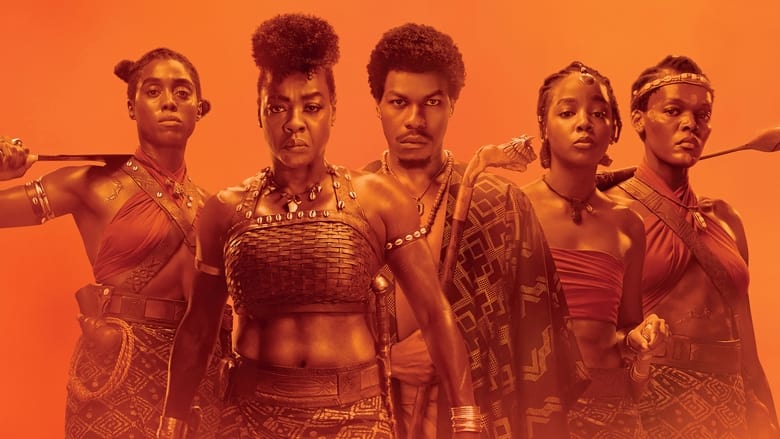
The Woman King
2022
-

Gran Turismo
2023
-
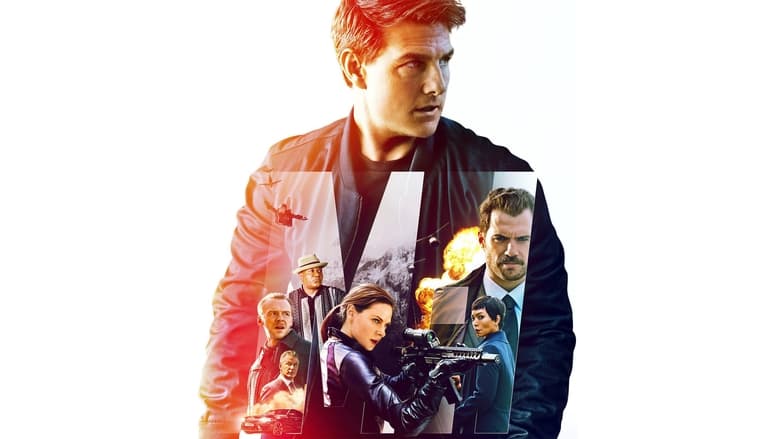
Mission: Impossible - Fallout
2018
-

Hotel Mumbai
2019
-
Ip Man 4: The Finale
2019
-
Greyhound
2020
-
RRR
2022
-
The Greatest Showman
2017