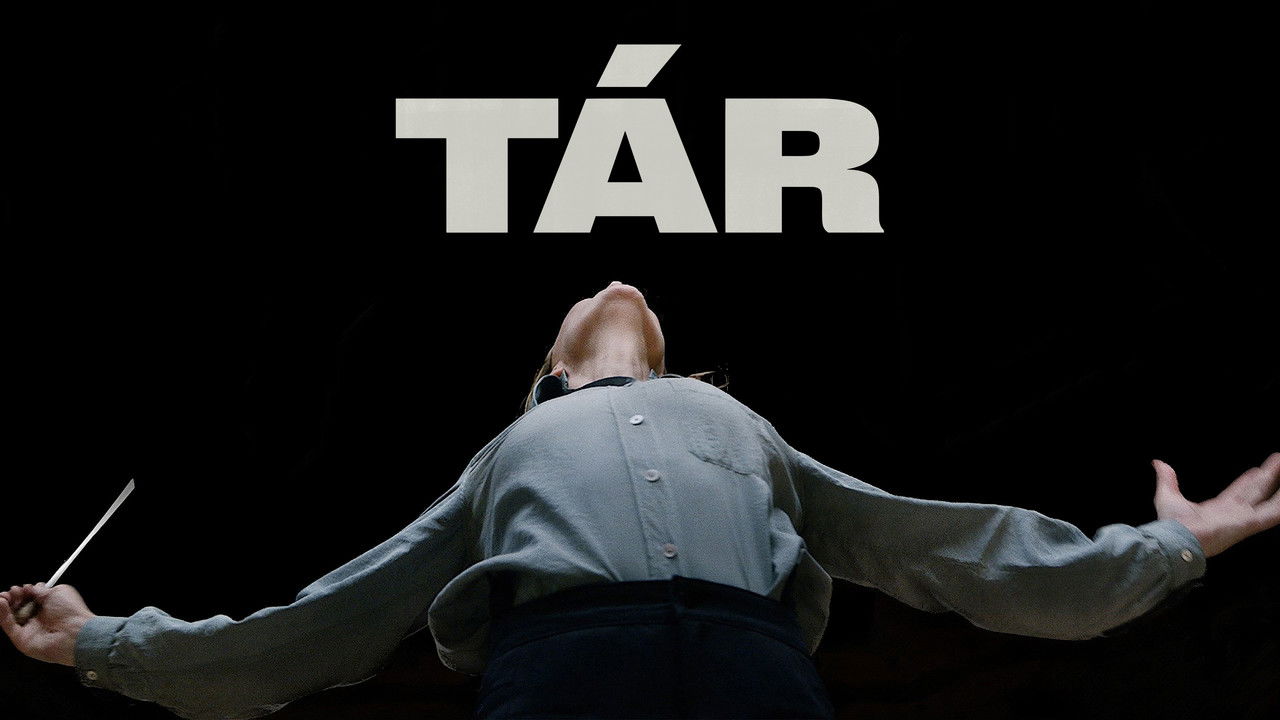
TÁR
"Precision is a dangerous weapon."
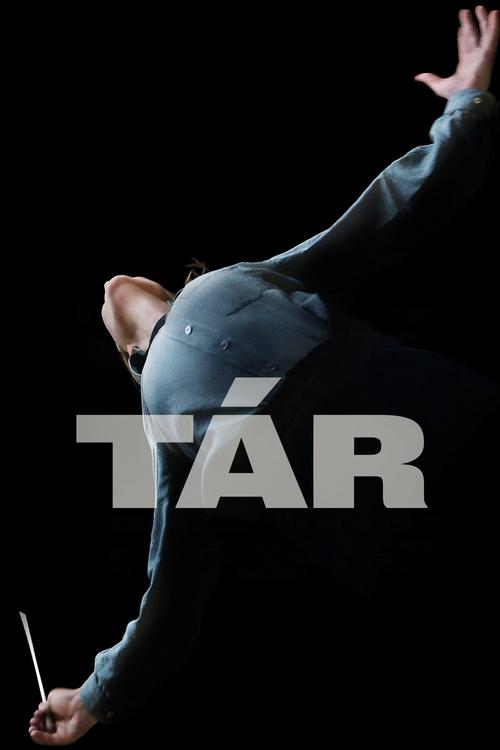
I remember sitting in the theater during those opening credits—you know, the ones that roll at the beginning of the film for a full five minutes—and thinking, Todd Field was either a genius or trying to clear the room of anyone with an attention span shorter than a TikTok. It turns out, he’s both. I watched this while wearing a pair of noise-canceling headphones that I’m 90% sure were giving me a mild migraine, but I refused to take them off because the sound design in this film demands that you hear every floorboard creak and every shallow breath.
TÁR isn’t just a movie about a conductor; it’s a high-tension psychological haunting that feels like it was whispered into existence by a very sophisticated demon. It’s a film that arrived exactly when we needed it—not because it has "answers" to our current cultural shouting matches, but because it’s brave enough to ask the messiest questions possible.
The Blanchett Symphony
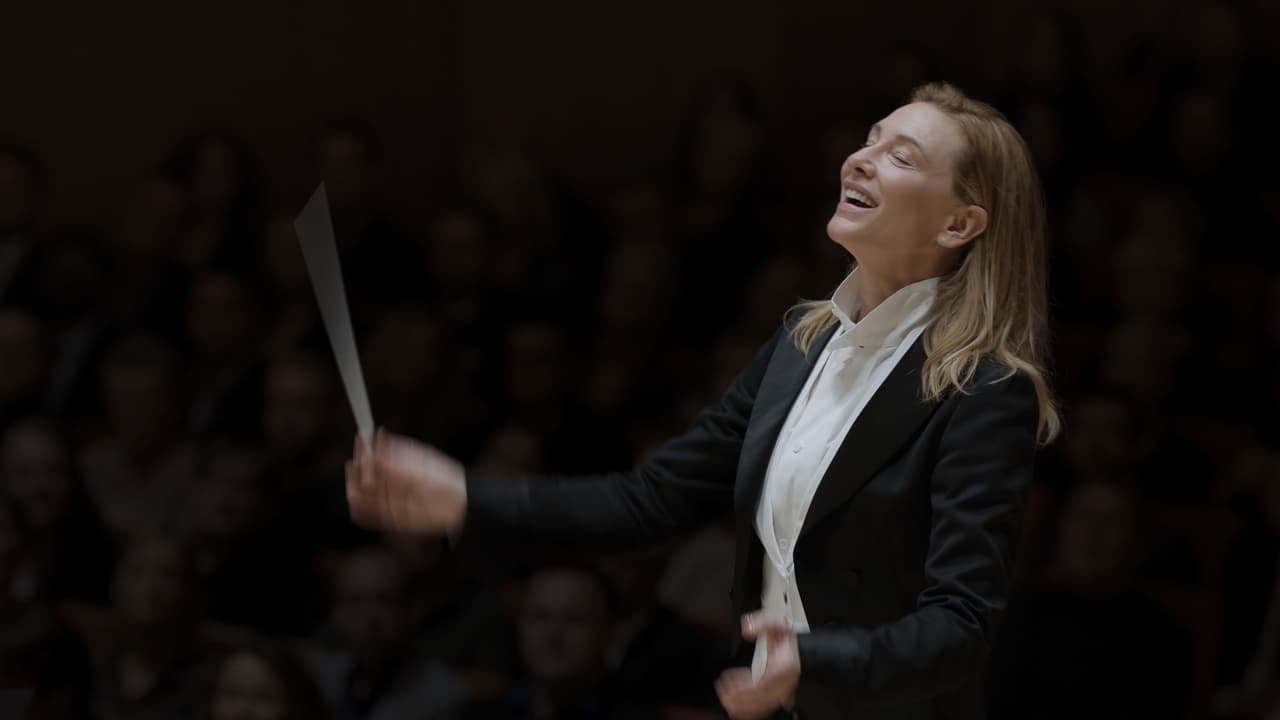
Let’s get the obvious out of the way: Cate Blanchett is doing something here that shouldn't be legally possible. As Lydia Tár, the first female chief conductor of the Berlin Philharmonic, she is a skyscraper of a human being—imposing, architectural, and slowly being demolished from the inside. Watching her prepare for a career-defining recording of Mahler’s 5th Symphony is like watching a master clockmaker who is slowly realizing the gears are made of human bone.
Blanchett (whom you might remember as the ethereal Galadriel in The Lord of the Rings or the crumbling socialite in Blue Jasmine) plays Lydia as a woman who has "won" the game of life by adopting every predatory tactic of the men she replaced. When she’s on screen, the air feels thinner. Whether she’s brutally dismantling a "woke" Juilliard student in a breathtaking ten-minute long take or obsessively checking the placement of her metronomes, she is magnetic.
But the real magic is in the ensemble. Nina Hoss, as Lydia’s wife and first violinist Sharon, is the quiet MVP. She plays a woman who knows exactly where the bodies are buried because she helped dig the holes. Then there’s Noémie Merlant (Portrait of a Lady on Fire) as Francesca, the assistant who is basically a human sponge for Lydia’s toxicity, waiting for her own moment to squeeze back.
A Ghost Story for the Cancel Culture Era
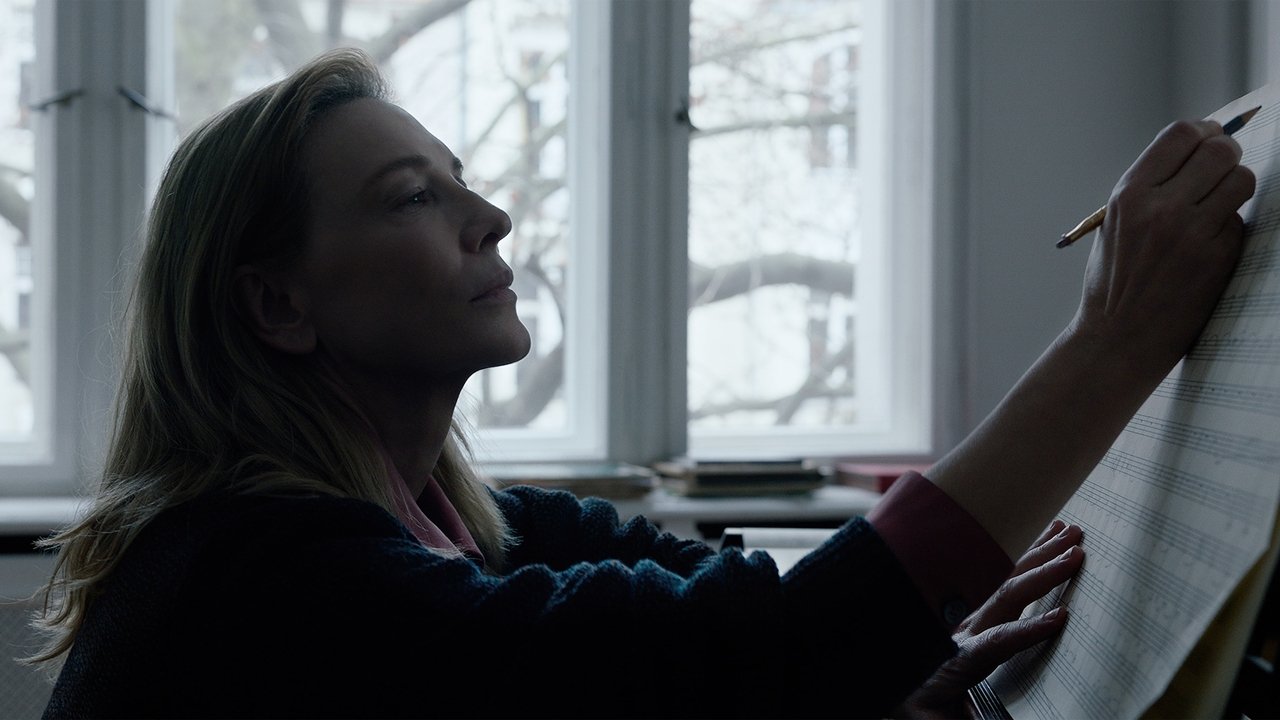
In the "streaming era," we’ve become obsessed with movies that tell us exactly how to feel. TÁR refuses to do that. It’s a film about power, the abuse of it, and the way genius is used as a shield for ghoulish behavior. It captures our current moment perfectly—the way a single cell phone video can dismantle a legacy, the way social media discourse moves like a virus, and the mounting anxiety of being "found out."
However, calling it a "cancel culture movie" is reductive. To me, it felt more like a ghost story. As Lydia’s past choices begin to catch up with her, the film starts to bleed into horror. There are sounds in the distance—screams in the woods, a ticking clock that shouldn't be there, a recurring pattern on a piece of paper. Lydia Tár is basically just a high-fashion version of a corrupt middle-manager at a tech startup, convinced of her own indispensability while the walls are literally closing in.
Todd Field (who hadn’t directed a film since Little Children in 2006) manages to make a 158-minute drama about classical music feel more suspenseful than most Marvel movies. He doesn't use CGI or explosions; he just uses the terrifying reality of a woman losing her grip on the one thing she can’t control: her own narrative.
The Craft Behind the Baton
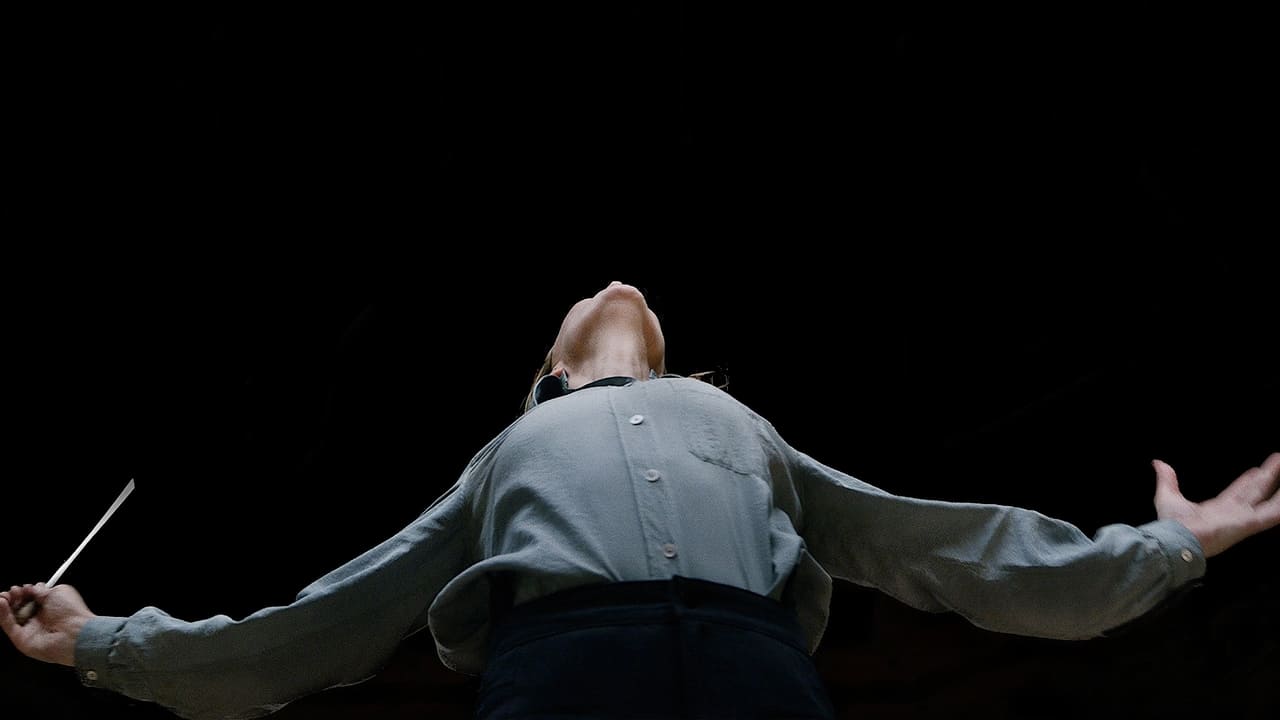
If you’re a trivia hound, the production of this film is a goldmine. Cate Blanchett didn't just "act" like a conductor; she actually learned to play the piano, spoke German, and studied the specific physical language of conducting so she could lead the Dresden Philharmonic for real during filming. She’s not faking those gestures; she’s actually keeping time.
Then there’s Sophie Kauer, who plays the young cellist Olga. She wasn't an actor before this; she’s a world-class musician who beat out hundreds of others because Field wanted the music to be authentic. You can feel that authenticity in every frame. The score, composed by Hildur Guðnadóttir (the mastermind behind the haunting sounds of Joker and Chernobyl), is intentionally sparse. Most of the "music" in the film is just the sound of rehearsal—the scraping of chairs, the tuning of strings—which makes the eventual descent into silence all the more deafening.
TÁR is the kind of film that makes you want to go to a bar afterward and argue for three hours. It’s intellectually dense but never boring, mostly because it’s so damn mean. It’s a tragedy, a satire, and a thriller all rolled into one impeccably tailored suit.
If you’ve been feeling like modern cinema has become a bit too "safe" or predictable, this is the antidote. It’s a cold, brilliant, and deeply uncomfortable look at what happens when the pedestal we build for our idols finally snaps. Just don't expect to come away liking Lydia—but you will absolutely be obsessed with her.

Keep Exploring...
-

Judy
2019
-
Ma Rainey's Black Bottom
2020
-
A Complete Unknown
2024
-

Little Children
2006
-

Black Bag
2025
-

All Eyez on Me
2017
-

A Star Is Born
2018
-
Disobedience
2018
-

I Still Believe
2020
-

CODA
2021
-

Bohemian Rhapsody
2018
-
The Ballad of Buster Scruggs
2018
-
Rocketman
2019
-
The Dirt
2019
-

Sound of Metal
2020
-
tick, tick... BOOM!
2021
-
Bob Marley: One Love
2024
-
Battle of the Sexes
2017
-

Detroit
2017
-
I Kill Giants
2017