Where the Crawdads Sing
"Nature doesn't have a courtroom."
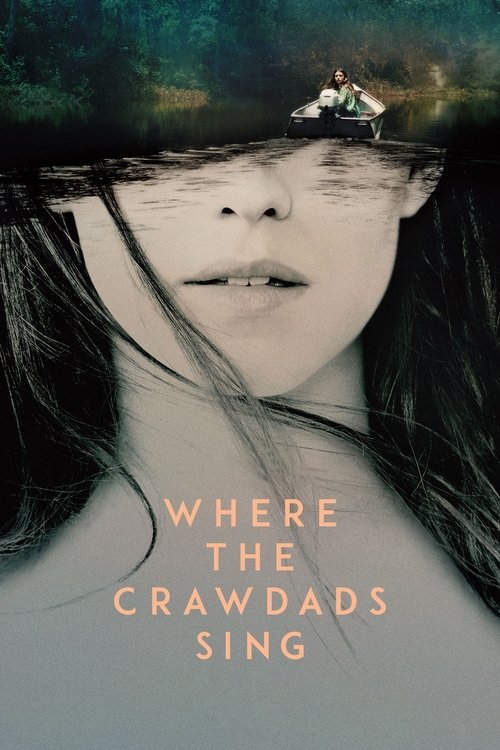
There is a specific kind of silence that exists only in a movie theater right before a massive book adaptation begins. It’s a mix of reverence and skepticism, the sound of thousands of readers holding their breath to see if the "Marsh Girl" in their heads matches the one on the screen. When I sat down to watch Where the Crawdads Sing, my seat was slightly sticky from a spilled Sprite and my phone was blowing up with texts from my mom asking if I’d seen "the dress" yet. This is the modern moviegoing experience: a blend of high-stakes literary expectation and the mundane reality of sticky floors.
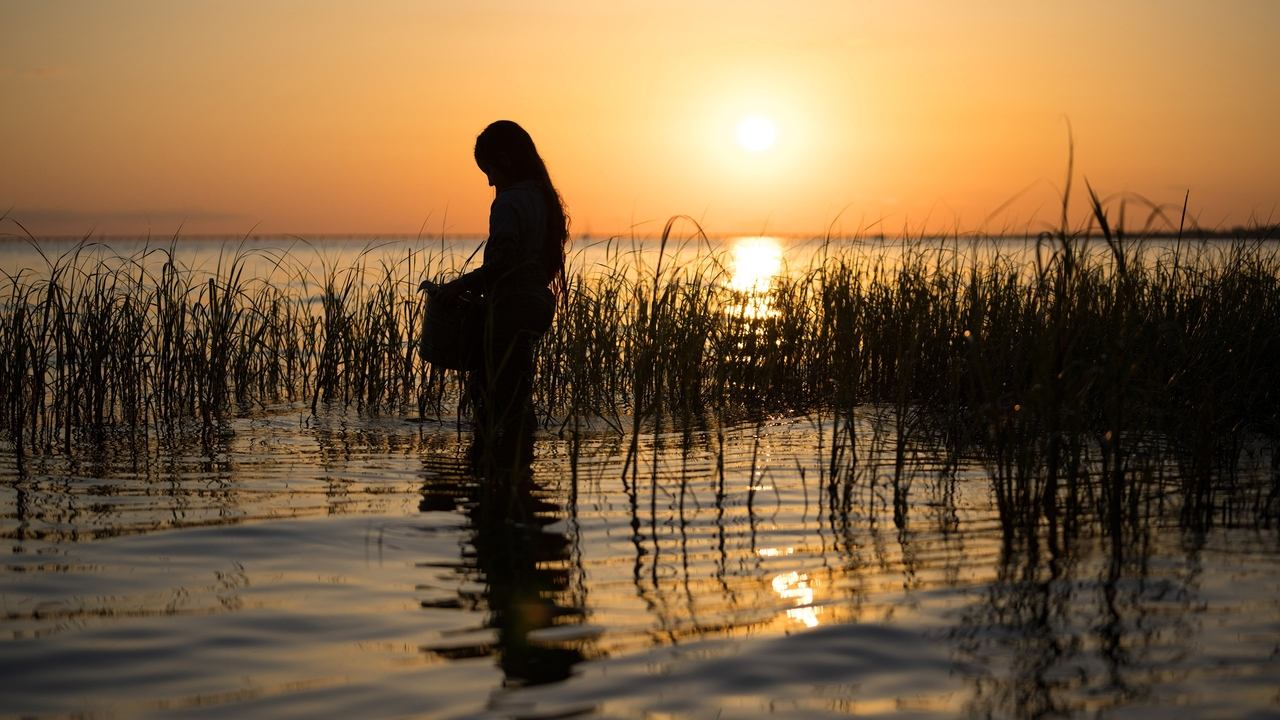
Delia Owens’ novel was a juggernaut, the kind of "Big Book" that defined the late 2010s, and the film arrived in 2022 as a curious artifact of the post-pandemic box office. While critics were busy sharpening their knives, audiences were buying tickets in droves. It’s a fascinating case study in the divide between "prestige" cinema and "popular" storytelling. Is it a masterpiece of southern gothic noir? Not exactly. But as a piece of atmospheric, heart-tugging drama, it understands its assignment perfectly.
The Wild and the Polished
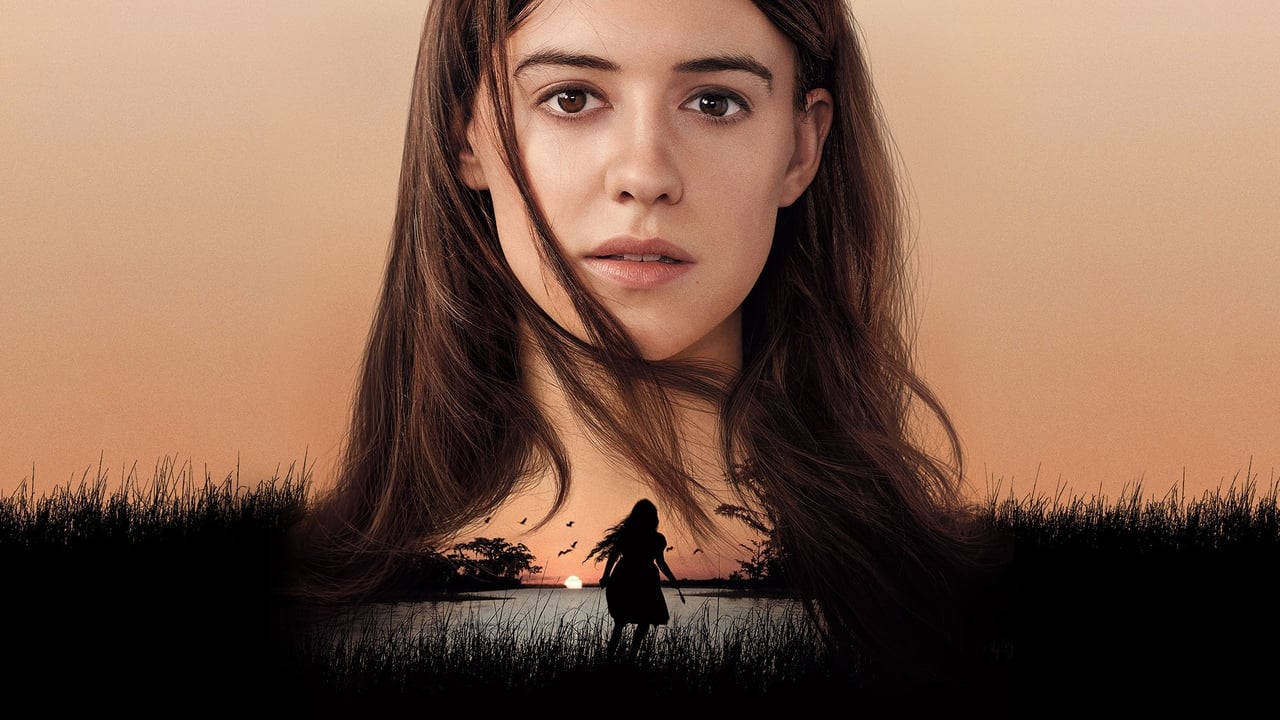
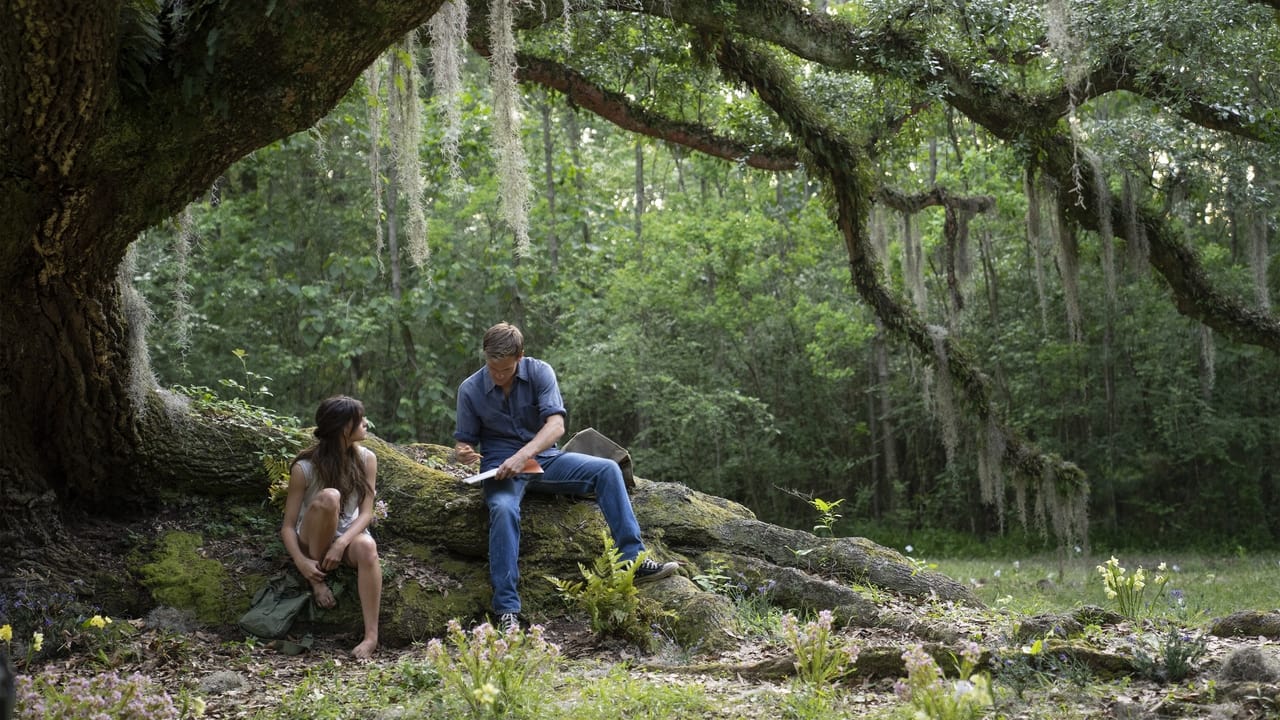
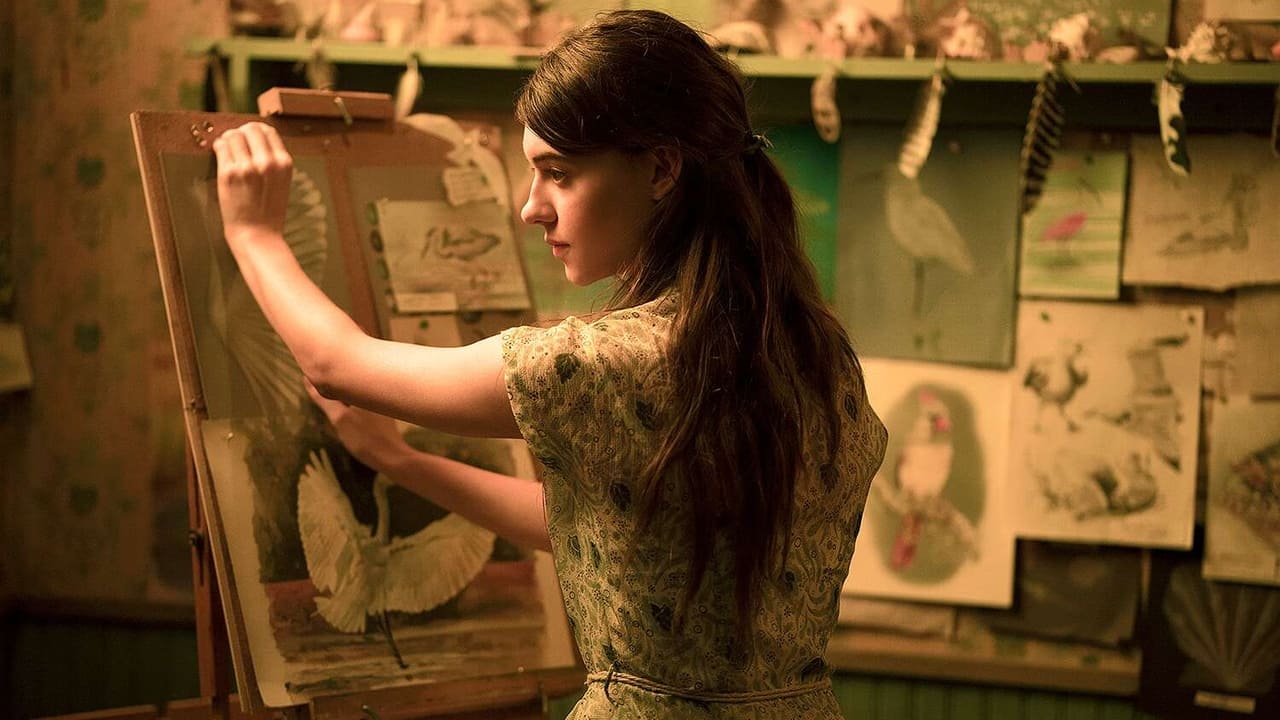
At the center of the marsh is Daisy Edgar-Jones as Kya Clark. She carries the film with a wide-eyed, tremulous intensity that makes you believe she could survive a storm but might break if you spoke to her too loudly. The film asks a heavy philosophical question: can a human being, abandoned by society, revert to a purely biological state? Kya’s life is governed not by the laws of North Carolina, but by the laws of the swamp—predators, prey, and the necessity of camouflage.
However, there’s a persistent "Hollywood-ness" that threatens the film’s intellectual weight. Kya has been living alone in the wild since she was a child, yet her hair consistently looks like she just stepped out of a salon in 2022. I couldn't help but think that she has better lighting in a swamp than I do in my own bathroom. This visual polish occasionally undercuts the grit of the story. When we see her struggle for food, it’s hard to reconcile that struggle with her perfectly curated, vintage-chic wardrobe. It’s a drama that wants to be about the harshness of nature while looking like a high-end perfume commercial.
A Trial of Two Worlds
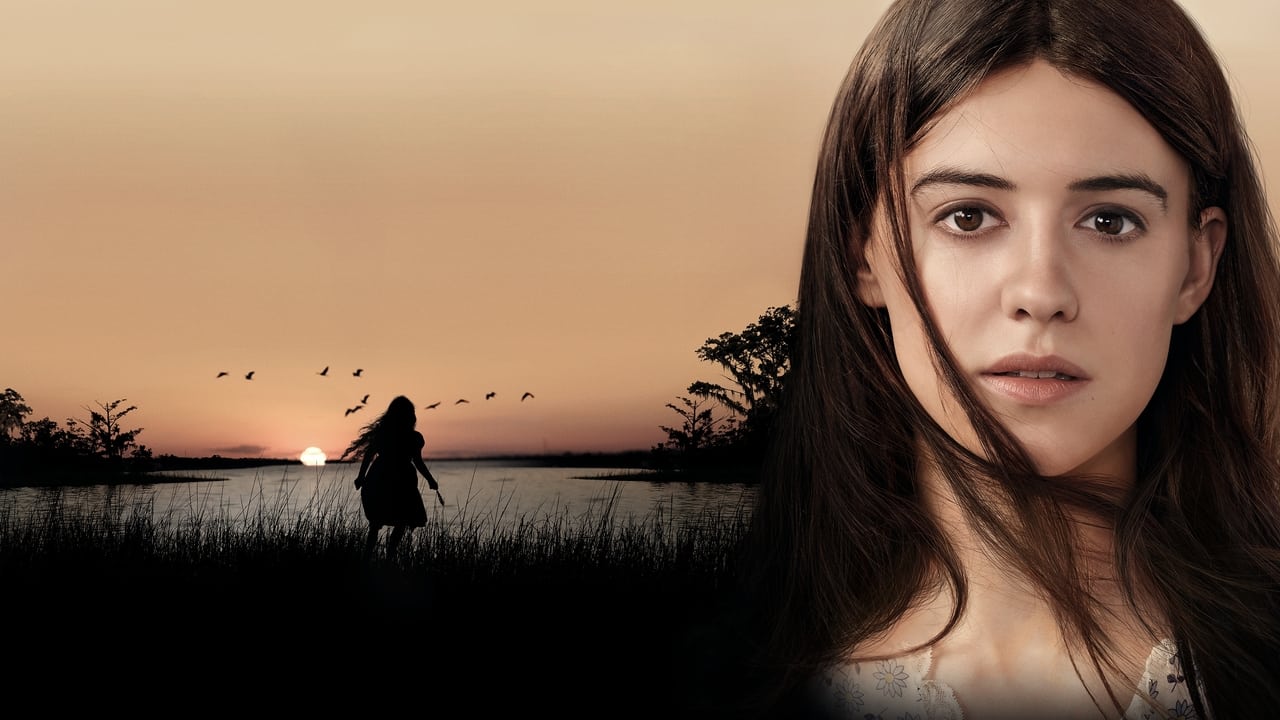
The narrative is split between Kya’s coming-of-age and the 1969 murder trial of Chase Andrews, played with a convincing "golden boy" entitlement by Harris Dickinson. The courtroom scenes provide the structure, featuring a soulful David Strathairn as the town lawyer who sees the humanity behind the "Marsh Girl" myth. These scenes are where the film tries to grapple with its bigger ideas: how we label the "other" and the way small-town prejudice acts as a different kind of predator.
The romance, unfortunately, feels a bit more formulaic. Taylor John Smith plays Tate Walker, the boy who teaches Kya to read and subsequently breaks her heart. Their chemistry is sweet, but it pales in comparison to the chemistry Kya has with the actual landscape. The cinematography by Polly Morgan is the real star here. She captures the Louisiana locations (standing in for North Carolina) with a lushness that makes the marsh feel like a cathedral. It’s easy to see why audiences flocked to this; in an era of green-screen Marvel movies, seeing actual Spanish moss and shimmering water feels like a luxury.
The Power of the "Reese" Brand
We have to talk about the "Hello Sunshine" effect. Producer Reese Witherspoon has essentially cracked the code for modern mid-budget filmmaking. In an industry obsessed with franchises, she found a way to turn best-selling novels into their own kind of IP. Where the Crawdads Sing was a massive hit, turning a $24 million budget into over $140 million worldwide. That’s a staggering win for a standalone drama in the 2020s.
Part of that success came from a masterclass in modern marketing. Taylor Swift, a fan of the book, wrote an original song ("Carolina") for the film before it was even finished, using instruments from the 1950s to give it an eerie, authentic feel. This cross-pollination of fandoms—book lovers, Swifties, and drama fans—created a "must-see" event that bypassed traditional critical approval. It’s a reminder that in the streaming era, a theatrical release can still thrive if it taps into a specific cultural nerve.
The production itself wasn't all sunsets and poetry, though. The crew had to deal with grueling Louisiana heat, relentless mosquitos, and actual lightning strikes that frequently shut down filming. There’s a funny irony in a crew using millions of dollars of tech to simulate the "simple life" while battling the very nature they were trying to capture.
Ultimately, Where the Crawdads Sing is a beautifully wrapped gift that’s a little hollow inside. It touches on profound themes of isolation and the ethics of survival—asking if a "natural" act can be considered a "criminal" one—but it often chooses sentimentality over the darker, weirder possibilities of its premise. It’s a film that succeeds more as a sensory experience than a psychological one.
If you’re looking for a movie that lets you get lost in a gorgeous, rain-soaked world for two hours, this is it. It’s a solid, reliable drama that honors its source material without ever quite transcending it. It didn't change the way I look at the world, but it did make me want to buy a boat and move to the coast—provided I could bring my cat and a lifetime supply of popcorn with me.
Keep Exploring...
-
Love, Simon
2018
-

Five Feet Apart
2019
-
The Art of Racing in the Rain
2019
-
I Still Believe
2020
-
A Ghost Story
2017
-
The Ballad of Buster Scruggs
2018
-
It Ends with Us
2024
-
Loving Vincent
2017
-
Forever My Girl
2018
-
Midnight Sun
2018
-
All the Bright Places
2020
-
Clouds
2020
-
Gabriel's Inferno: Part II
2020
-
Gabriel's Inferno: Part III
2020
-
Gabriel's Inferno
2020
-
Life in a Year
2020
-
Purple Hearts
2022
-
Sound of Freedom
2023
-
The Longest Ride
2015
-
Murder on the Orient Express
2017