X
"Youth is a fleeting, bloody thing."
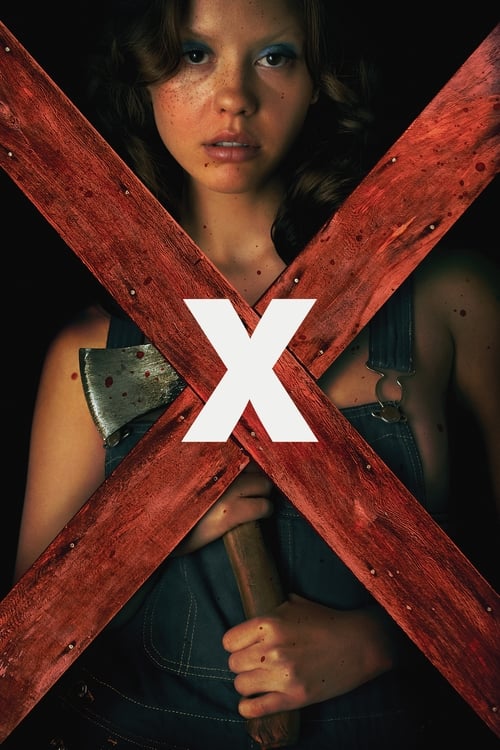
There is a specific kind of cinematic sweat that you can only find in the Texas-set horror of the 1970s—a grimy, sun-bleached humidity that makes you want to take a shower just looking at the screen. Ti West didn’t just try to copy that aesthetic in X; he lived in it, marinated in it, and then invited us over for a very messy barbecue. While most modern slashers feel like they’ve been scrubbed clean by digital polish, X arrives looking like it was found in a dusty basement, smelling of cheap gasoline and unfulfilled dreams.
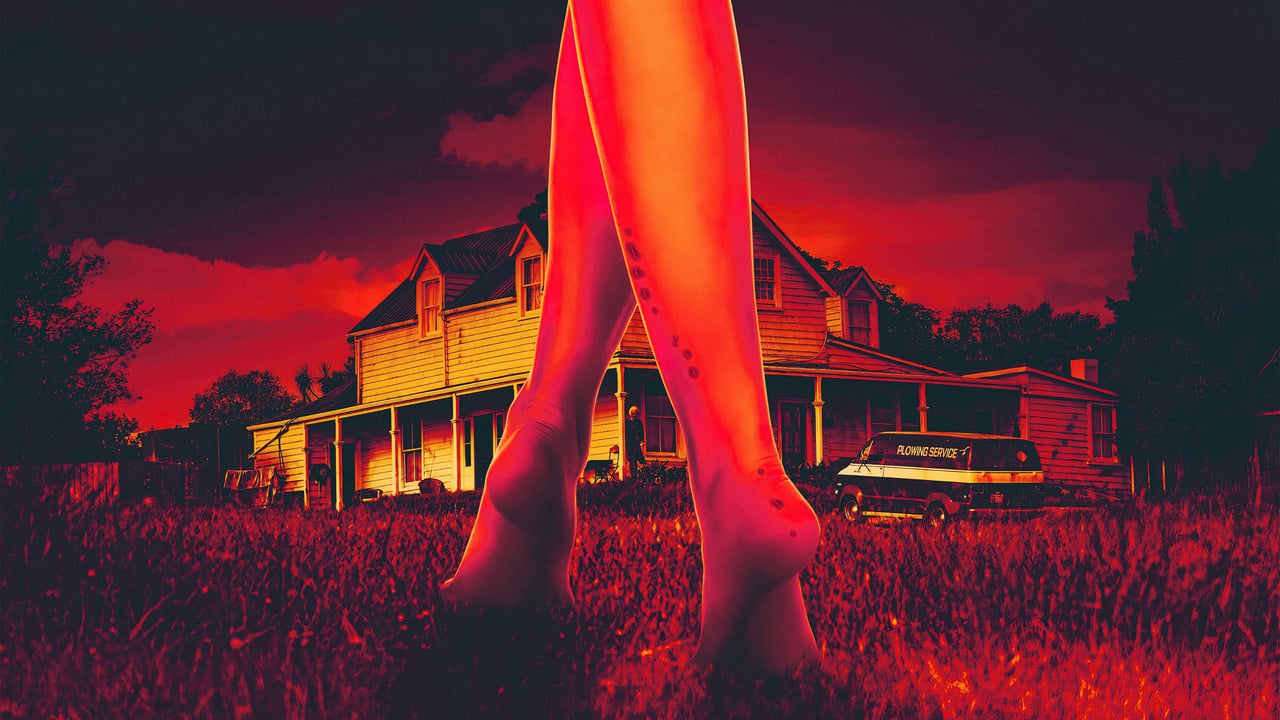
I watched this for the first time on a Tuesday night while eating a lukewarm bowl of leftover pad thai, and honestly, the slightly rubbery texture of the noodles felt like a disturbingly appropriate sensory accompaniment to the film’s practical effects. It’s a movie that demands you feel something tactile, even if that something is a bit of nausea.
Shooting for the Stars (and the Screams)
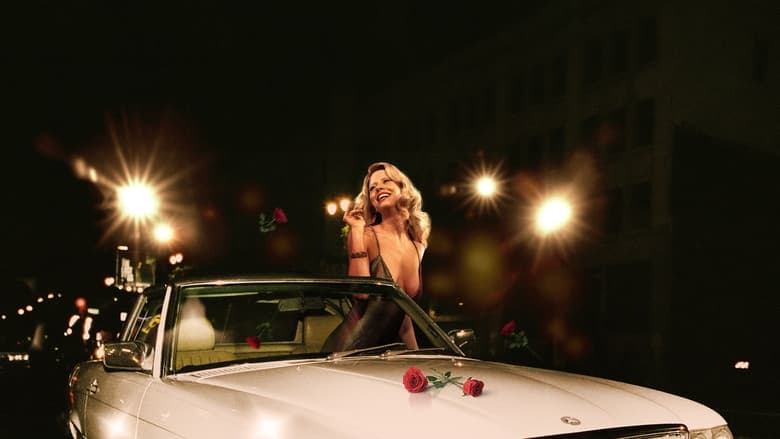
The setup is classic exploitation fodder: a ragtag group of aspiring filmmakers heads to a rural farmhouse in 1979 to shoot an adult film called The Farmer's Daughters. They want to be famous, they want to be rich, and they want to make "art" (or at least a very high-quality smut). Leading the charge is Wayne (Martin Henderson), a hustler with a cowboy hat and a dream, accompanied by his girlfriend Bobby-Lynne (Brittany Snow), the sensitive cameraman RJ (Owen Campbell), and his girlfriend Lorraine (Jenna Ortega), who starts the trip as a "good girl" and ends it as something much more complicated.
But the real heart of the film belongs to Maxine Minx, played with a fierce, coke-fueled determination by Mia Goth. Maxine has that "X factor," a hunger for stardom that borders on the religious. When they arrive at the farm owned by the reclusive, skeletal Howard and his wife Pearl, the film shifts from a fun "let’s make a movie" vibe into something much more suffocating.
It’s essentially a movie about how much it sucks to get old, hidden inside a movie about people getting stabbed. Usually, slashers treat the elderly as either wise mentors or creepy harbingers. Here, the horror isn't just that the hosts are killers; it's the reason they're killing: a bitter, heartbroken resentment of the youth and sexuality they no longer possess.
The Goth and the Grime
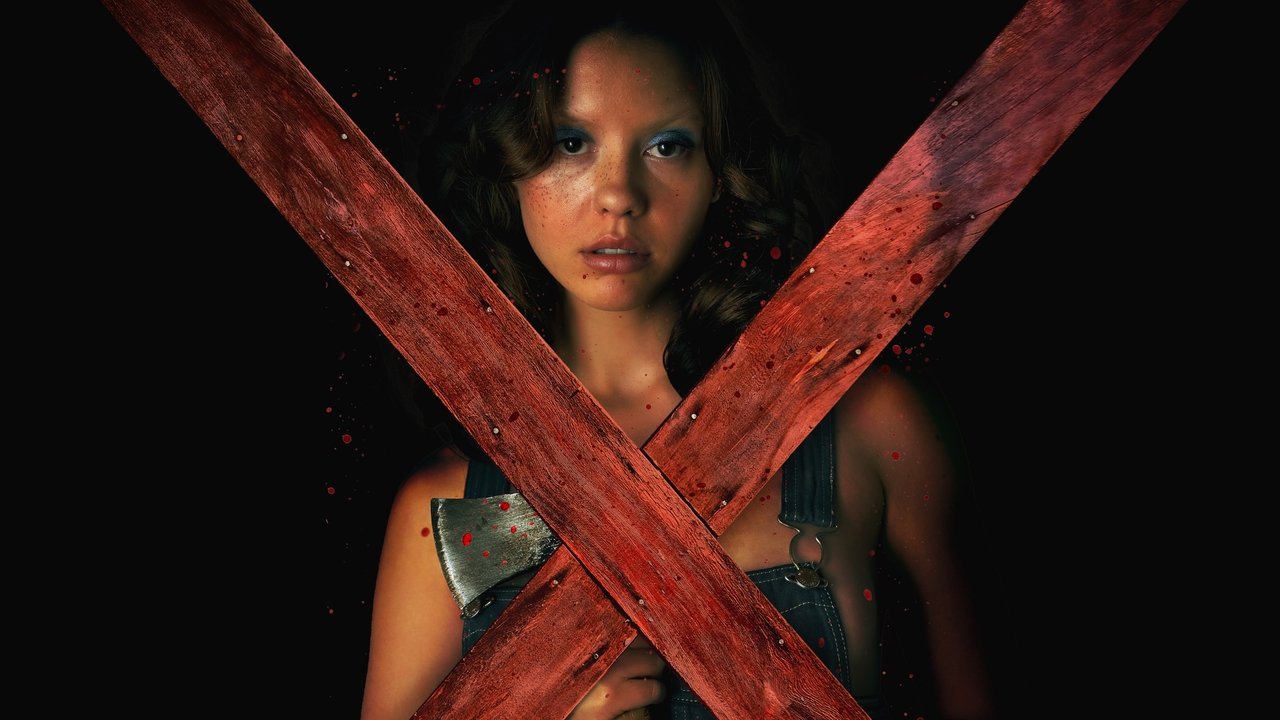
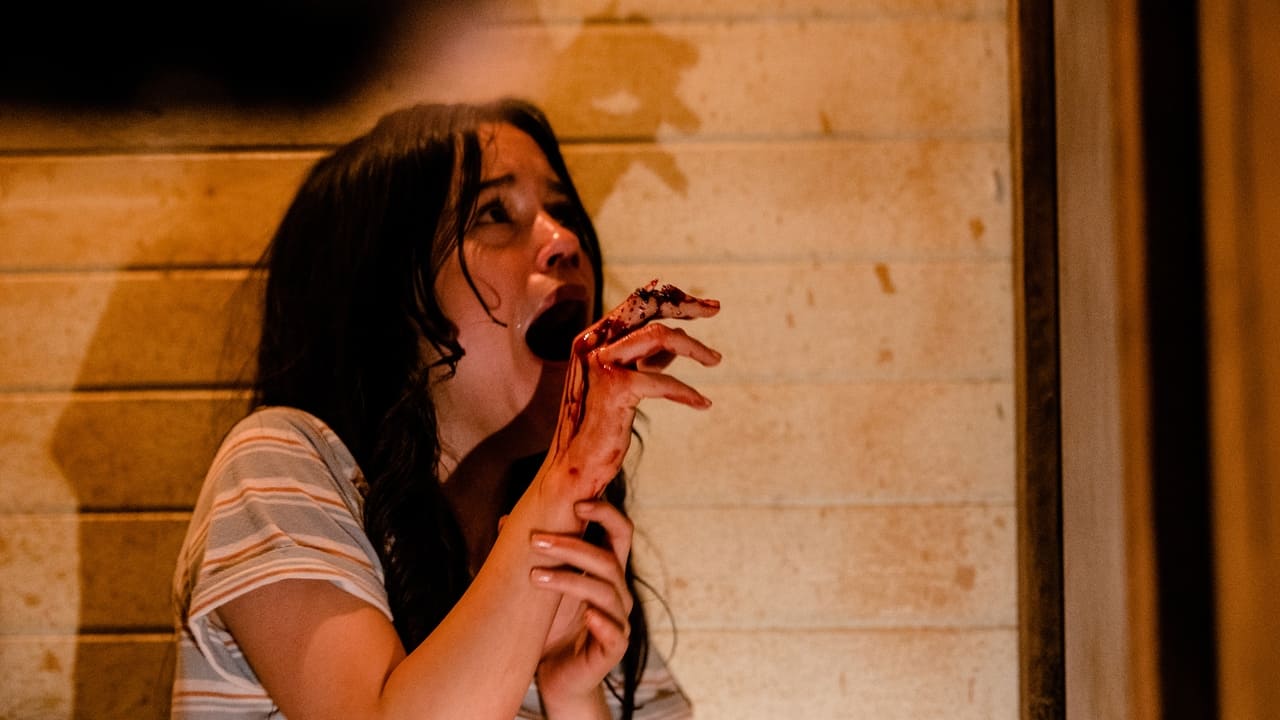
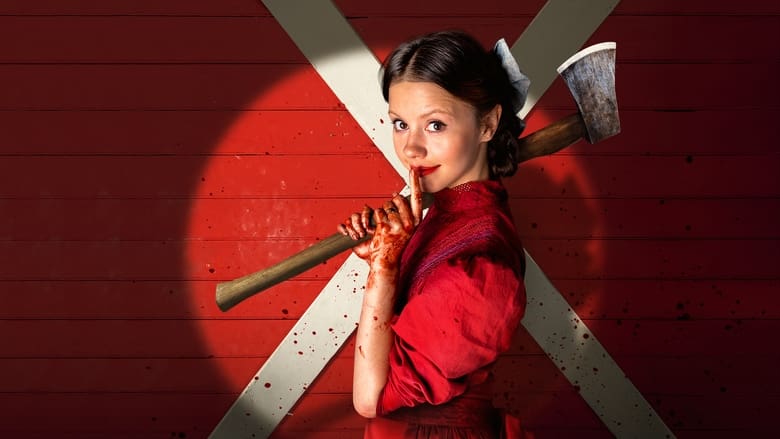
We have to talk about Mia Goth. In a decade that has been remarkably kind to "Scream Queens," she is doing something entirely different. She isn't just a final girl; she’s an architect of her own survival. The big secret of the production—which many missed until the credits rolled—is that Goth also plays the elderly Pearl under layers of incredible prosthetic makeup.
This isn't just a gimmick. Having the same actress play both the predator and the prey creates this haunting, Lynchian mirror effect. When Pearl looks at Maxine, she isn't just looking at a victim; she’s looking at a ghost of her former self. It adds a layer of psychological tragedy that you don’t usually get when someone is being chased by a masked guy in a jumpsuit.
The supporting cast is equally game. Kid Cudi (credited as Scott Mescudi) brings a surprising amount of charm and groundedness to Jackson, and Jenna Ortega proves why she’s become the go-to face for contemporary horror. Her transition from the quiet girl behind the boom mic to a full-throated participant in the chaos is one of the film’s best arcs. I’m convinced Jenna Ortega has the most expressive "terrified face" in the history of the SAG-AFTRA roster.
Why It Hits Different Now
In an era of "elevated horror"—a term I personally find a bit pretentious—X succeeds because it doesn't try to be "above" the genre. It loves being a slasher. It loves the jump scares, the creative kills (shoutout to that alligator), and the tension. But it uses those tools to talk about very modern anxieties: the obsession with being seen, the fear of fading into irrelevance, and the tension between traditional values and the "new" world.
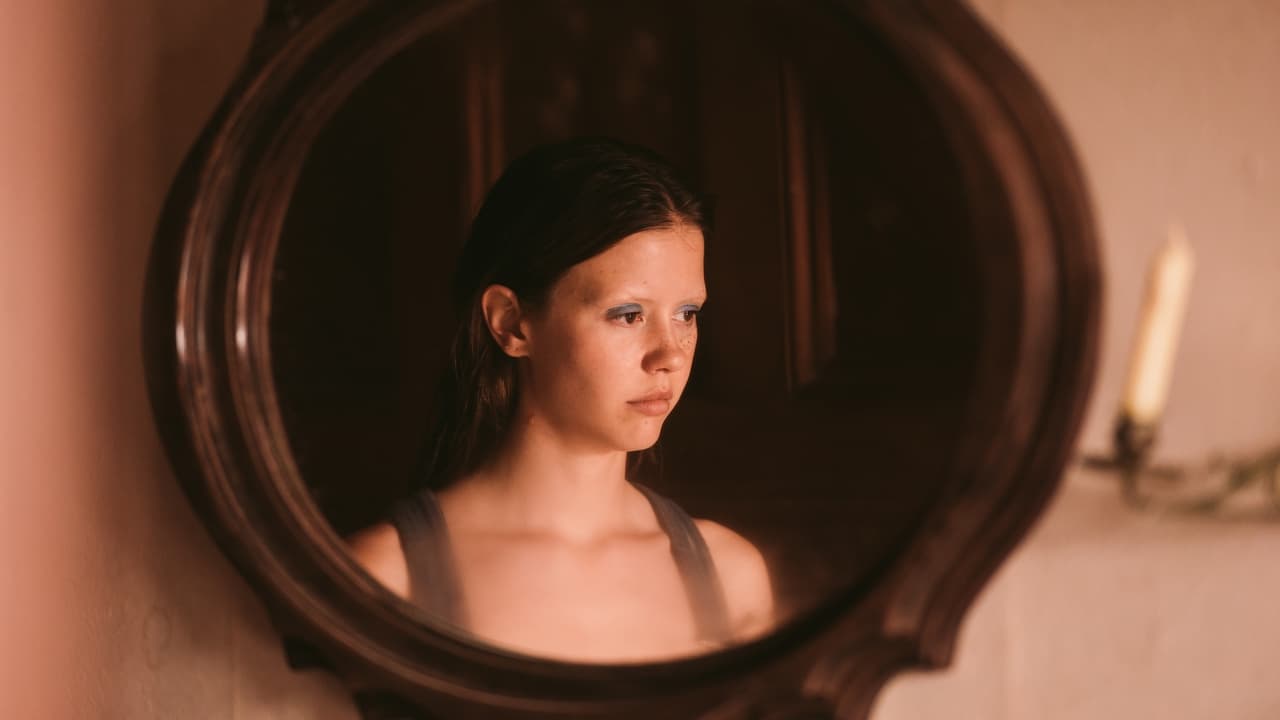
Production-wise, this was a masterclass in indie ingenuity. Shot in New Zealand during the height of the pandemic, Ti West managed to make the Kiwi countryside look exactly like the backwoods of Texas. He even shot the prequel, Pearl, back-to-back with this film, using the same crew and locations to maximize a tiny $1 million budget. That kind of "guerrilla" efficiency is exactly what made the original Texas Chain Saw Massacre so potent.
The cinematography by Eliot Rockett (who worked with West on The House of the Devil) is stunning. He uses match cuts that link the "fake" film being shot on 16mm with the "real" horror happening to the crew. It’s a love letter to the process of filmmaking itself—the long hours, the bad coffee, and the absolute conviction that you're making something that matters, even if you’re just filming in a barn with a couple of lights and a dream.
X is a reminder that the slasher genre isn't dead; it just needed a little bit of fresh blood and a lot of grit. It’s smart, mean, and surprisingly moving in its final moments. If you’re tired of horror movies that feel like they were written by an algorithm to maximize "brand engagement," go hang out with the crew of The Farmer's Daughters. Just, you know, maybe stay away from the guest house. And the pond. And the basement. Actually, just stay in the van.