A Haunting in Venice
"The ghosts of Venice are more than just shadows."

The third time is usually where cinematic franchises go to die or, at the very least, where they start smelling a bit like a Venetian canal in July. After the star-studded spectacle of Murder on the Orient Express and the sun-drenched CGI-fest of Death on the Nile, Kenneth Branagh could have easily coasted on another "greatest hits" tour of Agatha Christie’s bibliography. Instead, he decided to turn the lights off, lean into the shadows, and give us a Poirot who looks like he’s finally realized that being the smartest man in the room is a special kind of hell.
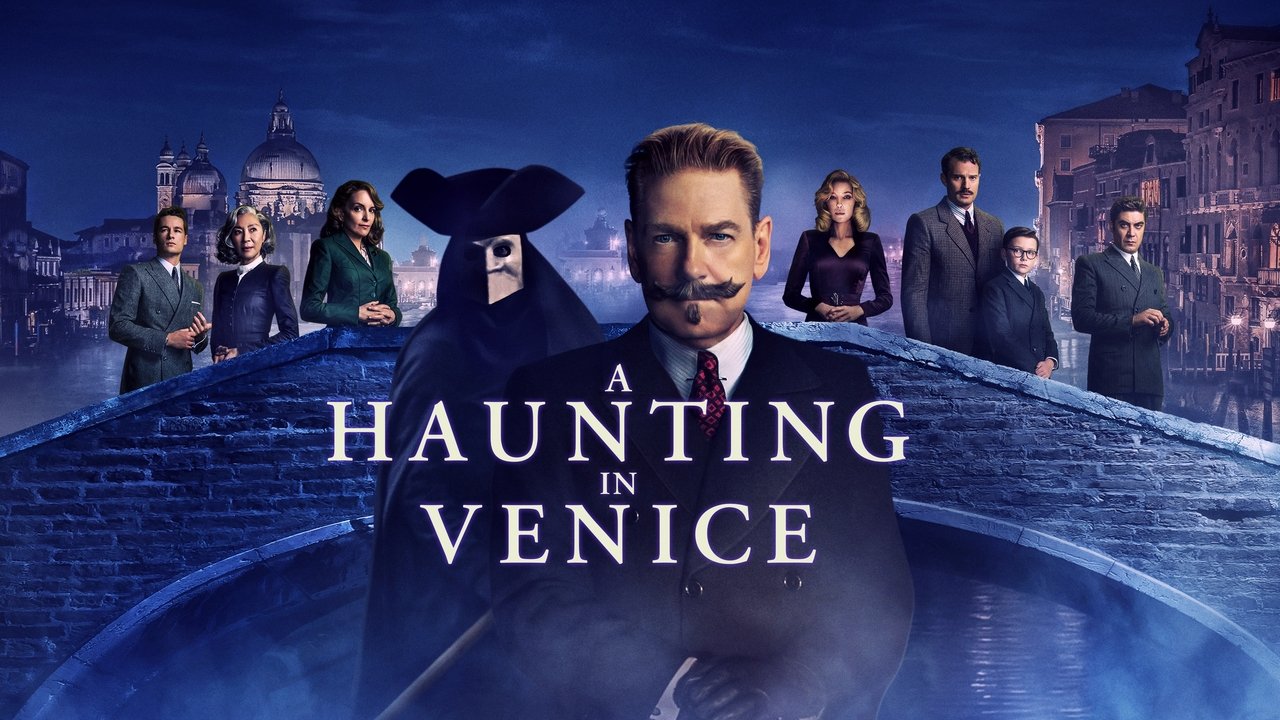
I watched this film on a Tuesday evening while wearing a pair of itchy wool socks that made me feel appropriately miserable for a post-war detective, and honestly, the discomfort helped. A Haunting in Venice doesn’t just want to solve a puzzle; it wants to get under your skin. It’s a chamber piece disguised as a horror flick, a pivot that feels remarkably fresh in our current era of "safe" franchise decisions.
A Detective Haunted by More Than Just Memories
In this outing, we find Hercule Poirot in 1947, retired and living in self-imposed exile. He’s cynical, tired, and eating a lot of pastries. When his old friend, the mystery novelist Ariadne Oliver—played with a sharp, fast-talking energy by Tina Fey—drags him to a séance at a crumbling palazzo, Poirot is there to debunk the supernatural. Tina Fey is a fascinating choice here; she brings a meta-commentary to the role, acting as the audience’s surrogate who is bored with the "logic" of the old world and hungry for a new kind of thrill.
The real drama, however, isn't just in the "whodunnit" but in the "is there a why?" Kenneth Branagh delivers his most internal performance as Poirot yet. He’s no longer just a collection of tics and a magnificent mustache; he’s a man experiencing a crisis of faith. When the murders inevitably start, the film asks a question that resonates with our contemporary anxiety: in a world that has seen the horrors of war (or a pandemic, for us), is there room for the spiritual, or is it all just more human cruelty?
The supporting cast is tight, which is a relief after the bloated ensembles of the previous films. Jamie Dornan is genuinely haunting as a doctor suffering from what we now call PTSD, and his chemistry with his on-screen son, Jude Hill, carries a weight that feels earned. They are basically playing their characters from Belfast if everyone had just stayed in Ireland and gotten really, really depressed.
The Aesthetics of Disorientation
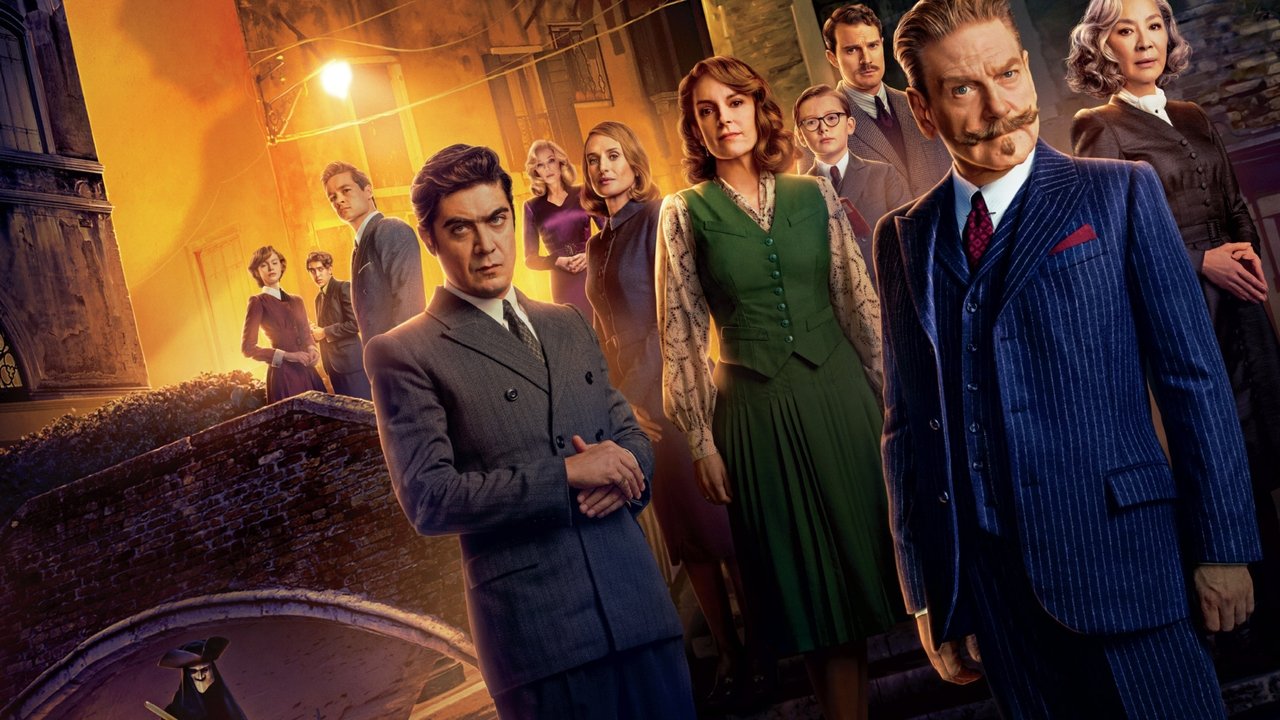
Visually, this is Branagh at his most experimental. He and cinematographer Haris Zambarloukos (who also shot Thor and Belfast) decided to treat the camera like a voyeuristic ghost. They use extreme wide-angle lenses and Dutch angles that make the palazzo feel like it’s physically closing in on you. It’s a bold choice that occasionally borders on the dizzying, but it perfectly captures the feeling of a world gone sideways.
The score by Hildur Guðnadóttir (who won an Oscar for Joker) is a far cry from the sweeping orchestral themes of the earlier films. It’s discordant, screechy, and unsettling. It reminds me that we are in a different era of cinema now—one where even our cozy mysteries need a edge of jagged glass. The lighting, or lack thereof, forces you to squint into the corners of the frame, making the jump scares feel less like cheap tricks and more like manifestations of Poirot’s crumbling certainty.
The Secret History of the Palazzo
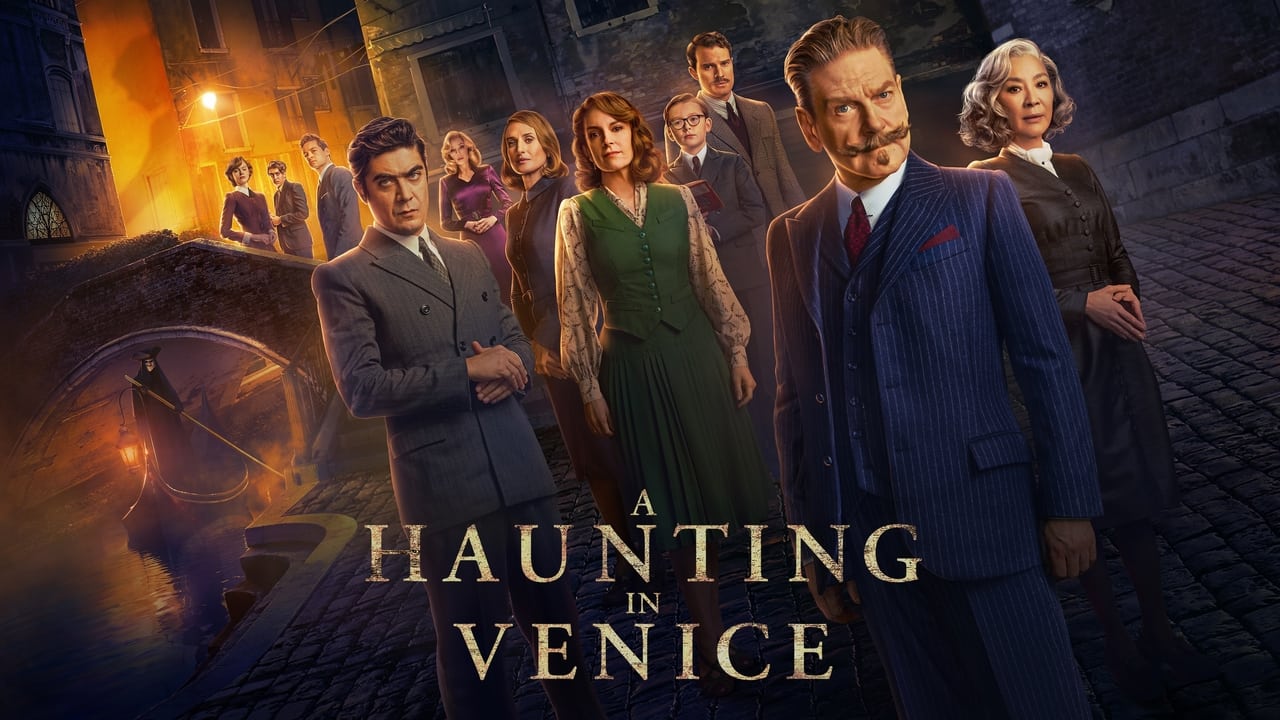
While A Haunting in Venice might seem like a straightforward blockbuster, it’s already carving out a "cult" niche for fans who felt the first two films were a bit too glossy. It’s the "weird" one in the trilogy, and that’s usually the one that ages the best. Here are some of the details that make the production as interesting as the plot:
Branagh was a bit of a menace on set; he reportedly didn't tell the actors when certain practical effects—like falling chandeliers or slamming doors—were going to happen, resulting in genuine screams that were kept in the final cut. The film is very loosely based on Hallowe'en Party, a late-period Christie novel that is generally considered one of her weaker books. Screenwriter Michael Green basically gutted the source material like a fish, moving the setting from an English village to Venice and adding the supernatural layers. The production design team built a massive, functioning Palazzo interior at Pinewood Studios, but they insisted on using 1940s-appropriate lighting equipment to ensure the shadows looked "period-correct." This film marks the second time Jamie Dornan and Jude Hill have played father and son for Branagh, following their roles in the Oscar-winning Belfast. * Despite the Venice setting, many of the water-logged scenes were filmed in a massive tank, which the cast reportedly hated because it was perpetually lukewarm and smelled faintly of chlorine.
Ultimately, A Haunting in Venice succeeds because it isn't afraid to be slightly unpleasant. It takes the most famous detective in the world and puts him in a situation where his brain isn't his best weapon anymore. It’s a moody, atmospheric piece of contemporary genre-bending that proves there’s still life in the old Belgian yet. If you’re looking for a mystery that feels like a cold breeze on a dark night, this is the one to stream—just maybe skip the itchy socks.

Keep Exploring...
-
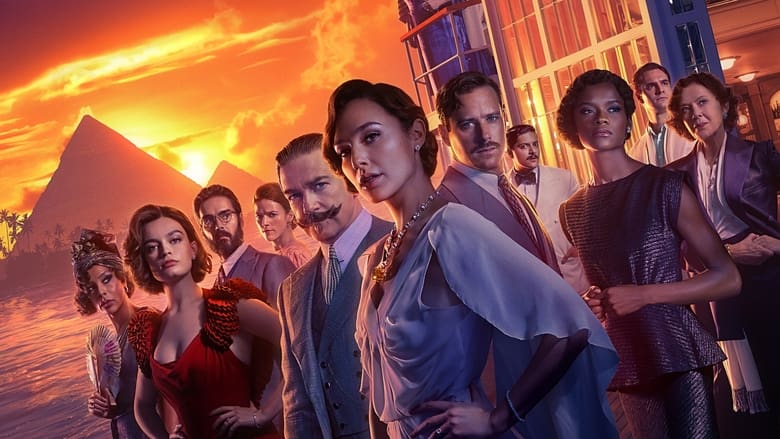
Death on the Nile
2022
-
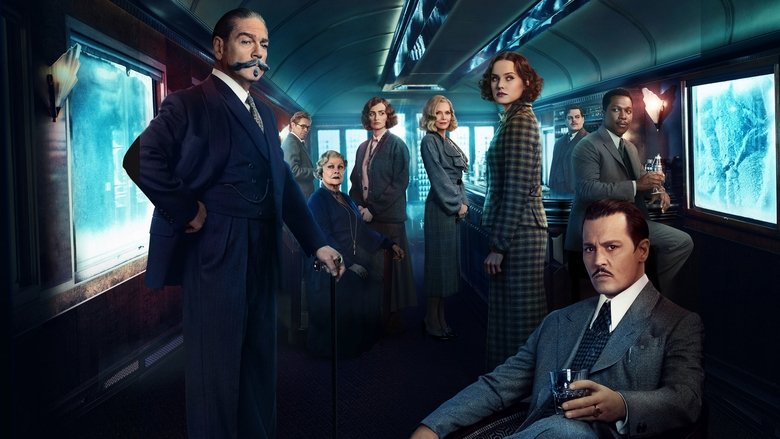
Murder on the Orient Express
2017
-
The Pale Blue Eye
2022
-
Bad Times at the El Royale
2018
-
The Woman in the Window
2021
-
Anatomy of a Fall
2023
-
Solace
2015
-
Now You See Me: Now You Don't
2025
-

The Accountant²
2025
-
Anon
2018
-
Everybody Knows
2018
-
Kimi
2022
-
The Outfit
2022
-
Luther: The Fallen Sun
2023
-

Reptile
2023
-
Longlegs
2024
-
Red Sparrow
2018
-
Triple Frontier
2019
-
Hitman's Wife's Bodyguard
2021
-
Nightmare Alley
2021