American Fiction
"The truth is just another draft."

There is a specific kind of exhaustion that comes from being told who you’re supposed to be by people who wouldn't know the real you if you hit them over the head with a hardback copy of The Great Gatsby. It’s a specialized, high-grade frustration, and in American Fiction, Jeffrey Wright wears it like a second skin. As Thelonious ‘Monk’ Ellison, Wright doesn't just play a disgruntled academic; he embodies the soul-crushing reality of being a Black intellectual in a world that only wants to pay him if he acts "Blacker."
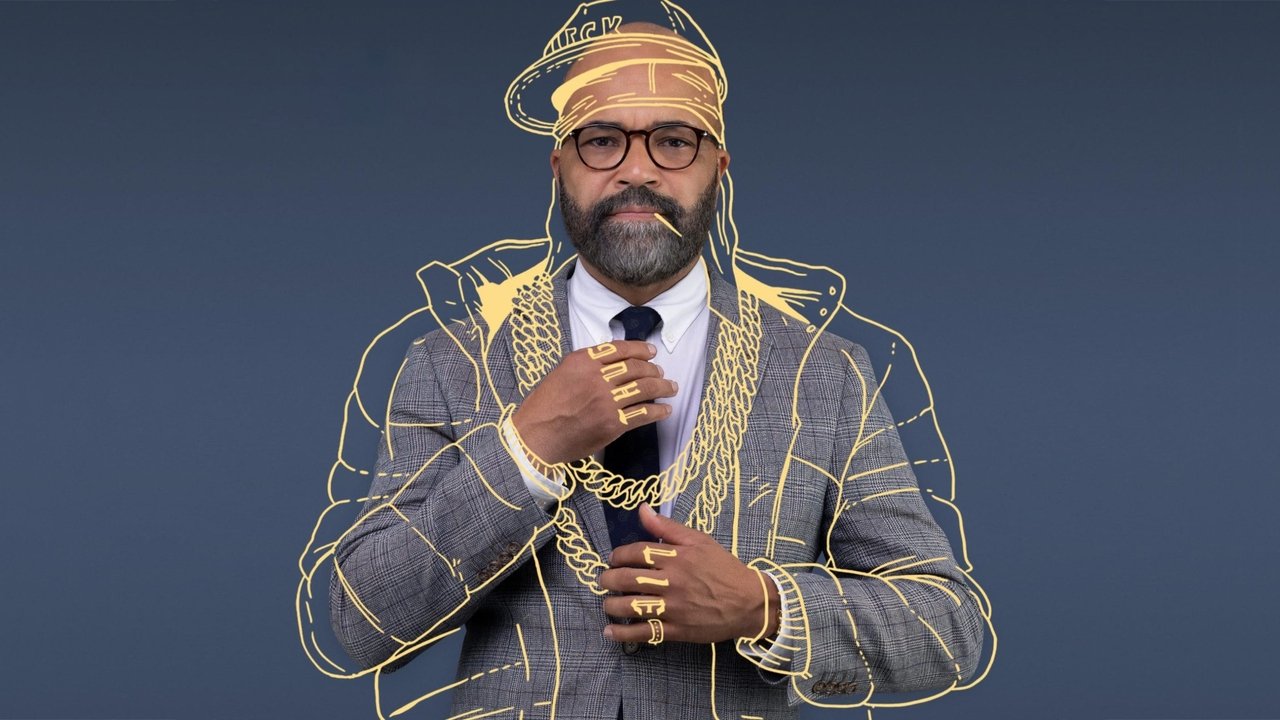
I watched this on my couch while eating a bowl of slightly burnt popcorn that I refused to throw away out of pure stubbornness, and honestly, that bitter crunch felt like the perfect accompaniment to Monk’s worldview. He’s a novelist whose books are "dense" and "important," which is code for "they don't sell." When he storms into the Black Interest section of a bookstore and finds his retelling of Aeschylus shelved next to books with titles like We’s Lives in Da Ghetto, his brain finally snaps. In a fit of drunken spite, he writes My Pafology—a collection of every "urban" trope imaginable—under the pseudonym Stagg R. Leigh. The problem? The white publishing world doesn't just like it; they think it’s the most "authentic" thing they’ve ever read.
The Satire That Bites Back
What makes American Fiction so sharp for our current moment is how it skewers the performative nature of modern representation. We live in an era of "sensitivity readers" and frantic corporate efforts to diversify, but director Cord Jefferson (making an incredible directorial debut here) asks a stinging question: are we actually seeing people, or are we just seeing the versions of people that make the establishment feel virtuous?
The scenes where Monk has to interact with fawning white publishers are skin-crawlingly funny. They are so desperate to be "allies" that they end up enabling the very stereotypes they claim to despise. There’s a scene involving a marketing meeting for Monk’s fake book that is so spot-on it felt less like a movie and more like a documentary of every corporate Zoom call I’ve been on since 2020. Jeffrey Wright plays these moments with a brilliant, simmering disdain. He’s a master of the "micro-expression," conveying a mountain of "are you kidding me?" with just the slight adjustment of his glasses.
A Family Affair
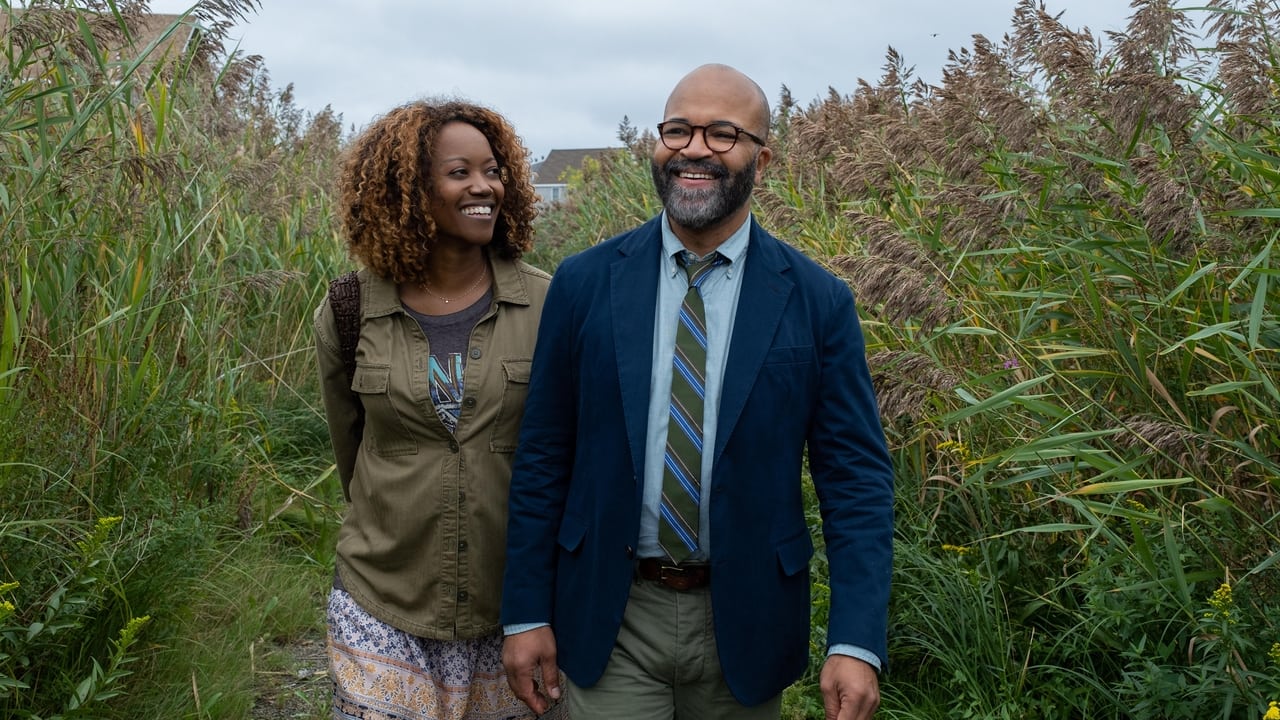
Here is my first hot take: The "serious" family drama in this movie is actually more compelling than the satire. While the marketing leaned heavily into the "fake book" premise, the heart of the film is actually a messy, tender, and tragic family story. Monk has to return home to Boston to care for his aging mother (Leslie Uggams) and deal with his chaotic, newly-out-of-the-closet brother, Cliff.
Sterling K. Brown as Cliff is an absolute revelation. He’s playing a man who has spent his whole life repressed and is now making up for lost time by doing enough drugs to power a small cruise ship. He provides the perfect foil to Monk’s rigid, judgmental nature. Through their relationship, the film argues that Monk’s biggest problem isn't just the racist publishing industry—it’s that he’s kind of a jerk to the people who actually love him. It grounds the high-concept satire in something deeply human. Erika Alexander also shines as Coraline, a woman who actually sees Monk for who he is, even when he’s trying his hardest to be someone else.
Why It Matters Right Now
Released in the wake of "representation" becoming a buzzword, American Fiction feels like a necessary exhale. It’s an indie-style gem that somehow fought its way through the franchise-cluttered theatrical landscape to earn its flowers, and it did so by being smarter than its audience. It refuses to give you the easy, feel-good ending you might expect from a typical Hollywood comedy.
Behind the scenes, the film is a fascinating case study in the modern "festival-to-streaming" pipeline. It premiered at TIFF, generated massive buzz, and was snapped up by MGM/Amazon. It’s the kind of mid-budget movie that supposedly "doesn't exist anymore" because everything has to be a $200 million superhero epic or a $50,000 TikTok experiment. Cord Jefferson proved that if you give a smart writer $16 million and a cast of heavy hitters, people will actually show up to watch it.
The film also manages to handle its meta-commentary without being pretentious. It acknowledges that even a movie about the exploitation of Black trauma is, in some ways, part of that same cycle. It’s self-aware enough to realize that it’s essentially a movie about how much Hollywood loves movies about how much Hollywood sucks.
American Fiction is that rare beast: a comedy that makes you think and a drama that makes you laugh, often in the same breath. It’s a career-best performance from Jeffrey Wright and a bold opening statement from Cord Jefferson. It doesn't just talk about the "Black experience" as a monolith; it shows the messy, complicated, elitist, and loving reality of a real family that just happens to be Black. If you’re tired of movies that feel like they were written by an algorithm designed to offend no one and inspire everyone, go watch this. It’s prickly, it’s annoyed, and it’s absolutely essential.
Keep Exploring...
-

The Old Man & the Gun
2018
-
The Peanut Butter Falcon
2019
-
The King of Staten Island
2020
-

Dog
2022
-

Kinds of Kindness
2024
-
Alex Strangelove
2018
-
Can You Ever Forgive Me?
2018
-
Dumplin'
2018
-
Nothing to Hide
2018
-
Stan & Ollie
2018
-
Dolemite Is My Name
2019
-

La Belle Époque
2019
-
Bye Bye Morons
2020
-
Riders of Justice
2020
-
The Half of It
2020
-
Fatherhood
2021
-
The Hating Game
2021
-

The Worst Person in the World
2021
-

There's Still Tomorrow
2023
-

The Idea of You
2024