Ant-Man and the Wasp: Quantumania
"Small heroes, big stakes, and a very weird realm."
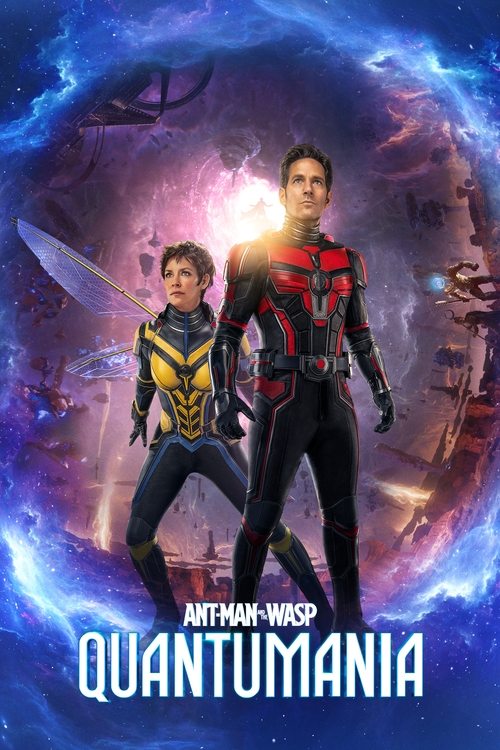
I distinctly remember watching Ant-Man and the Wasp: Quantumania while wearing a pair of particularly itchy wool socks my aunt gave me for Christmas. Every time the screen erupted into a chaotic swirl of neon magenta and electric blue—which, let’s be honest, is about 80% of the runtime—I found myself scratching my ankles in a rhythmic trance. It was a sensory experience, though perhaps not the one Peyton Reed intended.
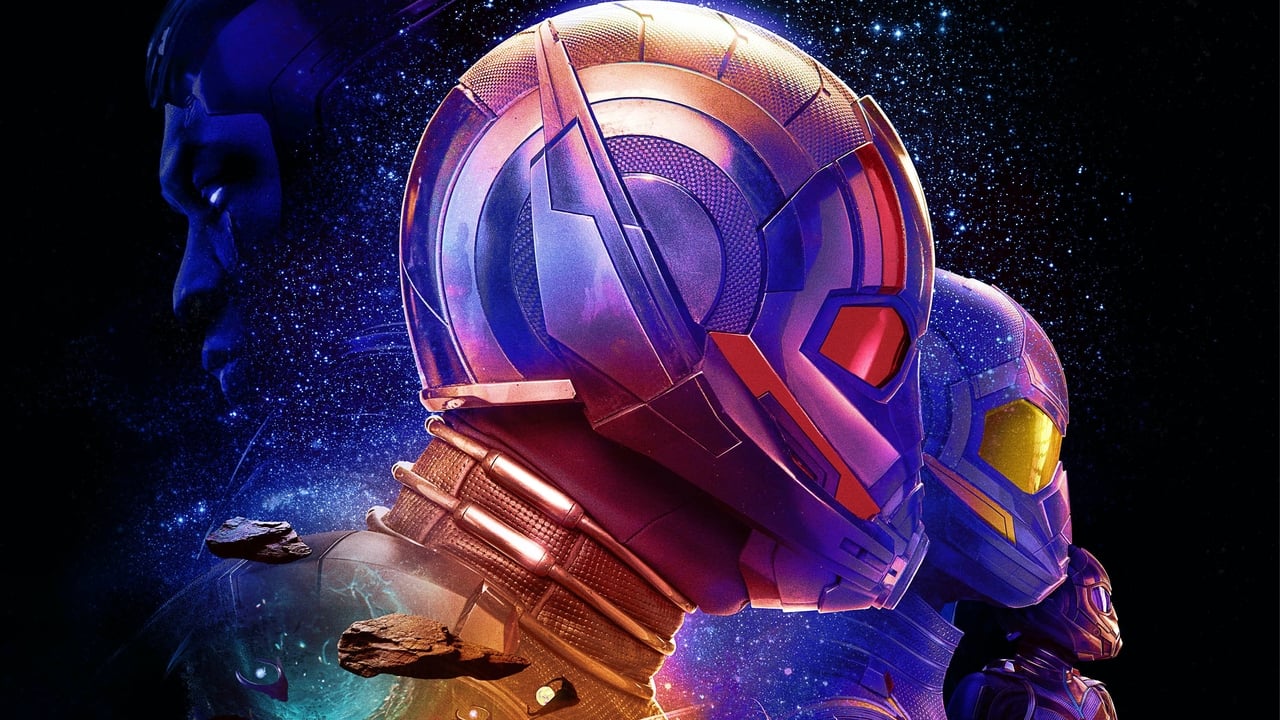
This film represents a fascinating, if polarizing, moment in our current "Phase 5" reality. We’re deep in the era of franchise saturation, where the Marvel Cinematic Universe (MCU) isn't just a series of movies; it’s a homework assignment with a $200 million budget. Quantumania arrived at a time when audiences were starting to whisper the word "fatigue" under their breath, and instead of a gentle palate cleanser like the first two Ant-Man films, we got a full-blown, psychedelic space opera that feels like it was filmed inside a high-end lava lamp.
The Volume and the Void
The first thing that hits you—and I mean really hits you—is the visual language. Unlike the previous entries, which found joy in making everyday objects like Thomas the Tank Engine look gargantuan, Quantumania lives almost entirely within "The Volume." This virtual production technology, while revolutionary in The Mandalorian, feels a bit claustrophobic here. Bill Pope, the cinematographer who gave us the gritty reality of The Matrix, is tasked with capturing a world that doesn't exist, and the result is often a CGI soup that lacks a sense of physical gravity.
There’s a certain charm to the creature designs, though. I loved the "Broccoli Man" and the various gelatinous entities that inhabit the Quantum Realm. It’s here that the script by Jeff Loveness (a veteran of Rick and Morty) shines through. You can feel that anarchic, Saturday-morning-cartoon energy. Apparently, Loveness took inspiration from 1970s and 80s sci-fi like Flash Gordon and Barbarella, and when the film leans into that weirdness, it’s a blast. But when it has to do the heavy lifting of "Multiverse Saga" world-building, it starts to buckle under its own weight.
A Masterclass in Villainy (and Pfeiffer)
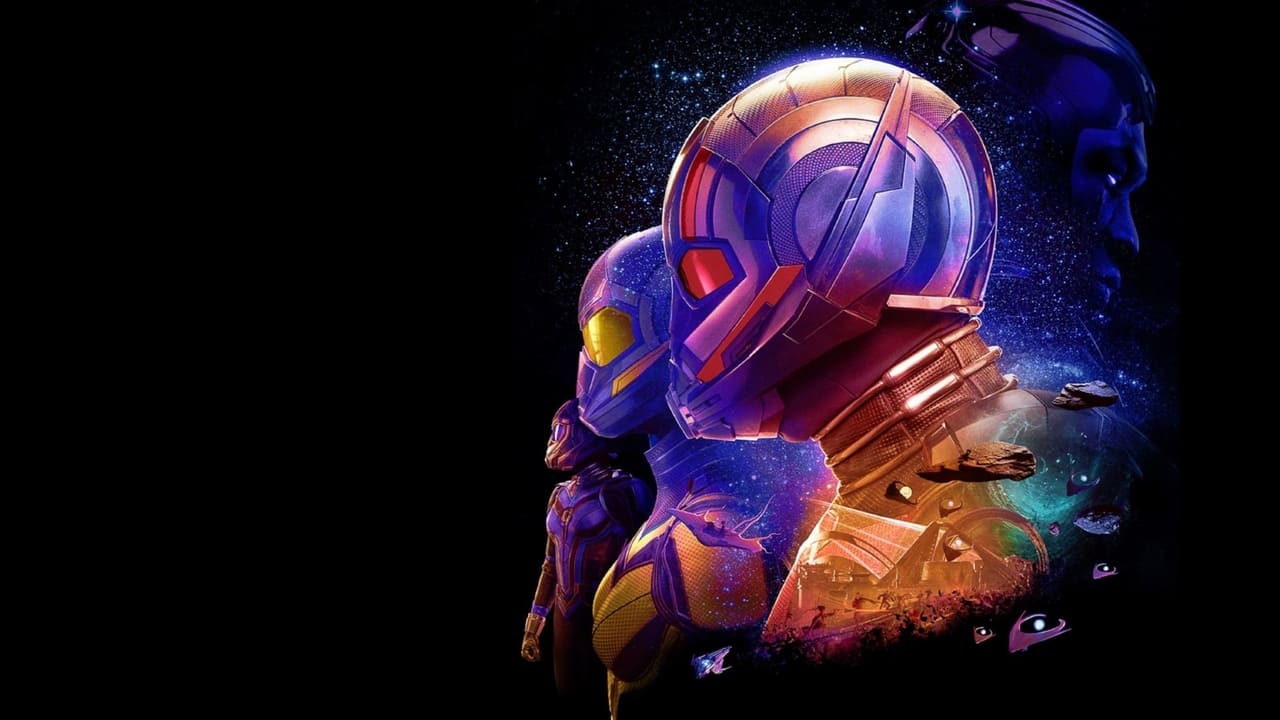
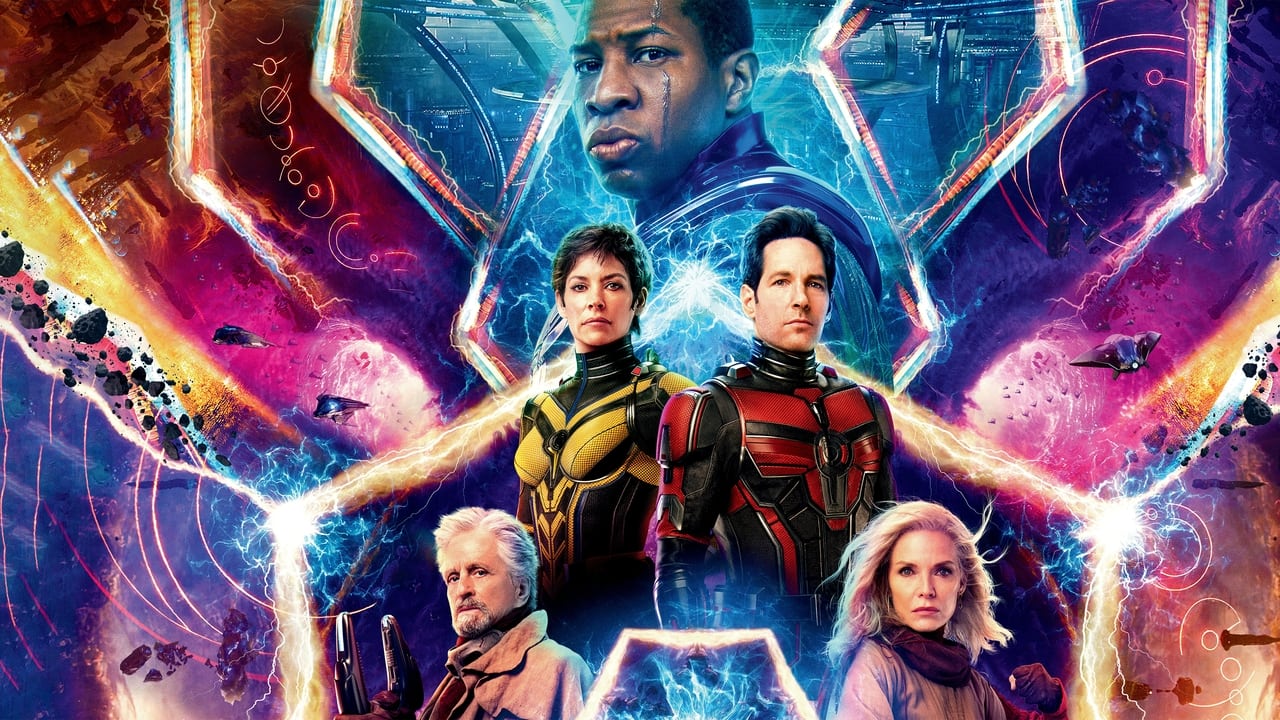
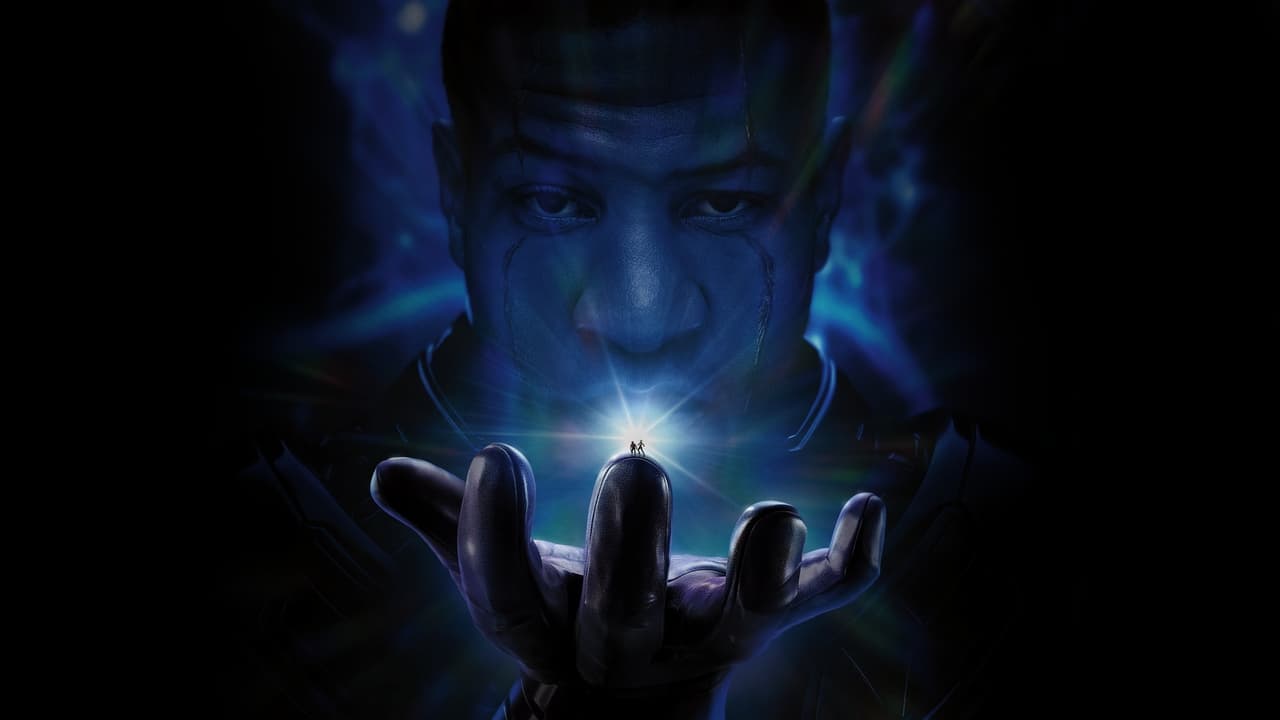
The real reason to watch this—and the reason it’s already developing a strange, defensive cult following—is Jonathan Majors as Kang the Conqueror. Before the real-world controversies and the subsequent pivot by Marvel, Majors was the undisputed gravitational pull of this movie. He plays Kang with a quiet, Shakespearean stillness that makes Paul Rudd’s charming "guy-next-door" routine feel appropriately frantic. Every time Majors is on screen, the movie slows down, the stakes feel real, and you forget for a second that you’re looking at a digital background.
Then there’s Michelle Pfeiffer. While Evangeline Lilly’s Hope van Dyne feels surprisingly sidelined in her own sequel, Pfeiffer’s Janet van Dyne is the film’s actual protagonist for the first hour. It turns out Janet was basically a cosmic freedom fighter while she was stuck down there, and Pfeiffer brings a weary, haunted gravitas to the role. I’d honestly watch a three-hour prequel just about her time in the sub-atomic trenches. The chemistry between her and Michael Douglas, who seems to be having the time of his life talking about ants, provides the only real emotional tether to the previous films.
The MODOK Factor
We have to talk about MODOK. For the uninitiated, the Mechanized Organism Designed Only for Killing is a giant head in a floating chair. It is one of the most absurd designs in comic book history, and the decision to bring back Corey Stoll (the villain from the first film) to play him was an act of cinematic bravado bordering on insanity.
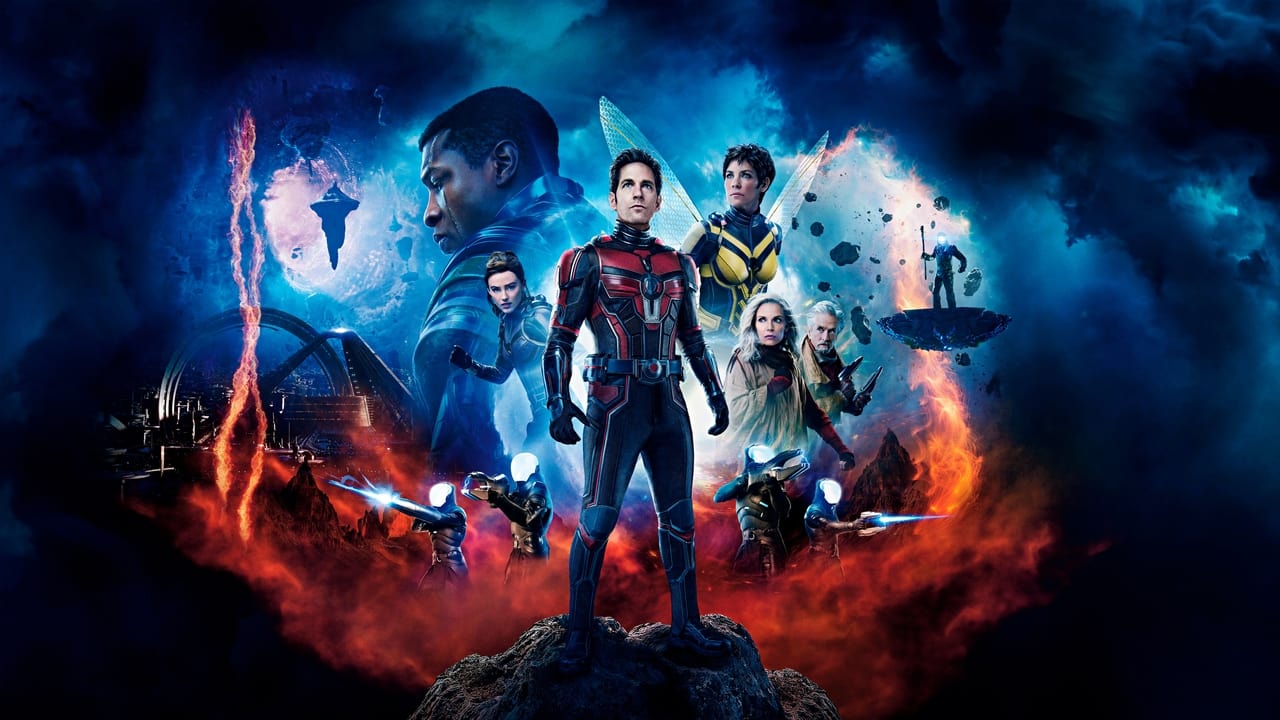
The VFX team reportedly faced immense pressure during production—a common story in the post-pandemic "content gold rush"—and it shows in some of the compositing on MODOK’s face. He looks intentionality grotesque, but to some, he just looks "bad." I fall into the camp that finds him hilarious. It’s the kind of "what were they thinking?" swing that cult classics are made of. Fans have already started obsessing over his bizarre redemptive arc, and I suspect he’ll be a staple of convention cosplay for years to come.
The action choreography struggles when everything is digital blasts and floating platforms, but there’s a "probability storm" sequence where Paul Rudd multiplies into a literal mountain of Scott Langs that is genuinely clever. It’s a brief glimpse of the creative spark that made the earlier, smaller-scale movies so beloved.
Ant-Man and the Wasp: Quantumania is a messy, overstuffed, but undeniably unique entry in the superhero canon. It’s a victim of its own ambitions, trying to be a family comedy, a revolutionary sci-fi epic, and a franchise cornerstone all at once. While it lacks the heart and grounded stakes of the original Ant-Man, its sheer commitment to being "weird" makes it more interesting than your average cookie-cutter blockbuster. It’s a snapshot of a studio at a crossroads, and if you can look past the murky VFX, there’s a fun, pulp adventure buried in the sub-atomic dust.
I walked out of the theater—and eventually took off those itchy socks—feeling like I’d just been on a very loud, very expensive carnival ride. It didn’t change my life, and it’s certainly not the "next Endgame," but I’ll take a weird Broccoli Man over a boring boardroom meeting any day. If you’re a completionist or just want to see Jonathan Majors chew the scenery into fine atoms, it’s worth the 125 minutes of your life. Just leave the wool socks at home.
Keep Exploring...
-

Ant-Man and the Wasp
2018
-
Ant-Man
2015
-
Pacific Rim: Uprising
2018
-

Solo: A Star Wars Story
2018
-

Dark Phoenix
2019
-

Gemini Man
2019
-

Men in Black: International
2019
-
Star Wars: The Rise of Skywalker
2019
-

Terminator: Dark Fate
2019
-
Underwater
2020
-

Black Widow
2021
-
Eternals
2021
-

The Matrix Resurrections
2021
-
Black Adam
2022
-
Jurassic World Dominion
2022
-
Moonfall
2022
-
Blue Beetle
2023
-

Rebel Moon - Part One: A Child of Fire
2023
-
The Flash
2023
-
The Marvels
2023