Beau Is Afraid
"Home is where the hurt is."
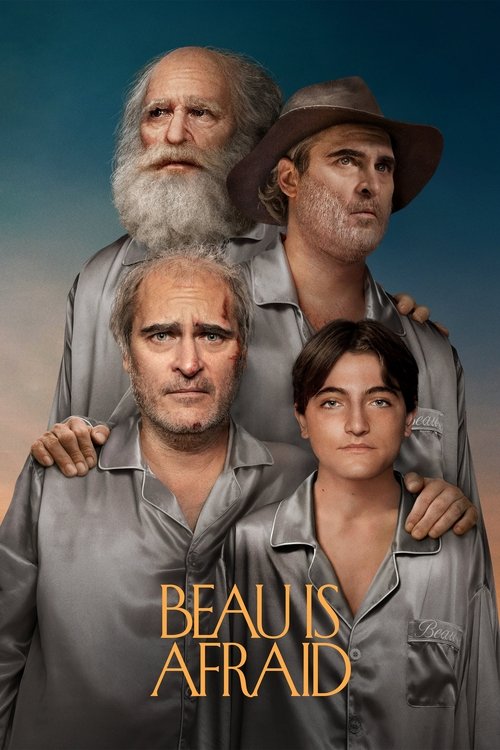
Watching Beau Is Afraid feels like someone took every intrusive thought I’ve ever had while standing in line at a pharmacy and projected them onto a screen for three hours with a $35 million budget. It’s a movie that doesn’t just depict anxiety; it weaponizes it against the viewer, turning the simple act of "going to see your mom" into a Homeric odyssey through a funhouse mirror version of hell. I watched this while wearing a pair of wool socks that had a hole in the big toe, and I spent half the runtime obsessively poking my toe through it, which felt strangely in tune with the film's relentless neurosis.
The World’s Worst Panic Attack
This is the ultimate "blank check" movie of the contemporary era. After the massive cultural footprints of Hereditary and Midsommar, A24 essentially gave Ari Aster a bag of cash and told him to follow his most deranged impulses. The result is a film that exists entirely outside the current landscape of franchise-safe bets and streamlined streaming fodder. It’s a sprawling, messy, and deeply mean-spirited adventure that somehow made it into multiplexes despite being a three-hour-long middle finger to traditional narrative structure.
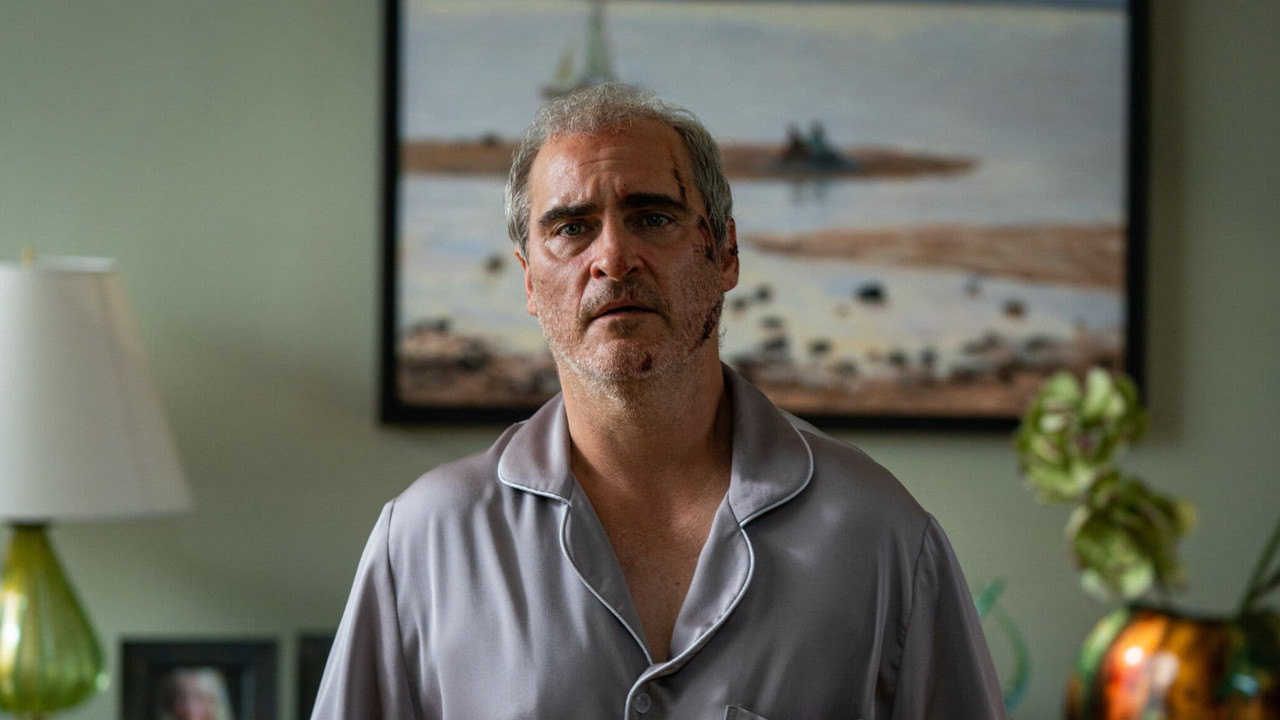
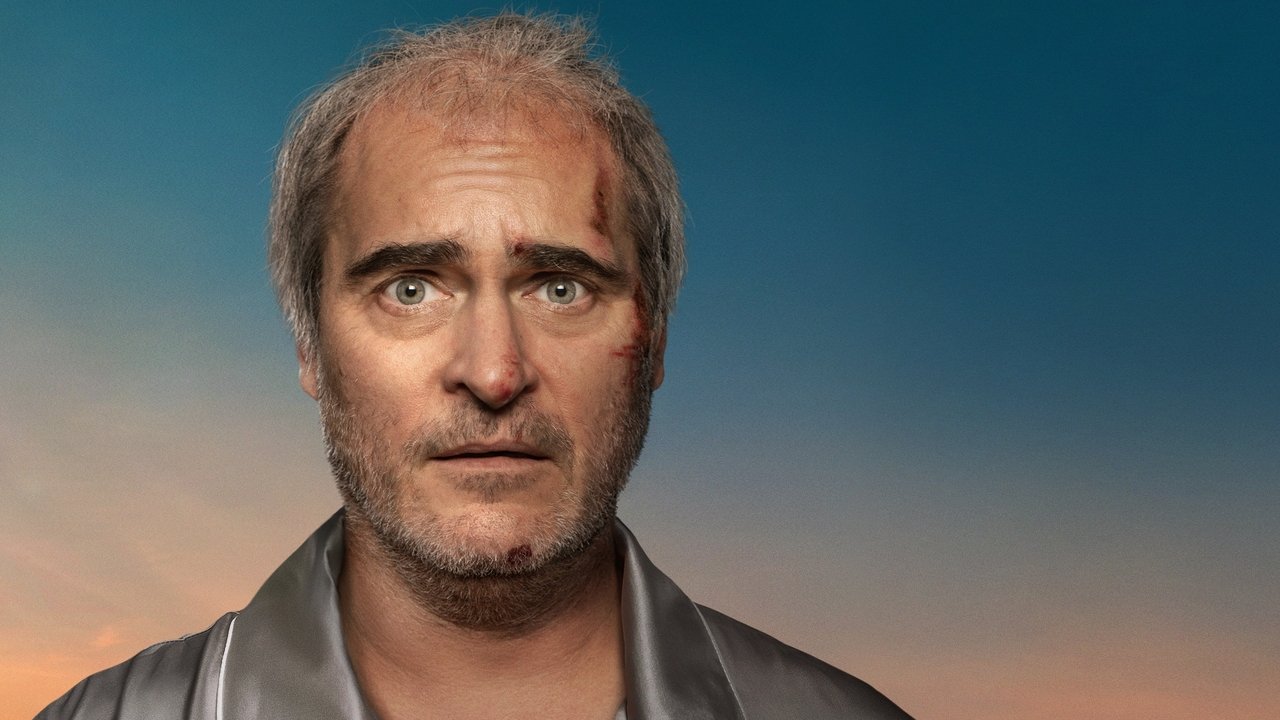
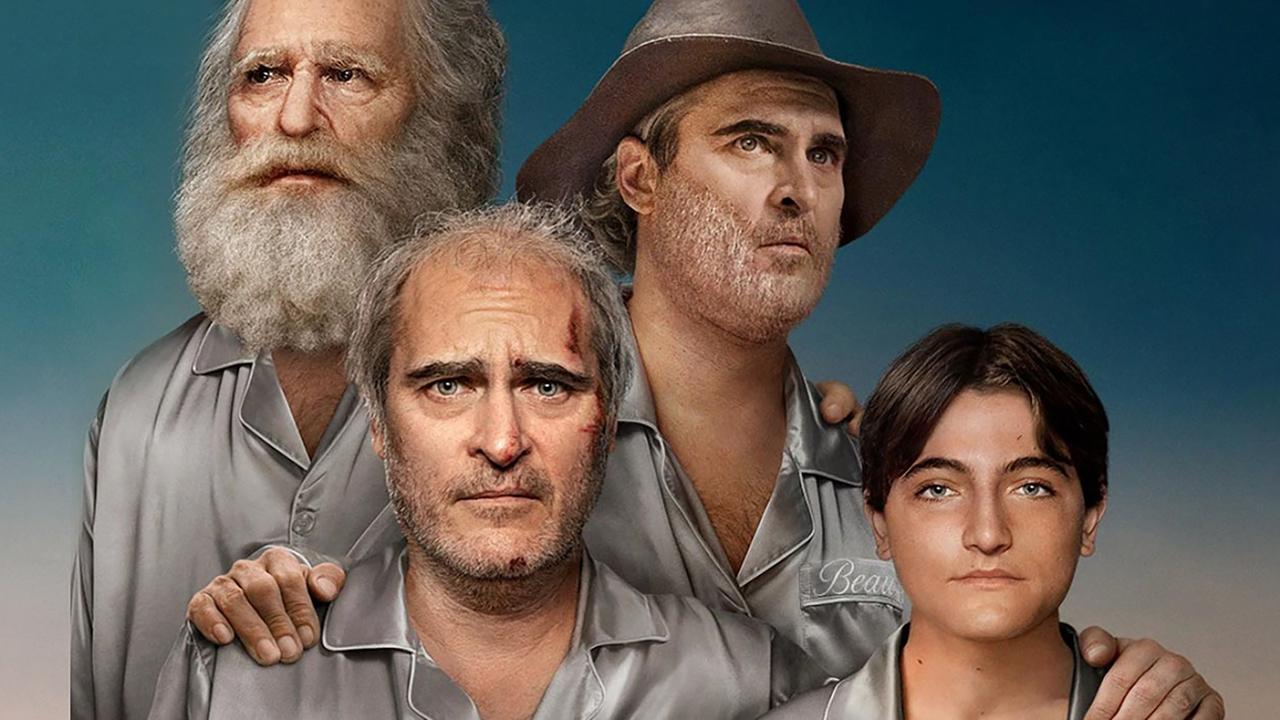
We meet Beau Wassermann (Joaquin Phoenix), a man who seems to have been born without a layer of skin to protect him from the world. He lives in a dystopian urban sprawl where people are literally stabbing each other in the street for fun. When his keys are stolen and his mother suddenly dies in a bizarre accident involving a chandelier, Beau has to get home. This isn’t just a trip; it’s a gauntlet of psychological torture. Joaquin Phoenix plays Beau like a human bruise, perpetually hunched and whispering "I'm sorry" to inanimate objects. It’s a performance that could have been one-note, but in his hands, it becomes a fascinating study in generational trauma.
A Tale of Three Acts
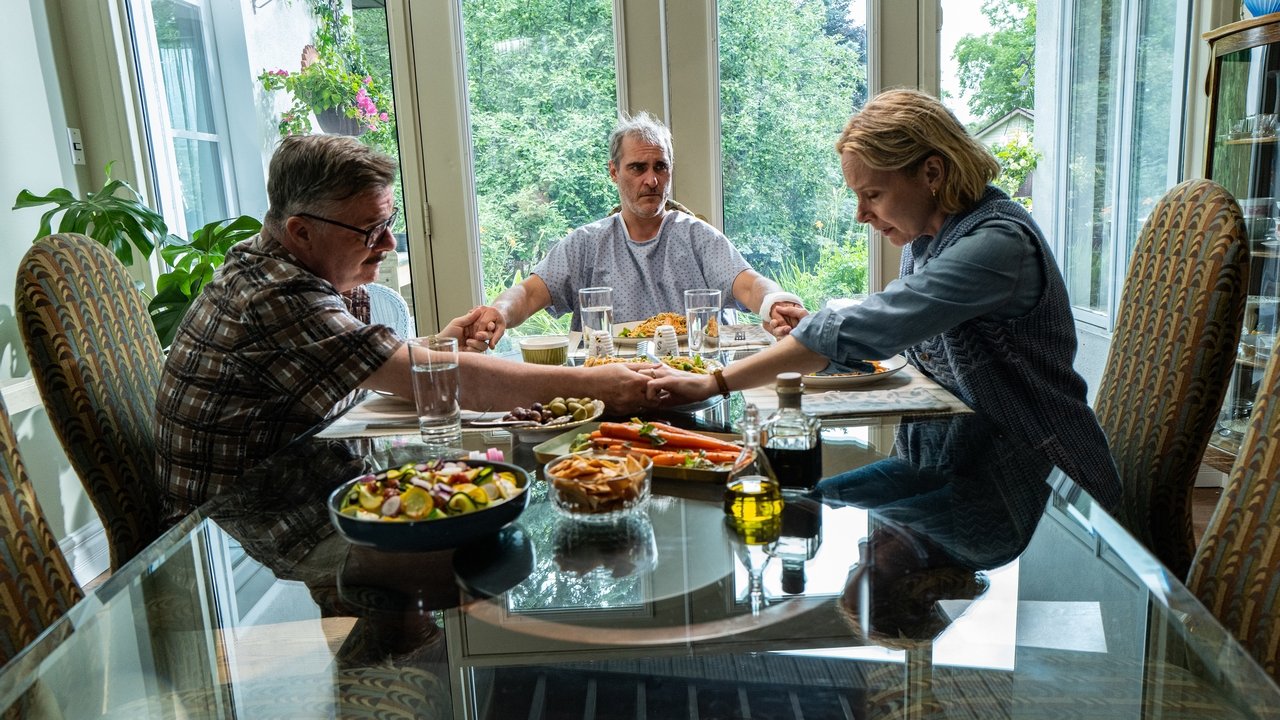
The film is structured like a twisted picaresque novel, broken into distinct segments that feel like different movies altogether. First, we have the urban nightmare, followed by a surreal domestic detention center where a "kind" couple (Nathan Lane and Amy Ryan) hold Beau captive with a mixture of medication and passive-aggression. Nathan Lane is particularly inspired here, weaponizing his natural theatrical charm into something deeply unsettling.
The highlight for me, however, is the middle act—a stunning animated sequence where Beau wanders into a forest and discovers a traveling theater troupe. Working with the animators behind the nightmare-fuel stop-motion film The Wolf House, Ari Aster creates a "play-within-a-play" that serves as a heartbreaking alternate reality for Beau. It’s the one moment of genuine wonder in a film that otherwise feels like it’s trying to give you a stomach ulcer. The cinematography by Pawel Pogorzelski shifts beautifully here, trading the harsh, neon-lit grime of the city for a lush, hand-painted aesthetic that feels like a storybook coming to life.
The Cost of Guilt
By the time we reach the final act and the arrival of Beau’s mother, Mona (Patti LuPone), the film shifts from adventure into full-blown Oedipal horror. Patti LuPone is an absolute force of nature; she doesn’t just walk into the movie, she consumes it. The dialogue in the final hour is some of the most cutting, cruel writing I’ve heard in years. It’s here that the film’s status as a contemporary artifact becomes clear. In an era where "therapy speak" and "trauma" are frequently discussed on social media in sanitized, digestible terms, Ari Aster presents them as a literal, physical courtroom where there is no hope of acquittal.
Interestingly, this movie was a financial disaster, making back only a fraction of its budget. In the current climate of "box office as quality indicator," many dismissed it as an ego trip. But looking at it now, it feels like a necessary corrective to the polished, focus-grouped nature of modern cinema. It’s a movie that is allowed to be confusing, overlong, and deeply unpleasant. The score by Bobby Krlic (also known as The Haxan Cloak) keeps the tension at a low, vibrating hum that never lets you relax, even during the quieter moments in the woods.
Apparently, the script for this had been floating around for a decade, with Ari Aster making a short film version of the opening sequence years ago. You can feel that years-long accumulation of ideas; it’s overstuffed because he clearly didn’t know if he’d ever get to make something this big and weird again. From the casting of Denis Ménochet as a traumatized war vet living in a treehouse to the sheer audacity of the final "trial" scene, the film refuses to be ignored.
Beau Is Afraid is not a movie I would recommend to everyone, or even most people. It is a grueling, exhausting experience that demands you sit with the most pathetic version of yourself for 179 minutes. However, in an era where movies often feel like they were written by an algorithm designed to minimize offense, there is something thrilling about a film that is so committed to its own madness. It’s a singular adventure into the interior of a broken mind, and even if I never want to watch it again, I’m glad it exists.
Keep Exploring...
-
Red Shoes and the Seven Dwarfs
2019
-
The Christmas Chronicles: Part Two
2020
-
Clifford the Big Red Dog
2021
-
The Addams Family 2
2021
-
The School for Good and Evil
2022
-

The Wonderful Story of Henry Sugar
2023
-
The Night Before
2015
-
Justice League vs. Teen Titans
2016
-
Olaf's Frozen Adventure
2017
-

Boruto: Naruto the Movie
2015
-
Frozen II
2019
-
Jumanji: The Next Level
2019
-
Scooby-Doo! Return to Zombie Island
2019
-
Onward
2020
-
The Croods: A New Age
2020
-
Trolls World Tour
2020
-

Ghostbusters: Afterlife
2021
-
Jungle Cruise
2021
-

Hotel Transylvania: Transformania
2022
-

Minions: The Rise of Gru
2022