Blue Beetle
"Big hero. Bigger family. Even bigger bug."
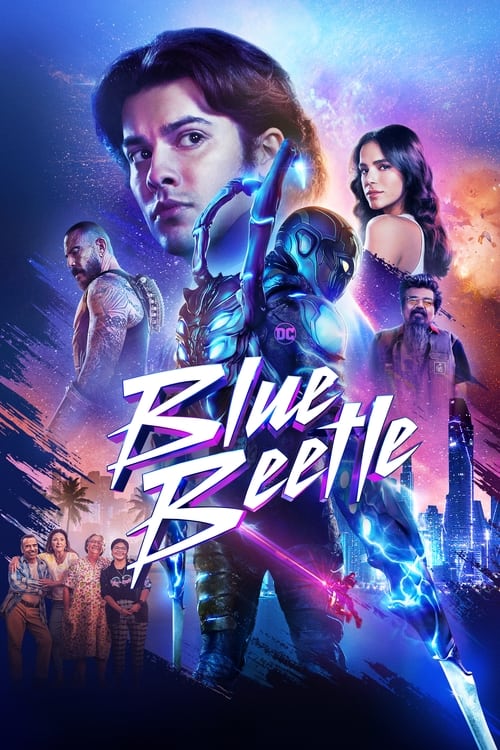
In the flickering neon twilight of the superhero era, specifically that strange 2023 window where big-budget capes felt like they were gasping for air, Blue Beetle arrived looking less like a corporate mandate and more like a Saturday morning cartoon with a massive heart. It dropped right in the middle of a Hollywood strike, meaning the actors couldn’t even talk about it, leaving the film’s fate to a grassroots internet mob known as the "Blue Beetle Battalion." I actually watched this on a Tuesday afternoon while nursing a slightly burnt tongue from a recklessly hot bean and cheese burrito, which, in hindsight, felt like the most thematic way possible to consume a movie so rooted in the Latine experience.
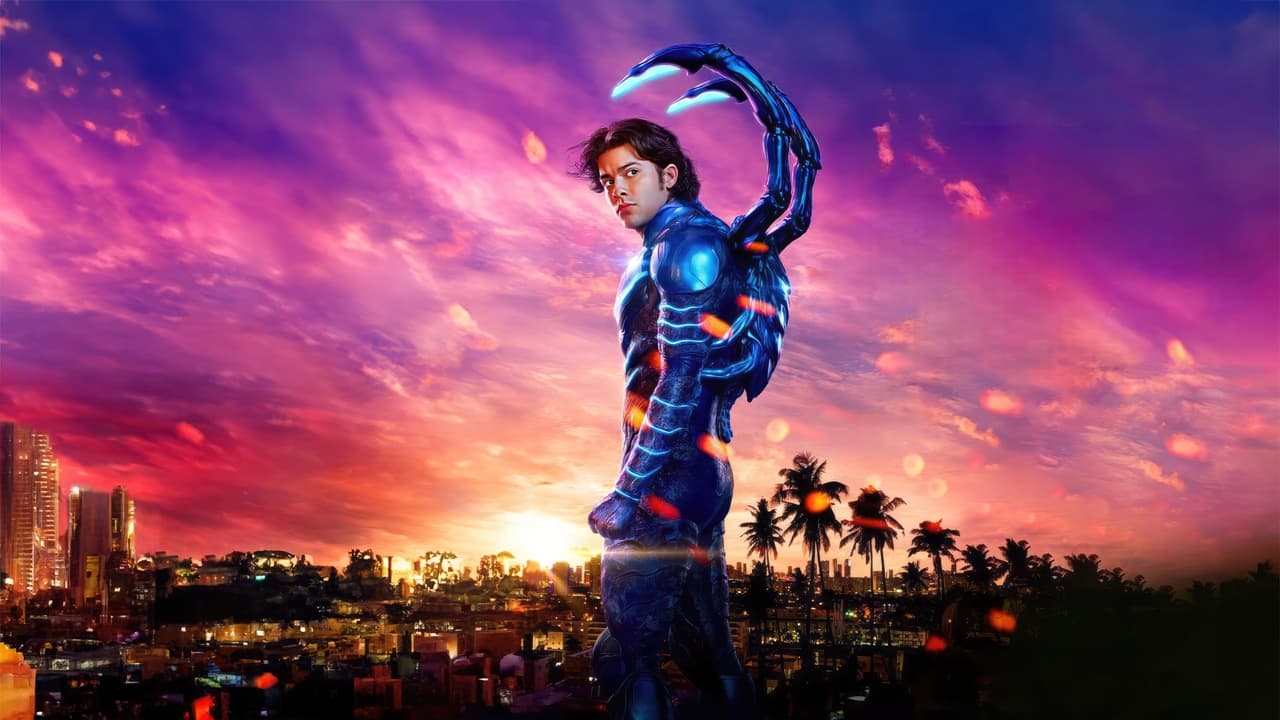
A Practical Suit in a Digital Desert
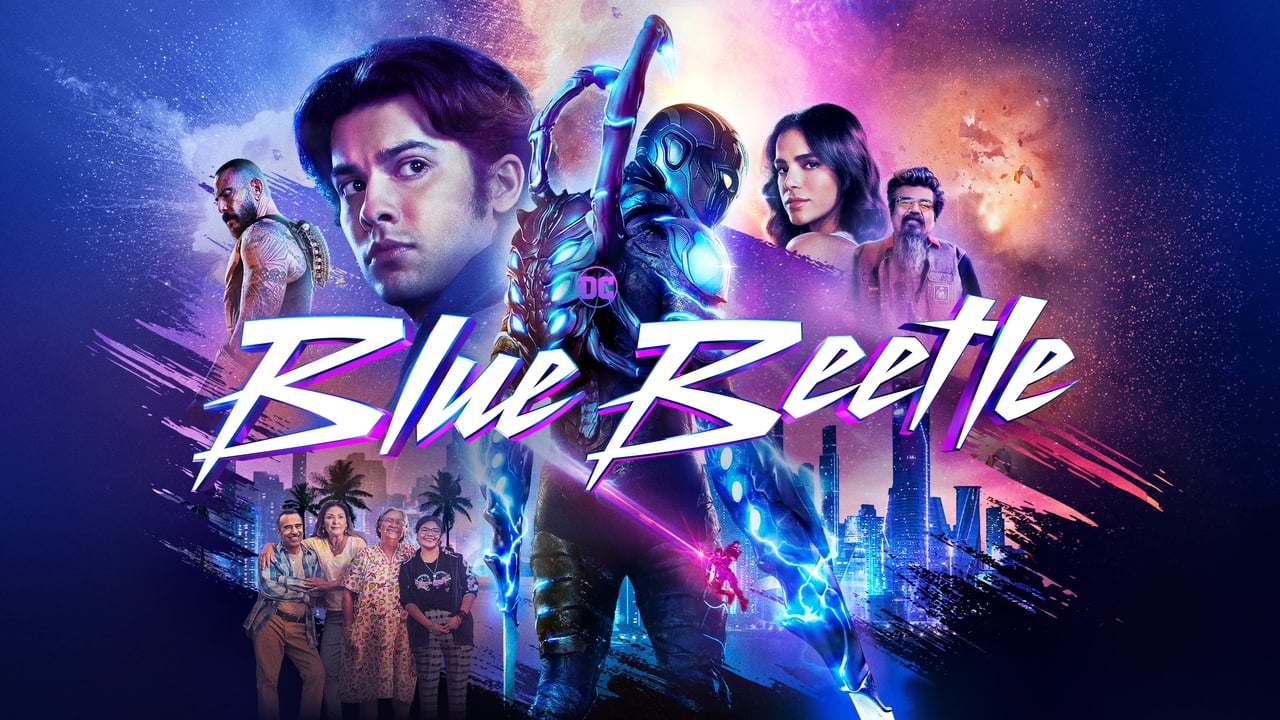
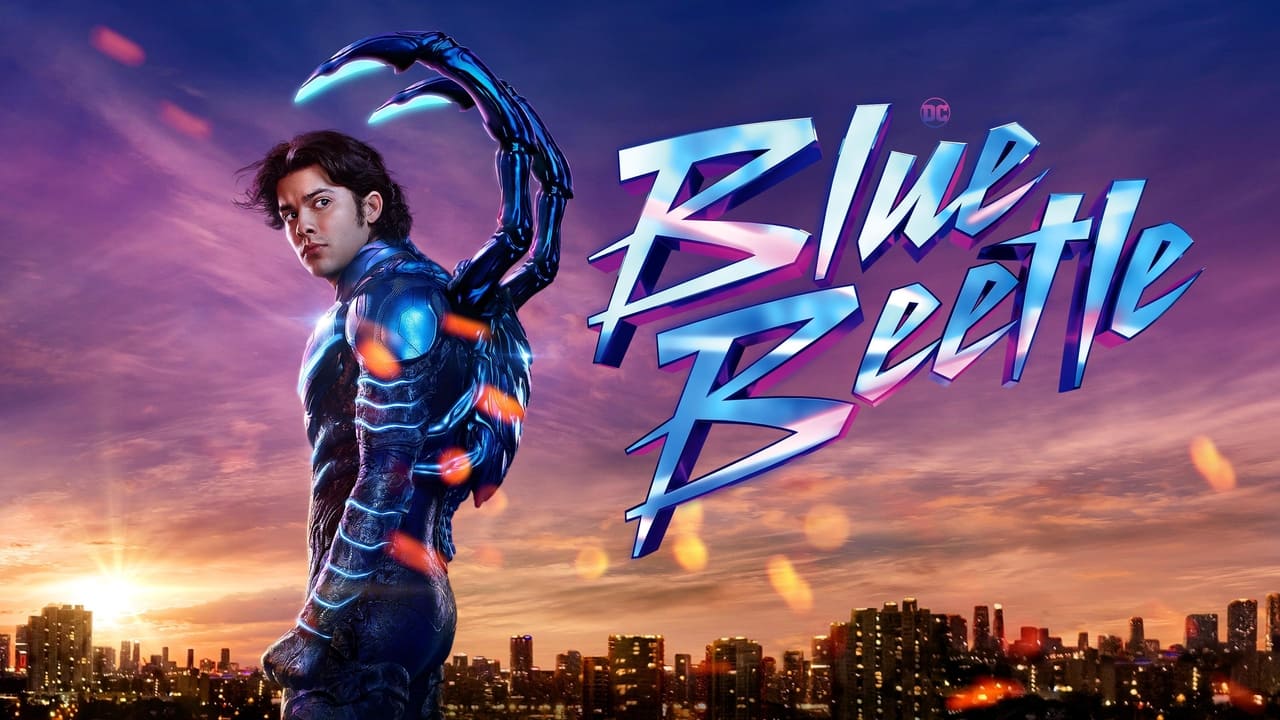
While most modern blockbusters look like they were filmed inside a giant grey Tupperware container, director Ángel Manuel Soto (who previously gave us the grit of Charm City Kings) opted for something increasingly rare: a physical suit. About 90% of what Xolo Mariduena wears as Jaime Reyes is a tangible, breathable piece of high-tech costume design. You can see the way the light hits the iridescent plating, and it gives the action a weight that’s sorely missing from the "floaty" CGI battles of the late-stage MCU.
The choreography feels surprisingly tactile, too. Because Xolo Mariduena spent years doing his own stunts on Cobra Kai, he brings a level of physical literacy to the fights that makes the Scarab’s alien weaponry feel like an extension of his own nervous system. When Jaime creates a giant glowing buster sword—a clear nod to Final Fantasy VII—it doesn’t just look cool; it feels heavy. The film wears its nerdy influences on its sleeve, pulling from Akira, Super Sentai, and even Cronenberg-esque body horror during the initial "bonding" sequence where the alien relic basically hijacks Jaime’s spine.
The Family is the Superpower
Most superhero movies treat the hero’s family as a liability or a secret to be kept. Blue Beetle flips the script by making the Reyes clan the actual tactical support. Belissa Escobedo is a standout as Milagros, Jaime’s sister, providing a cynical but loving anchor to the madness. Then there’s George Lopez as Uncle Rudy, driving a high-tech taco truck and spewing government conspiracy theories that—let’s be honest—are the most realistic part of the movie.
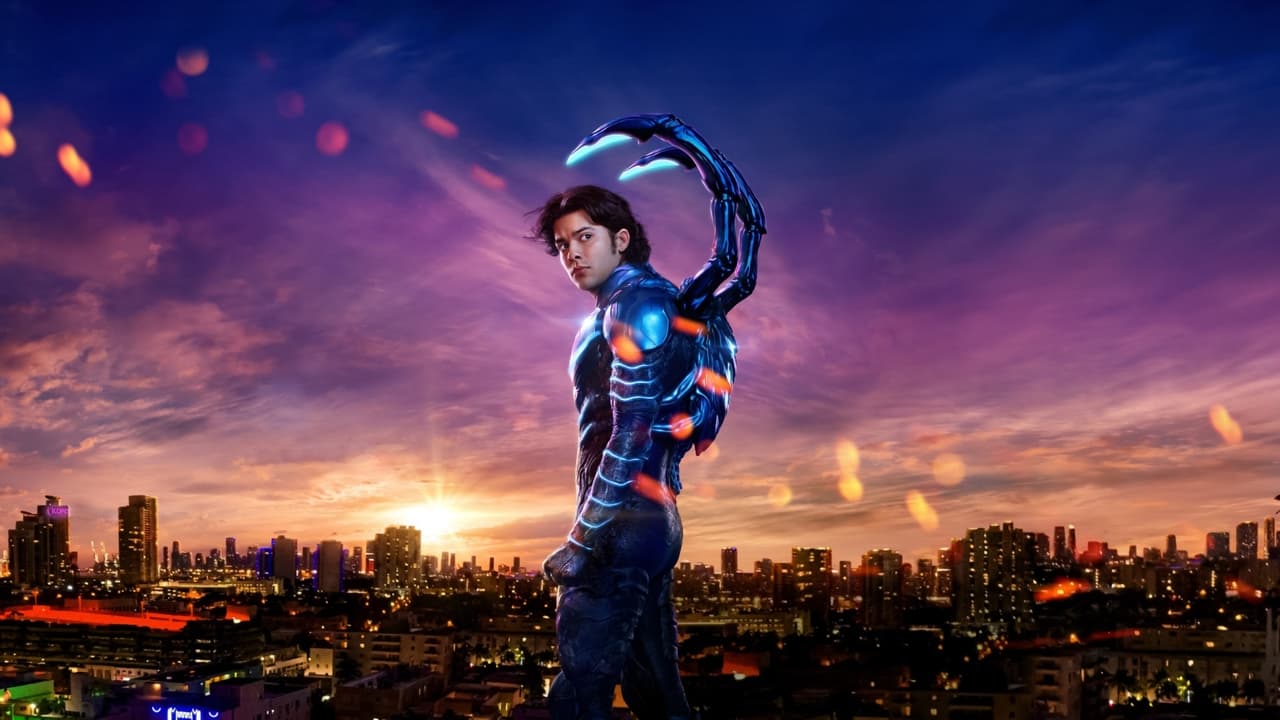
The chemistry here isn’t forced. When Damián Alcázar, playing Jaime’s father Alberto, gives a speech about finding one's purpose, it avoids the usual "with-great-power" clichés. It feels like a conversation had over a kitchen table in a house that’s about to be gentrified out of existence. This is where the film finds its contemporary teeth. It’s not just about a bug from space; it’s about a family in Palmera City fighting to keep their home against a cold, corporate machine led by Susan Sarandon’s Victoria Kord. Sarandon plays the villain like a walking LinkedIn profile with a death ray, and while she’s a bit one-dimensional, she represents that very modern anxiety of corporate overreach perfectly.
The Cult of the Underdog
It’s no secret that Blue Beetle didn’t shatter the box office. Released during the tail end of the "DCEU" before the total reboot, it was originally destined for a streaming-only release on Max. The fact that it made it to theaters at all is a testament to the studio’s eventual realization that they had something with actual soul. Interestingly, the film has quickly pivoted into cult territory. It’s the kind of movie that fans obsess over for its specific references—like the inclusion of El Chapulín Colorado or the synth-heavy score by Bobby Krlic (the mastermind behind the Midsommar soundtrack), which gives the film a retro-futuristic pulse.
There’s a specific kind of joy in seeing Nana, played by Adriana Barraza, reveal a secret revolutionary past involving a Gatling gun. It’s the kind of "wait, what?" moment that earns a roar from a theater and a thousand memes online. The film manages to balance this absurdity with a genuine sense of loss and stakes. It’s a delicate tightrope to walk, especially when your protagonist is wearing a neon blue beetle suit that talks to him in a voice that sounds suspiciously like a polite GPS.
Stuff You Might Have Missed
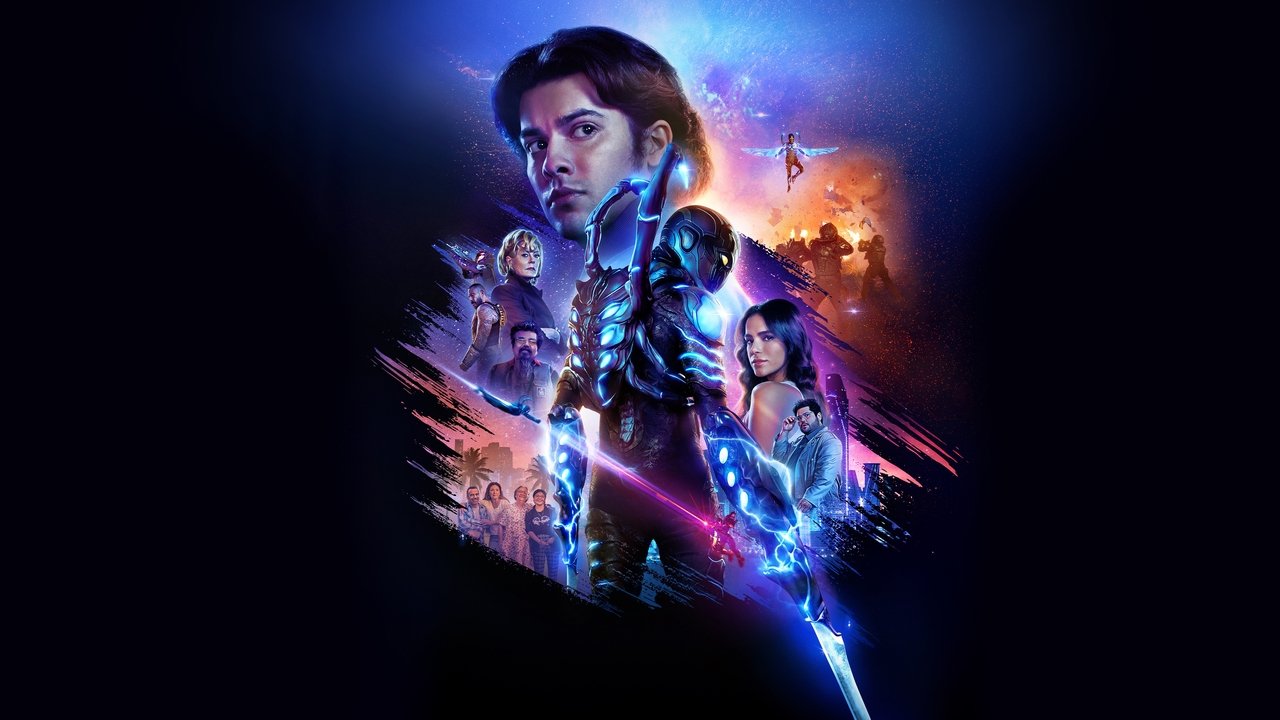
Behind the scenes, the production was a bit of a localized miracle. Despite the $104 million budget, which is "modest" by today's ballooning standards, the film looks more expensive than its peers. Much of this is due to the cinematography by Pawel Pogorzelski, the same guy who shot Hereditary and Beau Is Afraid. He brings a richness to the colors of Palmera City that makes it feel lived-in, not just a set.
Also, keep an ear out for the soundtrack; it’s a brilliant mix of Latine rock and 80s electronic music, which helps distance the movie from the generic orchestral swells we’ve grown tired of. The film also features Raoul Max Trujillo as Carapax, a villain who actually gets a tragic, wordless backstory told through visual flashes near the end—a rare bit of "show, don't tell" in a genre known for monologuing.
Blue Beetle is a vibrant, scrappy survivor of a cinematic era that was trying to find its feet. It doesn't reinvent the wheel, but it puts some very stylish rims on it and invites the whole family for a ride. While it might have been lost in the shuffle of studio transitions and industry strikes, its heart ensures it’ll be a staple for fans who want their heroes to feel a little more human and a lot more colorful. If you missed it during its rocky theatrical run, it’s time to let the Scarab into your living room.
Keep Exploring...
-
Pacific Rim: Uprising
2018
-
Solo: A Star Wars Story
2018
-

Alita: Battle Angel
2019
-

Gemini Man
2019
-
Star Wars: The Rise of Skywalker
2019
-
Terminator: Dark Fate
2019
-
Underwater
2020
-
Black Widow
2021
-
Eternals
2021
-
Godzilla vs. Kong
2021
-
The Matrix Resurrections
2021
-
The Tomorrow War
2021
-
Black Adam
2022
-
Jurassic World Dominion
2022
-
Moonfall
2022
-
Ant-Man and the Wasp: Quantumania
2023
-

Rebel Moon - Part One: A Child of Fire
2023
-
The Creator
2023
-
The Flash
2023
-
The Marvels
2023