Godzilla Minus One
"Post-war despair has a new, radioactive face."
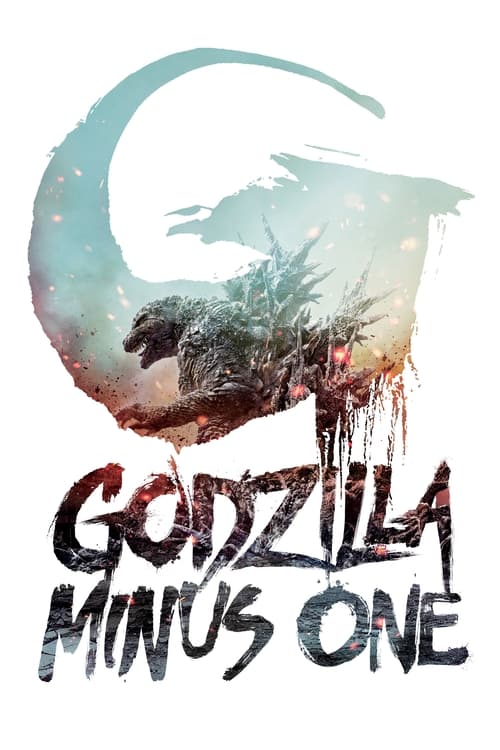
The first time the heat ray fires in Godzilla Minus One, my local theater didn’t just go quiet; it felt like the air had been sucked out of the room by a vacuum. There was a kid three rows down who had been aggressively crinkling a bag of Sour Patch Kids for twenty minutes, and even he froze mid-chew. That is the power of this film. It doesn’t treat Godzilla as a franchise mascot or a wrestling superstar; it treats him as a walking, breathing manifestation of national PTSD.
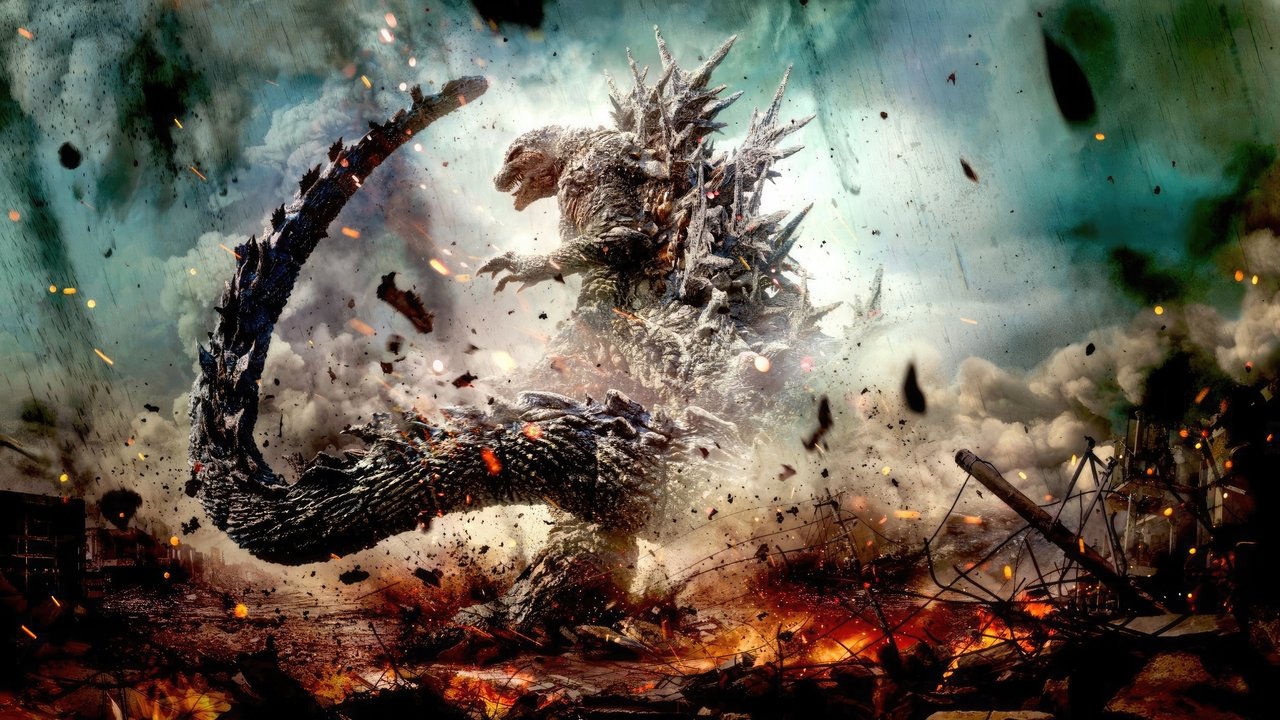
For years, we’ve been conditioned by the "MonsterVerse" to see these kaiju as "Titans"—gods that we should root for as they level San Francisco. But Takashi Yamazaki (who also directed the nostalgic Always: Sunset on Third Street) makes a daring, somber choice: he makes us care about the people on the ground again. Set in the immediate aftermath of WWII, Japan is already at "zero"—broken, starved, and grieving. When the Big G shows up, he kicks them down to "minus one." It is a punishing, intense experience that reminds me why horror is most effective when it’s rooted in reality.
The Weight of a Living Ghost
At the heart of the wreckage is Koichi Shikishima, played with a trembling, haunted intensity by Ryunosuke Kamiki. He’s a kamikaze pilot who couldn’t pull the trigger—not out of cowardice, but out of a desperate, human urge to live. His survivor's guilt is the real antagonist here, and Godzilla is just the physical shape that guilt takes. When he returns to a firebombed Tokyo and meets Noriko (Minami Hamabe), a woman who has "adopted" an orphaned baby in the chaos, the film feels more like a heartbreaking post-war drama than a creature feature.
I’ll be honest: I usually find the "human scenes" in monster movies about as interesting as watching a screen saver, but I found myself actually resenting it when Godzilla showed up to interrupt their domestic struggle. That is a testament to the script. We see a makeshift family trying to find hope in a country that has been abandoned by its own government. When Sakura Ando (from the brilliant Shoplifters) screams at Shikishima for coming home alive, you feel the jagged edge of a society that valued death over dignity.
Terror in the Details
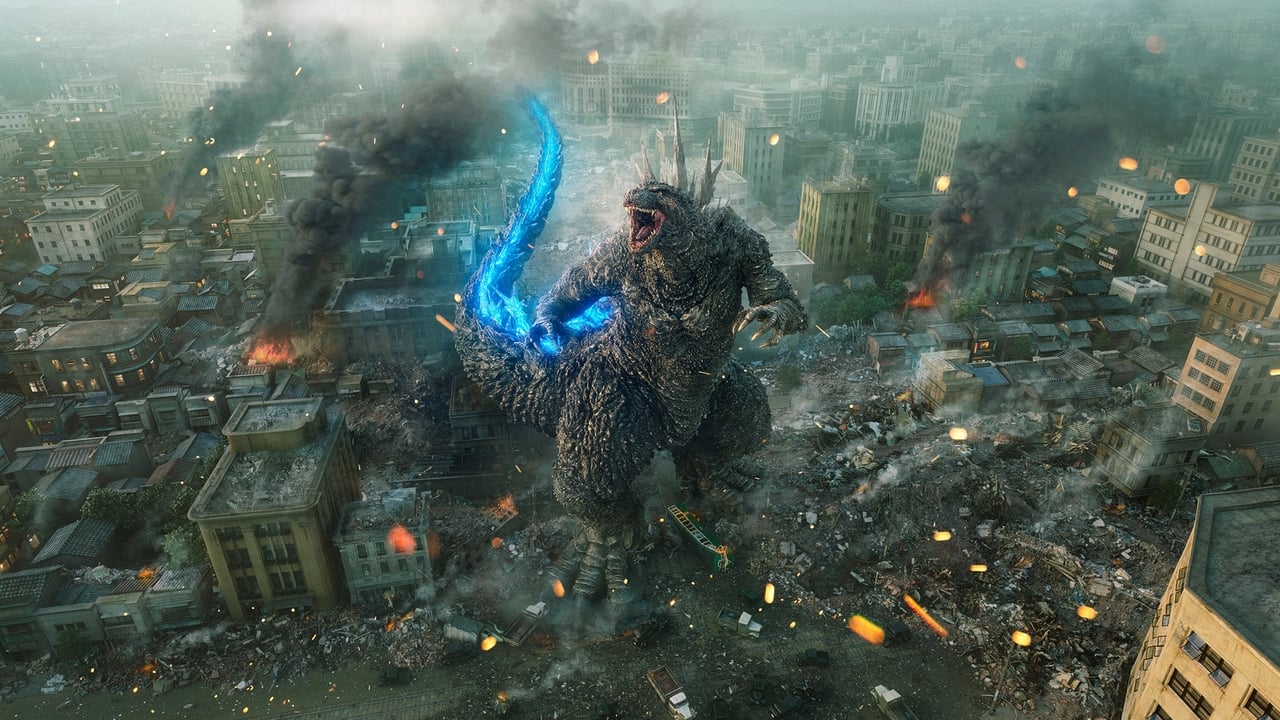
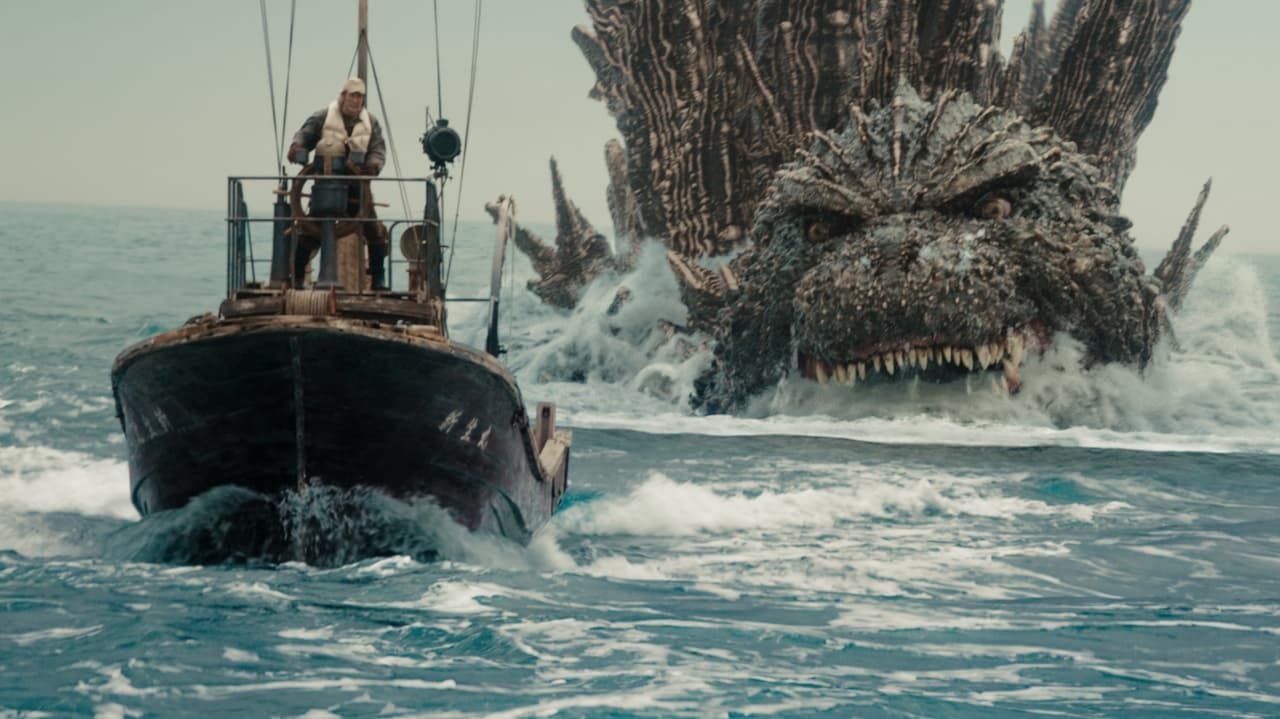
When the horror does arrive, it is genuinely frightening. This Godzilla isn’t "cool." He’s a jagged, scarred beast that looks like he’s in constant pain, and he moves with a predatory malice that we haven't seen in decades. The sequence where a small wooden boat tries to outrun the creature is a masterclass in tension, clearly tipping its hat to Steven Spielberg’s Jaws.
The sound design is where the movie really gets under your skin. They used the original 1954 Godzilla roar, but they layered it, making it sound like a building being torn in half. And then there is the score. Akira Ifukube’s legendary theme is used sparingly, which makes its eventual arrival feel like a funeral march rather than a hero’s entrance.
What Takashi Yamazaki achieved here on a budget of just $15 million is nothing short of a miracle. Hollywood spends $200 million to make a monster look like a floating tennis ball, while Yamazaki did it for the price of a mid-sized sedan's marketing budget. It’s no wonder this became the first Godzilla film in history to win an Academy Award for Best Visual Effects. Every penny is on the screen, particularly in the way the creature’s skin reacts to the water or how the "atomic breath" creates a literal mushroom cloud, forcing the characters to deal with radioactive black rain. It is a grim, unflinching callback to the nuclear trauma that birthed the character in 1954.
A Blockbuster with a Soul
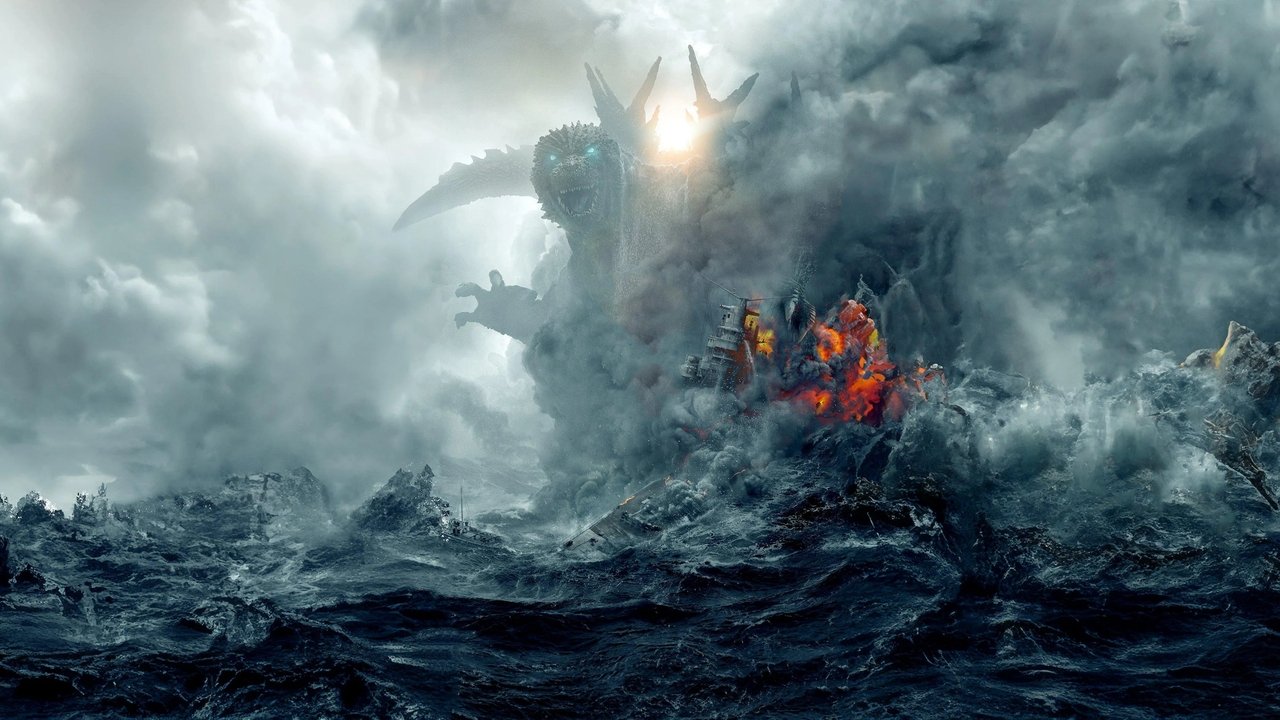
Released in an era of "franchise fatigue" and bloated streaming releases, Godzilla Minus One became a genuine cultural phenomenon. It wasn't just a hit in Japan; it tore through the U.S. box office, earning over $113 million worldwide because word-of-mouth was undeniable. People were tired of empty spectacle. They wanted a story about what it means to "live and fight" when everything has already been lost.
The film also avoids the trap of being a "legacy sequel" that relies on cheap nostalgia. While it honors the past, it feels fiercely contemporary in its skepticism of military leadership and its celebration of civilian cooperation. The final plan to stop Godzilla doesn't involve a bigger bomb or a secret weapon; it involves engineers, scientists, and veterans like the quirky Kenji Noda (Hidetaka Yoshioka) and the young, eager Shiro Mizushima (Yuki Yamada), all using their brains to save what’s left of their homes.
I remember walking out of the theater into the chilly night air, feeling physically drained. I hadn't just watched a movie; I’d sat through a collective exorcism. It’s rare to see a blockbuster that respects its audience's intelligence this much, and it’s even rarer to see one that manages to be both a terrifying horror film and a deeply moving human drama.
Godzilla Minus One is a towering achievement that reclaims the King of the Monsters from the realm of camp and places him firmly back into the realm of nightmare. It is the best the genre has looked in decades, proving that you don't need a billion-dollar budget to create something that feels truly massive. If you’ve ever rolled your eyes at a "monster movie," this is the one that will make you a believer. It’s a film that understands that the most frightening thing in the world isn't a giant lizard—it's the fear that we aren't worth saving.
Keep Exploring...
-

#Alive
2020
-
Shin Godzilla
2016
-
A Quiet Place
2018
-
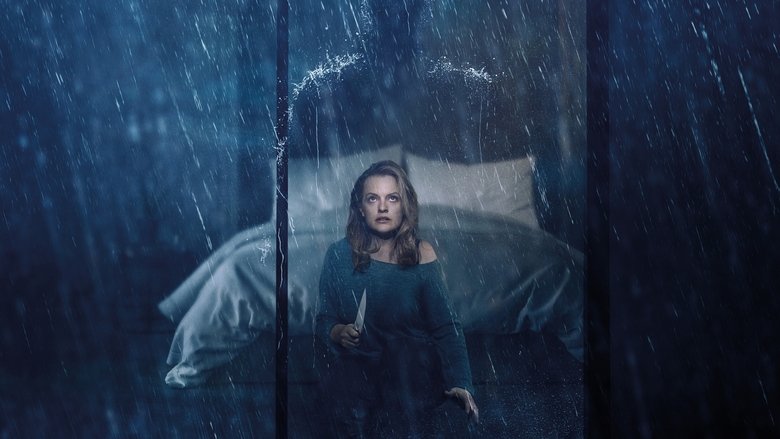
The Invisible Man
2020
-

M3GAN
2022
-
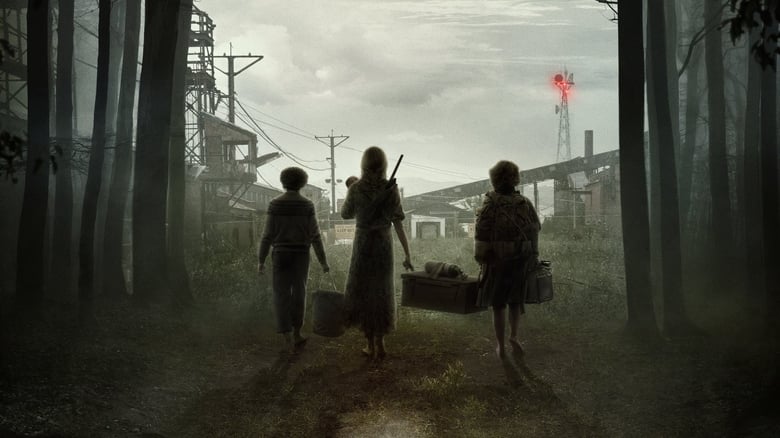
A Quiet Place Part II
2021
-

Alien: Romulus
2024
-
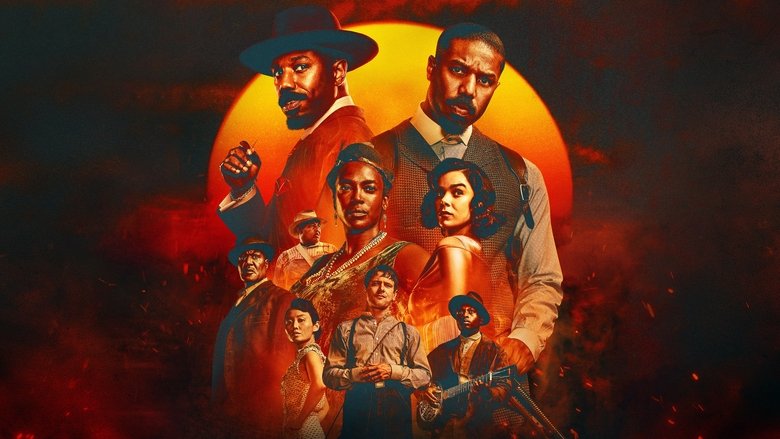
Sinners
2025
-
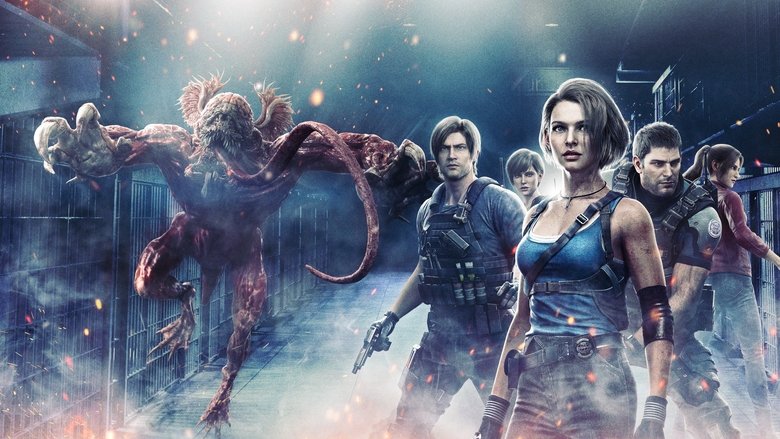
Resident Evil: Death Island
2023
-
Greenland
2020
-

The Substance
2024
-
Companion
2025
-

M3GAN 2.0
2025
-

Dragon Ball Super: Broly
2018
-
Everything Everywhere All at Once
2022
-

The Girl with All the Gifts
2016
-
Maze Runner: The Death Cure
2018
-
Upgrade
2018
-
Tenet
2020
-

Prey
2022