Gran Turismo
"The simulation just got real."
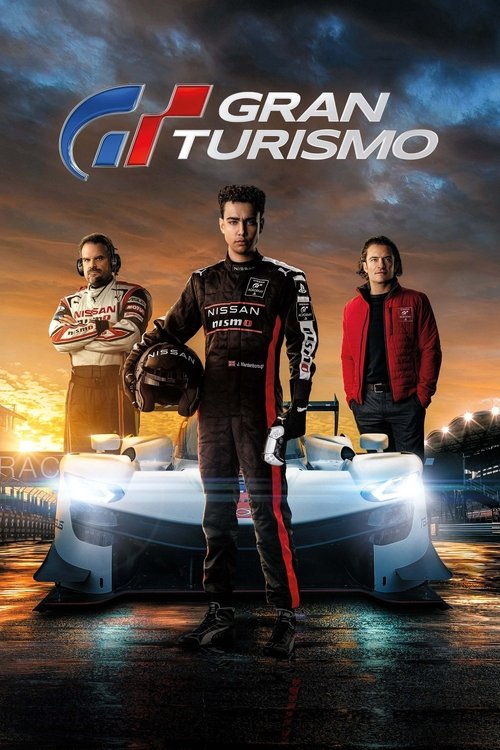
I remember the specific, stinging blister I earned on my thumb in the late 90s, the result of a marathon session trying to shave a tenth of a second off a license test in the original Gran Turismo. It was a digital callus, a badge of honor for a kid who knew more about gear ratios than actual social interaction. Watching Neill Blomkamp’s Gran Turismo (2023) decades later, I realized the film is trying to argue that those blisters weren't just a waste of time—they were credentials. It’s a fascinating, if occasionally dizzying, exploration of what happens when the virtual world finally breaks the fourth wall of reality.

I actually watched this film for the first time while nursing a mild case of food poisoning—specifically from a questionable gas station egg salad sandwich—and honestly, the high-speed vibrations and the roar of the engines on screen were weirdly the only things that kept me focused enough to forget my stomach was staging a coup.
The Gamification of the Soul
In our current era of "brand cinema"—where we’ve seen biopics for everything from sneakers (Air) to falling-block puzzles (Tetris)—Gran Turismo feels like it should be the ultimate corporate synergy nightmare. On paper, it’s a feature-length advertisement for a video game and a car manufacturer. Yet, Blomkamp, the man who gave us the gritty, mechanical textures of District 9, manages to inject a surprising amount of philosophical weight into the cockpit.
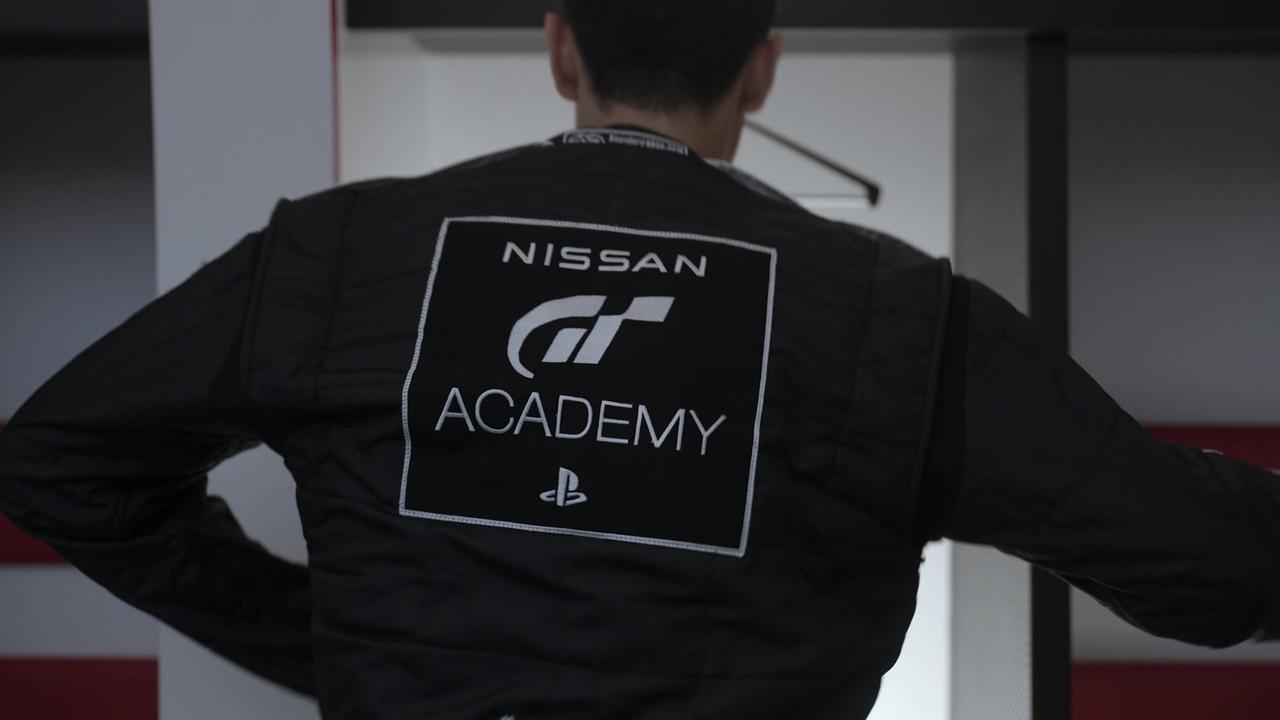
The film follows the true story of Archie Madekwe’s Jann Mardenborough, a kid who trades a racing rig in his bedroom for a seat in a 200-mph death machine. What’s intellectually stimulating here isn't the "underdog wins" trope; it’s the way the film visualizes the interface between man, machine, and software. Blomkamp uses digital overlays—line guides and UI elements from the game—that float over the real-world tracks. It suggests that for a generation raised on simulations, reality is just another engine to be optimized. It’s basically a $60 million Nissan commercial that somehow grows a soul.
The Grumpy Heart of the Machine
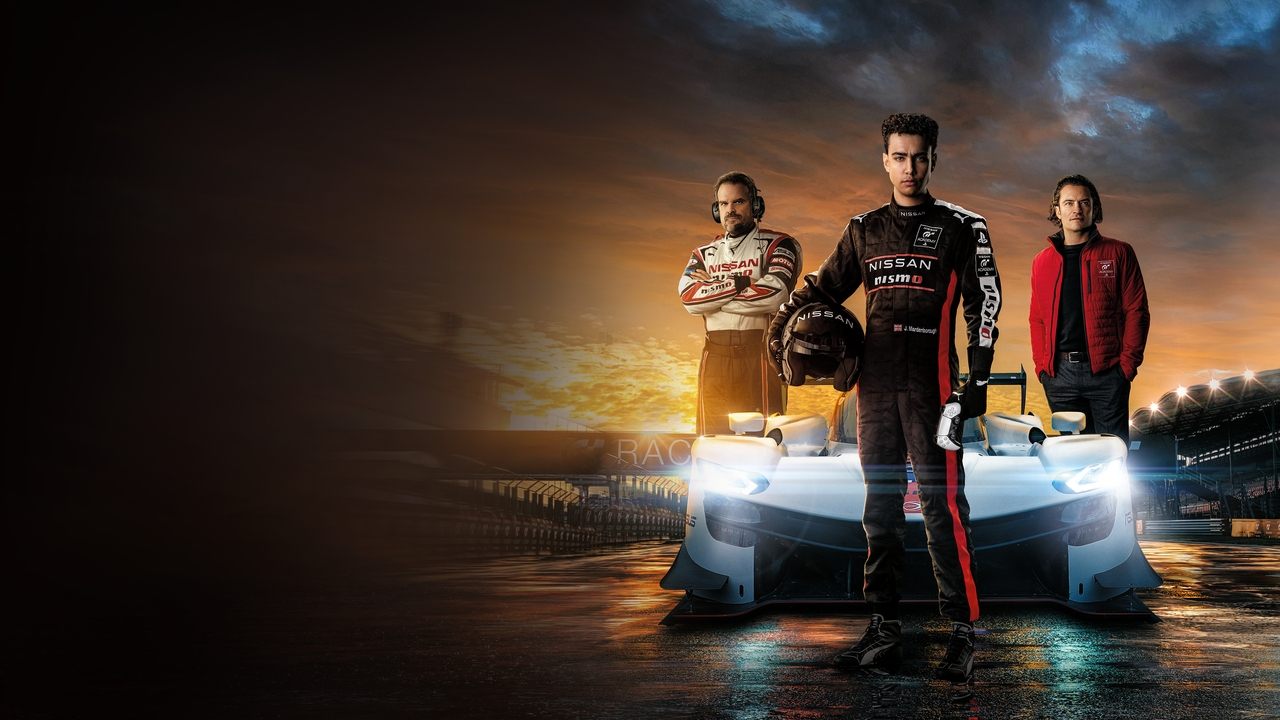
While Archie Madekwe gives a soulful, vulnerable performance as Jann, the movie’s secret weapon is David Harbour as Jack Salter. Salter is the archetypal washed-up trainer, but Harbour plays him with a weary, cigarette-stained cynicism that grounds the movie's flashier instincts. His chemistry with Madekwe provides the emotional ballast that prevents the film from spinning off the track into pure spectacle.
Opposite them, Orlando Bloom plays Danny Moore (a fictionalized version of GT Academy founder Darren Cox) with a slick, corporate desperation that perfectly captures the "marketing-first" ethos of modern sports. He isn't a villain, but he represents the pressure of the "content" era—where the story of the driver is more important to the board of directors than the driver himself. Even Djimon Hounsou, in a relatively small role as Jann’s father, brings a crushing weight to the domestic scenes, highlighting the generational gap between "playing games" and "having a career."
Practical Physics in a Virtual World
For an action fan, the way this film handles its racing sequences is a revelation. In an age where superhero movies often feel like weightless CGI soup, the stunt work here feels heavy, dangerous, and expensive. Blomkamp leaned heavily into practical effects, using a fleet of real Nissan GT-Rs and filming at actual tracks like the Hungaroring and the Nürburgring.
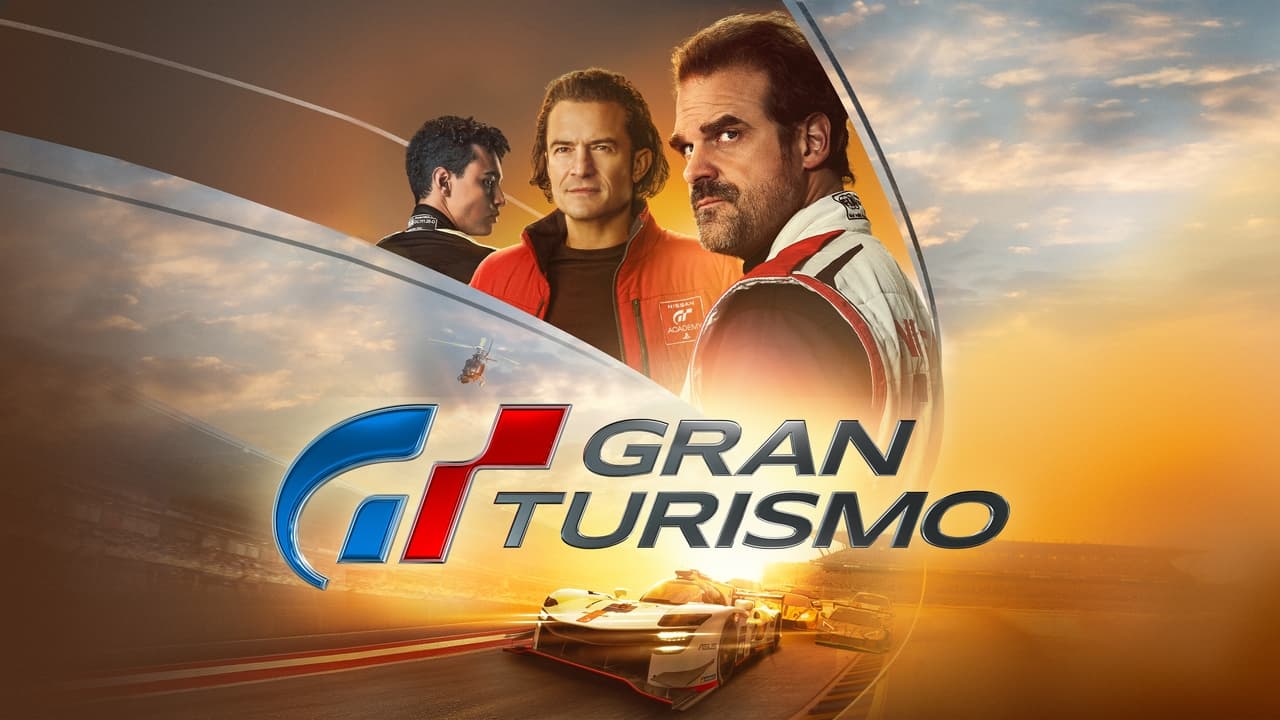
The "cool details" behind the scenes make the action even more impressive:
The real Jann Mardenborough actually served as the stunt double for Archie Madekwe, meaning the man was literally driving his own life story. The production used the "Sony Rialto" camera system, which allowed the crew to cram high-quality sensors into the tiny, claustrophobic spaces of the cockpit. To capture the feeling of "sim-racing," the filmmakers used a specialized camera rig that mimicked the third-person "chase cam" perspective players are used to in the game. The tragic crash at the Nürburgring depicted in the film was a point of controversy, but the filmmakers treated it with a somber, terrifying weight that highlights the stakes of moving from pixels to asphalt. * The sound design is a masterclass in mechanical aggression; you don't just hear the engines, you feel the internal combustion in your molars.
Gran Turismo succeeds because it respects the obsession of its subject matter. It doesn't look down on the "gamer" as a basement dweller, but rather as a specialized kind of athlete for the digital age. While the script occasionally leans on predictable sports movie cliches, the sheer technical craft and David Harbour’s grizzled performance elevate it. It’s a film that understands that in the 21st century, the line between what we simulate and what we experience is thinner than a coat of racing paint. If you can get past the blatant brand-building, there’s a genuinely thrilling human story under the hood.

Keep Exploring...
-
RRR
2022
-
The Call of the Wild
2020
-
Raya and the Last Dragon
2021
-
The Woman King
2022
-
The Darkest Minds
2018
-
The Count of Monte Cristo
2024
-

In the Heart of the Sea
2015
-

King Richard
2021
-
Black Widow
2021
-

Thunderbolts*
2025
-
The Boy and the Beast
2015
-
Ford v Ferrari
2019
-

Guardians of the Galaxy Vol. 3
2023
-

Spider-Man: Across the Spider-Verse
2023
-

Gladiator II
2024
-
The Wild Robot
2024
-

F1
2025
-

How to Train Your Dragon
2025
-
Predator: Badlands
2025
-

Karate Kid: Legends
2025