Indiana Jones and the Dial of Destiny
"Time has caught up with the man in the hat."
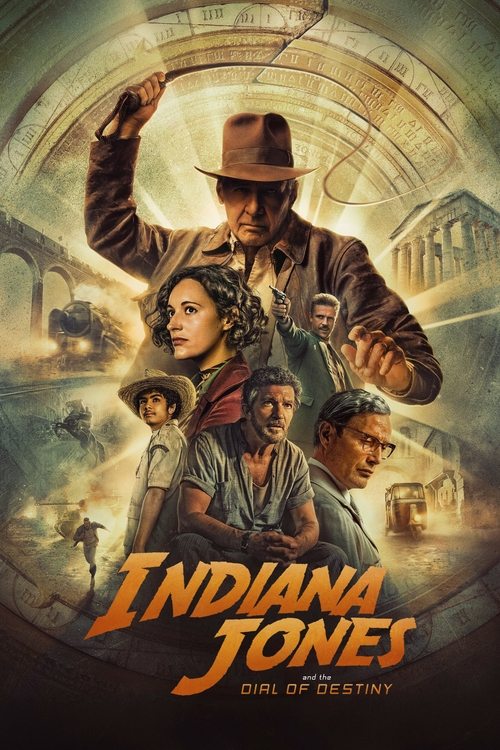
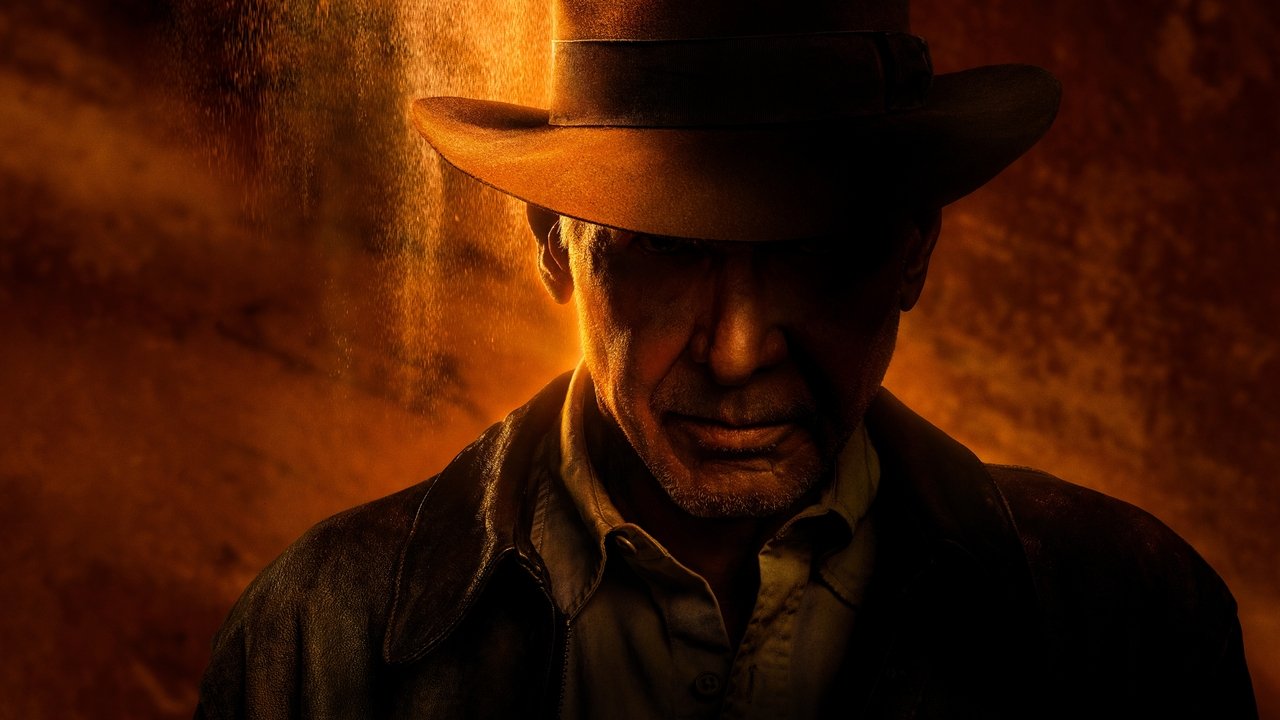
There is a specific, heavy thud when Indiana Jones’s fedora hits the floor—a sound that carries forty years of cinematic dust, John Williams’ brass, and the weight of a dozen broken bones. Watching Harrison Ford (reprising the role at a spry eighty years old) trudge through his final adventure in Indiana Jones and the Dial of Destiny, I couldn’t help but feel the meta-narrative of the whole endeavor. This isn't just a movie about a professor hunting a Greek mathematical MacGuffin; it’s a film about a legendary franchise trying to find its footing in a modern industry that values "Intellectual Property" over actual soul.
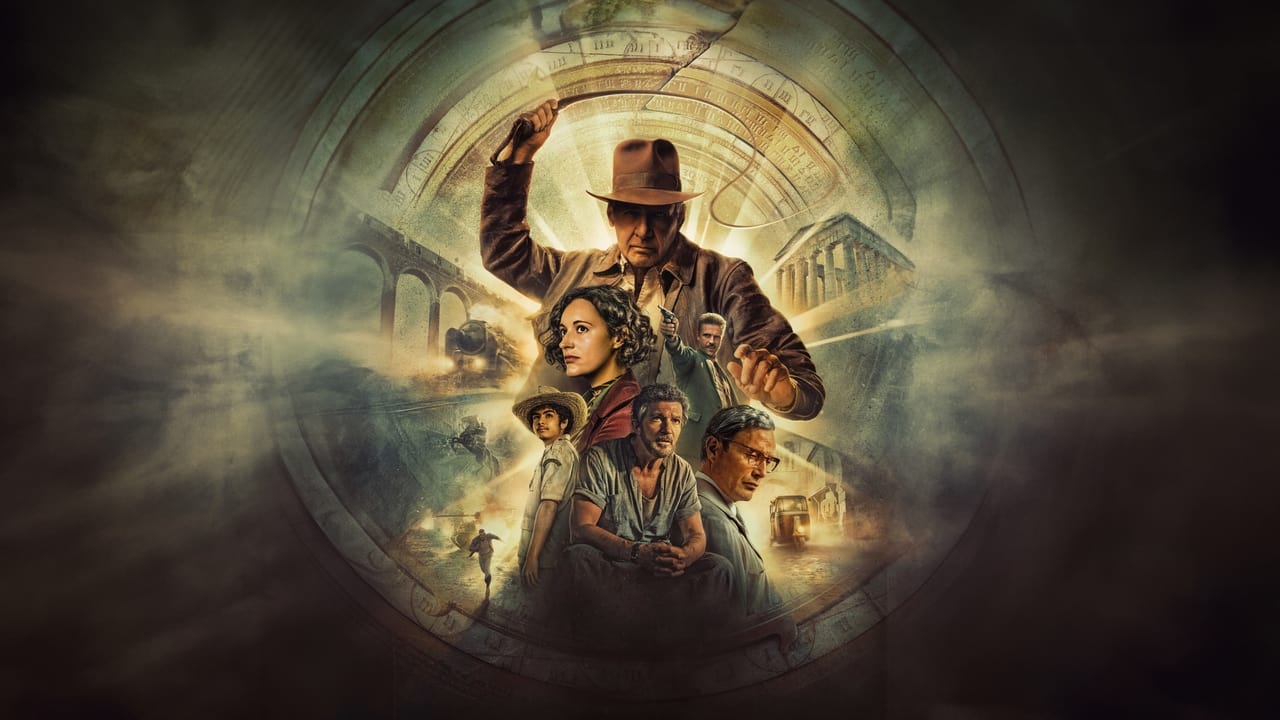
I watched this in a theater where the air conditioning was set to "Arctic Tundra," and I’m fairly certain the woman three seats down was wearing a full-on winter parka. That shivering discomfort strangely mirrored the film's opening—a twenty-minute de-aged flashback that feels like a fever dream of 1944.
The Ghost in the Digital Machine
That opening sequence is the ultimate "contemporary cinema" Rorschach test. Using Industrial Light & Magic’s "Flux" technology, James Mangold (who gave us the grit of Logan) presents us with a 1940s-era Indy. It is, technically speaking, a miracle. It’s the most successful use of de-aging I’ve seen to date, far surpassing the waxy faces of The Irishman. Yet, there’s an undeniable "uncanny valley" friction. While the face looks like the Harrison Ford of Raiders of the Lost Ark, the voice is the gravelly baritone of an eighty-year-old man, and the physical movements occasionally lack the springy, kinetic energy of a younger stuntman.
It’s a bold choice to lead with a digital recreation of nostalgia. It sets a high bar for the rest of the film, which eventually transitions to 1969. Here, Indy is a man out of time, living in a cramped New York apartment while the world celebrates the Moon landing. The film captures that "End of an Era" vibe perfectly. Indy is retiring, he’s grieving, and he’s being told that the past—the thing he’s dedicated his life to—doesn’t matter anymore. Harrison Ford delivers his most vulnerable performance as the character here; he isn't just playing the hits, he’s showing us the scars.
A New Kind of Sidekick
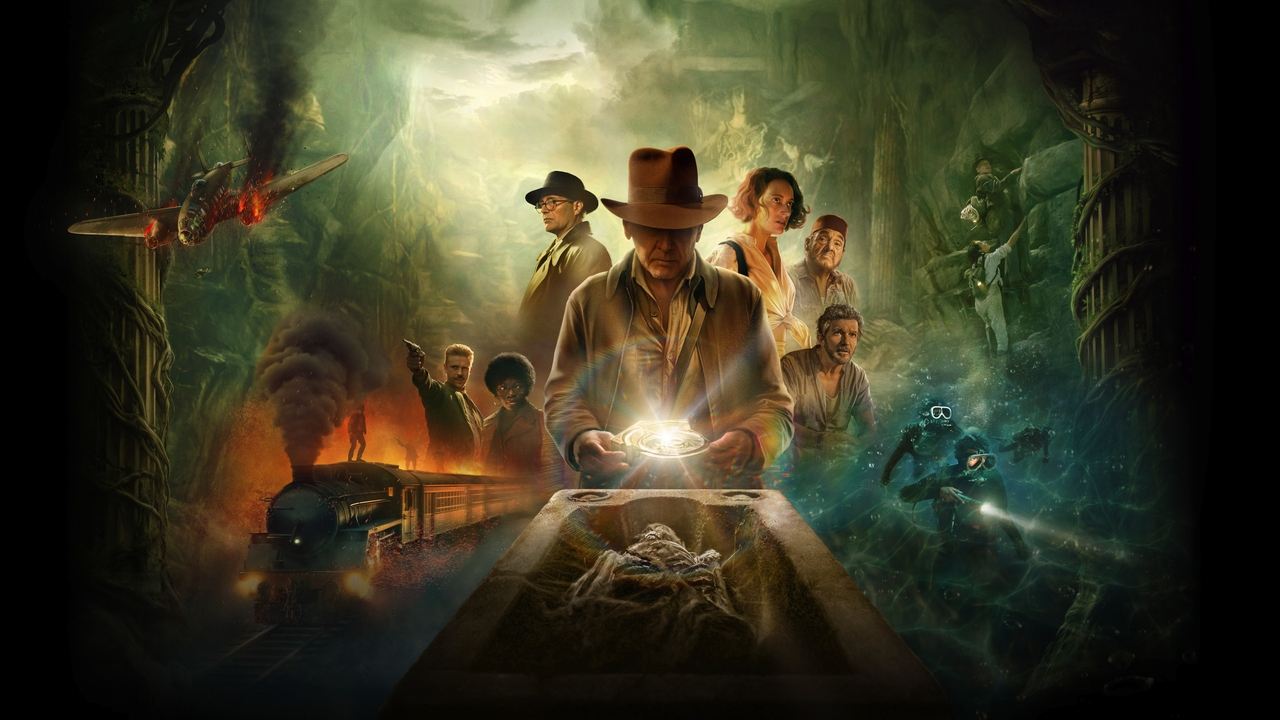
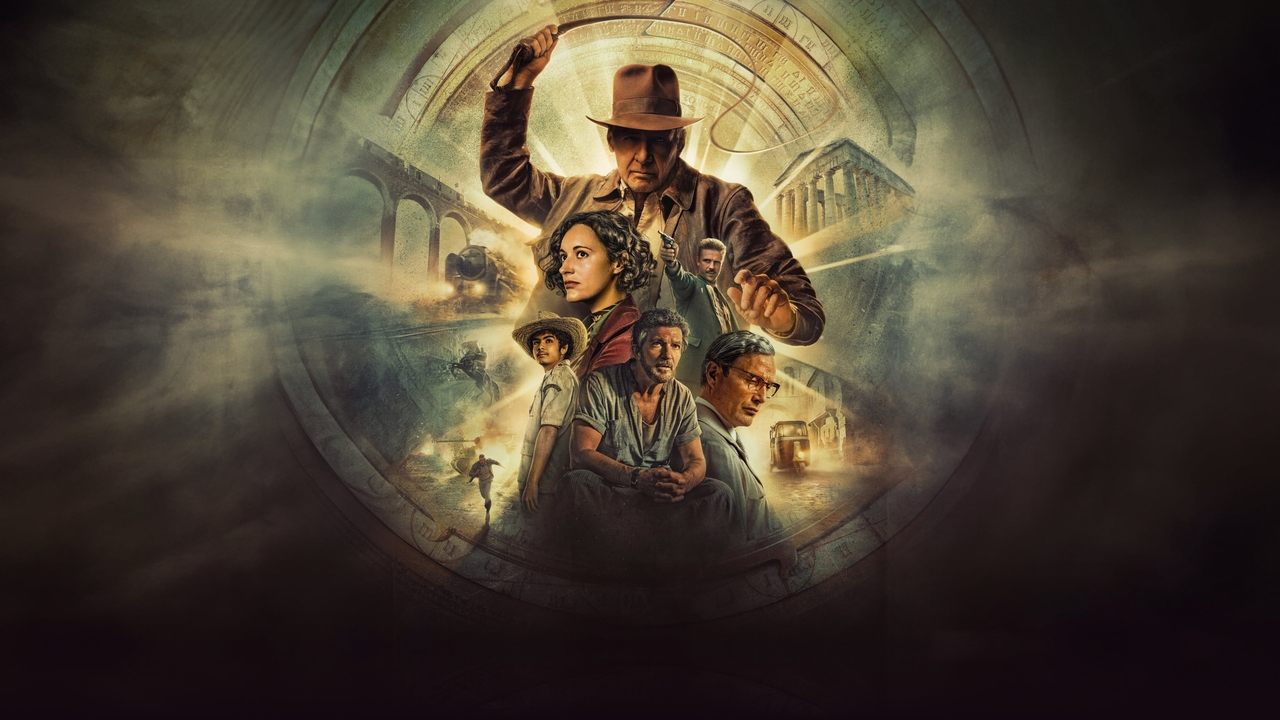
The arrival of Helena Shaw, played with a sharp, mercenary edge by Phoebe Waller-Bridge (Fleabag), acts as the narrative’s jumper cables. She isn't the wide-eyed ward or the romantic interest; she’s a chaotic, debt-ridden opportunist who views history as a payday. I’ve seen plenty of "discourse" online claiming she overshadows Indy, but I actually found her cynicism to be the perfect foil for his weathered idealism. She forces him to care again.
The action choreography, handled by stunt coordinator Ben Cooke and second-unit veteran Guy Norris (Mad Max: Fury Road), leans heavily into the "Mangold Style." It’s tactile and messy. The Tuk-tuk chase through the streets of Tangier is a standout—a clattering, high-stakes sequence that feels like it has actual weight, unlike the rubbery CGI vine-swinging of Kingdom of the Crystal Skull. While there is still a heavy layer of digital polish (this is a $295 million Disney-era production, after we), the film tries its hardest to keep the stunts feeling physical. Mads Mikkelsen as the villainous Dr. Voller is predictably excellent, playing a NASA scientist with a Nazi past who is far more terrifying when he’s being polite than when he’s being cruel.
The Audacity of the Third Act
If you’re a fan who prefers their Indy movies to stay grounded in "standard" archaeology, the final thirty minutes of Dial of Destiny will likely make your head spin. Without spoiling the specifics, the film takes a massive swing into high-concept sci-fi/fantasy that makes the aliens of the previous film look like a grounded documentary. The third act is a glorious, bizarre, and deeply moving swing for the fences that either works for you or completely breaks the movie.
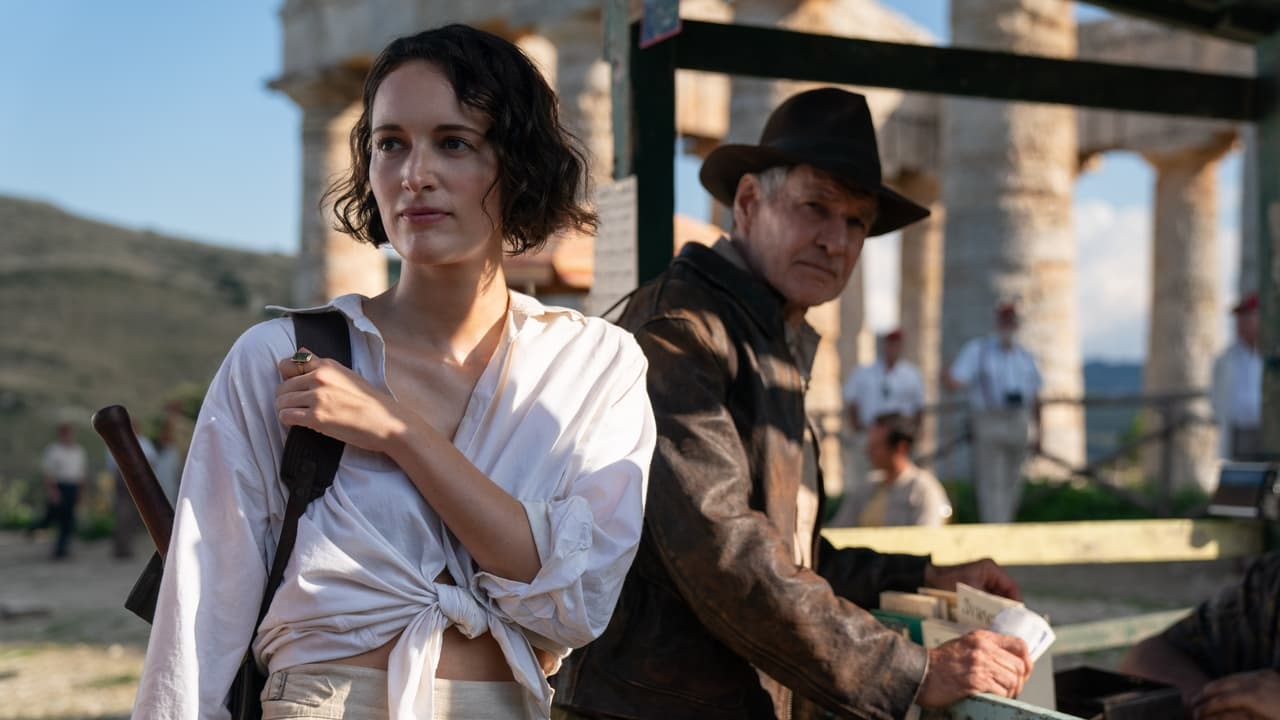
For me, it worked. It centers on the concept of "The Dial" (the Antikythera mechanism), and the way it pays off Indy’s life-long obsession with history is surprisingly poetic. It’s a film that acknowledges the franchise’s own mortality. We are in an era of "legacy sequels" where every hero from our childhood is being dragged out for one last ride (Han Solo, Luke Skywalker, Top Gun’s Maverick), and Dial of Destiny feels the most honest about the toll that takes.
Despite the massive budget and the Disney marketing machine, this feels like a smaller, more intimate character study wrapped in the skin of a blockbuster. It’s not perfect—it’s about twenty minutes too long, and the kid sidekick, Teddy (Ethann Isidore), feels like a mandatory "Short Round" update that never quite finds his own personality. But as a final goodbye to the man with the whip? It’s far better than the cynical "franchise fatigue" crowd would have you believe.
The film struggled at the box office, perhaps proving that audiences were finally full after a decade of IP-dominance, but I suspect Dial of Destiny will have a long life as a "cult classic" for those who grew up with Indy. It’s a film about the beauty of being a relic in a world that only wants the newest thing. John Williams (who came out of retirement to score the whole film rather than just a few themes) provides a melodic, sweeping farewell that reminds us why we fell in love with this character in the first place. It’s a flawed, ambitious, and ultimately heart-on-its-sleeve conclusion to cinema's greatest adventurer.
Keep Exploring...
-
Indiana Jones and the Kingdom of the Crystal Skull
2008
-
Indiana Jones and the Temple of Doom
1984
-
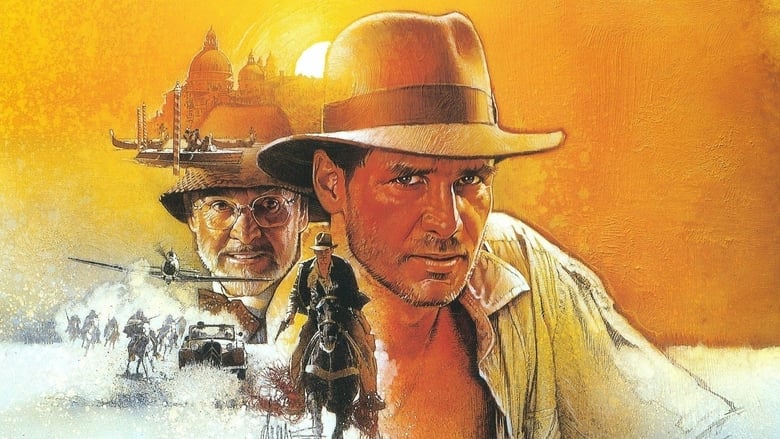
Indiana Jones and the Last Crusade
1989
-
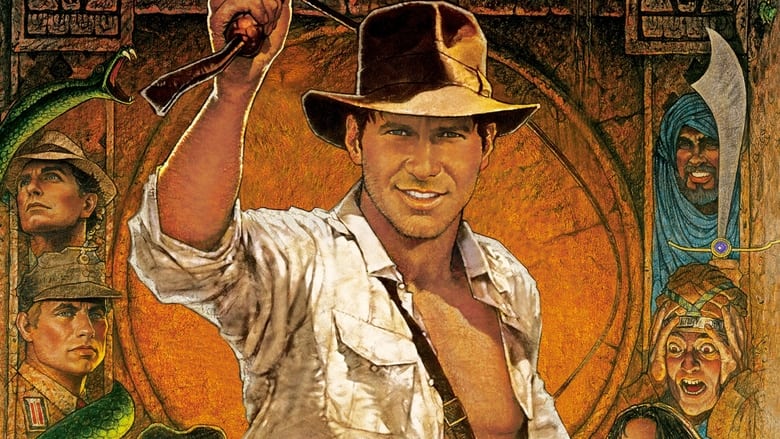
Raiders of the Lost Ark
1981
-
Solo: A Star Wars Story
2018
-
Pacific Rim: Uprising
2018
-

Skyscraper
2018
-
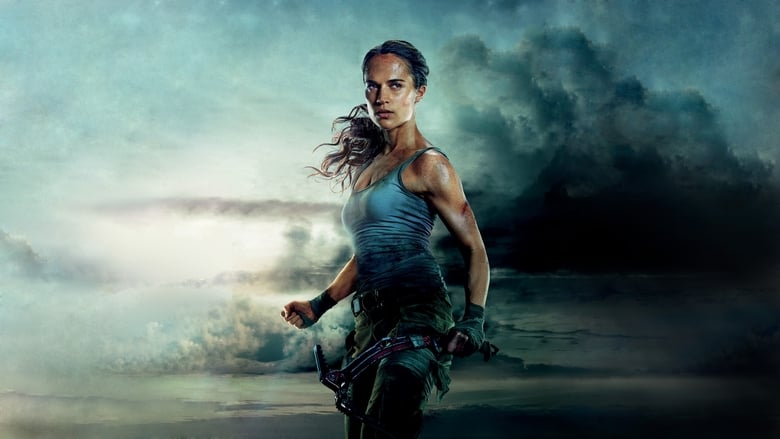
Tomb Raider
2018
-

Alita: Battle Angel
2019
-
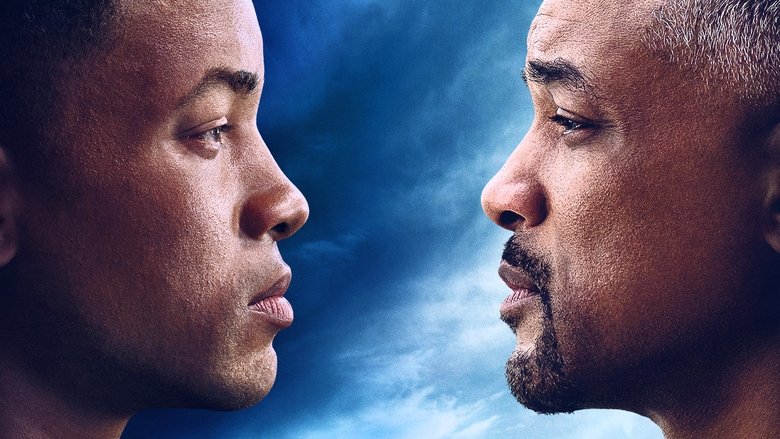
Gemini Man
2019
-
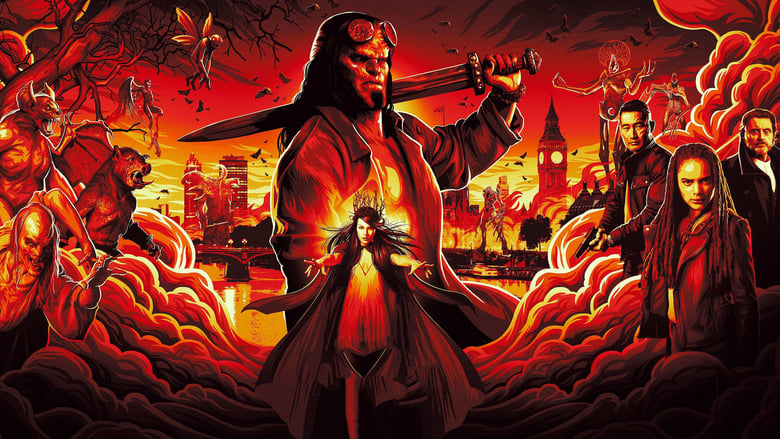
Hellboy
2019
-
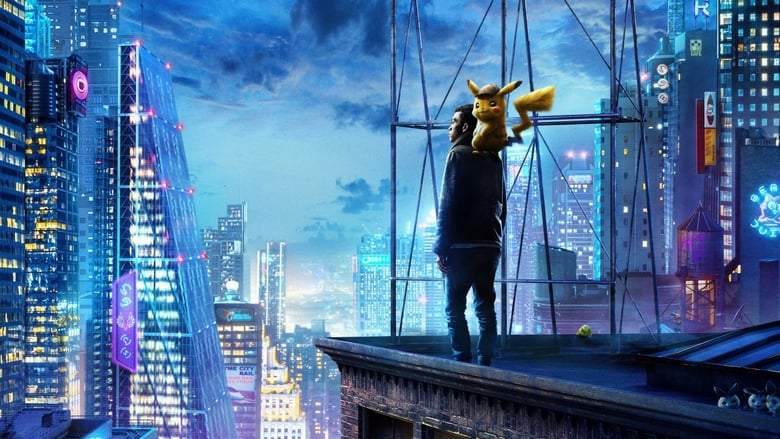
Pokémon Detective Pikachu
2019
-
Star Wars: The Rise of Skywalker
2019
-
Terminator: Dark Fate
2019
-
Triple Frontier
2019
-

Mulan
2020
-
Underwater
2020
-
Wonder Woman 1984
2020
-
Black Widow
2021
-
Eternals
2021