Killers of the Flower Moon
"The wolves are hiding in plain sight."
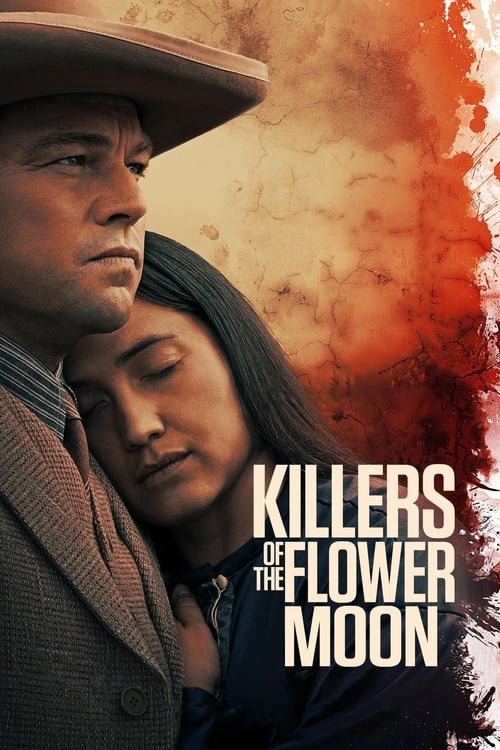
The first time I saw the oil geyser erupting from the Oklahoma dirt in Killers of the Flower Moon, I wasn’t thinking about the wealth it represented. I was thinking about the stain. It looks like ink, thick and permanent, soaking into the skin of the Osage people who danced beneath it. It’s a haunting image that sets the stage for a film that feels less like a traditional "movie night" and more like an exorcism of American history. I watched this in a theater where the air conditioning was cranked so high I had to wrap my spare hoodie around my legs like a makeshift blanket, but by the second hour, the cold in the room had nothing to do with the vents. It was coming from the screen.
The Banality of the Predator
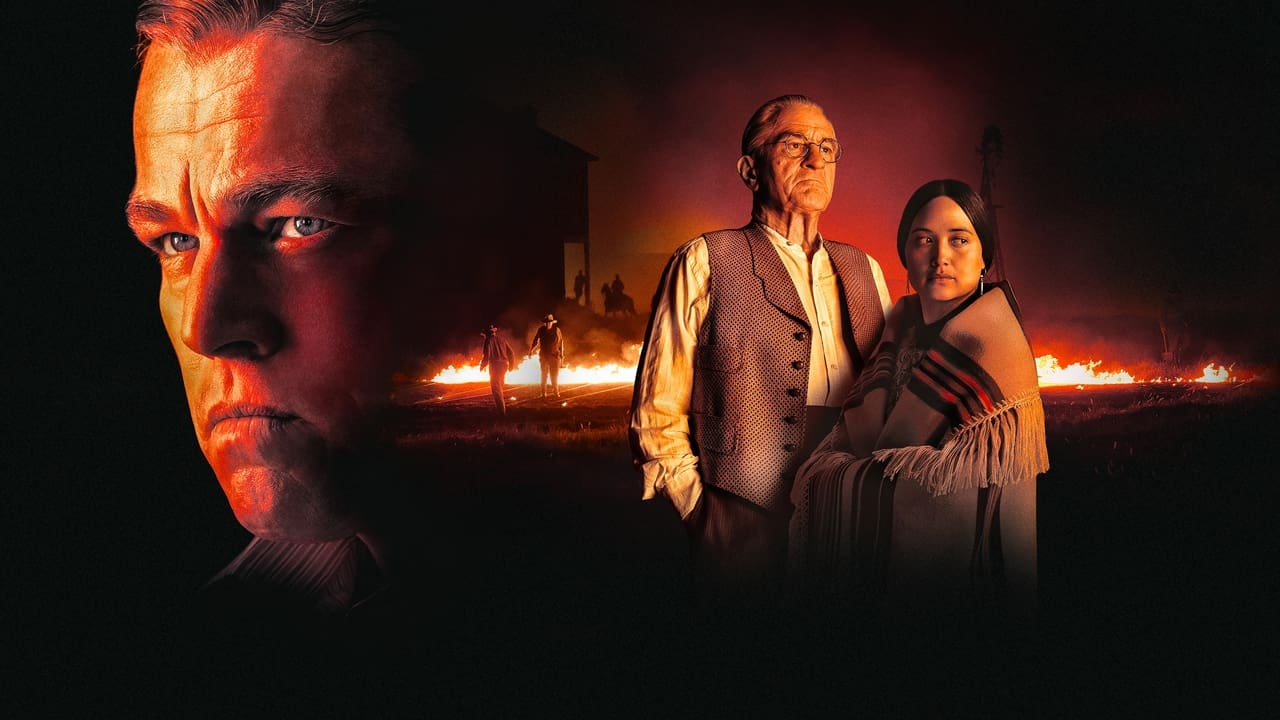
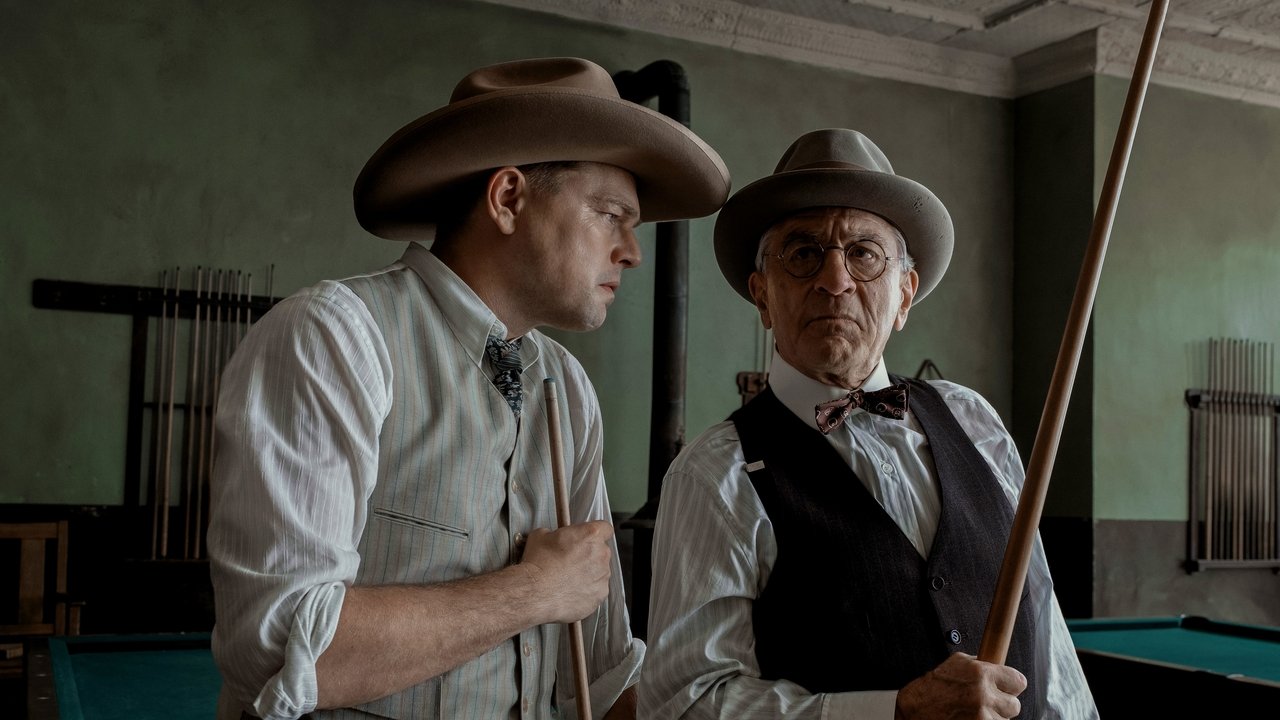
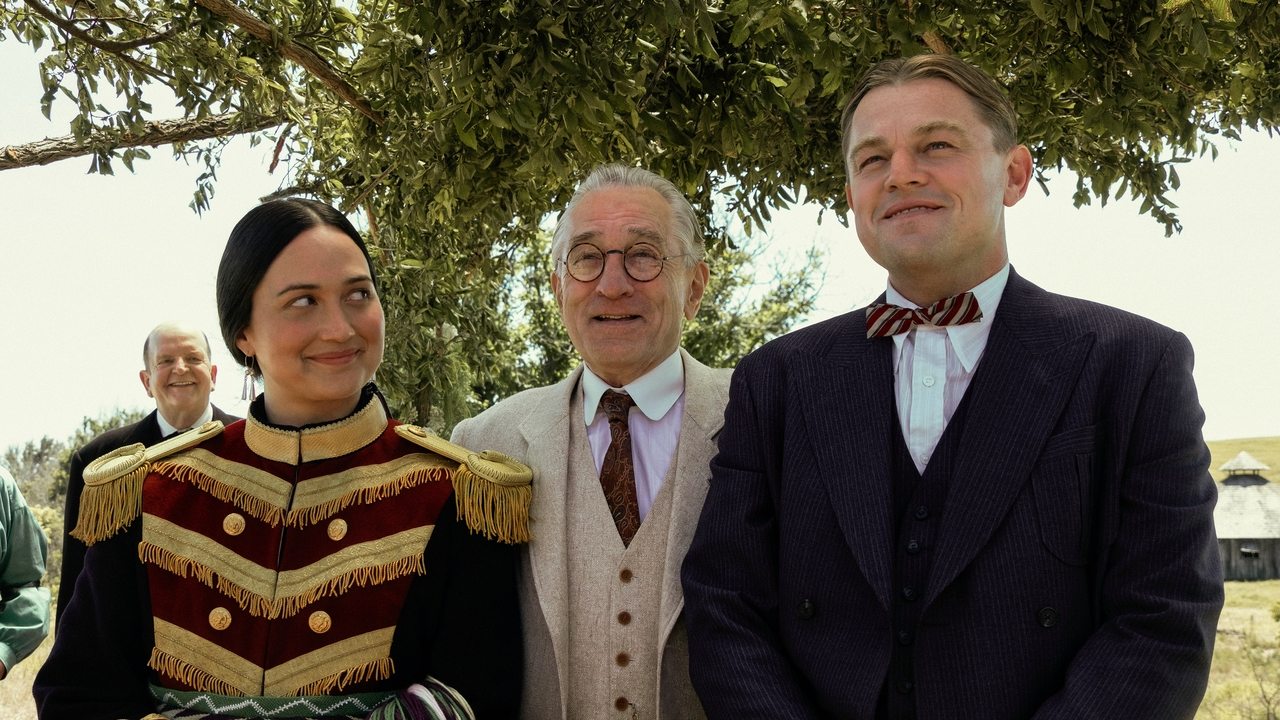
Martin Scorsese has spent a lifetime documenting men who kill for pride, money, or a sense of belonging, but here he strips away the glamour of the gangster. There is no "Layla" exit montage here. Instead, we get Robert De Niro as William "King" Hale, a man who performs the role of a benevolent grandfather while methodically orchestrating a genocide. It is De Niro’s most chilling work in decades because he doesn’t play Hale as a monster; he plays him as a civic leader. He’s the guy who shakes your hand and tells you he loves your family while he’s signing your death warrant.
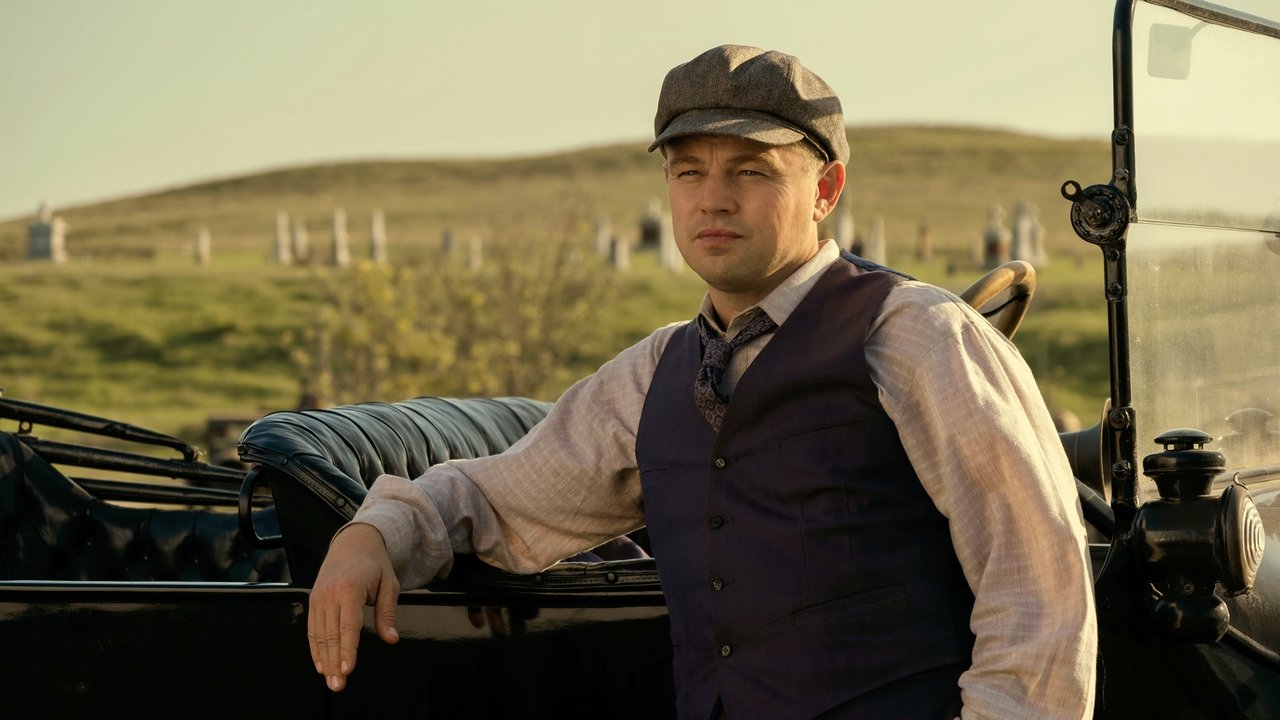
In the middle of this predatory circle is Leonardo DiCaprio as Ernest Burkhart. DiCaprio looks like he spent the entire three-and-a-half-hour runtime trying to swallow his own chin, and that constant, pained grimace is perfect for a man too stupid to be a mastermind but too greedy to be a hero. He’s a "weak sister," a man who genuinely loves his wife, Mollie, while simultaneously poisoning her because his uncle told him to. It’s a pathetic, stomach-turning performance that highlights the most uncomfortable truth of the film: that great evil often requires the cooperation of mediocre people.
The Soul in the Stillness
While the men provide the noise and the violence, Lily Gladstone provides the heart. As Mollie Burkhart, she is the gravitational center of the film. In an era where "strong female characters" are often written with a checklist of quips and combat skills, Gladstone dominates through stillness and observation. Her eyes see everything—the greed, the betrayal, the rot—and her performance is a masterclass in internalizing grief. When she’s on screen, the 206-minute runtime vanishes. You aren’t just watching a historical drama; you’re feeling the weight of a woman watching her entire world be systematically dismantled by the people she shares a bed with.
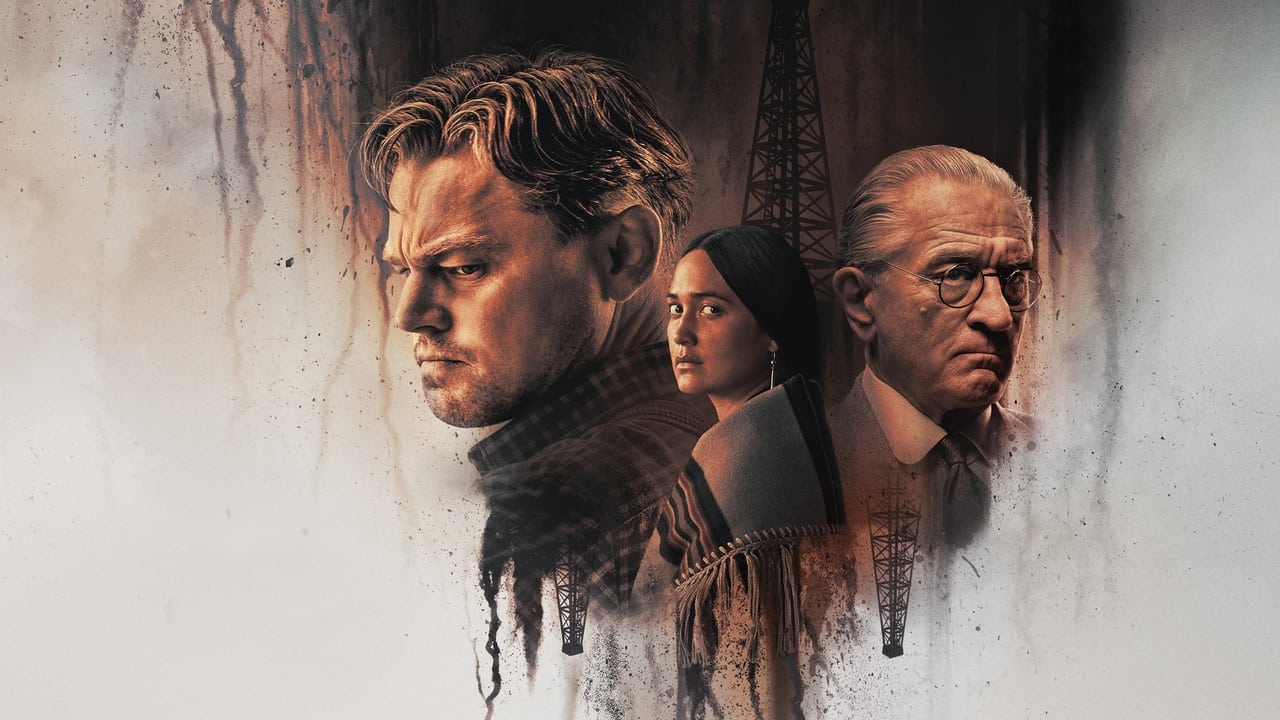
I’ve seen people complain about the length, but honestly, the duration is the point. Scorsese and co-writer Eric Roth want you to feel the agonizing, slow-motion nature of these crimes. This wasn't a bank heist; it was a decades-long erosion. Jesse Plemons eventually shows up as Tom White, the FBI agent sent to investigate, but even his arrival doesn't offer the catharsis of a typical procedural. By the time the law arrives, so much has already been lost that "justice" feels like a polite footnote to a massacre.
From FBI Thriller to Cultural Artifact
What fascinates me about the "making-of" narrative here is how much the film changed during production. Originally, the script followed the David Grann book more closely, focusing on Jesse Plemons' character and the birth of the FBI. It was DiCaprio and Scorsese who realized that version was just another "white savior" story we’ve seen a thousand times. They spent years reworking it with the Osage Nation to center the marriage between Mollie and Ernest instead. That’s a bold move for a $200 million Apple Studios production, especially in a streaming era that usually demands fast-paced, "content-first" storytelling.
The involvement of the Osage community wasn’t just a PR move; it’s baked into the film’s DNA. From the authentic costuming to the language and the haunting, percussion-heavy score by the late Robbie Robertson (in his final, brilliant collaboration with Scorsese), the film feels lived-in. Even the cameos—look out for Tantoo Cardinal and John Lithgow—add layers of texture to this oppressive atmosphere. It’s a film that demands your full attention, which is a rare ask in our current landscape of "second-screen" viewing.
The ending of the film is a stroke of absolute genius—a meta-commentary on how we consume tragedy as entertainment. Scorsese himself appears in a sequence that I won't spoil, but it serves as a stunning admission of his own role as a storyteller who turns pain into "true crime." It’s an incredibly brave way to close an epic, acknowledging that even a masterpiece like this can’t fully give back what was stolen. Killers of the Flower Moon isn't an easy watch, and it's certainly not a "fun" one, but it is an essential piece of contemporary cinema that uses its massive budget to tell a story that actually matters. If you can't find 206 minutes to sit with this history, you're missing out on a director at the height of his powers refusing to let us look away.
Stuff You Didn't Notice
The Osage Influence: Scorsese didn't just consult the Osage; many of the background actors are descendants of the survivors, and the film was shot on the actual locations where the murders took place. The De-aging Absence: Despite being a contemporary Scorsese film with De Niro and DiCaprio, there is no de-aging tech here. They leaned into the natural aging of the actors to emphasize the wear and tear of time and guilt. Robbie Robertson’s Last Beat: The score is heavily influenced by Robertson’s own Indigenous roots, creating a rhythmic "heartbeat" that keeps the tension high even in quiet scenes. The Radio Play: The final sequence features a cast of real-life radio actors, emphasizing the transition of this tragedy into the realm of mid-century "infotainment." The Runtime: At 206 minutes, it’s one of the longest major studio releases in history, second only to The Irishman* (209 minutes) in Scorsese's filmography.
Keep Exploring...
-

The Irishman
2019
-
Gangs of New York
2002
-
Silence
2016
-
Just Mercy
2019
-
Patriots Day
2016
-
Snowden
2016
-
The Departed
2006
-
House of Gucci
2021
-
Black Mass
2015
-
El Camino: A Breaking Bad Movie
2019
-
Casino
1995
-
BlacKkKlansman
2018
-
22 July
2018
-
One Battle After Another
2025
-
Mean Streets
1973
-
The Hate U Give
2018
-
Uncut Gems
2019
-

Promising Young Woman
2020
-

The Devil All the Time
2020
-
Wrath of Man
2021