Leave the World Behind
"The end of the world has never been so inconvenient."
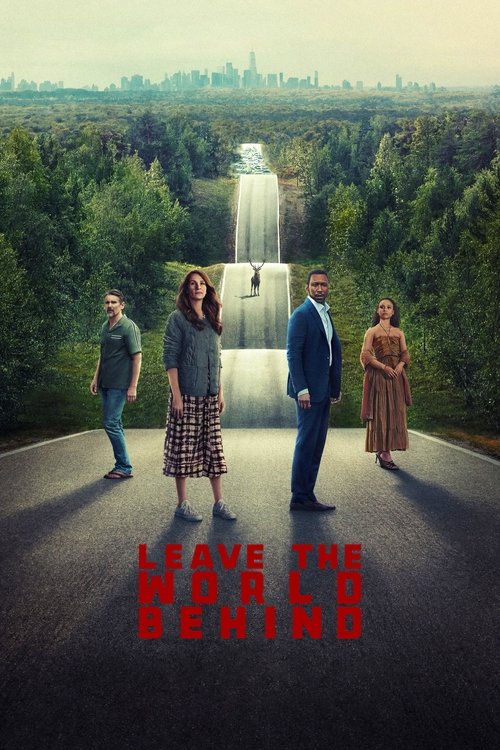
The most terrifying sound in the 21st century isn't a blood-curdling scream or a chainsaw revving in the woods; it’s the hollow, digital thud of a "No Internet Connection" notification popping up on a smartphone. Sam Esmail understands that our modern souls are tethered to the cloud by a very frayed thread, and in Leave the World Behind, he spends two hours gleefully snipping at it with a pair of rusty scissors.
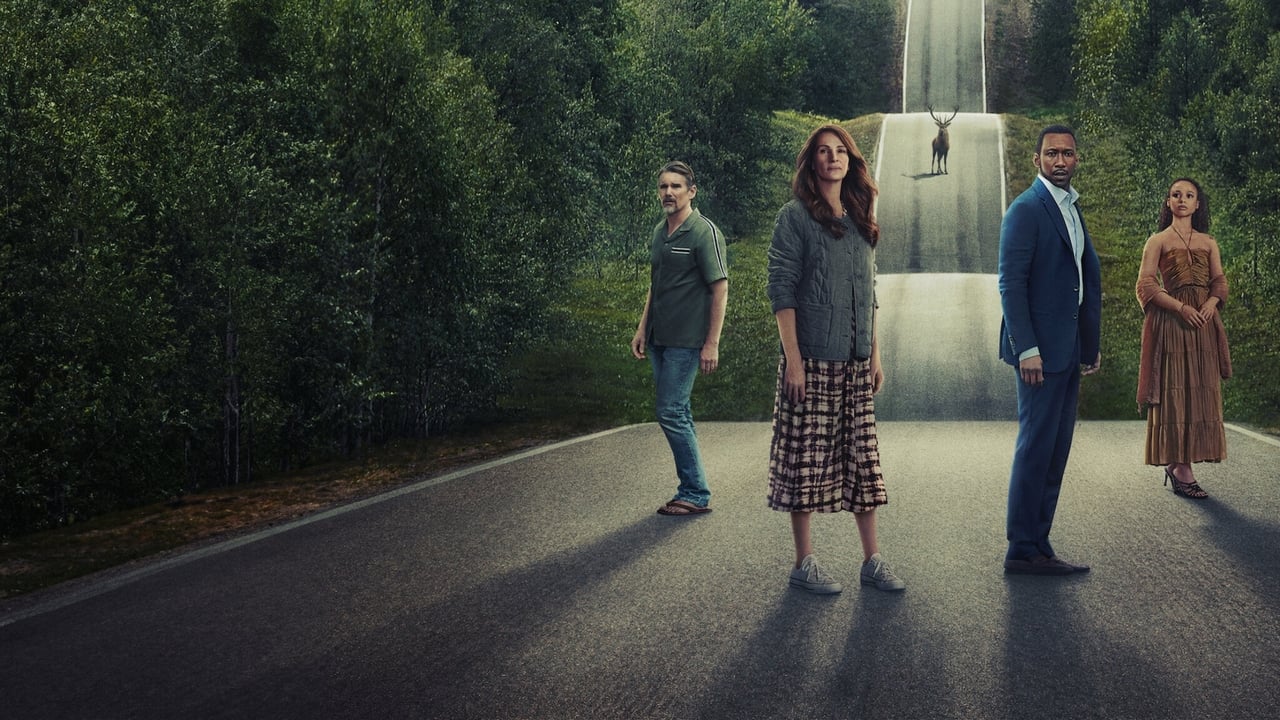
I watched this film on a Tuesday evening while my cat spent forty-five minutes staring intensely at a completely blank corner of the ceiling, and honestly, that localized paranormal glitch probably put me in the exact right headspace for Esmail’s brand of domestic discomfort.
Middle-Class Doom and the A-List Apocalypse
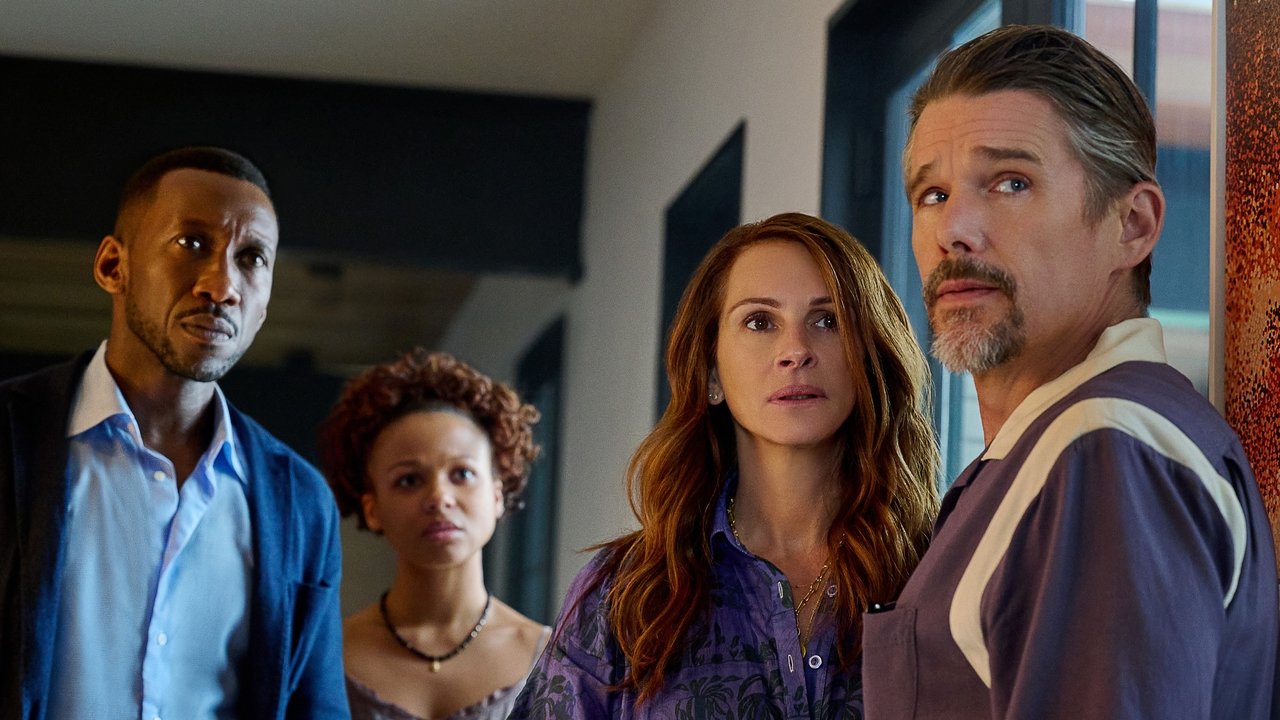
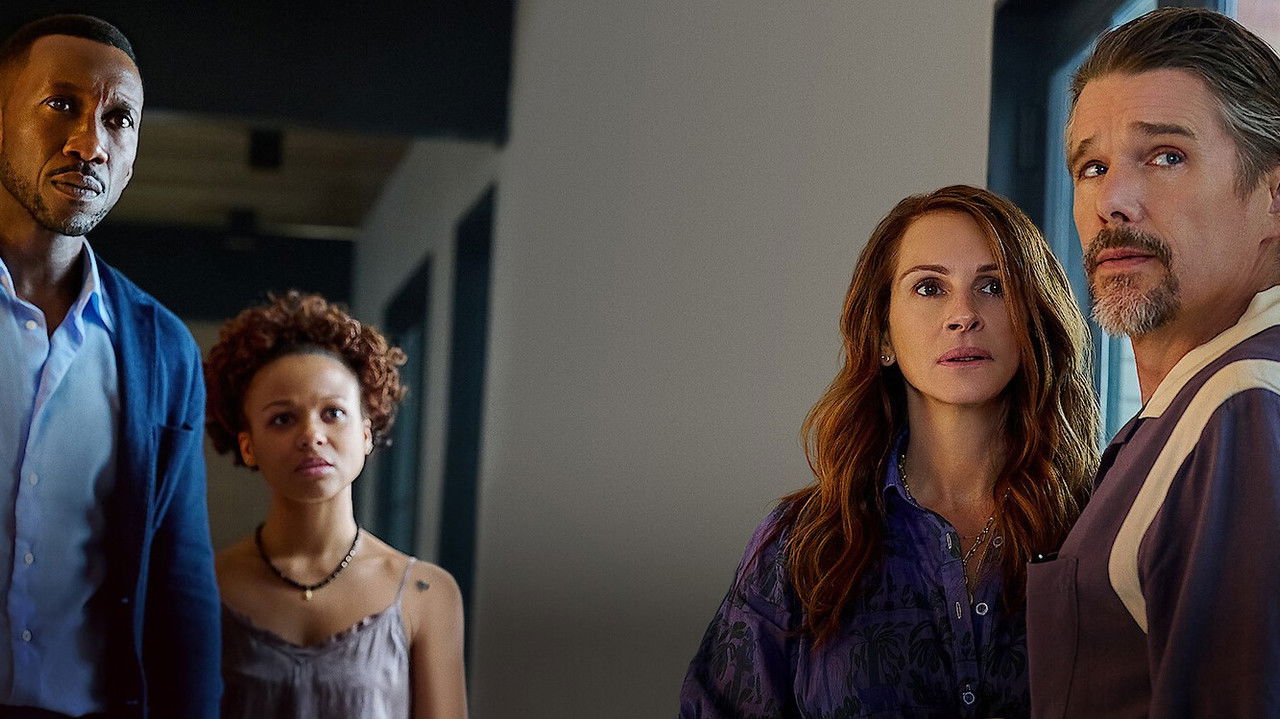
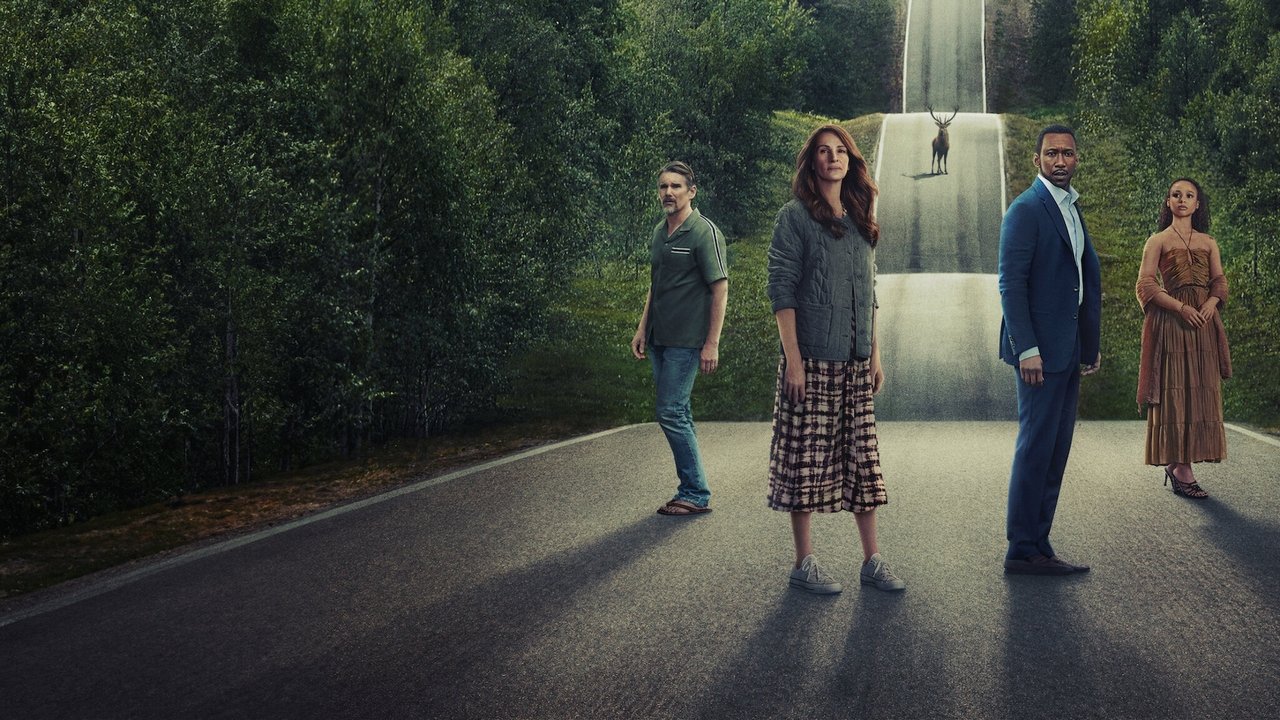
The setup is classic Hitchcock-meets-modern-anxiety. Amanda Sandford (Julia Roberts), a misanthropic advertising executive who "hates people," decides to whisk her husband Clay (Ethan Hawke) and their two kids away to a glass-and-wood fortress of a rental home in Long Island. Their peace is shattered when G.H. Scott (Mahershala Ali) and his daughter Ruth (Myha’la) show up at the door in the dead of night, claiming to be the homeowners and seeking refuge from a massive blackout in the city.
The "Contemporary Cinema" of the 2020s has become obsessed with the "how" of our downfall, but Esmail is much more interested in the "who." He’s working with a powerhouse quartet here. Julia Roberts is fascinatingly prickly; she leans into a character who is essentially a high-end Karen who happens to be right about the world ending. She doesn’t want to be "all in this together." Meanwhile, Ethan Hawke plays the quintessential "useful-only-in-suburbia" dad—the kind of guy who can cite a Philip Roth passage but doesn't know how to navigate without Google Maps.
The chemistry—or rather, the lack thereof—between the two families is the engine. As the world outside begins to dissolve into a soup of plane crashes, sonic booms, and migrating flamingos, the real tension remains in the living room. It’s a drama about the fragility of the social contracts we sign when we rent an Airbnb or trust a stranger.
A Nauseatingly Stylish Breakdown
If you’ve seen Esmail’s Mr. Robot, you know his camera doesn't just sit there; it prowls. In Leave the World Behind, the cinematography by Tod Campbell is deliberately sea-sickening. The camera flips, zooms, and glides through walls like a ghost that's had too much espresso. It’s essentially a $100 million version of your dad trying to fix the Wi-Fi during a hurricane, captured with the visual language of a high-octane thriller.
This film dropped directly onto Netflix, bypassing the theatrical experience for most, which is a bit of a meta-joke. We are watching a movie about the collapse of digital infrastructure on the very platform that helped kill physical media. The irony wasn't lost on the internet, which spent weeks dissecting the "Obama connection" (Barack and Michelle Obama’s production company, Higher Ground, was involved). People went down rabbit holes of conspiracy theories, suggesting the former President was "sending us a warning," which is exactly the kind of social media discourse that defines contemporary film reception.
The Making of a Divisive Cult Artifact
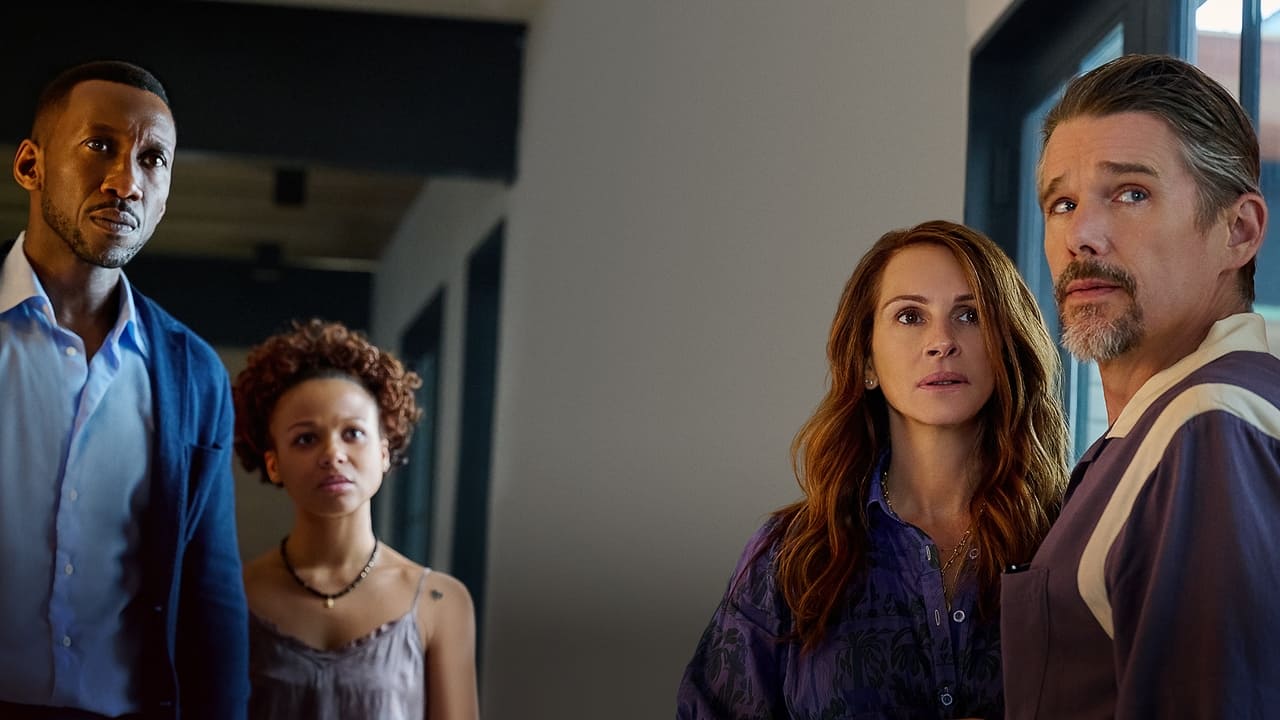
I suspect Leave the World Behind will age into a genuine cult classic, specifically for the camp of viewers who love movies that refuse to explain themselves. It’s already earned a "love it or hate it" reputation, mostly due to the ending and the persistent, bizarre presence of computer-generated deer.
Speaking of the weirdness, there are a few things that truly cemented this film’s "cult" potential during production:
The herd of deer that stares down the family was entirely digital; over 100 CGI deer were used to create that sense of "nature is reclaiming the land" uncanny valley. The "Self-Driving Tesla" pile-up was a practical nightmare to film, using real cars to lean into the very real-world fear of AI-controlled technology turning against us. The painting in the living room actually changes throughout the movie—getting more chaotic as the world outside does—a detail only the "obsessive re-watchers" noticed. The Friends sub-plot, involving the daughter Rose (Farrah Mackenzie), was a stroke of genius. Esmail had to get special permission from the Friends creators to use the footage, and it serves as a biting commentary on our reliance on "comfort media" as the ship goes down. * The "emergency" QR code that appears on a map in the film actually leads to a real website for a derelict hospital in Kentucky, a classic "Alternate Reality Game" (ARG) move that Esmail loves.
The film is a bit long at 140 minutes, and it occasionally trips over its own metaphors, but it captures the specific, itchy dread of our current decade perfectly. It doesn't give you the satisfaction of a "hero" saving the day. Instead, it leaves you sitting in the dark, wondering if you’d be any more useful than Ethan Hawke if the GPS went dark tomorrow. It’s a cynical, beautiful, and deeply weird ride that confirms one thing: the world might end, but we’ll probably still be arguing about our Netflix password while it happens.
Keep Exploring...
-
Bad Times at the El Royale
2018
-
The Gift
2015
-
Greta
2019
-
The Vast of Night
2019
-

The Lodge
2020
-
The Guilty
2021
-
Deep Water
2022
-

Luckiest Girl Alive
2022
-

No Exit
2022
-

The Outfit
2022
-

Reptile
2023
-

Black Bag
2025
-

Burning
2018
-

Terminal
2018
-

The Professor and the Madman
2019
-
Rebecca
2020
-

Black Box
2021
-
Bird Box
2018
-

Death Wish
2018
-
Hereditary
2018