Luther: The Fallen Sun
"The coat is back. The rules are gone."

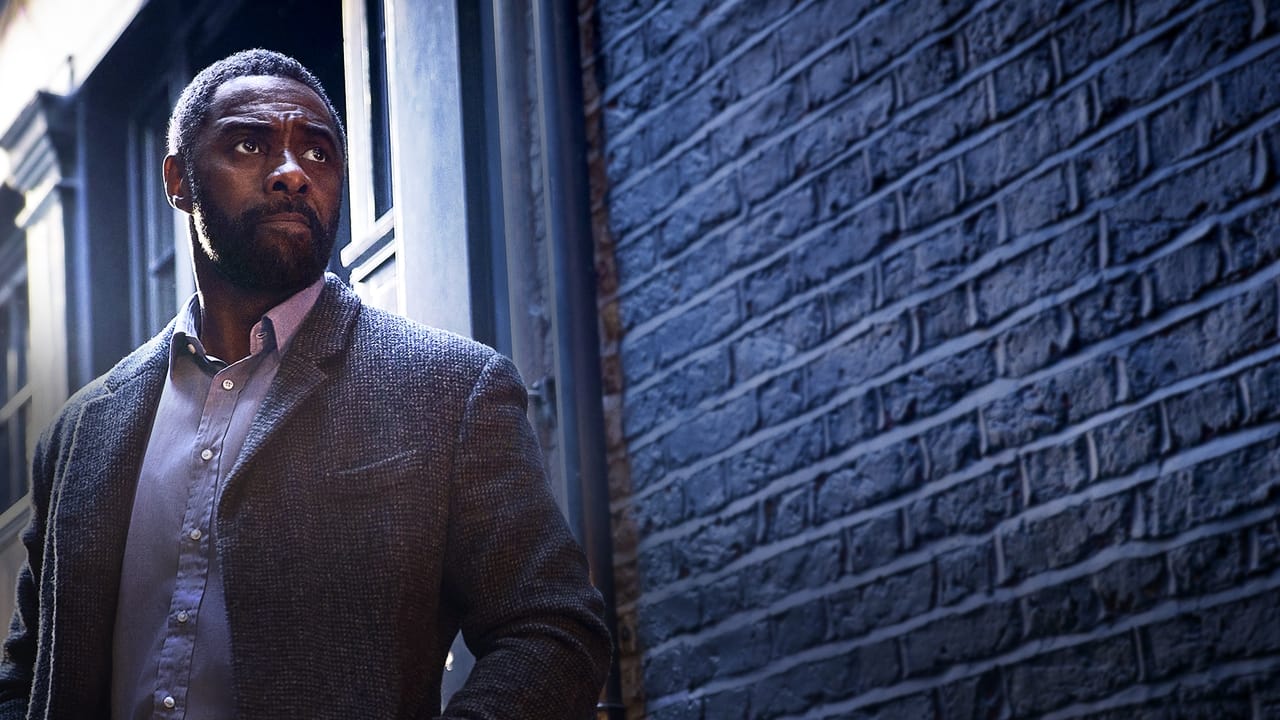
I remember the first time I saw Idris Elba lurch into frame as John Luther back in 2010. He didn’t just walk; he carried the weight of London’s collective trauma on those broad, wool-clad shoulders. For years, Luther was the crown jewel of BBC’s "grit-core" programming—a show that made you double-check the locks on your windows before bed. When I heard Netflix was giving him the feature-film treatment with Luther: The Fallen Sun, I was half-elated and half-terrified. Would the transition to a "Streaming Event" polish away the grime that made the show so deliciously uncomfortable?
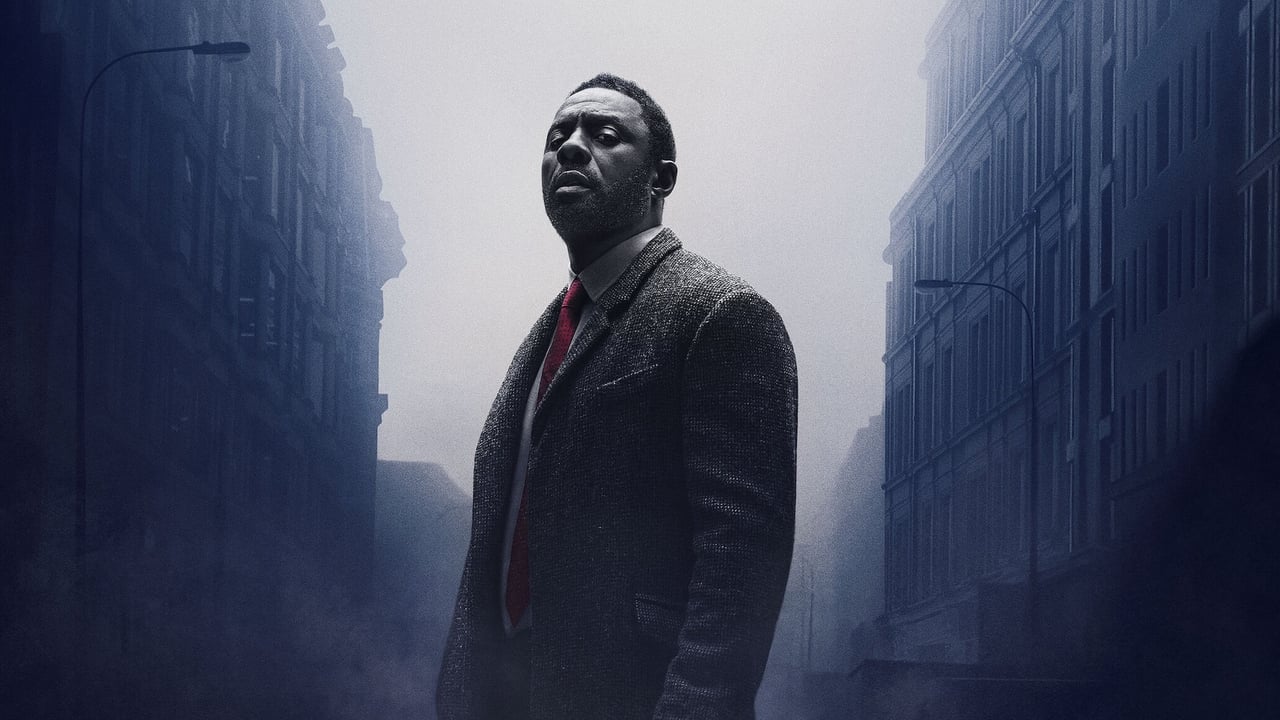
I watched this on my laptop while my neighbor was loudly practicing the scales on a mediocre trumpet in the apartment next door, and strangely, that dissonant, mournful brass background perfectly suited the vibe of a disgraced detective wandering through a snowy purgatory.
A Larger Canvas for a Smaller Tie
The jump from the small screen to a 129-minute runtime is a tricky bit of alchemy. In the contemporary streaming era, there’s this undeniable pressure to "embiggen" everything. We see it with the Knives Out sequels or even the recent Peaky Blinders movie rumors—studios want the IP to feel "cinematic," which often means more explosions and higher stakes. The Fallen Sun leans hard into this. The film kicks off with Luther in prison (a hangover from the series finale), but he doesn’t stay there long.
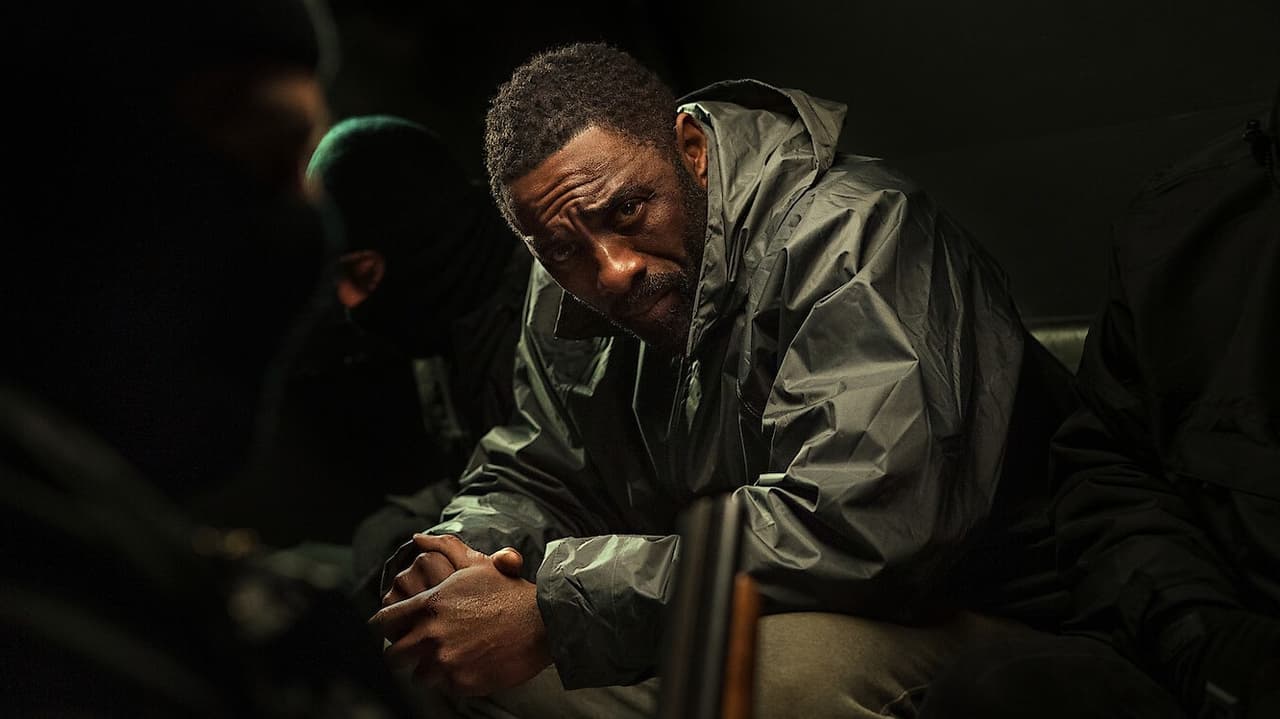
The prison break sequence is where you first notice the shift. It’s choreographed with a scale that the original TV budget could never have dreamed of, but it also marks the moment the movie stops being a police procedural and starts being an action-thriller. Idris Elba—who also serves as a producer here—remains a magnetic force of nature. He plays Luther with a weary, soulful intensity that suggests he’s been holding his breath for a decade. Even when the script by Neil Cross starts to fray at the edges, Elba’s presence keeps the whole thing grounded in a recognizable human sorrow.
The Horror of the Digital Peep-Hole
Then we have the villain. Andy Serkis plays David Robey, a tech-billionaire-turned-cyber-psychopath who uses surveillance and "digital shame" to manipulate his victims into horrific acts. It’s a very 2023 concept—tapping into our collective anxiety about Alexa listening in and our browser histories being weaponized against us. Serkis is clearly having the time of his life, sporting a hairpiece that can only be described as a structural hazard and a wardrobe that screams "Bond villain at a weekend retreat."
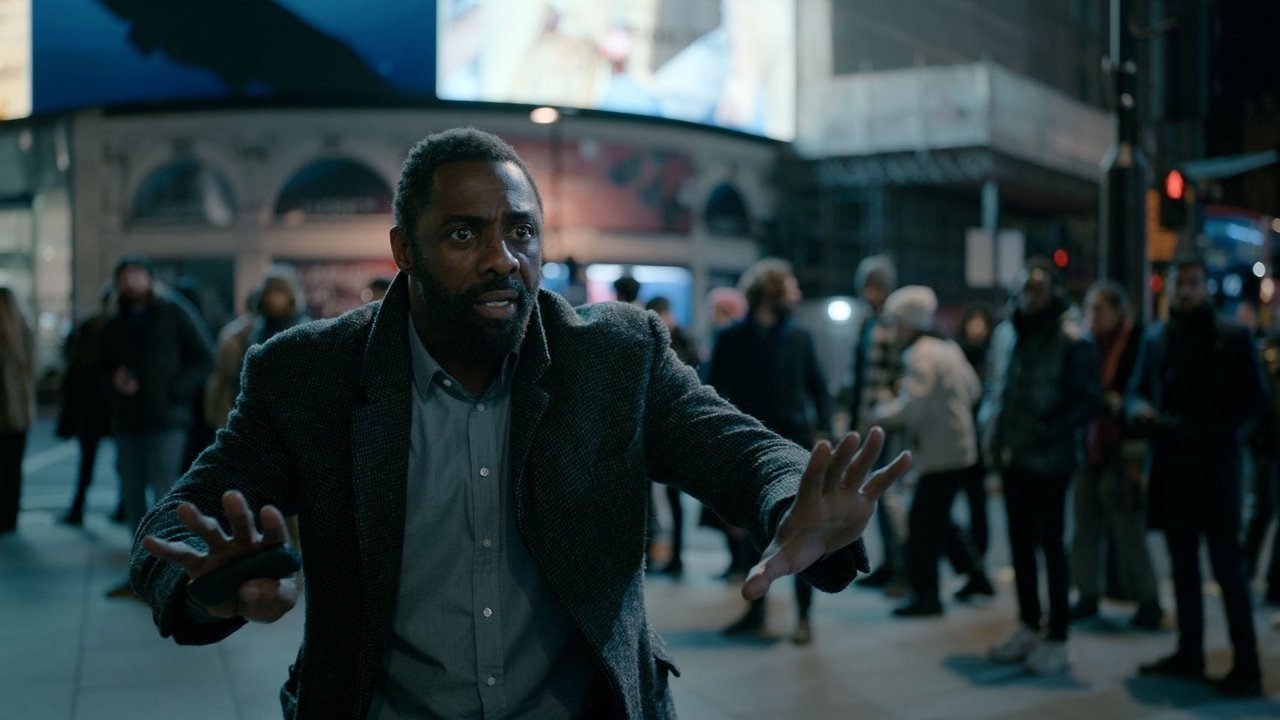
While Andy Serkis is a master of physical performance (think Lord of the Rings or Planet of the Apes), here he’s playing a different kind of monster. He’s the personification of the dark web. There’s a sequence in Piccadilly Circus that is genuinely unsettling—a reminder of how the show used to turn public spaces into arenas of synchronized terror. However, the film occasionally trips over its own ambition. By making Robey a world-threatening mastermind with an army of hackers and a literal "Red Room" in the Arctic, the story loses that claustrophobic, intimate nastiness that made the early seasons of the show feel so personal. The climax feels less like a gritty detective story and more like a Bond villain’s lair walkthrough.
The Weight of the Wool Coat
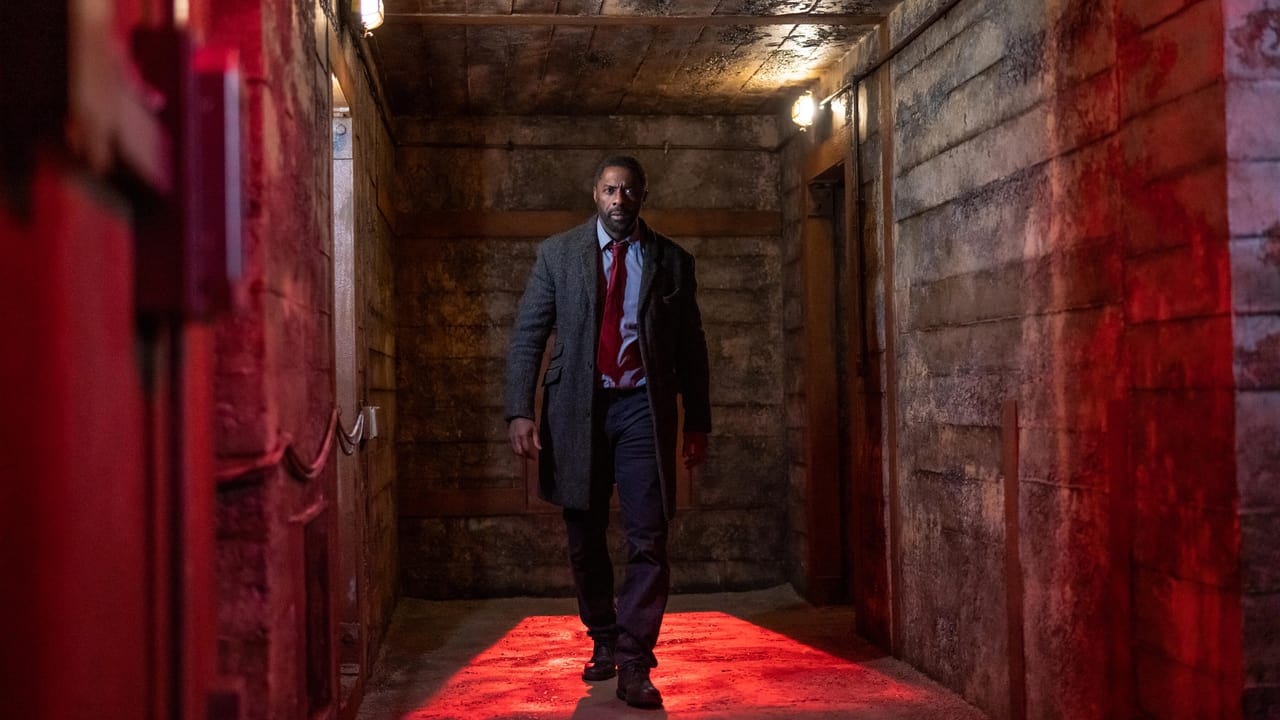
Director Jamie Payne, who handled several episodes of the series, knows how to light Idris Elba’s face to maximize the drama, but the cinematography by Tom Stern (a frequent Clint Eastwood collaborator) pushes the film into a colder, more clinical palette. It’s beautiful, especially when the action moves to the snow-swept landscapes of Iceland (doubling for Norway), but I found myself missing the yellowish, sickly streetlights of London’s back alleys.
One of the highlights for me was seeing Dermot Crowley return as Martin Schenk. His chemistry with Elba is the emotional spine of the franchise, providing a much-needed link to the show's roots. Meanwhile, Cynthia Erivo puts in a solid, albeit somewhat thankless, performance as Odette Raine, the detective tasked with hunting Luther down. She’s a great foil, representing the "proper" way of doing things, even if the script doesn't give her quite enough room to breathe between the high-octane set pieces.
Interestingly, the production faced the typical challenges of the post-pandemic era, including navigating shifting release windows. Originally intended as a theatrical-first experience, its move to a hybrid Netflix release says a lot about where mid-budget adult thrillers live now. They’ve become "content" to be consumed on a Friday night, which is a bit of a shame for a film with such grand visual aspirations.
Ultimately, Luther: The Fallen Sun is a fascinating, if slightly bloated, evolution of a character we’ve grown to love. It trades the show’s psychological depth for sheer spectacle, resulting in a film that is immensely watchable but lacks the "lingering-in-your-brain" dread of the original series. It’s a transition piece—a bridge between the gritty TV past and a potential franchise future. If you’re a fan of the big man in the gray coat, it’s a reunion you won't want to miss, even if the party is a bit louder and more chaotic than you remembered. It’s a solid thriller for the streaming age, perfect for a night when you want a little bit of darkness with your popcorn.
Keep Exploring...
-
Anon
2018
-
The Outfit
2022
-

Reptile
2023
-
Now You See Me: Now You Don't
2025
-

The Accountant²
2025
-

Everybody Knows
2018
-
Bad Times at the El Royale
2018
-
Secret in Their Eyes
2015
-
Survivor
2015
-

Crooked House
2017
-
Suburbicon
2017
-

Dark Places
2015
-
The Girl in the Fog
2017
-

The Woman in the Window
2021
-
Death on the Nile
2022
-

Kimi
2022
-
The Pale Blue Eye
2022
-
Longlegs
2024
-
A Haunting in Venice
2023
-
The Girl in the Spider's Web
2018