May December
"Observation is its own kind of betrayal."
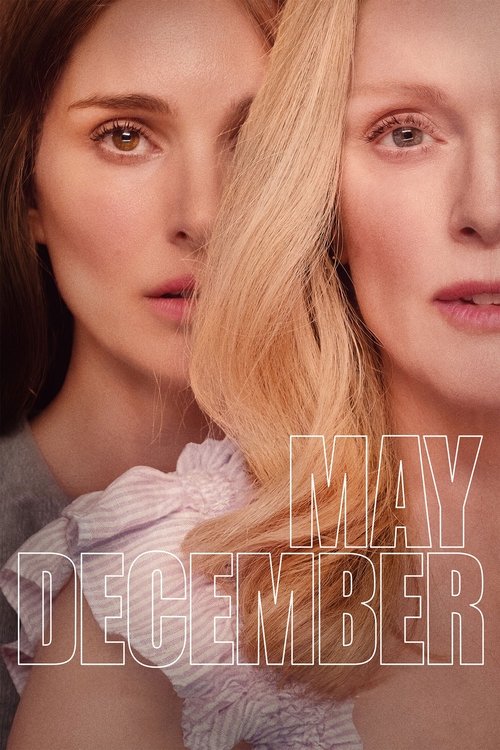
The first time that aggressive, staccato piano score from Marcelo Zarvos kicked in—lifting a theme from 1971’s The Go-Between—I actually laughed out loud. It’s so incredibly extra. It’s the kind of musical cue that belongs in a 1950s Douglas Sirk melodrama or a Lifetime movie about a murderous nanny. But in the hands of director Todd Haynes, it’s a warning shot. He’s telling you right away that while May December looks like a prestige drama, it’s actually a wicked, uncomfortable, and deeply funny dissection of how we turn human wreckage into "content."
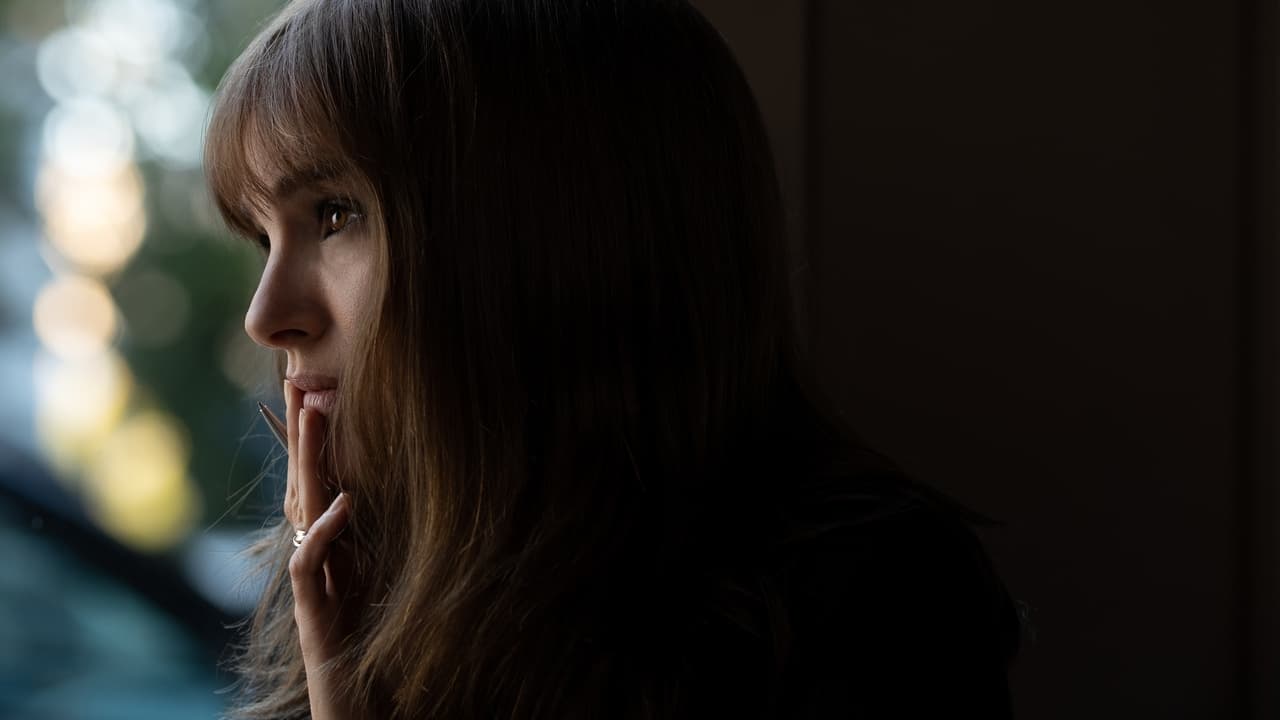
I watched this on a rainy Tuesday afternoon while mindlessly snacking on a bag of slightly stale pretzel sticks. There was something fitting about the crunch; the whole movie feels like someone is stepping on dry leaves in a quiet room. It’s an exercise in high-wire tension that never quite snaps, opting instead to let the awkwardness vibrate until you’re practically itching your own skin.
The Mirror and the Mask
The setup is pure tabloid catnip. Twenty years ago, Gracie (Julianne Moore) was caught in a sexual relationship with 13-year-old Joe (Charles Melton). She went to prison, gave birth behind bars, and upon her release, they actually got married and raised a family. Enter Elizabeth (Natalie Portman), a semi-famous television actress who has traveled to their suburban Savannah home to "research" Gracie for an upcoming indie film.
What follows isn’t a courtroom drama or a simple "whodunit" of the soul. It’s a psychological vampire movie. Natalie Portman is chilling as Elizabeth, a woman who hides her total lack of empathy behind the mask of "artistic process." She isn't there to understand Gracie; she’s there to colonize her. Watching Portman mimic Moore’s subtle lisp or replicate her makeup routine in the mirror is a trip. It’s basically Single White Female for the A24 crowd.
Julianne Moore, meanwhile, gives one of those performances that feels like a masterclass in weaponized fragility. Gracie has spent two decades convincing herself that her relationship with a child was a "great romance" rather than a crime. She operates with a suburban steeliness, obsessing over flower arrangements and baking scales to keep the truth at bay. When she looks at Elizabeth, she doesn't see a threat—she sees a mirror she can finally control.
The Heartbreak of the Butterfly House
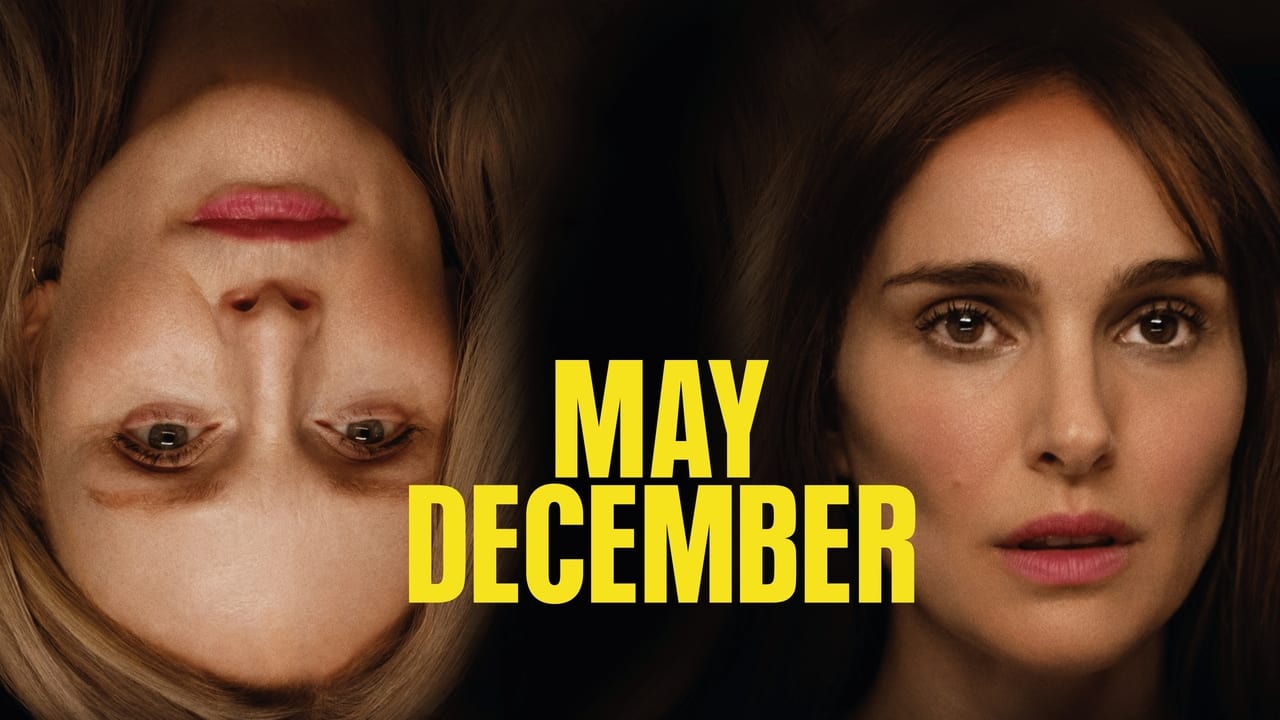
If the two women are the flashy, operatic leads, Charles Melton is the film’s quiet, devastating soul. This is the "Riverdale" actor’s breakout moment, and he earns every bit of the buzz he received. As Joe, he is a man who transitioned from childhood to fatherhood without ever getting to be an adult. He spends his time tending to monarch butterflies, a metaphor that could have been cloying if Melton didn't play it with such heartbreaking stillness.
There is a scene where Joe smokes a joint on the roof with his son, and the realization of his own stolen youth slowly washes over his face. It’s the only truly "real" moment in a film filled with people performing for one another. While the women are busy playing at "truth," Joe is the only one actually living with the consequences. His performance is the only thing stopping the movie from drifting into total camp territory.
A Suture for the Streaming Era
Released as a Netflix original after a splashy debut at Cannes, May December feels perfectly calibrated for our current cultural moment. We are living in the age of the "prestige" true crime pivot, where every tragedy is immediately optioned for a limited series starring an Oscar winner. Samy Burch’s screenplay (which spent time on the famous "Black List" of best unproduced scripts) captures that icky intersection of exploitation and entertainment perfectly.
Todd Haynes, who previously gave us the lush, repressed longing of Carol and the retro-stylings of Far From Heaven, uses a very specific visual language here. He uses a lot of zooms—the kind that feel like a camera lens is literally intruding on someone's personal space. It reminds me of 1970s European cinema, where the camera is a voyeur rather than a storyteller.
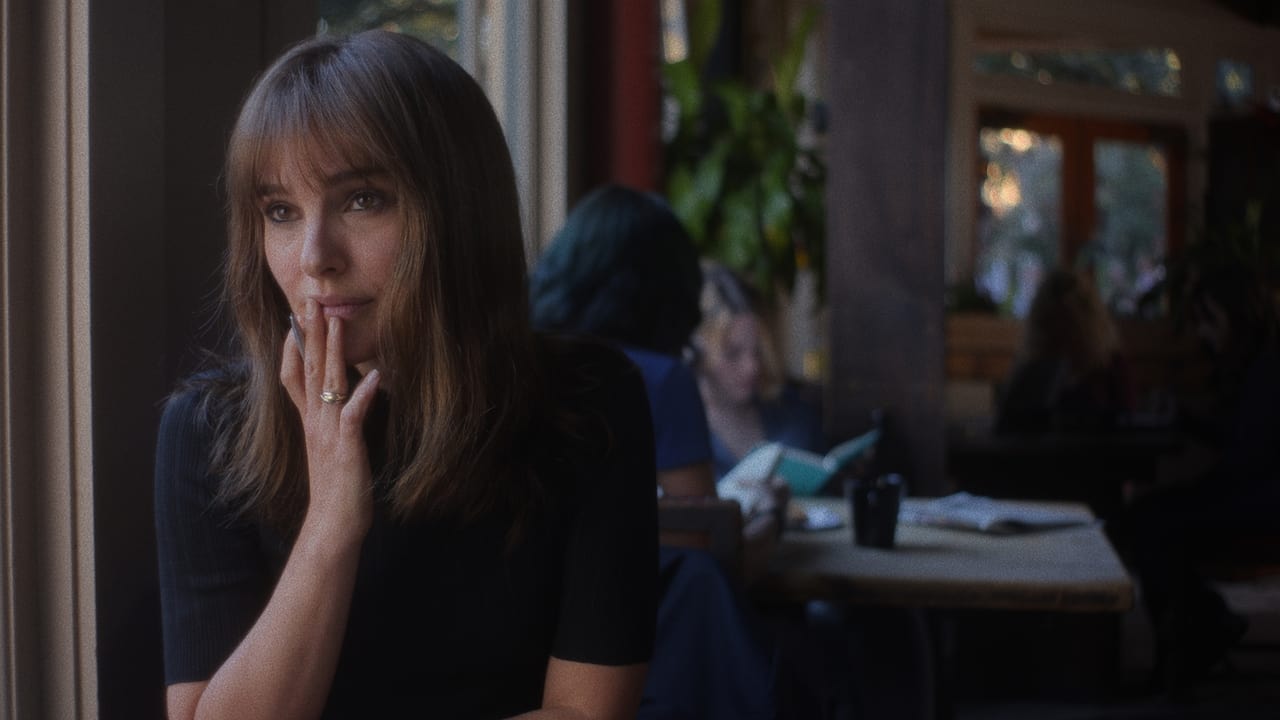
The film also digs into the "grooming" discourse that dominates social media today, but it refuses to give the audience an easy out. It doesn't tell you how to feel about Gracie; it just shows you the rot underneath the pristine white kitchen counters. It’s a movie that trusts its audience to handle the gray areas, which feels like a radical act in an era of "explain-y" cinema.
The Last Take
The ending is a knockout, featuring a sequence of Elizabeth on a film set that recontextualizes everything you’ve just seen. It’s a reminder that for people like her, other people’s trauma is just "good material." It left me feeling oily, like I needed a shower and a long walk, which is exactly what a great drama should do.
The budget was a modest $20 million, and while it didn't set the box office on fire (a common fate for adult dramas in the franchise era), its life on streaming has ensured it stayed in the conversation. It’s a film that demands to be talked about, argued over, and probably watched a second time just to see the moment the mask first slips.
May December is a deliciously uncomfortable watch that manages to be both a scathing satire of the acting profession and a tragic portrait of arrested development. It’s the kind of movie that makes you realize that the most dangerous person in the room isn't the one with the secret—it’s the one holding the notebook. Don’t expect a tidy resolution; expect a lingering sense of unease that stays with you long after the dramatic piano finally stops.

Keep Exploring...
-

Dark Waters
2019
-
Carol
2015
-
Ben Is Back
2018
-
Boy Erased
2018
-
Disobedience
2018
-
If Beale Street Could Talk
2018
-

Mary Queen of Scots
2018
-
On the Basis of Sex
2018
-
Operation Finale
2018
-
The Current War
2018
-

The Old Man & the Gun
2018
-
Thoroughbreds
2018
-

Under the Silver Lake
2018
-
White Boy Rick
2018
-
A Beautiful Day in the Neighborhood
2019
-

Black and Blue
2019
-

Harriet
2019
-

Hotel Mumbai
2019
-
Motherless Brooklyn
2019
-

The Aeronauts
2019