Missing
"Your digital footprint is a roadmap to your secrets."
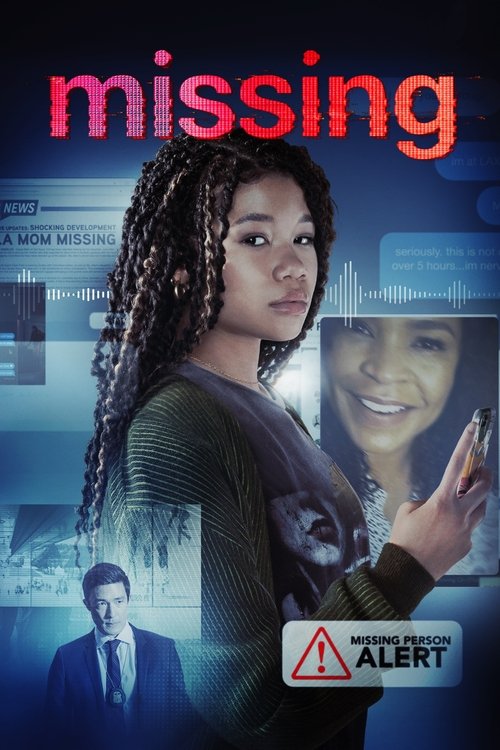
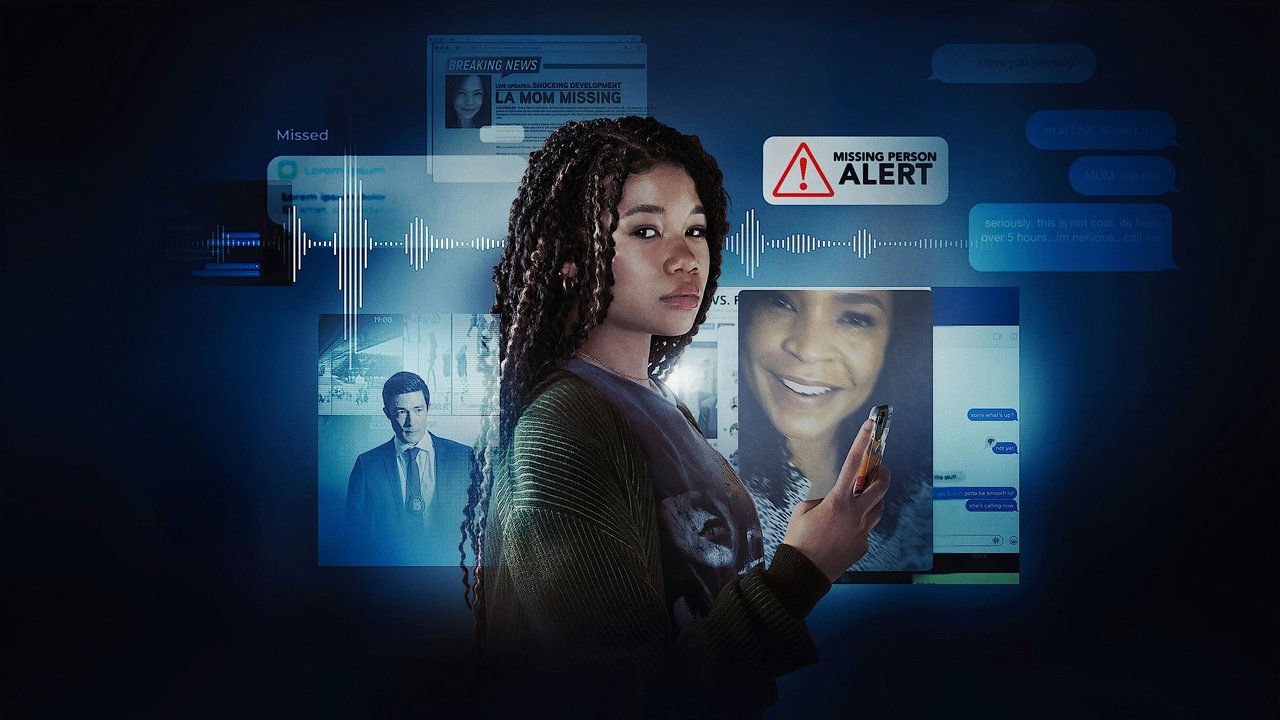
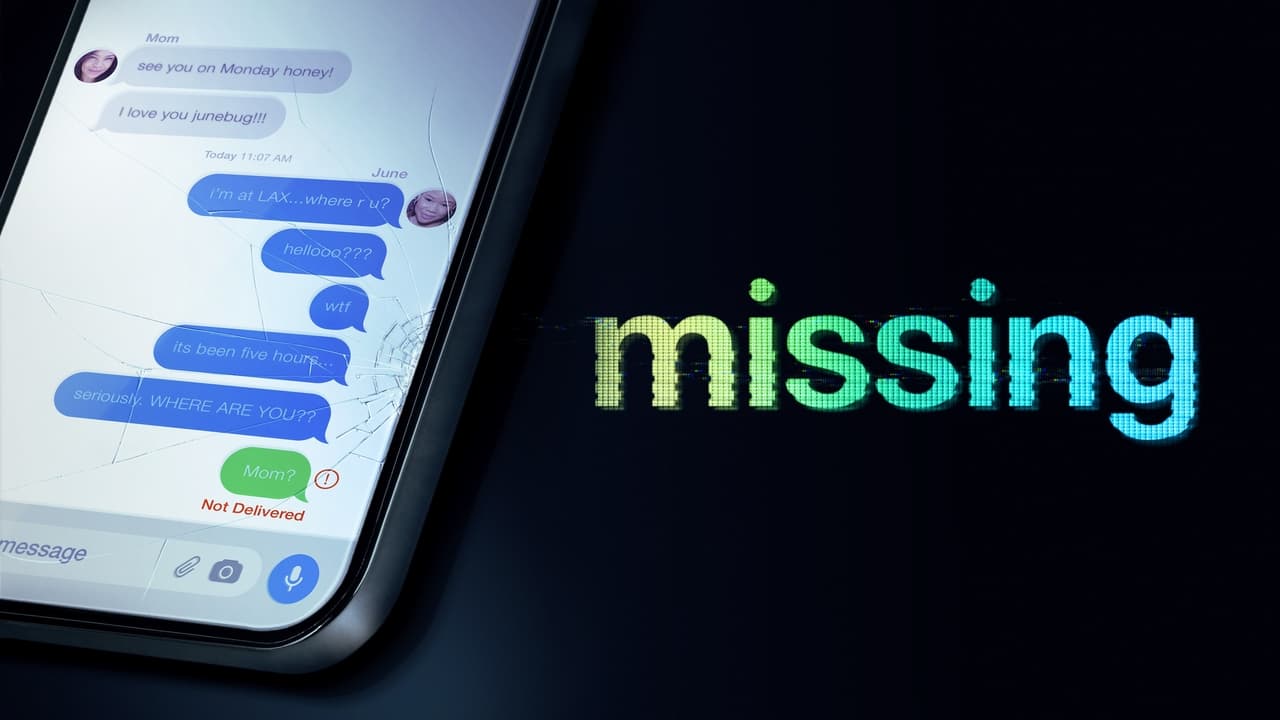
If you’ve ever felt that cold, prickly spike of adrenaline when a parent doesn’t answer a "U still alive?" text for three hours, Missing is essentially that sensation stretched into a feature-length panic attack. I watched this on my laptop with about fourteen open tabs and three unread Slack notifications, and the boundary between my actual desktop and the film's "Screenlife" interface became so blurry I tried to click a notification on the screen that actually belonged to Storm Reid. It’s an immersive, twitchy experience that feels less like watching a movie and more like looking over the shoulder of the world’s most stressed-out teenager.
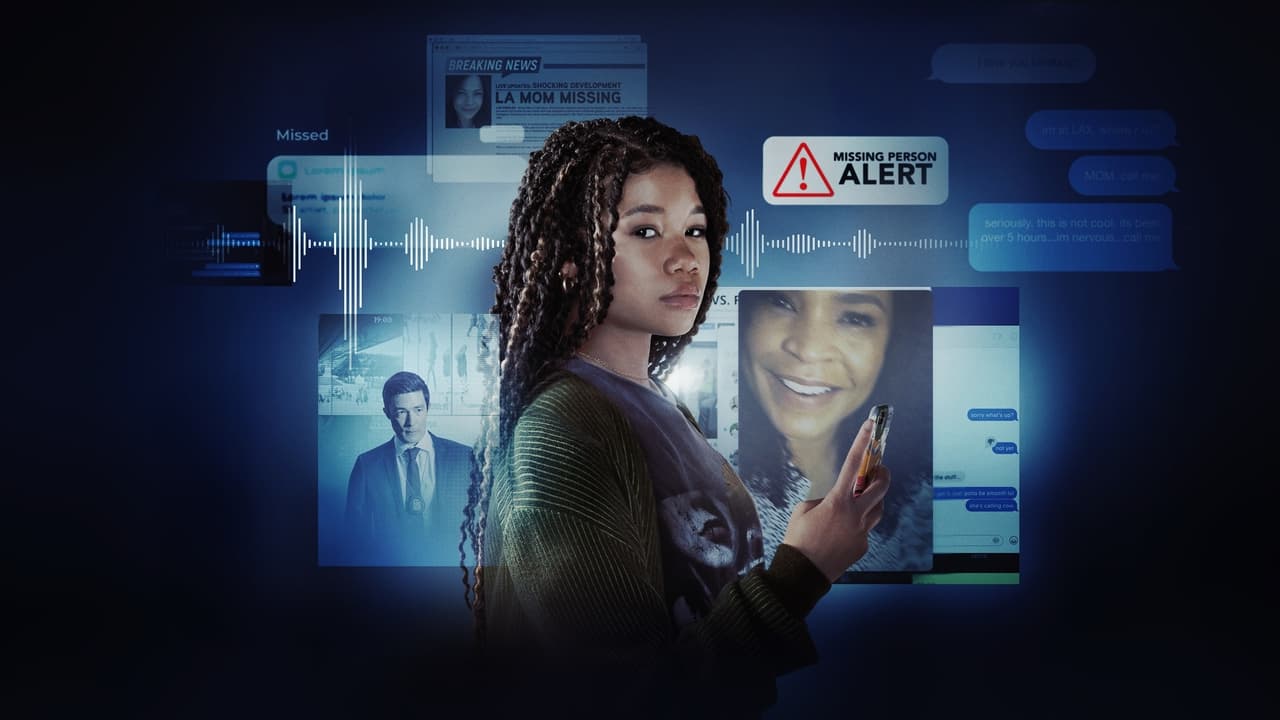
The Evolution of the Digital Detective
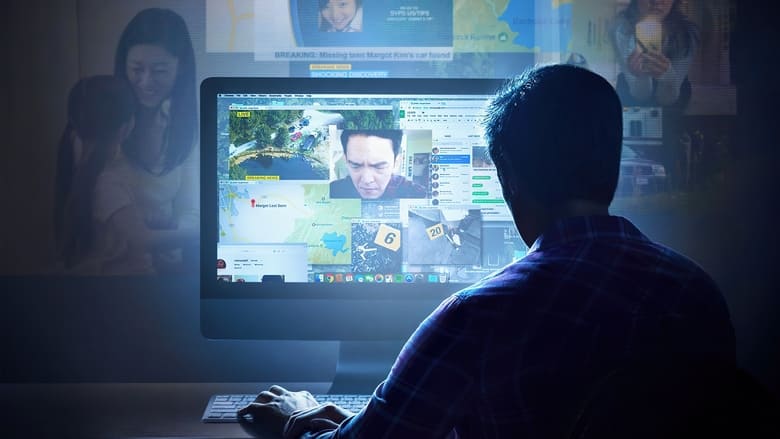
We are living in an era where "detective work" has moved from rain-slicked alleys to the glow of a MacBook Pro. Missing serves as a standalone sequel to 2018’s Searching, and while that film felt like a novel experiment, this one feels like a native language. It captures the hyper-literacy of Gen Z—how a girl like June (Storm Reid) can navigate a password recovery flow or a Google Maps timeline with the speed of a concert pianist.
The premise is deceptively simple: June’s mom, Grace (Nia Long), goes on vacation to Colombia with her new boyfriend, Kevin (Ken Leung). When they don't show up for their return flight, June is stuck in Los Angeles, hamstrung by international bureaucracy and her own lack of "real-world" power. What follows is a frantic deep-dive into the digital remnants of her mother’s life. It’s a contemporary nightmare: the realization that the people we love have entire secondary existences stored in encrypted folders and "hidden" photo albums.
Performance in a 16:9 Box
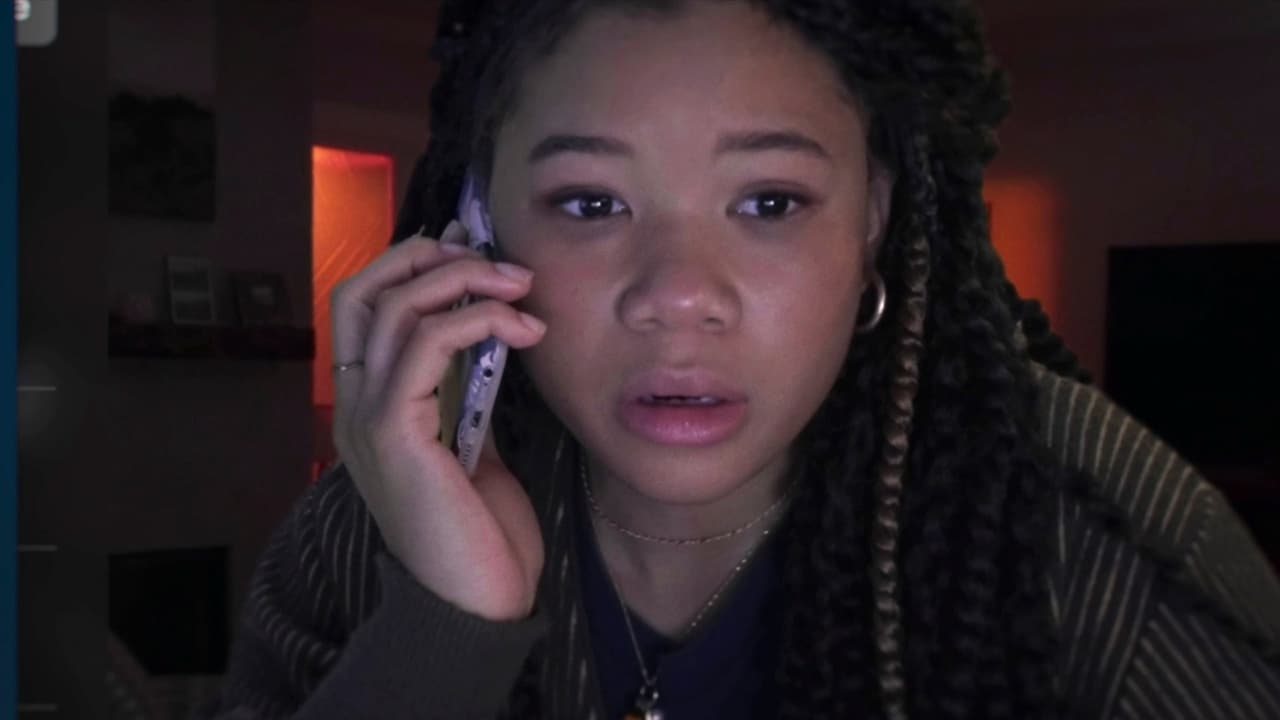
It’s genuinely difficult to anchor a movie when your face is often just a window in the corner of a screen, but Storm Reid is a revelation here. She has to convey grief, terror, and frantic calculation while staring at a webcam, and she never misses a beat. In a standard drama, a director might use a wide shot to show isolation; here, directors Will Merrick and Nicholas D. Johnson use a buffering icon or a "User Not Found" message to achieve the same emotional devastation.
Nia Long and Ken Leung do a lot with very little "traditional" screen time, appearing mostly in grainy vacation videos or FaceTime calls. However, the secret weapon of the film is Joaquim de Almeida (who I’ll always remember as the terrifying Bucho from Desperado) as Javi. He plays a gig-economy worker June hires in Colombia to do some boots-on-the-ground snooping. Their relationship, conducted entirely through WhatsApp and grainy phone cameras, provides the film’s only warmth. He is the most wholesome TaskRabbit employee in cinematic history, and his presence prevents the film from descending into a purely cold, technological exercise.
The Dark Side of the "Always On" Culture
The film earns its "Dark" modifier not through gore, but through the psychological weight of digital vulnerability. It taps into the very real fear of the "true crime" industrial complex—how a person’s disappearance becomes fodder for TikTok sleuths and "Unsolved" YouTube channels within hours. There’s a biting scene where June watches a dramatized version of the Searching events on a Netflix-style platform called Unfiction, a meta-commentary on how we consume tragedy as entertainment.
Technically, the film is a marvel of editing. While it looks like a screen recording, every cursor movement and window resize was meticulously choreographed. It’s actually a "forgotten" bit of trivia that these films take longer to edit than most Marvel blockbusters because every single pixel on the screen has to be designed, animated, and timed to the performances. It’s a claustrophobic style, but it works because it reflects the reality of 2023—we live our lives in windows and tabs, and seeing that reflected back at us is inherently unsettling.
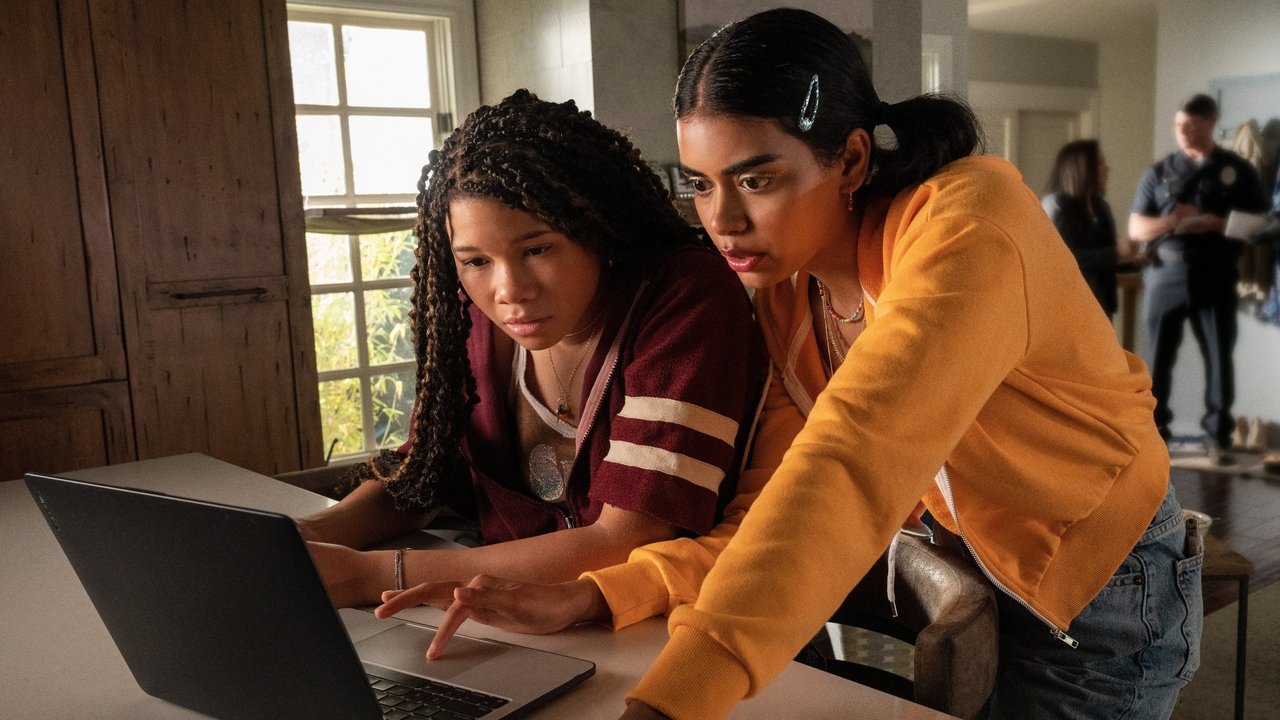
My only real gripe is that the third act takes a sharp turn into "traditional" thriller territory that feels a bit more far-fetched than the grounded digital sleuthing of the first hour. It trades some of its eerie realism for a few "Wait, would that actually happen?" plot twists. Still, the tension is so high that you’re likely to forgive the occasional leap in logic.
Missing is a rare sequel that understands exactly why its predecessor worked while upgrading the stakes for a more tech-saturated world. It manages to make a spinning loading wheel feel like a ticking time bomb and a forgotten password feel like a death sentence. It’s an intense, clever, and surprisingly emotional ride that will make you want to go home and immediately enable two-factor authentication on everything you own. Just don't blame me if you start side-eyeing your Ring camera for a week after the credits roll.
Keep Exploring...
-

The Outfit
2022
-

Burning
2018
-

The Professor and the Madman
2019
-

Black Box
2021
-

Mirage
2018
-
Searching
2018
-

Hotel Mumbai
2019
-

Greta
2019
-
The Vast of Night
2019
-

Luckiest Girl Alive
2022
-

No Exit
2022
-

Reptile
2023
-

22 July
2018
-

An Officer and a Spy
2019
-

The Courier
2020
-
The Mauritanian
2021
-

November
2022
-
Thirteen Lives
2022
-

STRAW
2025
-

The Accountant²
2025