One Life
"Ordinary courage in an extraordinary race against time."
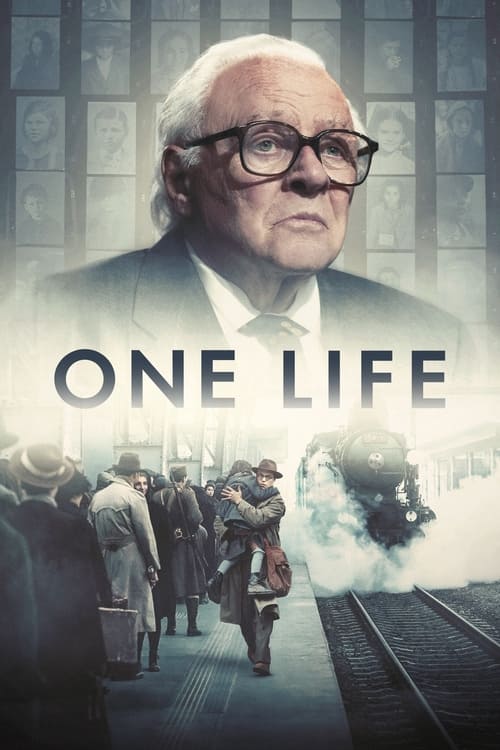
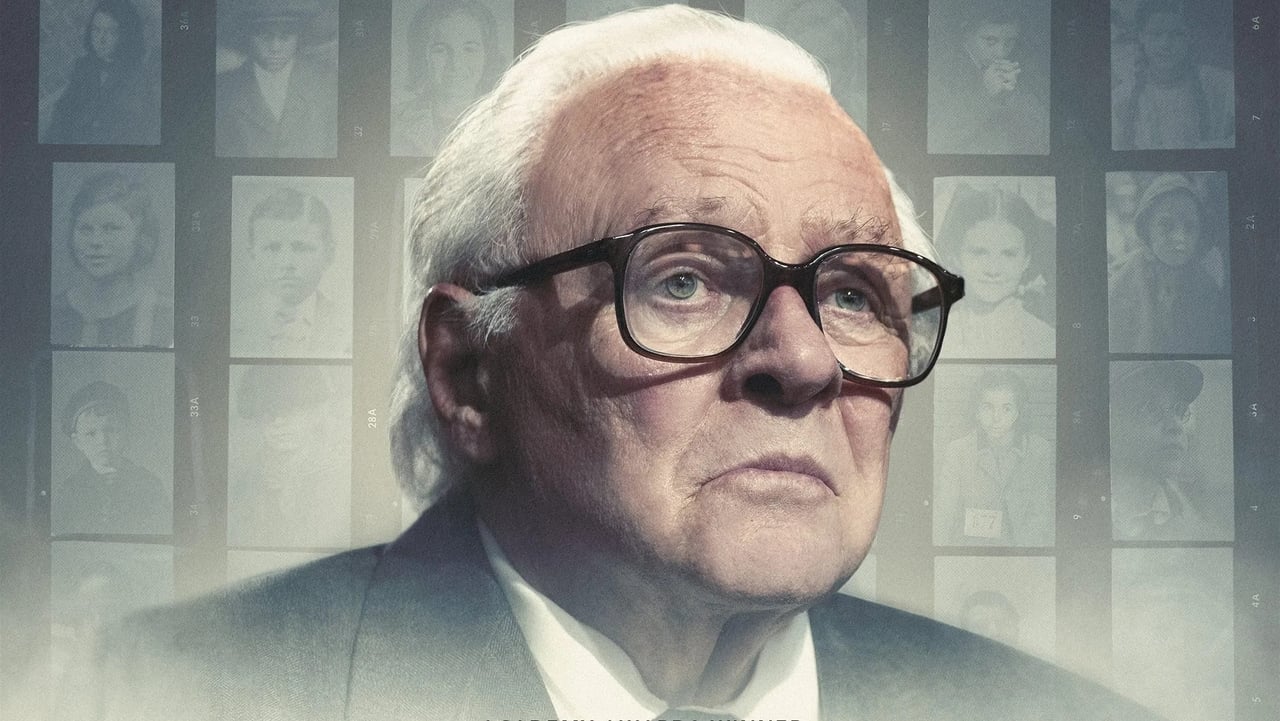
The sight of an elderly man meticulously filing papers shouldn’t be heart-wrenching, yet watching Anthony Hopkins gingerly organize a dusty scrapbook in his 1980s garage feels like witnessing a high-stakes heist. There is a specific kind of silence in One Life that I found deeply unsettling. I watched this film on a Tuesday afternoon while my neighbor was aggressively leaf-blowing their driveway, and the contrast between that mindless suburban noise and the heavy, historical stillness on screen made the experience feel strangely urgent.
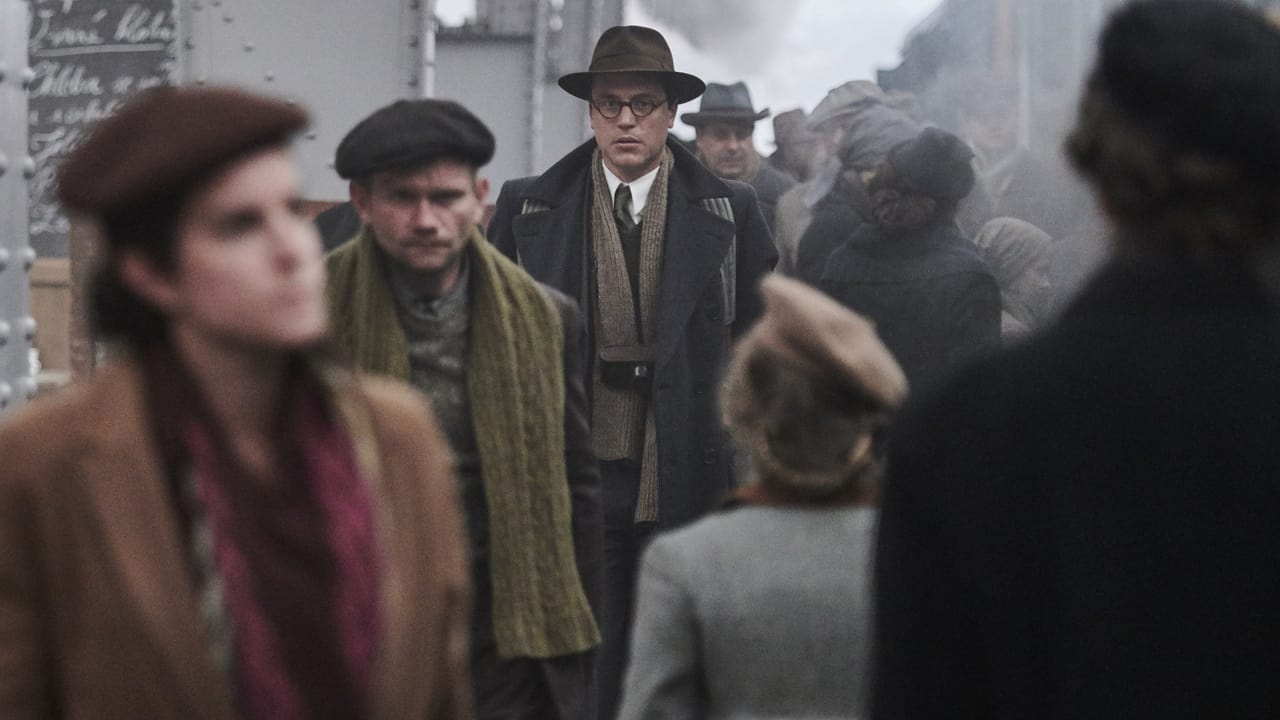
Nicholas Winton was not a soldier or a spy; he was a British stockbroker who saw a problem—thousands of Jewish children trapped in Prague as the Nazi shadow lengthened—and decided that "red tape" was an insufficient excuse for a death sentence. While the film navigates the familiar waters of the Holocaust drama, it avoids the trap of becoming a mawkish "Great Man" biopic. Instead, it’s a study of the agonizing arithmetic of rescue and the quiet, lifelong burden of the "ones who got away."
The Bureaucracy of Hope
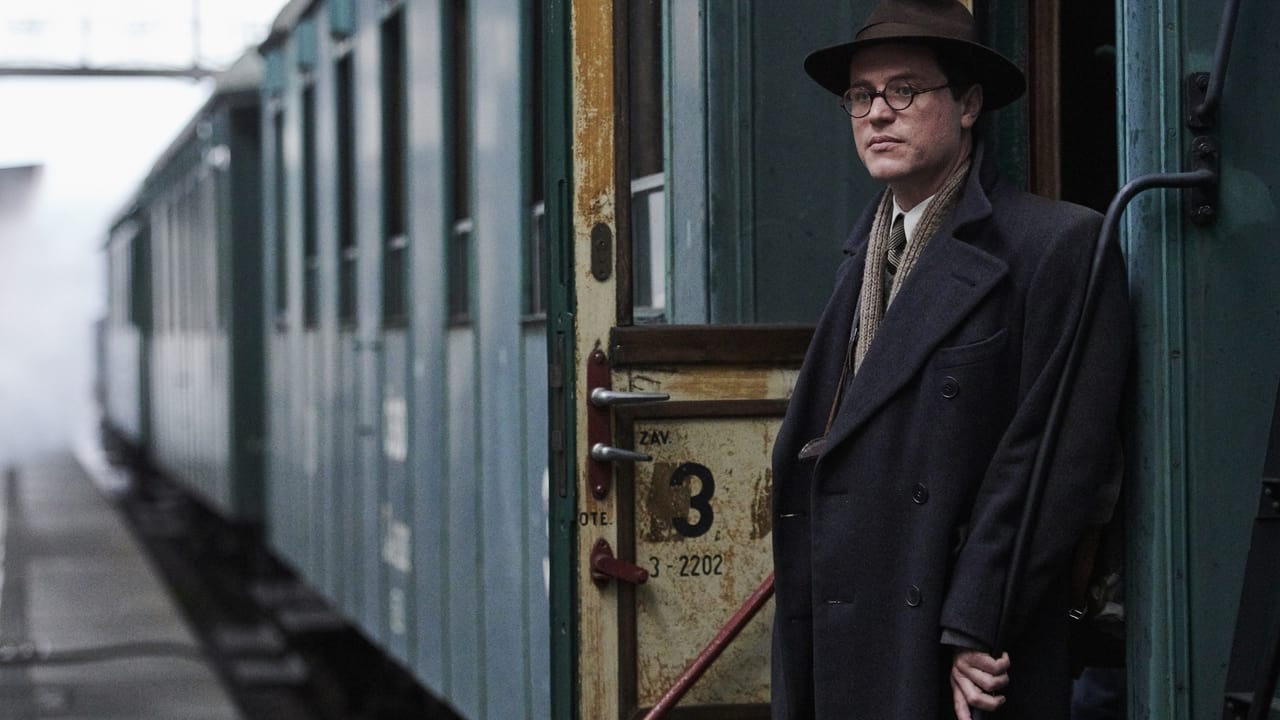
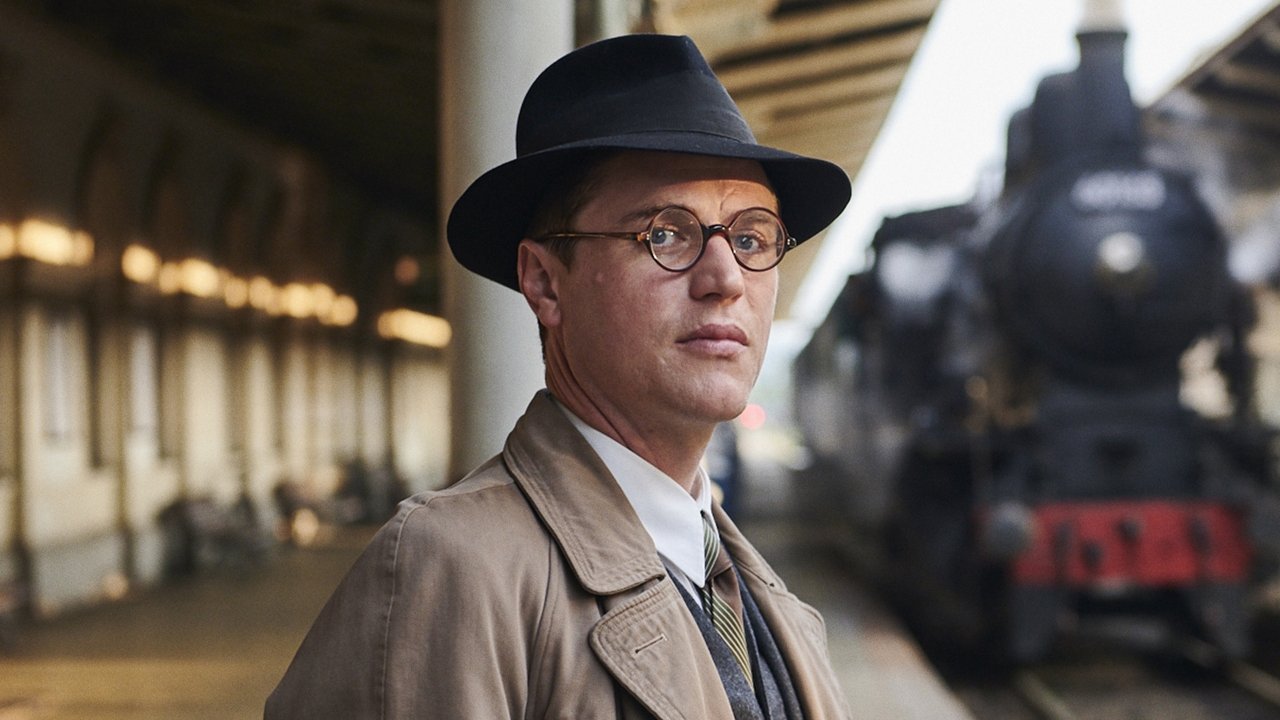
The film splits its soul between two timelines. In 1938, a young, idealistic Nicholas (played by a wonderfully understated Johnny Flynn) arrives in Prague. He doesn't find a battlefield; he finds a logistical nightmare. People often forget that the Kindertransport wasn't just about bravery; it was about visas, foster families, and the £50 guarantee per child required by the British government. Johnny Flynn captures the frantic energy of a man trying to outrun a closing door with a fountain pen. He is joined by Romola Garai as Doreen Warriner and Alex Sharp as Trevor Chadwick, who bring a grounded, boots-on-the-ground grit to the operation. They aren't superheroes; they are exhausted, terrified administrators.
In an era where we are saturated with cinematic universes and high-concept sci-fi, there is something profoundly radical about a movie that highlights the heroism of a well-organized spreadsheet. The Prague sequences are shot with a muted, chilling efficiency. There’s no soaring score to tell you how to feel—just the rhythmic clacking of typewriters and the hollow sound of train whistles. It’s a reminder that history isn't just made by speeches; it's made by people who refuse to fill out the 'wrong' forms.
The Silence of the Survivor
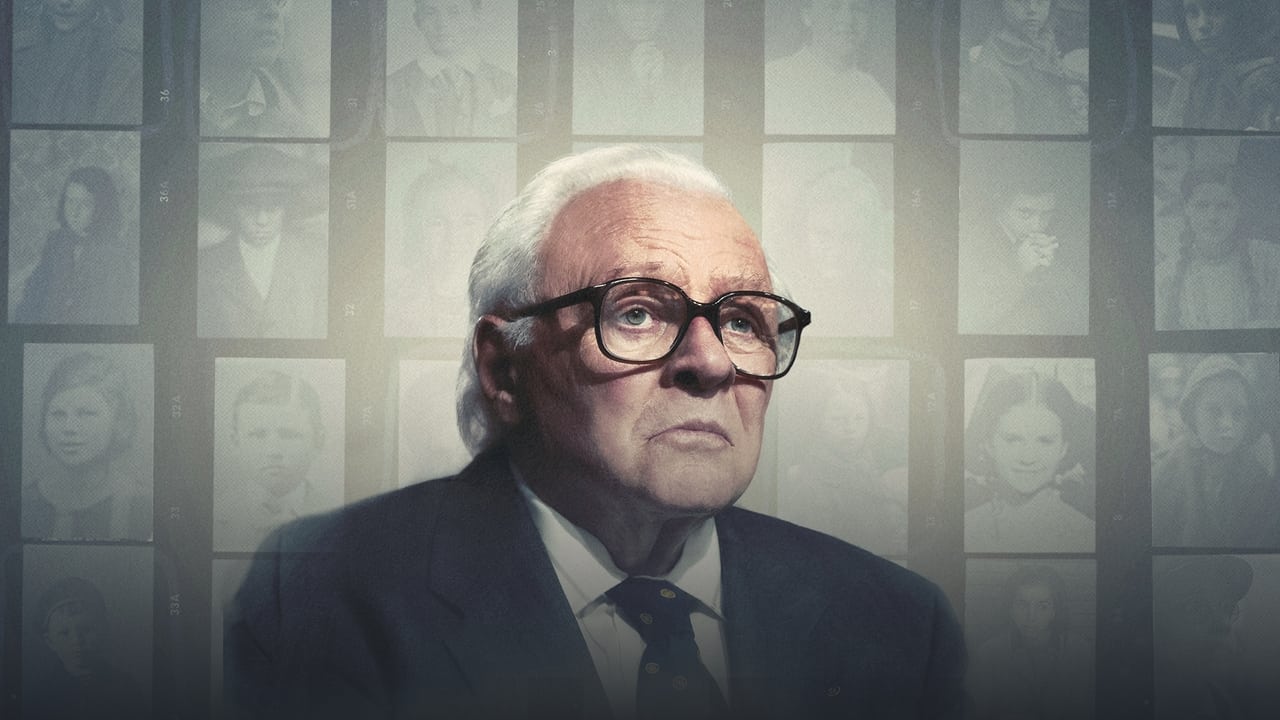
When the film jumps forward to 1988, we find the older Winton living a quiet life in Maidenhead. This is where Anthony Hopkins proves, yet again, why he is a living legend. He plays Winton not as a hero basking in his sunset years, but as a man haunted by a lingering sense of failure. He is surrounded by the ghosts of the children he couldn't save, tucked away in a leather-bound scrapbook he can’t quite bring himself to throw away.
His performance is a masterclass in restraint. He spends much of the film pottering around his garden or arguing with his wife, Grete (Lena Olin), about the clutter in his office. But when the world finally catches up to his secret—via a now-famous appearance on the BBC program That’s Life!—the emotional dam doesn't just burst; it dissolves. The recreation of that television moment is handled with incredible sensitivity. It’s a scene that has lived on YouTube for years, but in the context of the film, it gains a crushing weight. I’ll be honest: if you don't well up when the audience members start standing, you might actually be a Turing test failure.
A Mirror for the Present
While One Life is a period piece, it feels uncomfortably contemporary. We are currently living through a moment of intense global displacement and political polarization, and the film’s exploration of refugee visas and government apathy feels like a headline from this morning. It asks a difficult philosophical question: What is the value of an individual effort in the face of a systemic catastrophe?
The film doesn’t offer easy comfort. It acknowledges that for every child saved, there were thousands left behind. It’s a "cerebral" drama in the sense that it forces you to sit with the morality of compromise. Jonathan Pryce makes a brief but poignant appearance as Martin Blake, a fellow rescuer, providing a bridge between the youthful panic of the past and the reflective sorrow of the present. Their scenes together are some of the film's strongest, offering a glimpse into a shared trauma that the rest of the world has the luxury of forgetting.
The cinematography by Zac Nicholson is clean and unobtrusive, letting the performances breathe. It doesn't try to "beautify" the 1930s or the 1980s; it presents them with a documentary-like honesty. This isn't a film that relies on CGI de-aging or flashy tricks. It relies on the human face—specifically Hopkins’ face, which seems to contain the entire 20th century in its wrinkles.
One Life is a rare breed of contemporary cinema: a prestige drama that earns every ounce of its sentiment. It avoids the "trappings of the era" by focusing on the timelessness of human empathy and the specific, agonizing mechanics of doing the right thing. It reminds us that "saving one life" isn't just a tagline; it's a grueling, bureaucratic, and ultimately sacred act of defiance. If you're looking for a film that respects your intelligence while unashamedly aiming for your heart, this is it. It’s a quiet, devastating triumph that lingers long after the credits roll.
Keep Exploring...
-
The Boy Who Harnessed the Wind
2019
-
The Iron Claw
2023
-

I'm Still Here
2024
-
The Dig
2021
-
Suffragette
2015
-
The Trial of the Chicago 7
2020
-

A Taxi Driver
2017
-
Official Secrets
2019
-
The Father
2020
-

Tetris
2023
-

Ford v Ferrari
2019
-
Little Women
2019
-
Portrait of a Lady on Fire
2019
-
King Richard
2021
-
The Woman King
2022
-

Society of the Snow
2023
-
Loving Vincent
2017
-
22 July
2018
-
Т-34
2018
-
Can You Ever Forgive Me?
2018