Oppenheimer
"The horror of the man who gave us fire."
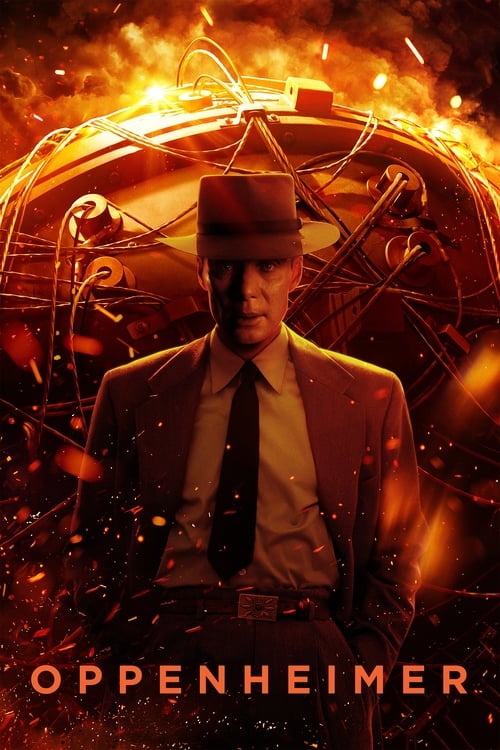
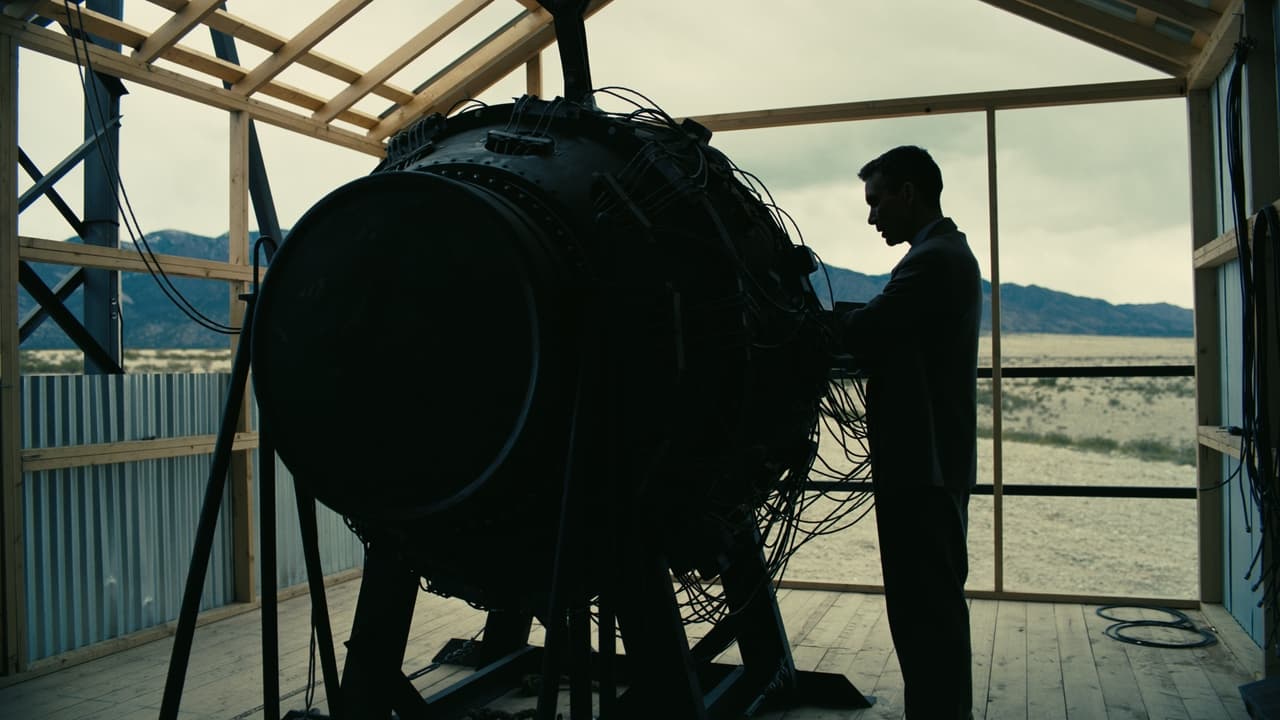
I’ll never forget the sound of the guy three rows behind me trying to open a plastic bag of beef jerky during the Trinity Test sequence. In any other movie, it would’ve been a minor annoyance. In Oppenheimer, it felt like a felony. Christopher Nolan (the guy who basically reinvented the "smart blockbuster" with Inception) crafts a silence so heavy you can practically feel the oxygen leaving the room. When that flash finally hits the screen and the world goes quiet before the roar, you realize you’re not just watching a history lesson; you’re watching the birth of a nightmare.
The Face That Launched a Thousand Nightmares
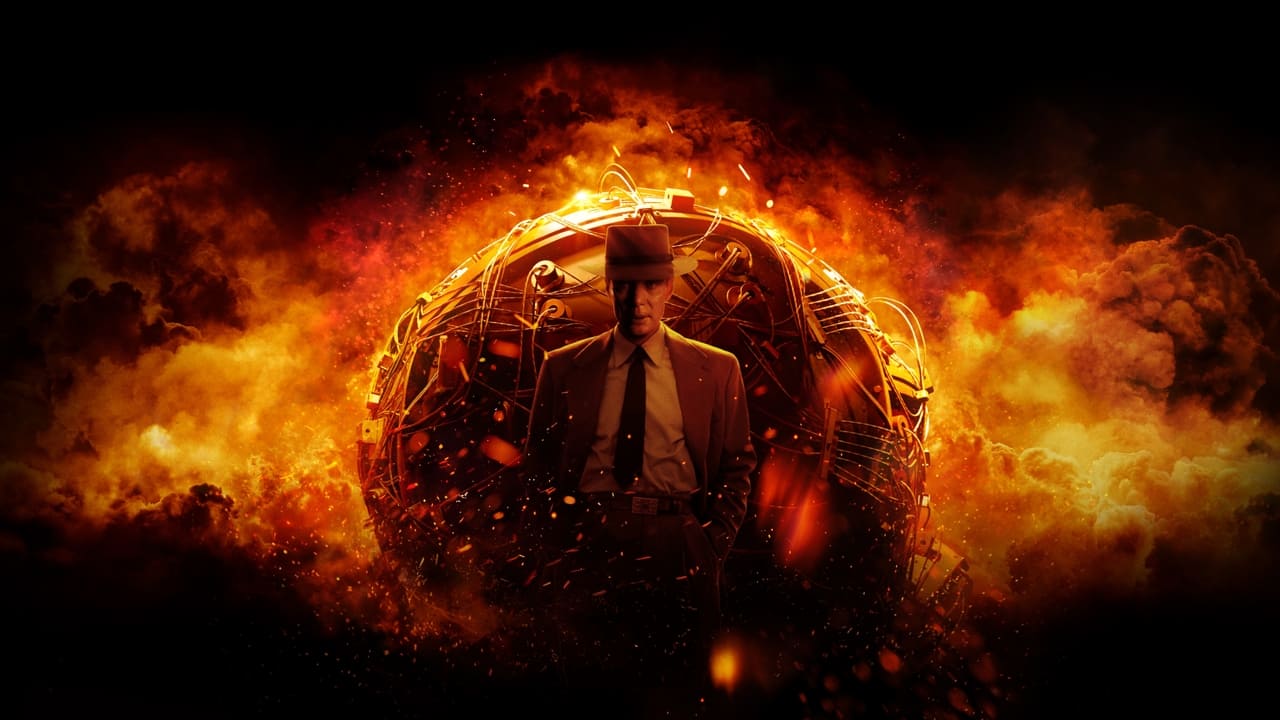
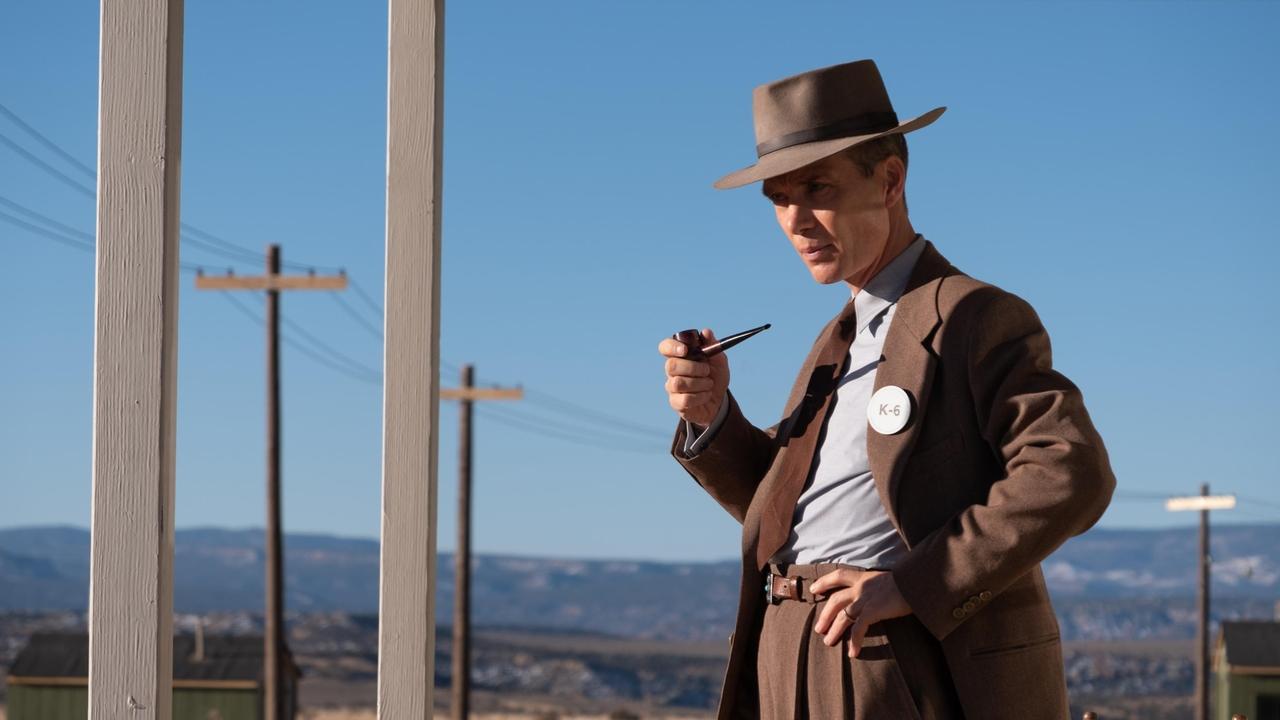
For years, I’ve watched Cillian Murphy play intense weirdos and supporting heavies, but here he’s doing something else entirely. As J. Robert Oppenheimer, he looks like a man who has seen the end of the world and is just waiting for the rest of us to catch up. Nolan actually wrote the script in the first person—"I walk into the room," "I see the light"—which is a bizarre move for a screenplay, but it explains why the camera is constantly glued to Murphy’s face.
It’s all in the eyes. They’re these haunting, watery orbs that seem to reflect the atoms splitting. While the film is technically a "prestige drama," it’s essentially a three-hour horror movie where the monster is a math equation. (I’m serious—if you go in expecting a standard "man makes a gadget" story, the third act's bureaucratic interrogation will hit you like a psychological thriller).
The supporting cast is an absolute circus of "hey, it’s that guy!" moments. Matt Damon brings a much-needed groundedness as Leslie Groves, wearing a mustache that I’m convinced had its own SAG card. Then there’s Emily Blunt as Kitty Oppenheimer. For the first hour, I was worried she was being relegated to the "long-suffering wife" trope, but her performance in the final act is a masterclass in vindictive loyalty. She doesn't just support her husband; she goes to war for him.
A Masterclass in Stress Management (Or Lack Thereof)
Let’s talk about the Lewis Strauss of it all. Robert Downey Jr. gives the performance of his career here, and I say that as someone who wept when Tony Stark kicked the bucket. Stripped of the Marvel quips and the high-tech suits, Downey plays Strauss with a petty, simmering resentment that is deeply human and terrifyingly relatable. The way the film jumps between the color-drenched past and the stark black-and-white of the Senate hearings (shot on a custom-made B&W IMAX film stock) keeps your brain from ever getting too comfortable.

Ludwig Göransson’s score is the secret weapon here. It doesn't just play in the background; it burrows into your skull. There’s a recurring ticking/clapping sound that mimic the stomping of feet in a gymnasium that genuinely triggered my fight-or-flight response. I sat through all three hours without a bathroom break, and by the end, my heart rate was probably high enough to concern a cardiologist.
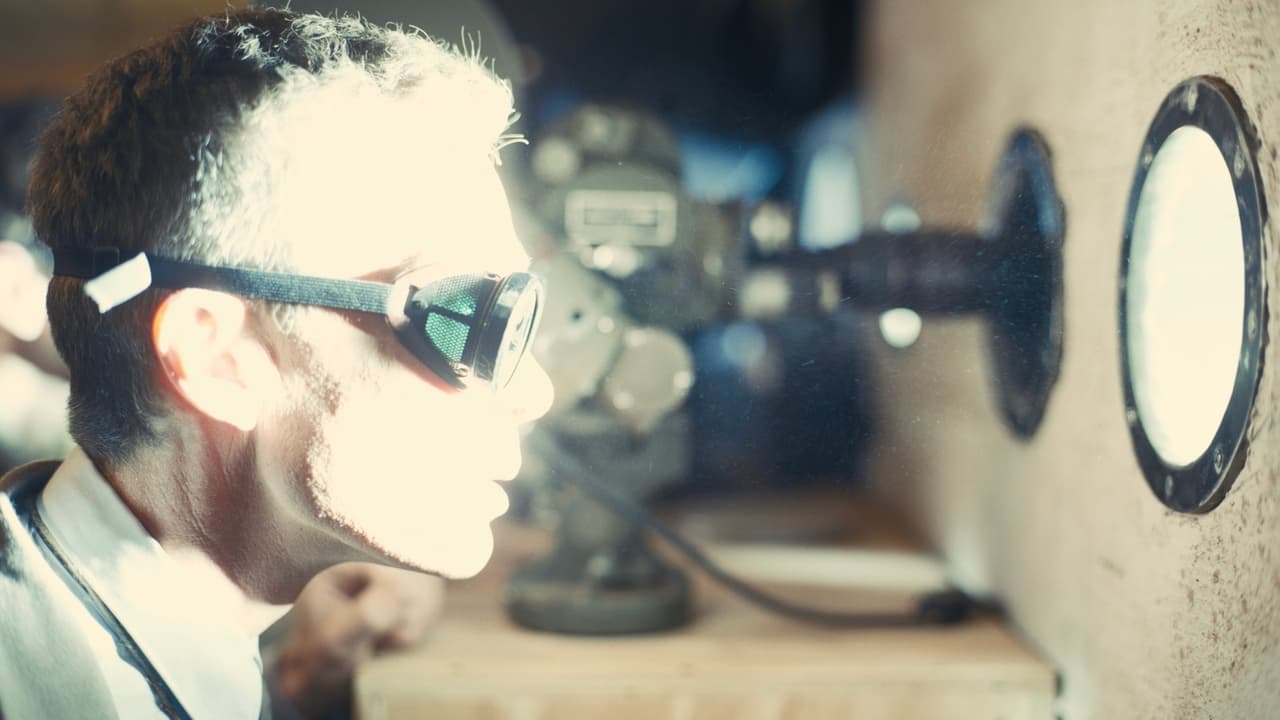
Interestingly, Nolan famously insisted on zero CGI for the Trinity Test. He didn't want a digital explosion; he wanted something tactile. Apparently, the crew used a cocktail of gasoline, magnesium, and aluminum powder to create that terrifying, roiling fireball. It’s that commitment to "real stuff" that makes the movie feel so heavy. In an era where we’re drowned in CGI purple aliens, seeing a practical explosion of that scale feels like a physical punch.
Why It Matters Right Now
Released in the middle of a "Barbenheimer" social media frenzy, Oppenheimer could have been eclipsed by the memes. Instead, it became a cultural touchstone. I think that’s because we’re living in our own "Oppenheimer moment" with the rise of AI and shifting global tensions. We’re watching a film about a man who realized too late that you can’t put the genie back in the bottle, and that resonates with a 2023 audience in a way a standard biopic never could.
The film does have its quirks. The timeline jumping can be dizzying if you aren't paying attention, and Florence Pugh’s Jean Tatlock feels a bit underwritten compared to the rest of the ensemble, serving more as a symbol of Oppenheimer’s guilt than a fully realized person. But these are minor gripes when compared to the sheer ambition of the thing.
Stuff You Didn't Notice
The 70mm IMAX film print weighed 600 pounds and was eleven miles long. I pity the poor projectionist who had to haul that thing around. Cillian Murphy reportedly lived on an almond a day to achieve Oppenheimer’s gaunt, "skin and bone" look. Many of the "extras" in the Los Alamos scenes weren't actors; they were actual scientists from the real Los Alamos lab who showed up to help with the technical dialogue. The film’s budget was $100 million, which sounds like a lot until you realize it made nearly a billion dollars. It’s proof that audiences actually want challenging, adult-oriented dramas if you give them a reason to go to the theater.
Oppenheimer is the kind of movie that follows you to the car. It’s loud, it’s long, and it’s deeply uncomfortable, but it’s also a reminder of why we still go to the cinema. It’s a towering achievement in craft, led by a performance from Cillian Murphy that will be studied in acting classes for the next thirty years. Just do yourself a favor: leave the jerky at home and prepare to sit in the dark with your own thoughts for a while. You won't be able to look at a clear blue sky the same way again.
Keep Exploring...
-

Dunkirk
2017
-

Interstellar
2014
-

Little Women
2019
-

1917
2019
-

Ford v Ferrari
2019
-
Tenet
2020
-

Green Book
2018
-

Society of the Snow
2023
-
The Dark Knight
2008
-
The Prestige
2006
-
Spotlight
2015
-

Straight Outta Compton
2015
-

Hidden Figures
2016
-

First Man
2018
-

The Irishman
2019
-

King Richard
2021
-

The Last Duel
2021
-

The Woman King
2022
-
Air
2023
-

Killers of the Flower Moon
2023