Perfect Days
"The sunlight is never the same twice."
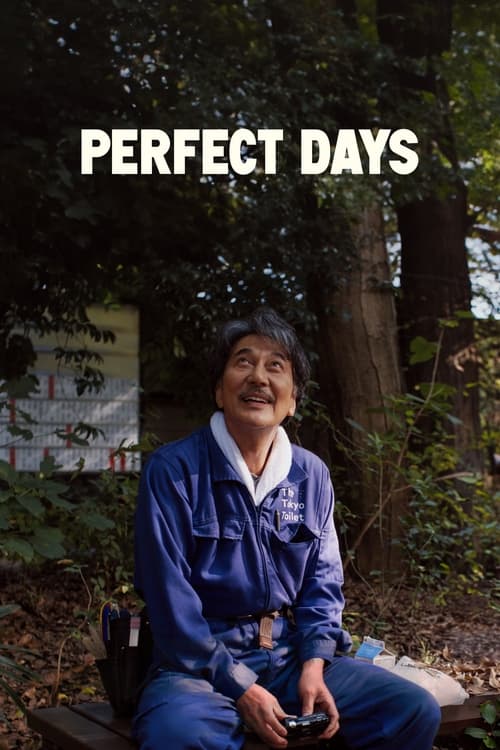
There is a specific, quiet dignity in the way Hirayama folds his futon every morning. He doesn’t rush. He doesn’t check a smartphone. He simply exits his small apartment, looks up at the Tokyo sky, smiles, and buys a canned coffee from a vending machine. He is a man who cleans public toilets for a living, but by the time the opening credits of Perfect Days finished rolling, I realized he’s probably living a more successful life than anyone I know.

I watched this film on a Tuesday evening while drinking a cup of Earl Grey that I had accidentally let go cold. Usually, that would annoy me, but watching Hirayama’s patient routine made the lukewarm tea feel like a deliberate choice rather than a mistake. That is the kind of immediate, calming "Wenders-effect" this movie has on your blood pressure.
The Art of the Scrub
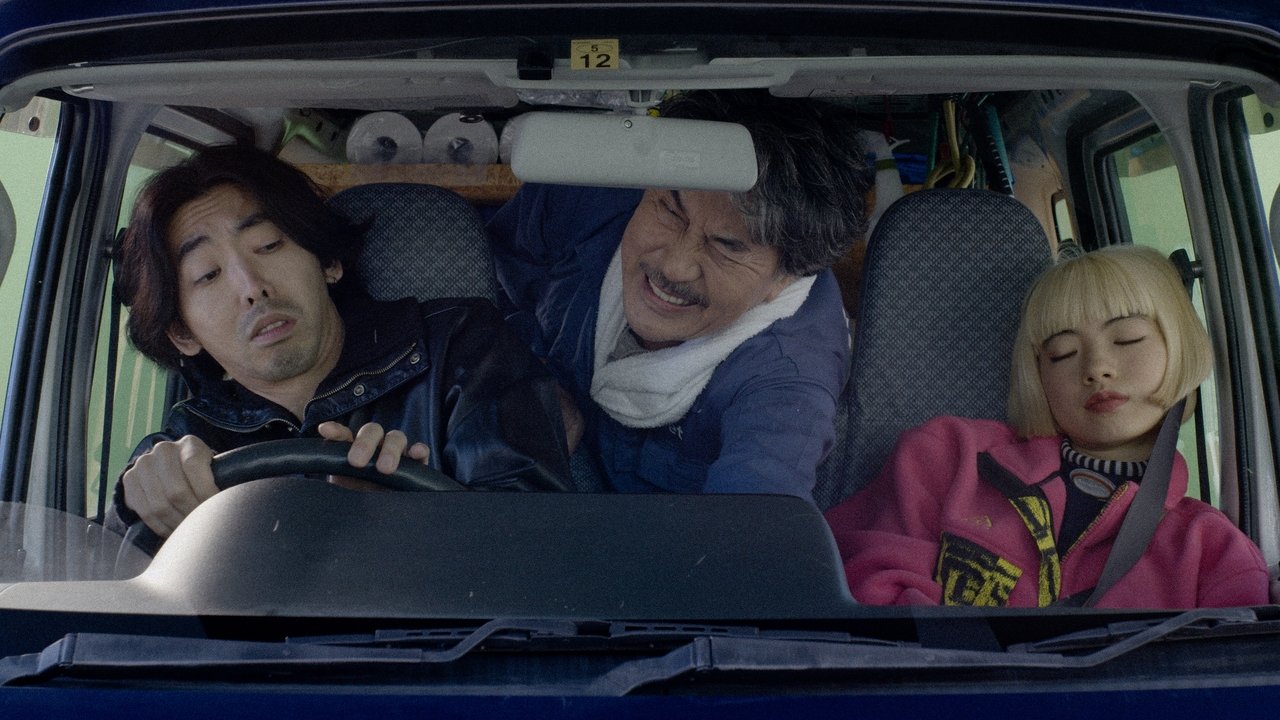
Directed by the legendary Wim Wenders—the man who gave us the desert-bleached loneliness of Paris, Texas and the angelic melancholy of Wings of Desire—this film is a return to form that feels both brand new and deeply ancient. We follow Hirayama, played by the incomparable Koji Yakusho, as he drives his small van through Tokyo. His job is part of "The Tokyo Toilet" project, a real-life initiative where world-class architects designed high-tech, artistic public restrooms.
While his younger assistant, Takashi (Tokio Emoto), treats the job as a boring pit stop on the way to a "real" life, Hirayama treats a porcelain bowl like a sacred artifact. He uses a handheld mirror to check the undersides of rims. He has invented his own specialized scrubbing tools. It’s not that he’s obsessed with filth; it’s that he’s committed to the present moment. In an era where most of us are living our lives in a state of self-inflicted emergency, watching a man take three minutes to properly wipe a glass partition feels like a radical political statement.
Koji Yakusho won Best Actor at Cannes for this, and he earns it without saying more than a few dozen words. His face is a map of hidden history. You get the sense that Hirayama chose this life of simplicity to escape a much louder, more complicated past. When his niece, Niko (Arisa Nakano), shows up unannounced, or when he has a brief, awkward encounter with a woman in a park (Aoi Yamada), we see the flickers of the man he used to be. But he always returns to the trees.
Cassettes and Komorebi
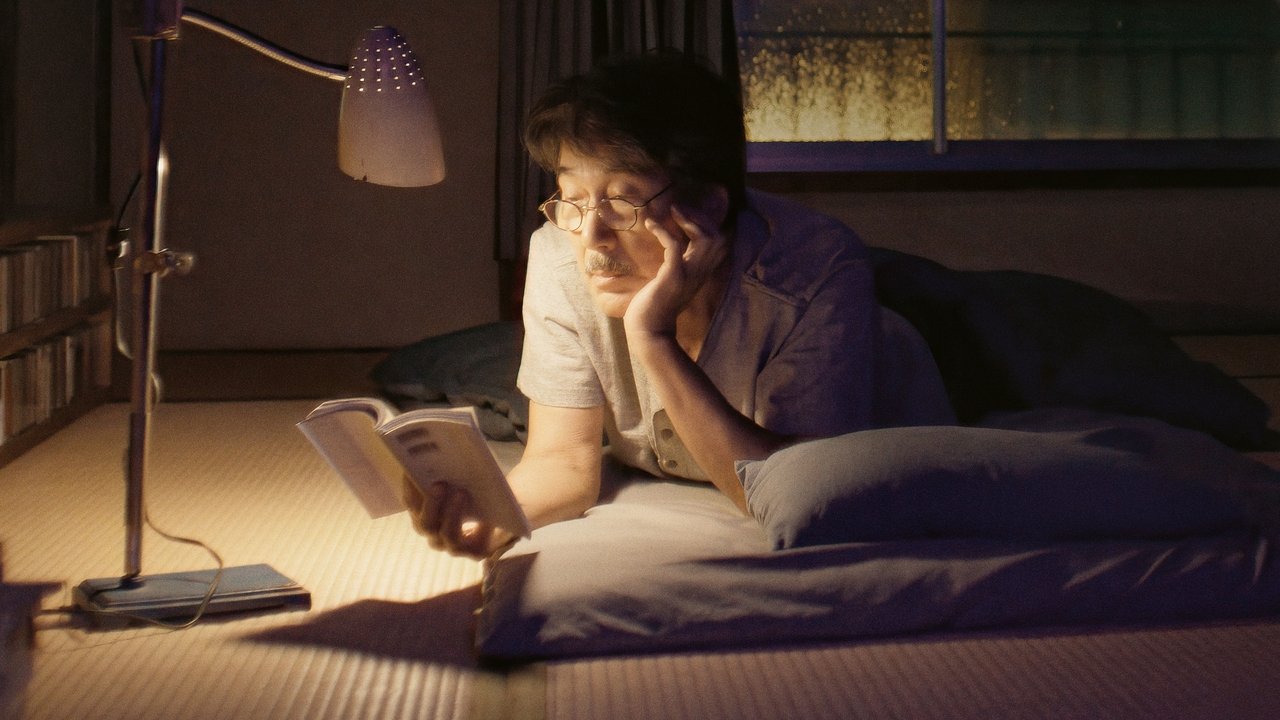
The "contemporary" part of this contemporary film is actually found in its analog soul. Hirayama doesn't use Spotify; he listens to old cassette tapes in his van. The soundtrack is a curated dream of 60s and 70s rock—Lou Reed, The Kinks, Patti Smith, and Nina Simone. There’s something profoundly moving about hearing "Brown Eyed Girl" while driving through the neon-lit canyons of modern Tokyo. It highlights the gap between the fast-moving digital world and the slow-moving human heart.
Wim Wenders uses a 4:3 aspect ratio, which makes the film feel like a series of Polaroids. He focuses on komorebi—a Japanese word with no direct English translation that describes the shimmering light filtered through the leaves of trees. Hirayama takes photos of this light every day on a film camera, then develops them and sorts them into boxes. He isn’t "content creating." He isn’t posting them for likes. He is simply noticing that the light today is different from the light yesterday.
This is a movie about toilets that is somehow more spiritual than most religious epics. It challenges the modern obsession with "more"—more money, more followers, more prestige—and asks if "enough" might actually be better.
Why It Matters Now
Released in a post-pandemic landscape where many are re-evaluating their relationship with work and "the grind," Perfect Days feels incredibly relevant. It’s not a "feel-good" movie in the Hallmark sense; there is a deep, underlying sadness to Hirayama’s isolation that comes to a head in a breathtaking final shot that lasts several minutes.
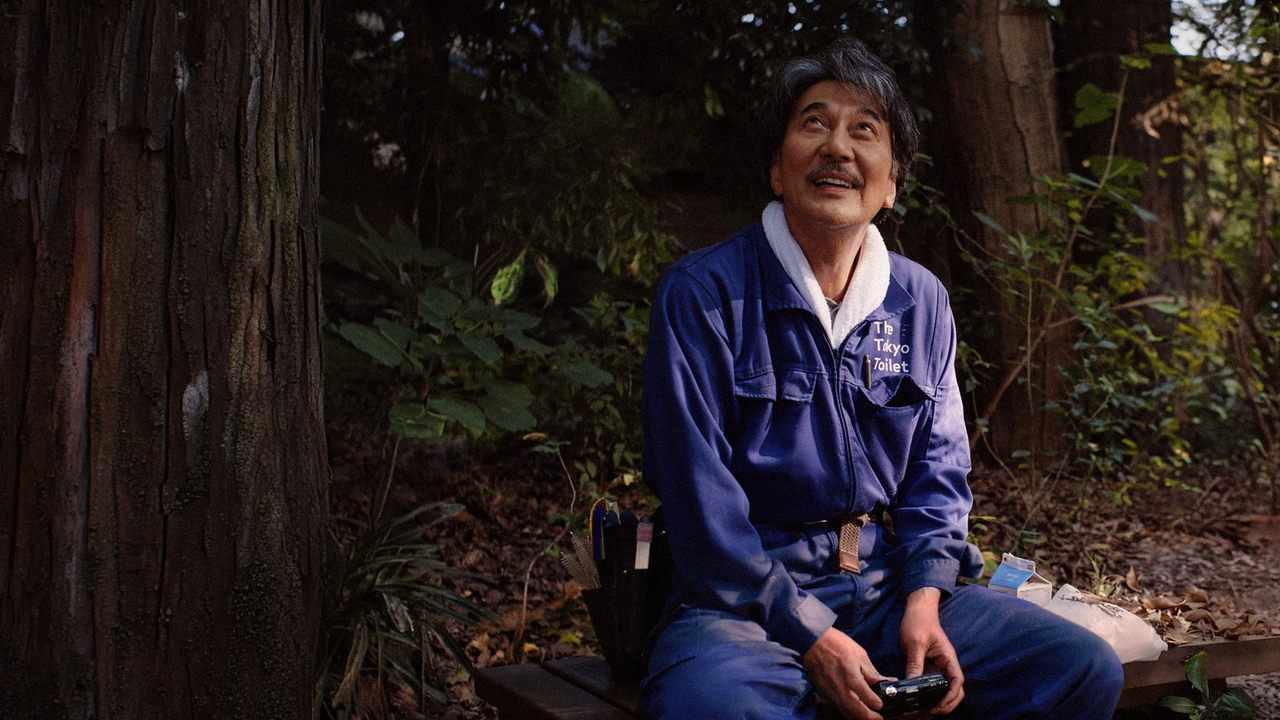
The production itself has a fascinating origin story. Originally, the Tokyo authorities approached Wim Wenders to make a short documentary about the fancy new toilets. Instead, he saw the potential for a feature-length poem about the people who maintain the threads of society. It’s a film that values representation in the most literal sense: it represents the invisible workers we walk past every day.
If you’re worried a two-hour drama about a toilet cleaner might be "boring," I’d argue it’s actually more suspenseful than a blockbuster. The suspense comes from wondering if Hirayama’s peace can survive the intrusions of the outside world. Can he keep his world small and perfect, or will the "many worlds" he mentions eventually collide?
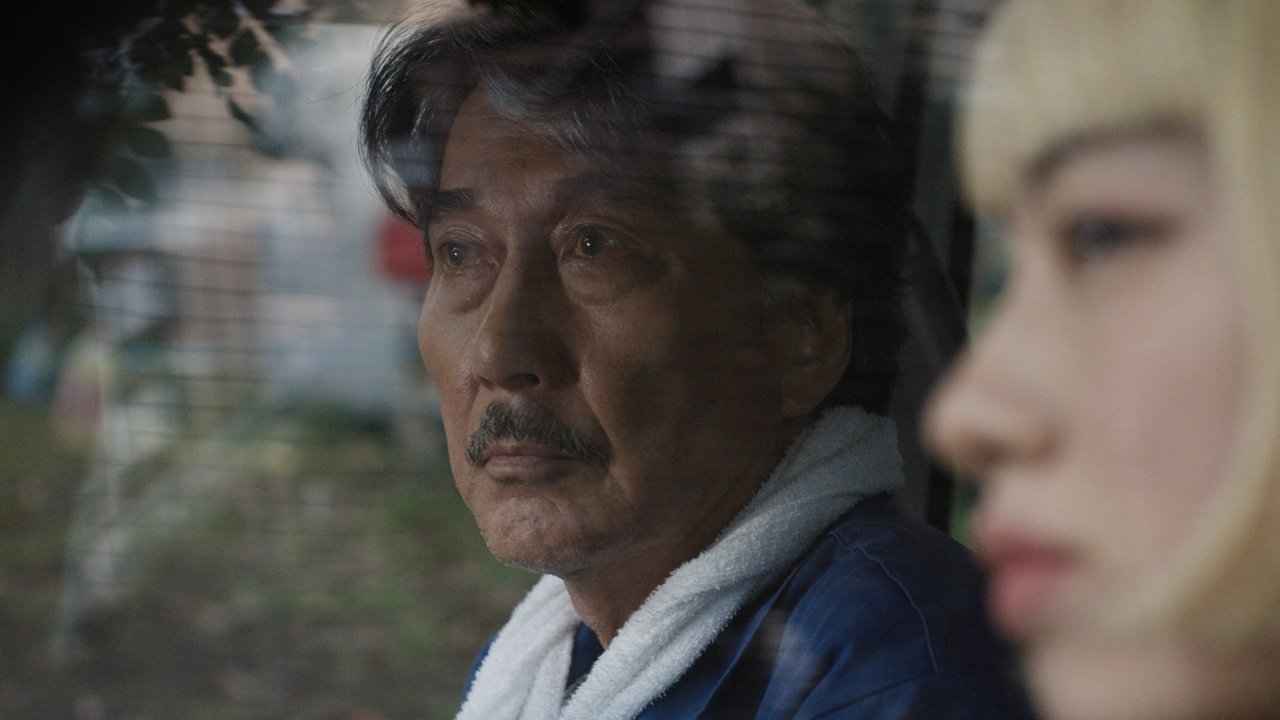
This is a film that demands you turn off your phone and sit with yourself. It doesn’t offer easy answers or a traditional plot, but it offers something much rarer: a sense of peace. By the time the final notes of Nina Simone’s "Feeling Good" play over the credits, you might find yourself looking at the shadow of a tree on your own wall and realizing you’ve been missing the best parts of your day. It’s a quiet masterpiece that proves the most profound stories aren't found in the stars, but in the reflections on a freshly cleaned window.
Keep Exploring...
-
The Boy and the Beast
2015
-

Evangelion: 3.0+1.0 Thrice Upon a Time
2021
-

I Want to Eat Your Pancreas
2018
-

A Whisker Away
2020
-
The Hand of God
2021
-

Suzume
2022
-
The Iron Claw
2023
-

Arthur the King
2024
-

I'm Still Here
2024
-
The Count of Monte Cristo
2024
-
Wings of Desire
1987
-
On My Skin
2018
-
The Boy Who Harnessed the Wind
2019
-
The Specials
2019
-

Clouds
2020
-
If Anything Happens I Love You
2020
-

The Banker
2020
-
Palmer
2021
-

The Fallout
2021
-
Aftersun
2022