Priscilla
"Every kingdom has its captive."
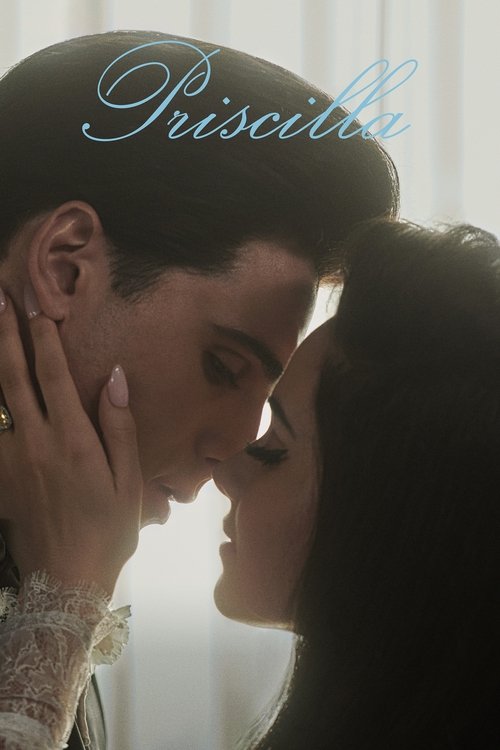
I walked into the theater with a leftover peppermint mocha that was roughly 80% ice, and as the lights dimmed, I realized that watery coffee is actually the perfect metaphor for the lifestyle Sofia Coppola depicts in Priscilla. It looks sweet, it’s expensive, and by the end, you’re just left with a cold, diluted mess of what used to be a dream.
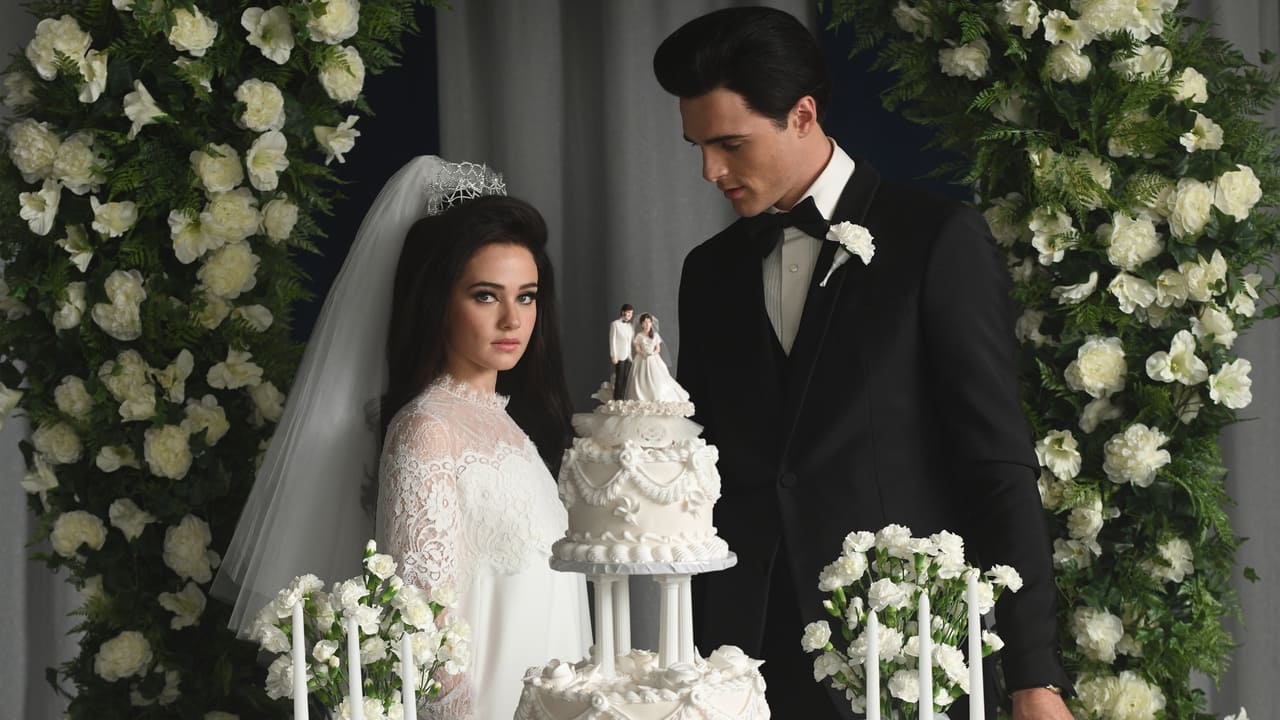
Coming just a year after Baz Luhrmann’s Elvis—a film that felt like being trapped inside a sequined tumble dryer—Priscilla is the ultimate cinematic exhale. While Luhrmann was obsessed with the "King" as a neon-lit god, Coppola is much more interested in the girl sitting in the bedroom upstairs, waiting for the god to come home and tell her what color dress she’s allowed to wear. It’s a quiet, devastatingly beautiful counter-narrative that feels incredibly vital in our current era of "tradwife" aesthetics and social media's obsession with curated domesticity.
The Architecture of a Gilded Cage
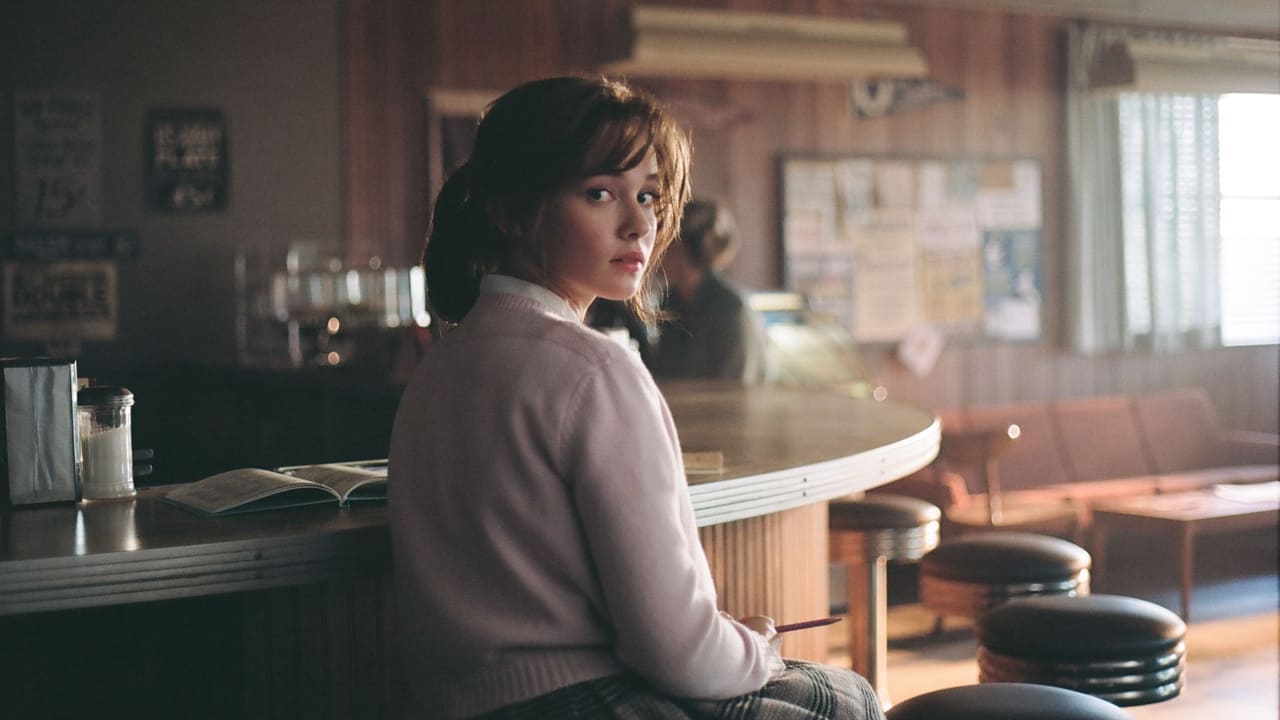
Coppola has spent her career documenting the loneliness of wealthy girls in big houses (Lost in Translation, Marie Antoinette), but here, she finds her most potent subject yet. When we first meet Cailee Spaeny as a fourteen-year-old Priscilla Beaulieu in West Germany, she is practically drowning in her own innocence. Cailee Spaeny is a revelation; she navigates a decade of aging not through heavy prosthetics, but through the way she carries her shoulders. She starts as a soft-spoken child and ends as a woman who has finally realized that the man she loves is actually a very beautiful, very fragile prison.
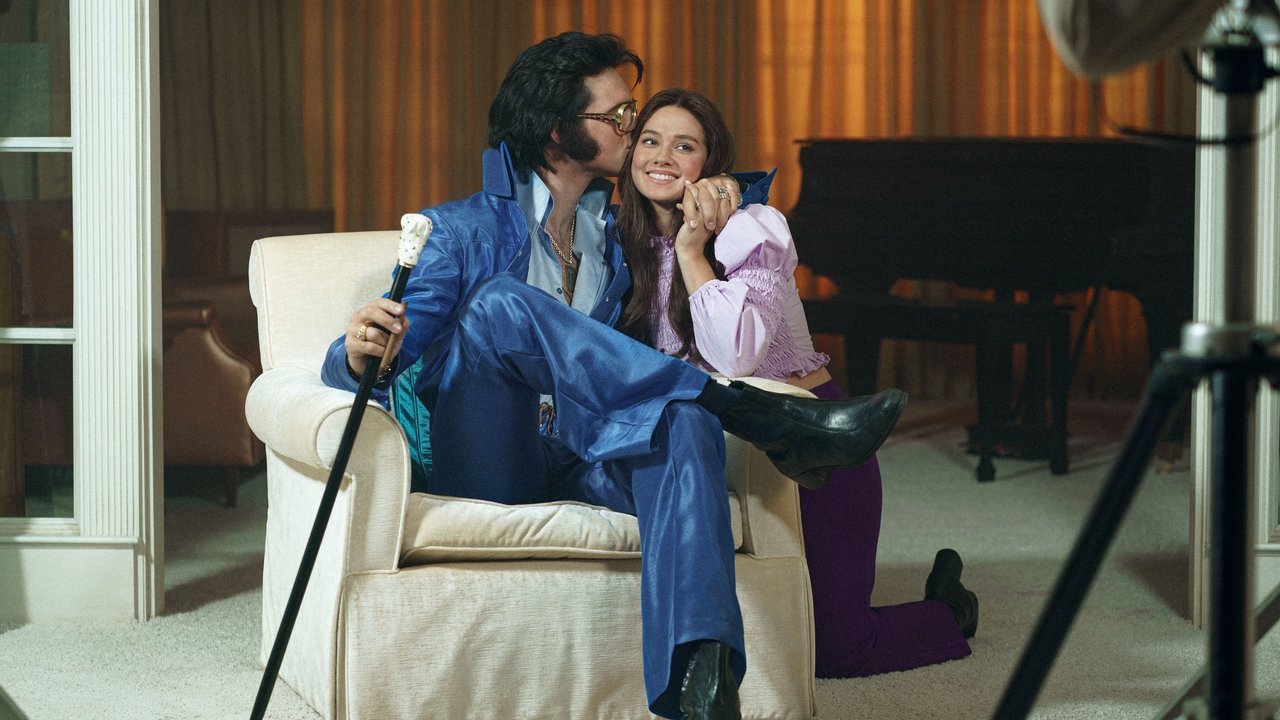
Then there’s the Elvis of it all. Jacob Elordi (who I last saw being a magnificent menace in Euphoria) plays Elvis not as a caricature, but as a moody, pill-popping boy-king. He’s tall—distractingly tall—towering over Cailee Spaeny in a way that emphasizes the massive power imbalance between them. I loved that Coppola didn't feel the need to include "Jailhouse Rock" or any of the hits. By keeping the music to a period-accurate but non-Elvis soundtrack, she reminds us that in this house, Elvis wasn't a performer; he was a brooding atmosphere. He basically treated her like a high-end porcelain doll he could occasionally play with when he wasn't bored, and seeing that dynamic play out in the silence of Graceland is far more chilling than any shouting match could be.
Eyeliner as Armor
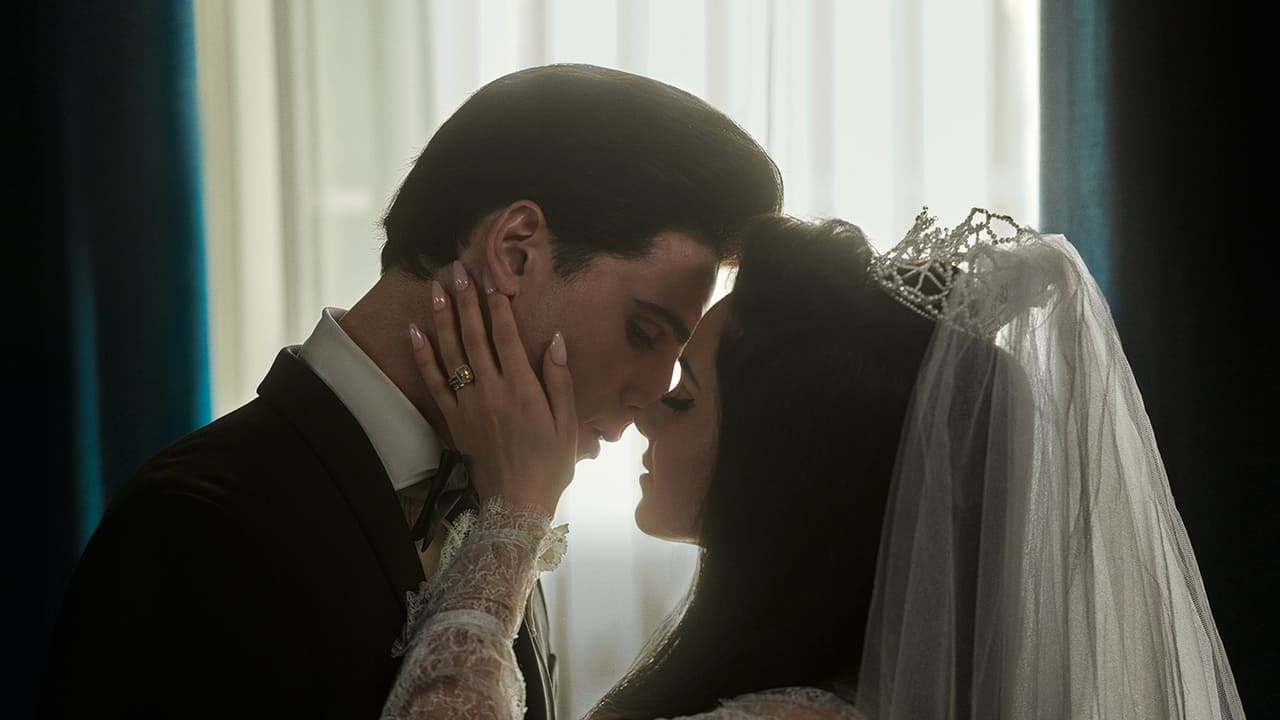
The film is a feast for the eyes, but it’s a controlled, muted feast. The cinematography by Philippe Le Sourd (The Grandmaster) makes Graceland look like a luxury hotel where the heating has been turned off. Everything is soft blues, creamy whites, and suffocating carpets. I found myself hyper-focusing on the evolution of Priscilla’s eyeliner. It gets thicker and sharper as the movie progresses, a black ink barrier between her and a world that only wants to look at her, never listen to her.
Actually, speaking of the eyeliner, I spent ten minutes after the movie in the bathroom mirror trying to recreate that 1960s wing with my cheap drugstore felt-tip pen and ended up looking like I’d been punched by a very fashionable ghost. It’s a look that requires a level of patience I simply do not possess, which made me respect the character’s commitment to the bit even more.
A Modern Lens on a Vintage Nightmare
What makes Priscilla feel so "now" is the way it refuses to romanticize the "grooming" aspect of the relationship. In the past, the Elvis and Priscilla story was often sold as a great American romance. Coppola, writing in a post-#MeToo landscape, doesn't need to scream about the age gap or the emotional manipulation; she just lets the camera linger on the discomfort. When Elvis tells her she can't have a job because he needs her to be there when he calls, the audience in my screening let out a collective, modern groan.
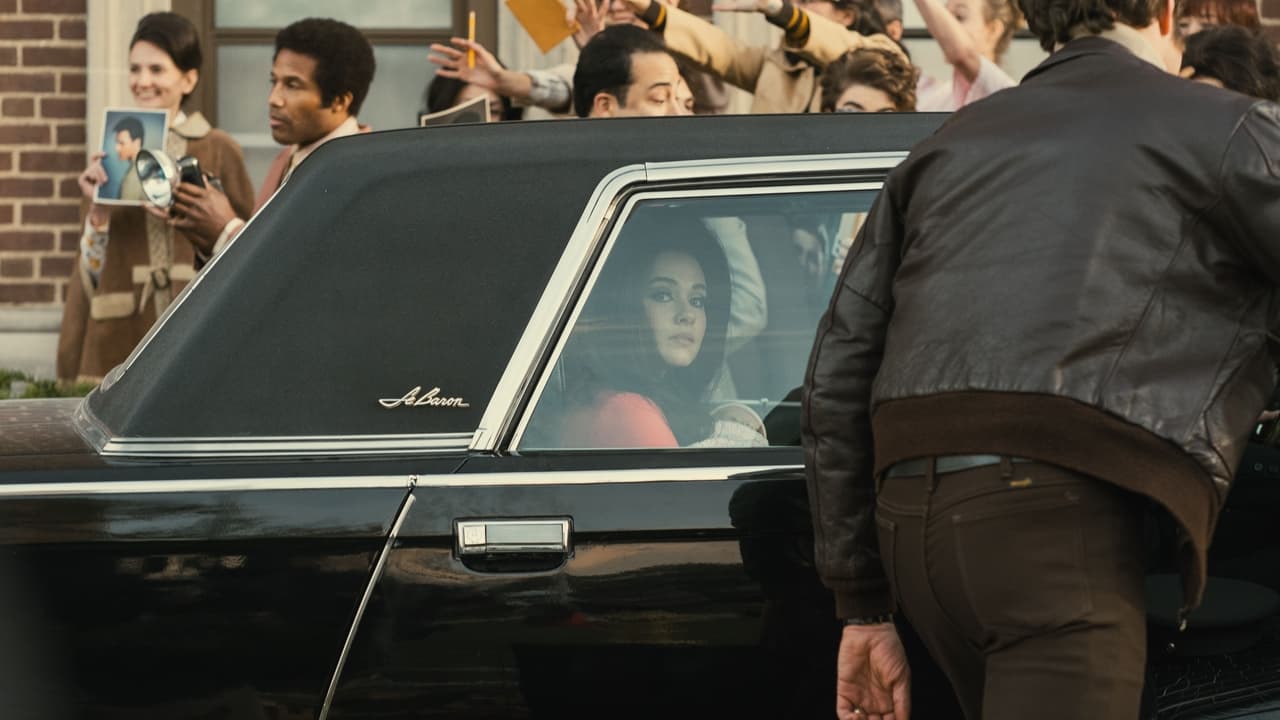
The film benefits from being an A24 production—it has that specific, indie-prestige DNA that allows it to be slow and contemplative rather than chasing a "Bohemian Rhapsody" style crowd-pleasing high. It’s a drama that trusts its audience to sit with the boredom of its protagonist. We see the bags of clothes, the hairspray, the endless games of Polaroid photography, and the slow realization that being the "Wife to the King" is a full-time job with zero benefits and a very temperamental boss.
Sofia Coppola has crafted a film that feels like a secret whispered in a crowded room. It’s a gorgeous, haunting look at the cost of being an icon’s accessory, anchored by a career-defining performance from Cailee Spaeny. If you’re looking for a flashy musical biopic, look elsewhere, but if you want a deeply empathetic look at a girl finding her voice in a house built on silence, this is essential viewing. It’s the kind of movie that stays with you long after the final credits roll, making you look at those old black-and-white photos of the Presleys with a much more skeptical eye.
Keep Exploring...
-
The Beguiled
2017
-
Disobedience
2018
-
If Beale Street Could Talk
2018
-
The Aeronauts
2019
-
Tolkien
2019
-
I Still Believe
2020
-
Bones and All
2022
-
All of Us Strangers
2023
-
Lost in Translation
2003
-
The Guernsey Literary & Potato Peel Pie Society
2018
-
Chemical Hearts
2020
-
Summer of 85
2020
-
The Half of It
2020
-
Benedetta
2021
-
The Hating Game
2021
-

The Worst Person in the World
2021
-
West Side Story
2021
-
Beating Hearts
2024
-

The Idea of You
2024