Society of the Snow
"Faith is the first thing to freeze."
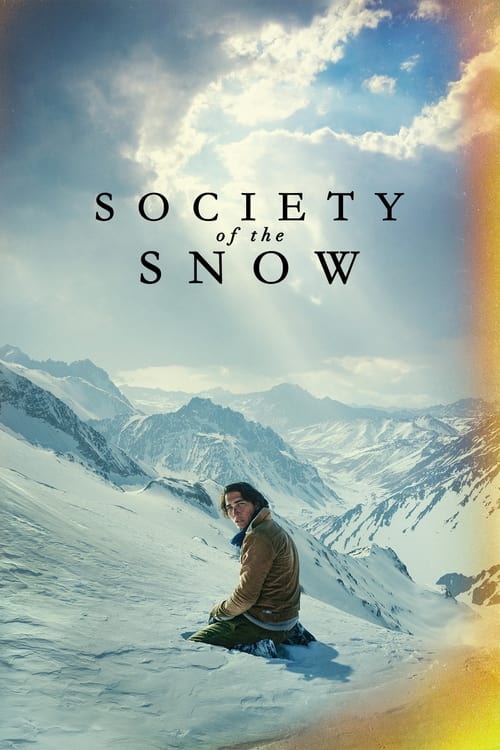
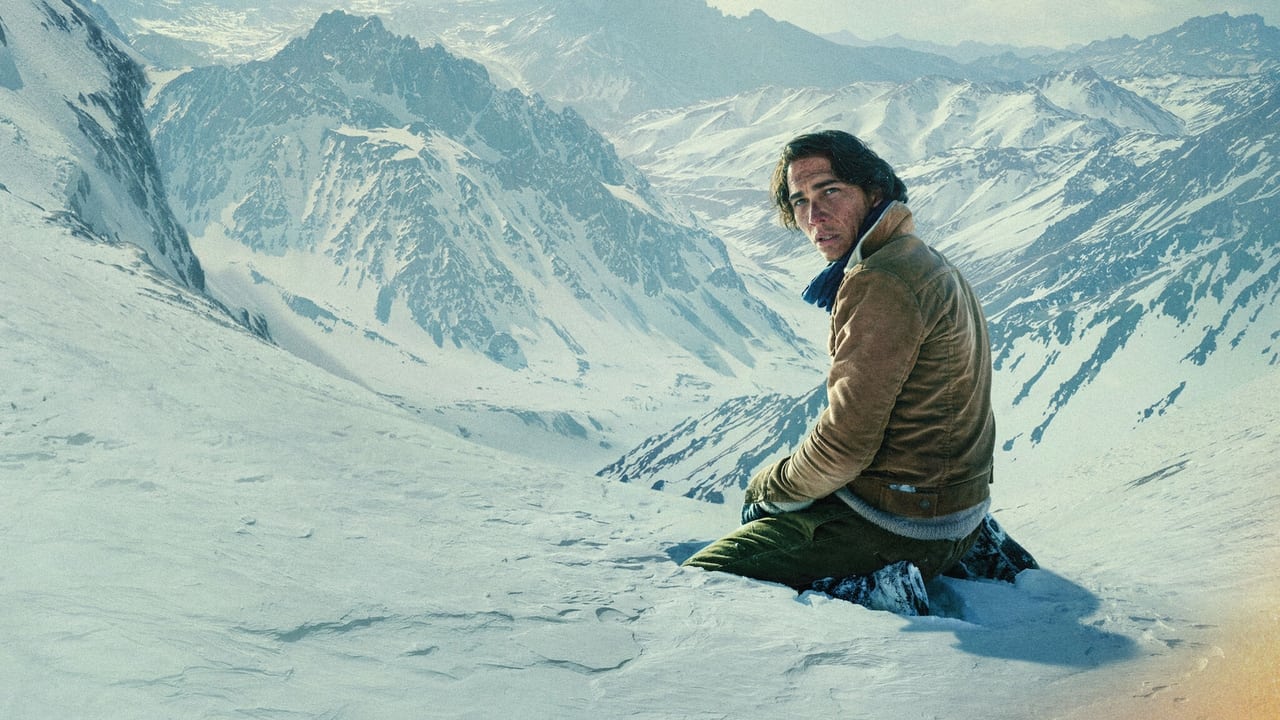
The Andes mountains in J.A. Bayona’s Society of the Snow don’t look like scenery; they look like a hungry, prehistoric god. Most survival films treat the wilderness as an obstacle course, a series of "how-to" puzzles for a rugged protagonist to solve. But Bayona, returning to the bone-crunching reality he mastered in The Impossible, isn’t interested in the mechanics of building a snow cave. He’s interested in what happens to the human soul when every external pillar of civilization—law, religion, even the biological taboo against consuming your own—is stripped away by a sub-zero gale.
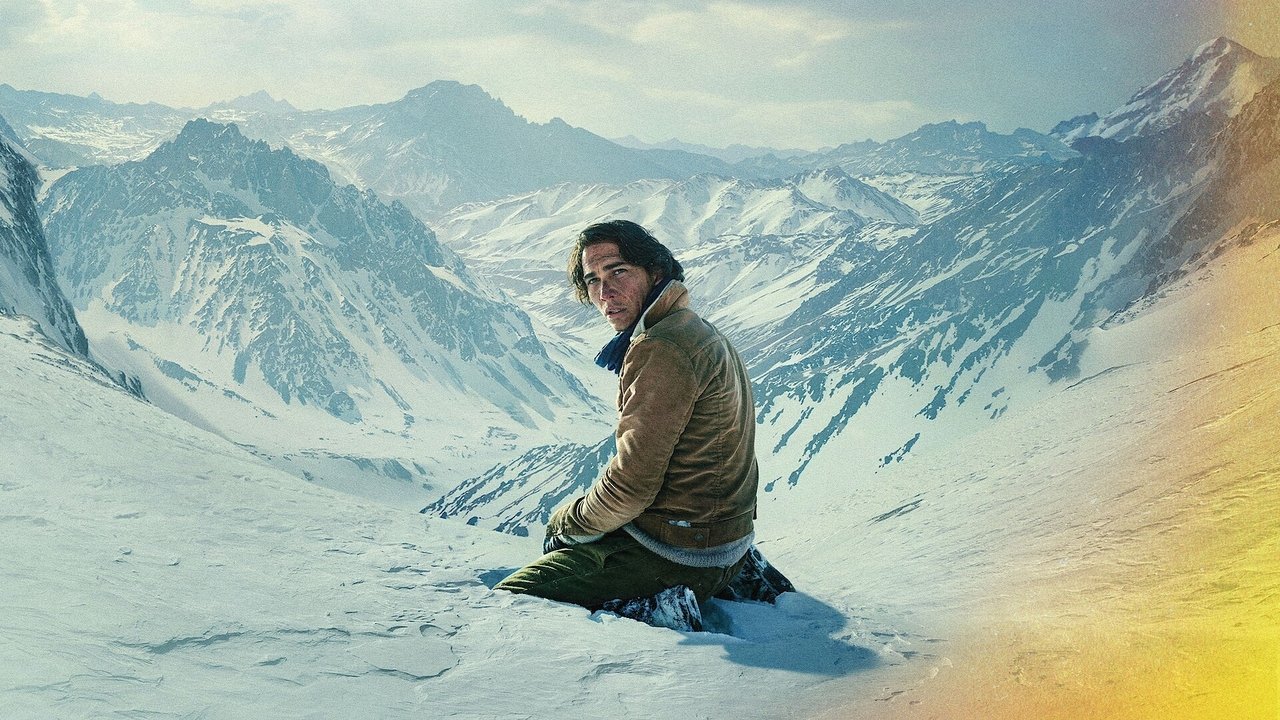
I watched this on a Tuesday night while my apartment’s radiator kept making this rhythmic, metallic thwack-thwack sound. In any other context, it would have been an annoying background noise, but against the backdrop of the 1972 Uruguayan Air Force Flight 571 disaster, it sounded like the groaning fuselage of the Fairchild FH-227D settling into the glacier. I found myself clutching a lukewarm cup of tea like it was the last spark of fire on Earth.
The Requiem of the Nameless
We’ve been here before, most notably in the 1993 Hollywood take, Alive. But where that film felt like a standard-issue heroic struggle, Society of the Snow feels like a funeral rite. The most radical choice Bayona makes is the perspective. Our narrator isn’t Nando Parrado or Roberto Canessa—the names etched into history for their Herculean trek across the peaks—but Enzo Vogrincic as Numa Turcatti.
Vogrincic has the kind of face that seems designed for silent cinema; his eyes do the heavy lifting that the script (penned by Bayona and Nicolás Casariego Córdoba) wisely leaves unsaid. By centering the story on Numa—a man whose role in the survival saga is traditionally relegated to a footnote—the film shifts from a "great man" narrative to a collective eulogy. The tragedy of the ones who didn’t make it is ultimately more important than the triumph of the ones who did. This isn't just a movie about survivors; it’s a movie about the cost of being the fuel that allows others to survive.
Beyond the Taboo
The "cannibalism movie" label is a hard one to shake, but Bayona handles the central moral dilemma with a staggering amount of grace. He avoids the sensationalism that usually haunts this story. Instead of focusing on the macabre, the film treats the decision to eat the deceased as a liturgical act. There’s a scene where the boys discuss the legality and morality of their choice, and it feels less like a horror movie and more like a philosophical debate in a freezing cathedral.
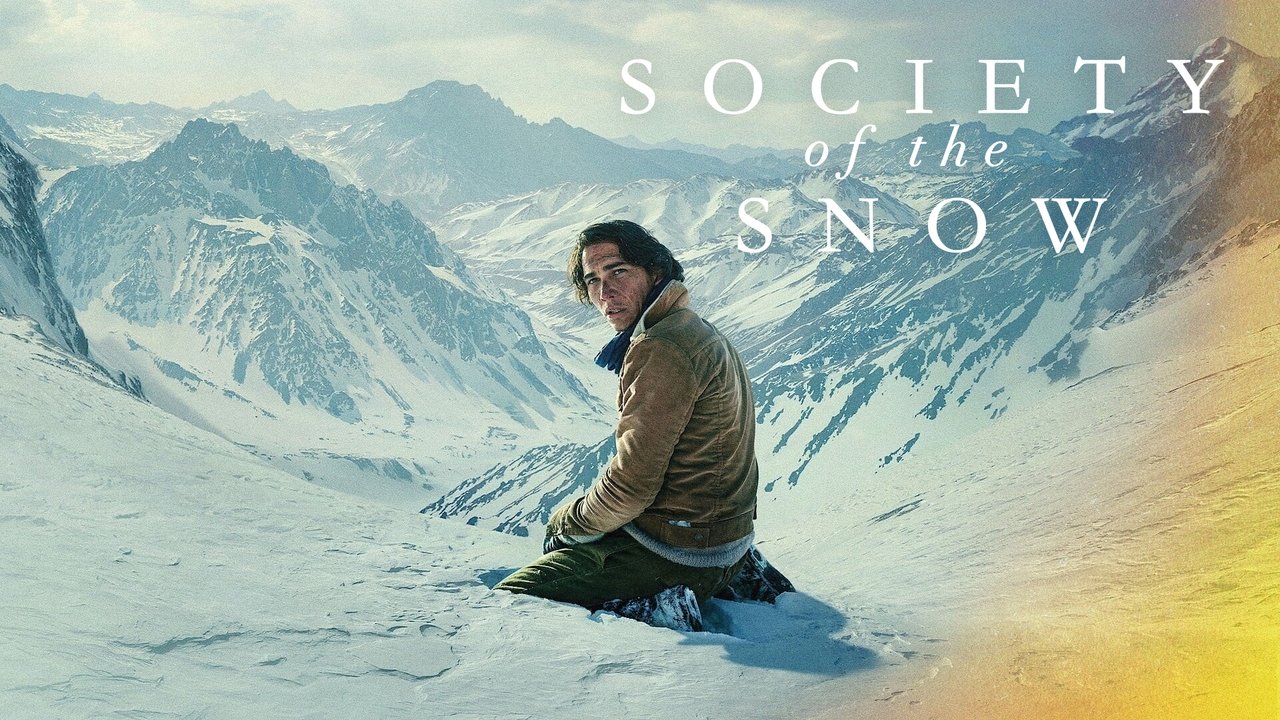
The performances across the board are startlingly raw. Agustín Pardella (as Nando) and Matías Recalt (as Roberto) capture the desperate, frantic energy of youth being ground down by geological time. You can see the weight loss—real, punishing physical transformation—but it’s the hollowed-out look in their eyes that sticks with you. The actors look less like movie stars and more like people who have seen the literal end of the world and realized it’s just a lot of white noise.
A Technical Marvel in the Streaming Age
In an era where Netflix films can sometimes feel like they were shot on a "Prestige Drama" preset with flat lighting and hurried CGI, Society of the Snow is a reminder of what happens when a director is given a massive budget and a mandate for authenticity. The crash sequence is a masterpiece of sound design and practical-looking carnage; it’s over in a flash, but the impact feels like it’s vibrating in your own teeth.
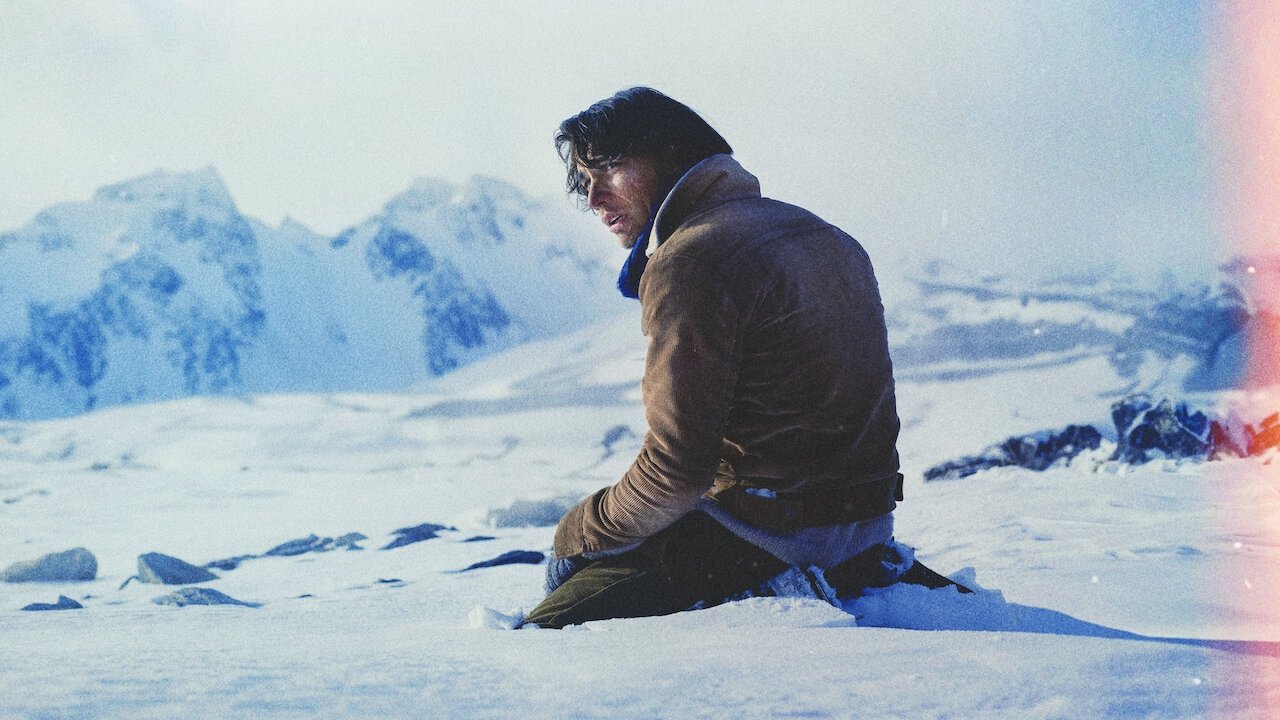
The cinematography by Pedro Luque captures the Andes as a monochromatic nightmare. He uses the scale of the mountains to make the human figures look like ants, emphasizing the total indifference of nature. This isn't a "man vs. nature" story where man wins by being tougher; it’s a story where man survives by becoming as quiet and resilient as the stone around him. Supporting this is a score by Michael Giacchino that is uncharacteristically restrained. He ditches the soaring themes of his Star Trek or Up days for something dissonant and choral, mirroring the spiritual crisis happening on screen.
Stuff You Didn't Notice
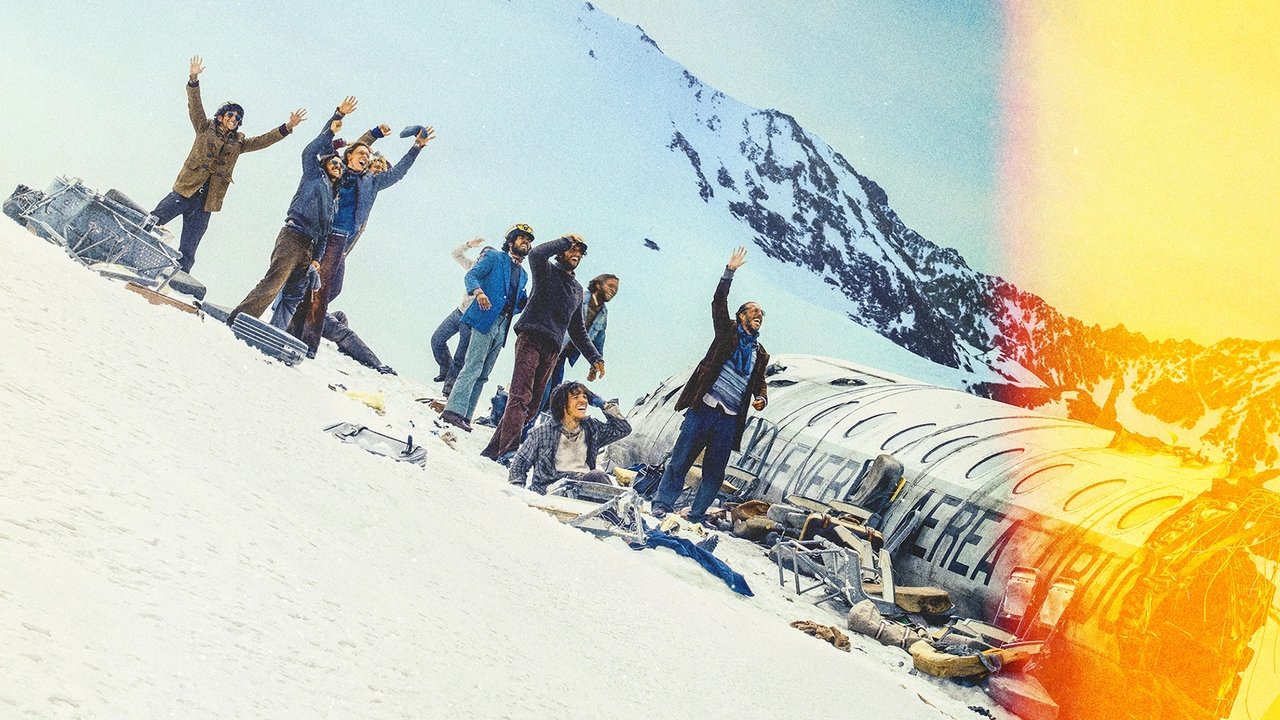
The production went to extreme lengths to honor the real-life "Society." Bayona reportedly recorded over 100 hours of interviews with the survivors and the families of the deceased. This attention to detail extends to the filming locations; while much was shot in the Sierra Nevada in Spain, the crew actually filmed background plates at the "Valley of the Tears"—the exact site of the 1972 crash—to ensure the horizon lines were identical to what the survivors saw.
Furthermore, the film was Spain’s official entry for the Best International Feature Film at the 96th Academy Awards, eventually securing a nomination. It’s a "prestige" film in the truest sense, using the massive reach of a streaming platform to tell a story that feels culturally specific yet universally shattering. It’s a far cry from the franchise-fatigued blockbusters dominating the 2020s; it’s a singular, focused piece of art that demands your full attention—and maybe a few extra blankets.
Society of the Snow is a rare achievement that justifies its existence in a crowded landscape of remakes and true-crime retellings. It asks the terrifying question: Who are you when there is nothing left to be? It doesn’t provide an easy answer, but it offers a beautiful, heartbreaking tribute to the resilience of the human spirit. It’s a film that stays with you long after the credits roll, making your own "problems" feel as small as a footprint in an avalanche.
Keep Exploring...
-
Ford v Ferrari
2019
-
Little Women
2019
-
Spotlight
2015
-

Straight Outta Compton
2015
-

King Richard
2021
-
The Woman King
2022
-
1917
2019
-
Oppenheimer
2023
-
Portrait of a Lady on Fire
2019
-
The Boy Who Harnessed the Wind
2019
-
The Trial of the Chicago 7
2020
-
One Life
2023
-
The Iron Claw
2023
-

I'm Still Here
2024
-
The Wild Robot
2024
-

F1
2025
-
Green Book
2018
-

Love, Simon
2018
-

Five Feet Apart
2019
-
Miracle in Cell No. 7
2019