Sound of Freedom
"Truth is harder to face than fiction."
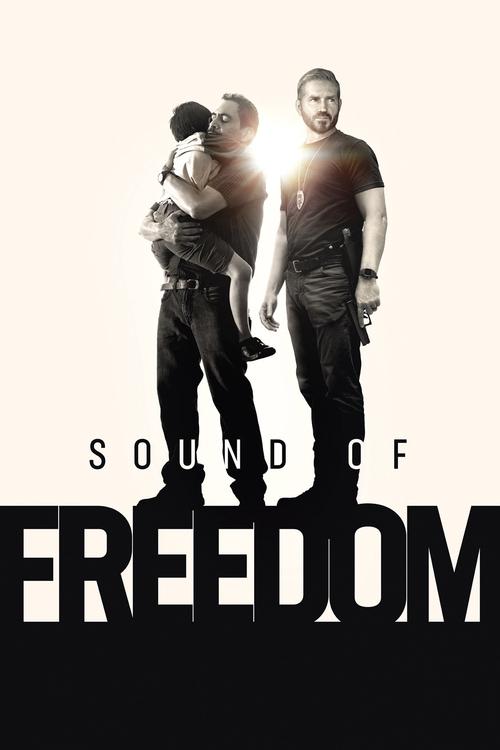
I remember sitting in a theater that smelled faintly of lemon disinfectant—the kind that fails to mask the scent of old butter—and realizing that Sound of Freedom wasn't just a movie; it was a social tectonic shift. While the rest of the world was obsessed with the "Barbenheimer" pink-and-gray aesthetic in the summer of 2023, this low-budget thriller was quietly dismantling box office records. It’s a strange beast of a film, arriving with a tidal wave of outside-the-theater noise that almost makes it hard to actually see the frames on the screen. But if you strip away the social media firestorms and the "pay-it-forward" ticketing schemes, what’s left is a surprisingly disciplined, somber thriller that feels like a throwback to the moral-weight dramas of the 1990s.
The Slow-Burn of Moral Crisis
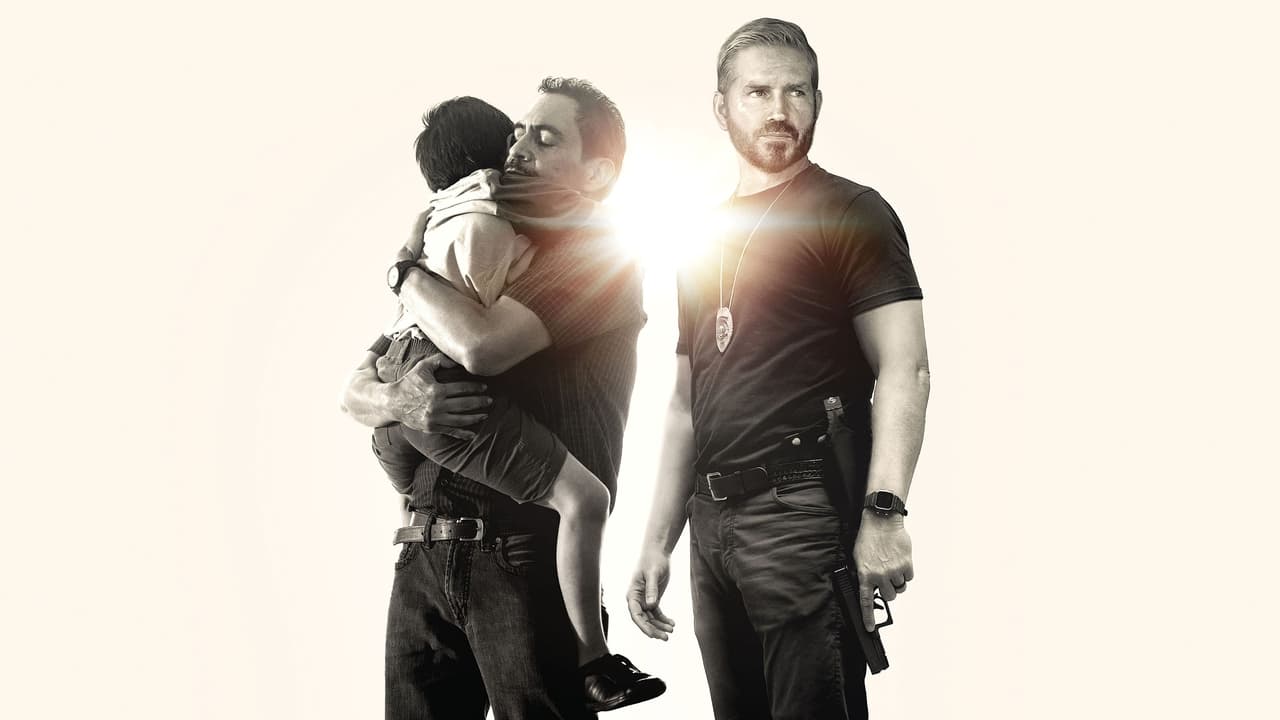
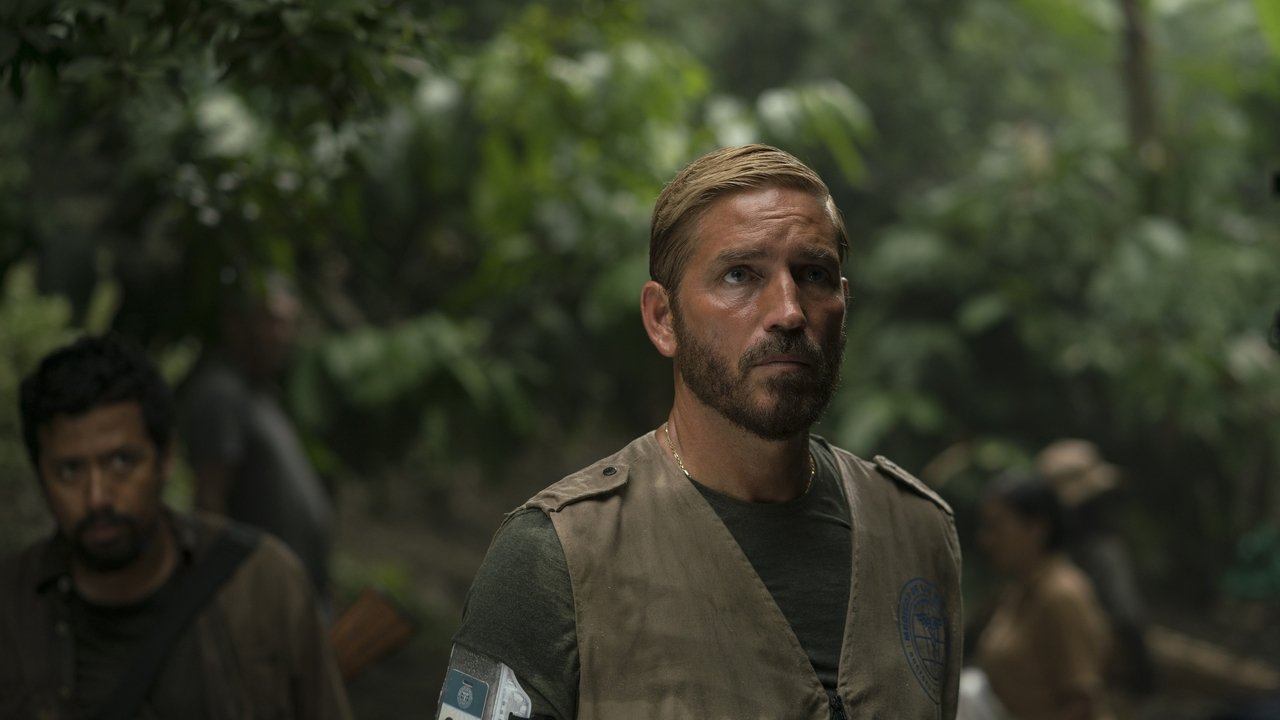
The film follows Tim Ballard, played by Jim Caviezel, a federal agent who grows weary of simply catching the people who consume illicit content and decides he needs to go after the people creating it—specifically those trafficking children. Director Alejandro Monteverde makes a very deliberate choice here: he avoids the "action hero" tropes for most of the runtime. Instead of the high-octane explosive energy you might expect from a "rescue mission" movie, the film leans into a heavy, almost suffocating tension. It’s less John Wick and more a procedural descent into a heart of darkness.
I was struck by how much the film relies on Jim Caviezel’s face. Since his days in Mel Gibson’s The Passion of the Christ, he has mastered a specific look of weary, divine burden. In Sound of Freedom, he uses that stillness to ground a story that could easily have slipped into exploitation. There is a cerebral quality to the way the film handles Ballard's motivation. It isn't just about the "bad guys"; it’s about the soul-crushing realization that a person can look at a child and see a commodity. The film asks us to sit in that discomfort, making the silence in the theater feel heavy and earned.
Crafting the Sting
While the subject matter is harrowing, the actual filmmaking is remarkably slick for a $14 million production. Gorka Gómez Andreu’s cinematography finds beauty in some of the most tragic corners of the world, using a warm, amber palette that contrasts with the icy subject matter. The action, when it does arrive, is handled with a grounded realism. There’s a particular sting operation in a coastal villa that is choreographed with the precision of a heist movie. It’s not about how many bullets fly; it’s about the sweat on a character's brow as they wait for a signal.

The supporting cast does a lot of the heavy lifting. Bill Camp (who I first really noticed as the janitor in The Queen's Gambit) steals every single scene he’s in as Vampiro, a former cartel accountant looking for his own version of redemption. He brings a much-needed grit and cynical wit to a story that can sometimes feel a bit too polished. On the other hand, Mira Sorvino (Mighty Aphrodite) is unfortunately given very little to do as Katherine Ballard other than look worried on a telephone, which feels like a missed opportunity for an actress of her caliber.
The Five-Year Wait and the $250 Million Surprise
Part of the fascination with this film is its journey to the screen. It’s a quintessential "Contemporary Era" story. Originally completed in 2018 under a deal with 20th Century Fox, it was shelved when Disney bought the studio. It sat in limbo for years until the filmmakers bought the rights back. In a landscape dominated by Marvel sequels and legacy IP, a $14 million drama about child trafficking shouldn't have been able to compete.
Yet, it grossed over $250 million. It’s a testament to how modern word-of-mouth—fueled by decentralized marketing and passionate niche audiences—can bypass the traditional Hollywood gatekeepers. The "Pay It Forward" system, where people could buy tickets for others, was an industry-shaking experiment. Whether you think it’s a brilliant populist move or a way to pad numbers, you can’t deny it changed the conversation about how movies get seen in the streaming age.
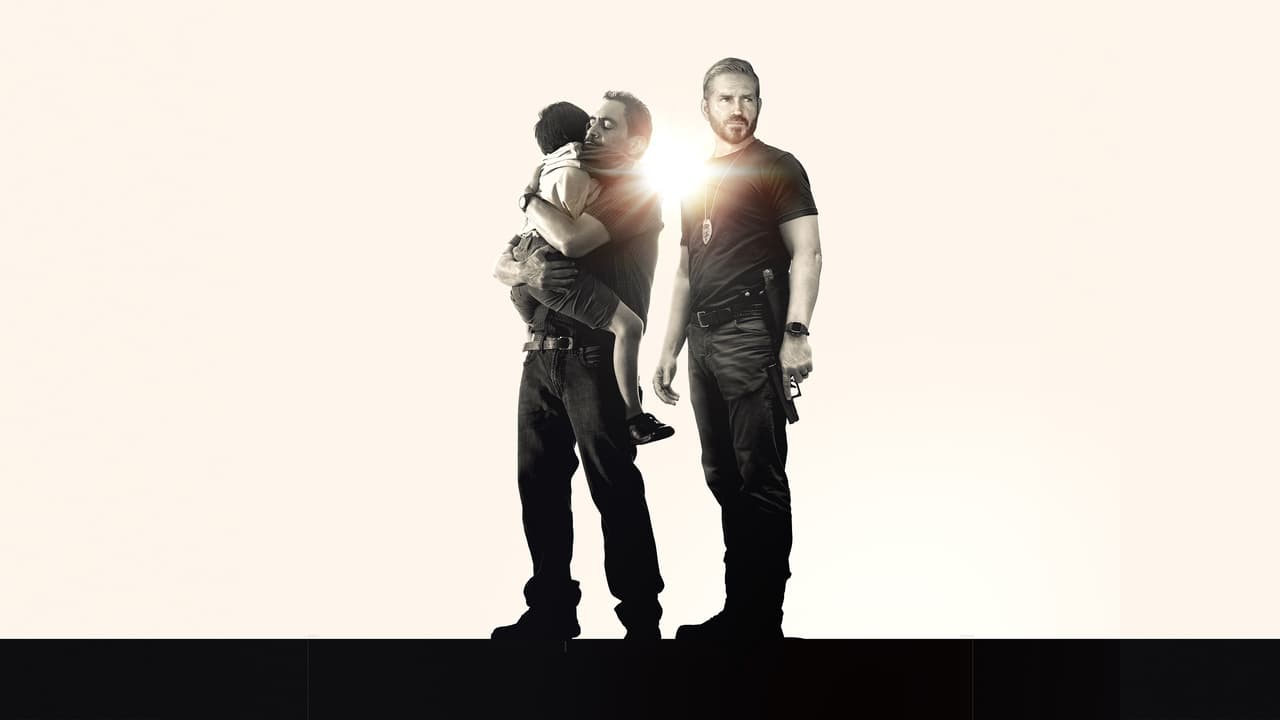
There are certainly flaws. The villains are about as deep as a Saturday morning cartoon, often appearing as one-dimensional monsters without the psychological complexity that would have made the film truly profound. At times, the script leans into a sentimentality that feels a bit forced, but it’s basically Taken for the soul, and that's exactly why it resonated. It’s a movie that wants you to feel a very specific type of righteous anger, and it’s very good at its job.
Ultimately, Sound of Freedom is a film that demands you look at things we’d all rather ignore. It’s not an easy watch, and it’s certainly not "fun" in the traditional sense, but it is a compelling piece of craftsmanship that managed to hijack the cultural zeitgeist. It’s a reminder that even in an era of franchise fatigue, a single, focused story can still command the world's attention if it hits the right nerve at the right time. It leaves you with questions about the nature of modern evil that don't have easy answers, long after the credits roll.
Keep Exploring...
-
Ford v Ferrari
2019
-

The Woman King
2022
-

Gran Turismo
2023
-
The Count of Monte Cristo
2024
-

F1
2025
-

Where the Crawdads Sing
2022
-
Creed II
2018
-
Creed III
2023
-
Creed
2015
-

Demon Slayer -Kimetsu no Yaiba- The Movie: Mugen Train
2020
-

Guardians of the Galaxy Vol. 3
2023
-

How to Train Your Dragon
2025
-
Apocalypto
2006
-

Bāhubali: The Beginning
2015
-

A Taxi Driver
2017
-
Ip Man 4: The Finale
2019
-
Ip Man 3
2015
-

Along with the Gods: The Two Worlds
2017
-

Dunkirk
2017
-

Dragon Ball Super: Broly
2018