Spider-Man: Across the Spider-Verse
"Break the canon. Rewrite the legend."
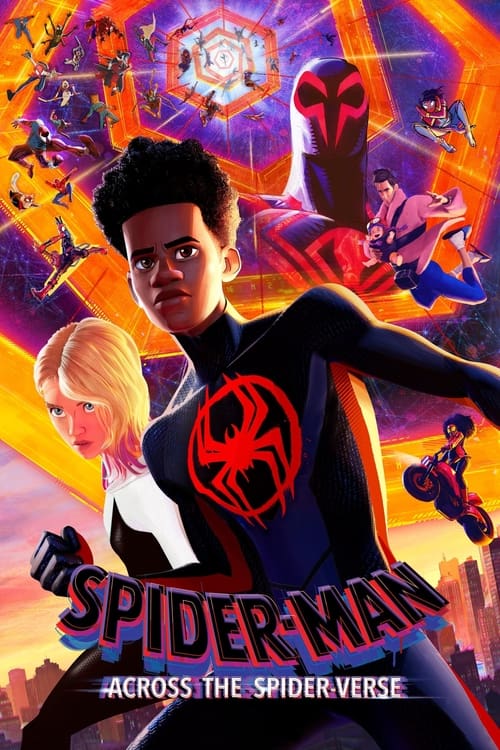
I walked into the theater for Spider-Man: Across the Spider-Verse with a healthy dose of skepticism and a $14 tub of popcorn that was mostly unpopped kernels, but within ten minutes, I was so locked into the screen I didn't even care about the potential dental risk. We live in an era where "multiverse" has become a dirty word—a convenient narrative cheat code used by studios to resurrect dead actors or sell plastic toys. But where other franchises use the multiverse to look backward, directors Kemp Powers, Joaquim Dos Santos, and Justin K. Thompson use it to sprint into a future we aren’t quite prepared for.
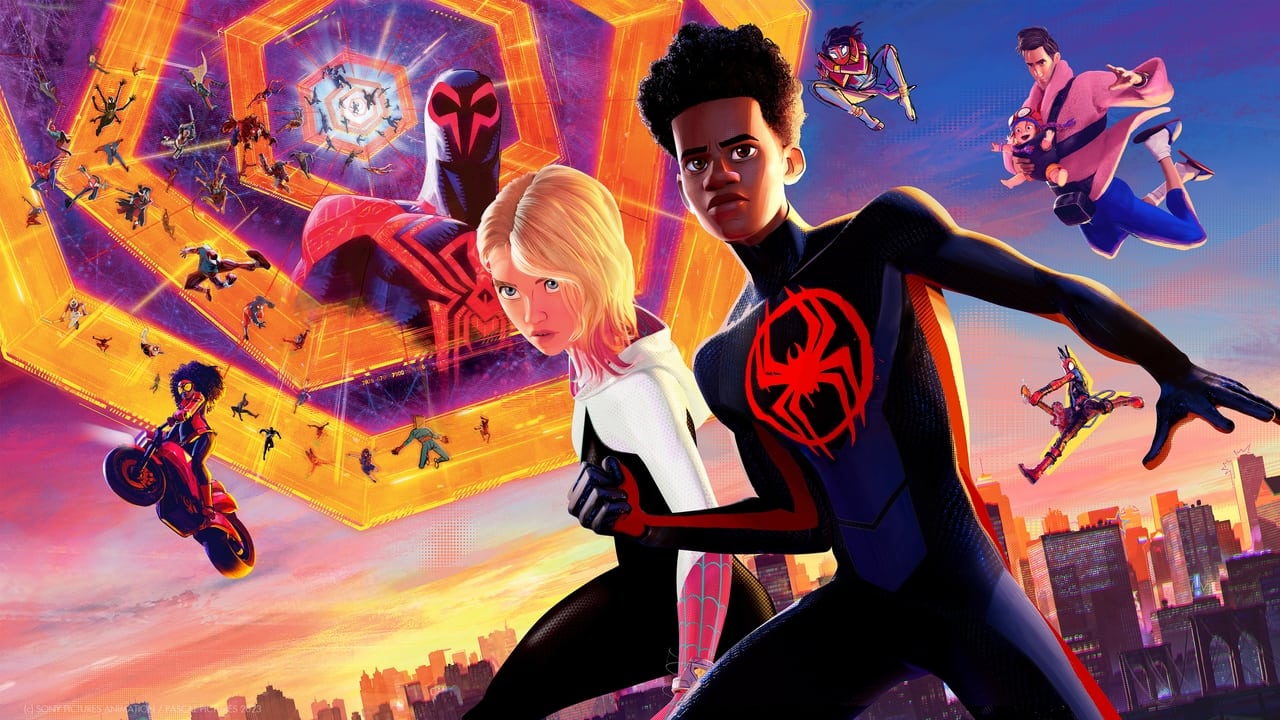
An Assault on the Eyes (In a Good Way)
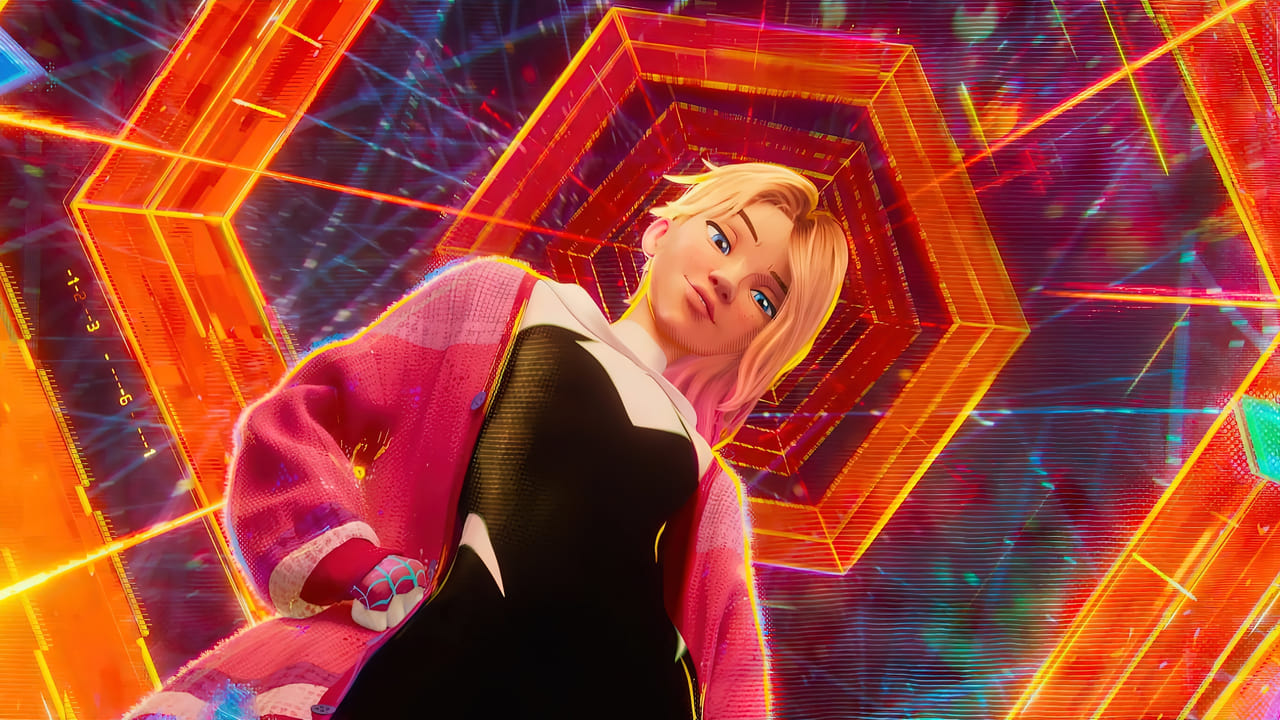
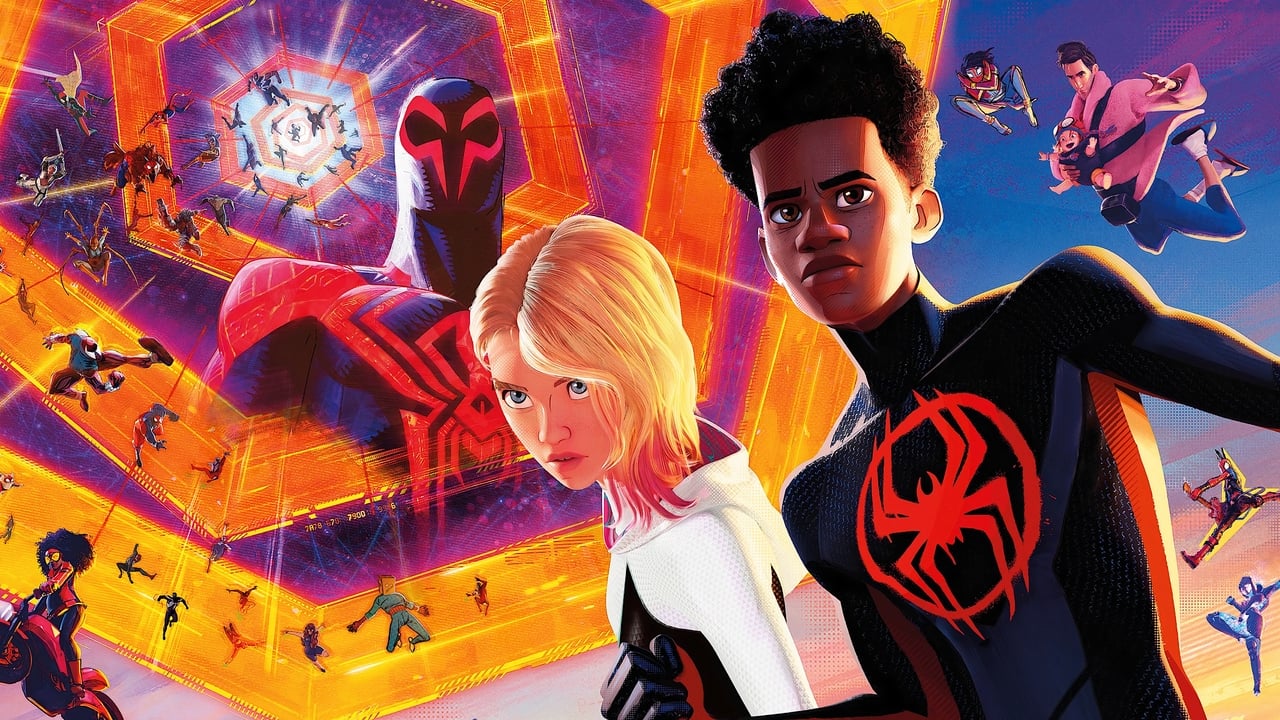
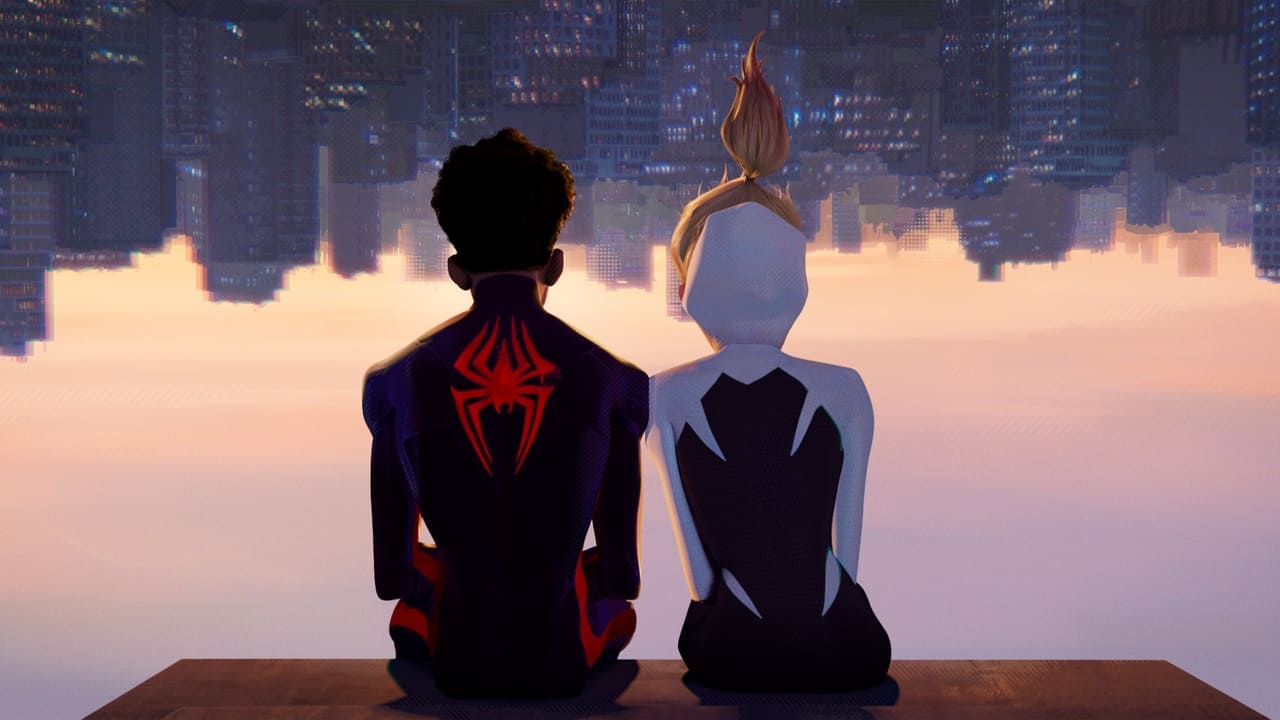
The first thing you have to grapple with is that this movie doesn't look like anything else. It’s not just "good animation"; it’s a radical rejection of the smooth, plastic aesthetic that has dominated the medium since Toy Story. We open in Earth-65, Gwen Stacy’s world, which looks like a mood ring dipped in watercolor. When Hailee Steinfeld’s Gwen gets emotional, the backgrounds literally melt and bleed, shifting from violet to deep indigo based on her relationship with her father. It’s expressive, messy, and deeply human.
Then we drop back into Brooklyn with Miles Morales, voiced with a perfect "growing-pains" rasp by Shameik Moore. The detail here is staggering. You can see the Ben-Day dots on the skin textures and the offset printing errors that make the whole film feel like a comic book brought to life by a madman with a billion-dollar ink budget. In a landscape of "gray-slop" superhero movies, Across the Spider-Verse feels like someone threw a brick through a museum window and told the security guard to start dancing. Most modern blockbusters look like they were filmed in a parking lot with a layer of digital Vaseline, but this film demands you actually look at it.
The Tyranny of the Script
The core of the film—and what makes it "cerebral" in a way most caped-crusader romps avoid—is the concept of "Canon Events." Miles is introduced to the Spider Society, led by a hulking, joyless vampire-Spider-Man named Miguel O’Hara (Oscar Isaac). Miguel’s whole philosophy is built on the idea that every Spider-Person must suffer specific tragedies—the uncle must die, the police captain must fall—to keep the universe from unravelling.
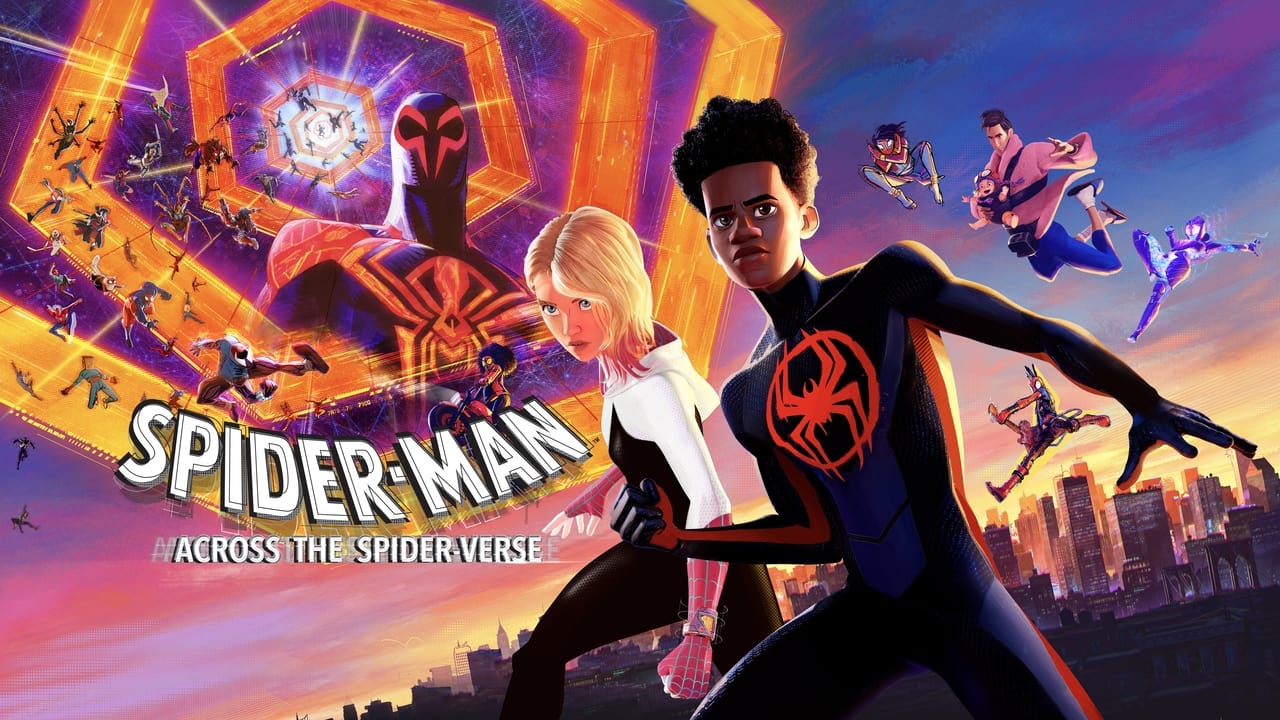
It’s a brilliant bit of meta-commentary by writers Christopher Miller and Phil Lord. They’re essentially arguing with the audience and the history of the character. Is Spider-Man defined by his trauma? Does he have to be a tragic figure to be valid? Miguel is effectively a high-stakes Reddit moderator, trying to keep the "official" story on track, while Miles represents the chaos of a new generation wanting to write their own ending. It turns the movie from a simple chase film into a philosophical debate about predestination versus free will. Miguel O’Hara isn't really a villain; he’s just a man who has let his grief turn into a bureaucratic nightmare.
Scale, Success, and the "Part One" Gamble
The production behind this was a massive undertaking, involving over 1,000 animators—the largest crew ever assembled for an animated feature. The box office reflected the hype, too. While the first film, Into the Spider-Verse, was a sleeper hit that clawed its way to $384 million, this sequel exploded out of the gate, eventually raking in over $690 million worldwide. It’s one of the rare cases where the sequel didn't just double the budget; it tripled the cultural footprint.
However, being a film of its time, it didn't escape the "contemporary" pitfalls. The production was plagued by reports of intense "crunch," with animators reportedly working 100-hour weeks to hit that dizzying level of detail. It’s a sobering reminder of the human cost behind our digital spectacles. Then there’s the ending. In the era of the "two-part finale" (think Dune or Mission: Impossible – Dead Reckoning), Across the Spider-Verse ends on a cliffhanger so abrupt it practically gave the theater collective whiplash. I remember the guy sitting three rows down from me literally shouting "That's it?!" at the screen.
But even with that "To Be Continued" sting, the movie works because of the relationships. The chemistry between Shameik Moore and Hailee Steinfeld provides the emotional tether, while Brian Tyree Henry and Luna Lauren Vélez as Miles’ parents ground the multiverse madness in a very real, very stressful Brooklyn apartment.
This isn't just a great "superhero movie" or a great "animated movie." It’s a landmark of 21st-century craft that challenges the idea of what a blockbuster can be. It asks us to consider if we are the masters of our own stories or just puppets of a "canon" that was written before we were born. Even if the cliffhanger leaves you hanging off a digital ledge, the sheer audacity of the vision makes the wait for the conclusion feel like a penance we’re lucky to pay. If you have eyes and a soul, you need to see this—just watch out for those unpopped kernels.
Keep Exploring...
-
Spider-Man: Into the Spider-Verse
2018
-

Guardians of the Galaxy Vol. 3
2023
-

Everything Everywhere All at Once
2022
-
Transformers One
2024
-

Black Panther
2018
-

Dragon Ball Super: Broly
2018
-

Raya and the Last Dragon
2021
-
The Wild Robot
2024
-
Predator: Badlands
2025
-
Avengers: Infinity War
2018
-
Incredibles 2
2018
-
Ready Player One
2018
-
Avengers: Endgame
2019
-

Spider-Man: Far From Home
2019
-
Spider-Man: No Way Home
2021
-

Avatar: The Way of Water
2022
-

The Bad Guys
2022
-
Justice League Dark: Apokolips War
2020
-
How to Train Your Dragon: The Hidden World
2019
-

Dune: Part Two
2024