Teen Wolf: The Movie
"Old howls never truly fade away."
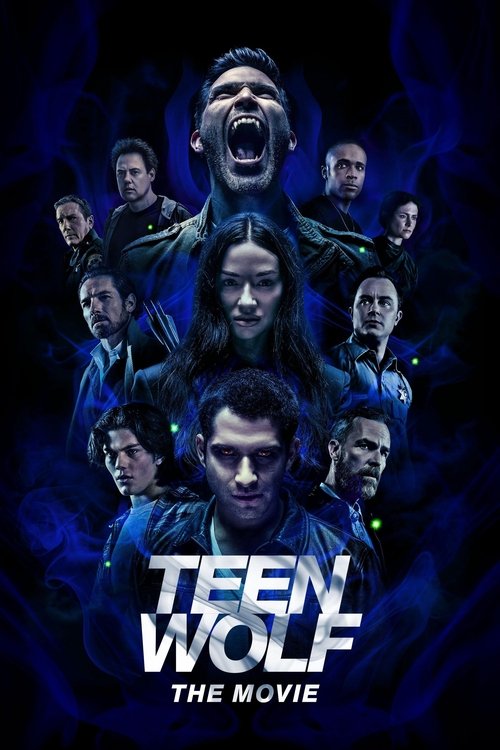
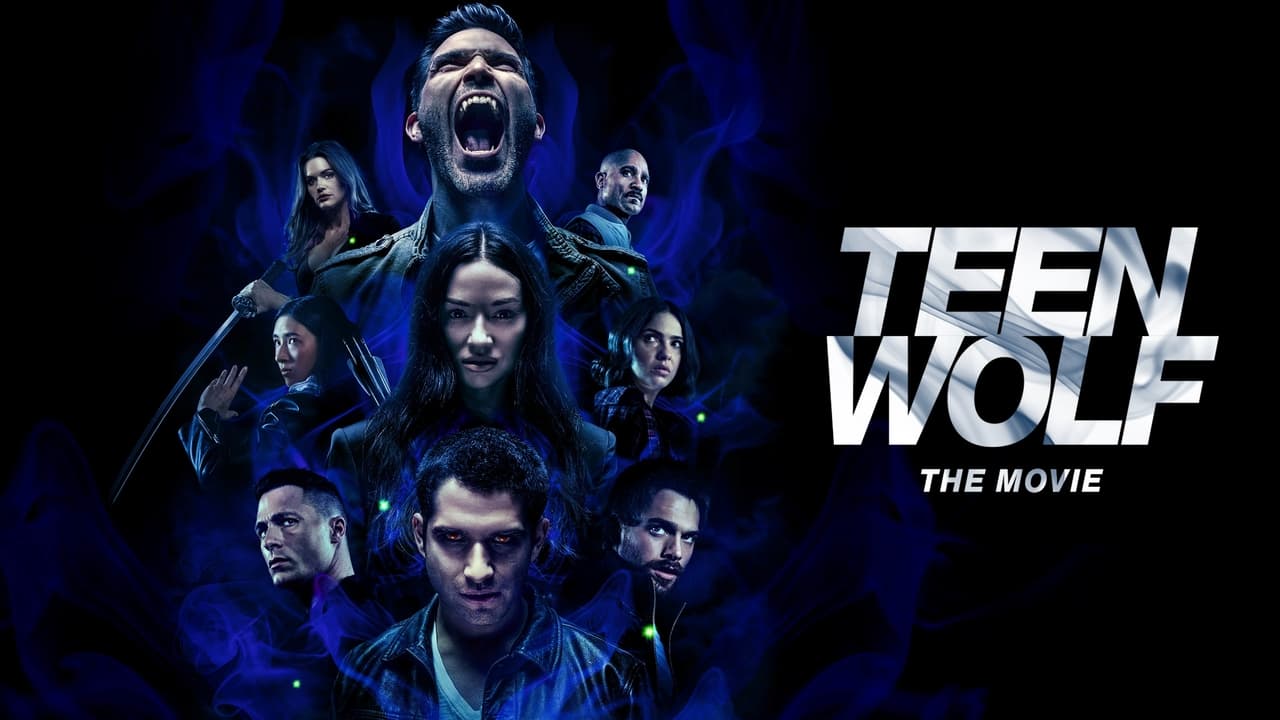
Watching Tyler Posey reprise his role as Scott McCall in Teen Wolf: The Movie felt a lot like attending a ten-year high school reunion where you realize that while everyone has aged, nobody has actually changed. I sat down to watch this on a rainy Tuesday, wearing a Beacon Hills lacrosse hoodie that has definitely seen better days and smelled faintly of the leftover Thai food I’d forgotten on the counter, and for a moment, the nostalgia hit like an Alpha’s claw. But as the 140-minute runtime began to stretch, I found myself grappling with a peculiar modern phenomenon: the "content" movie.
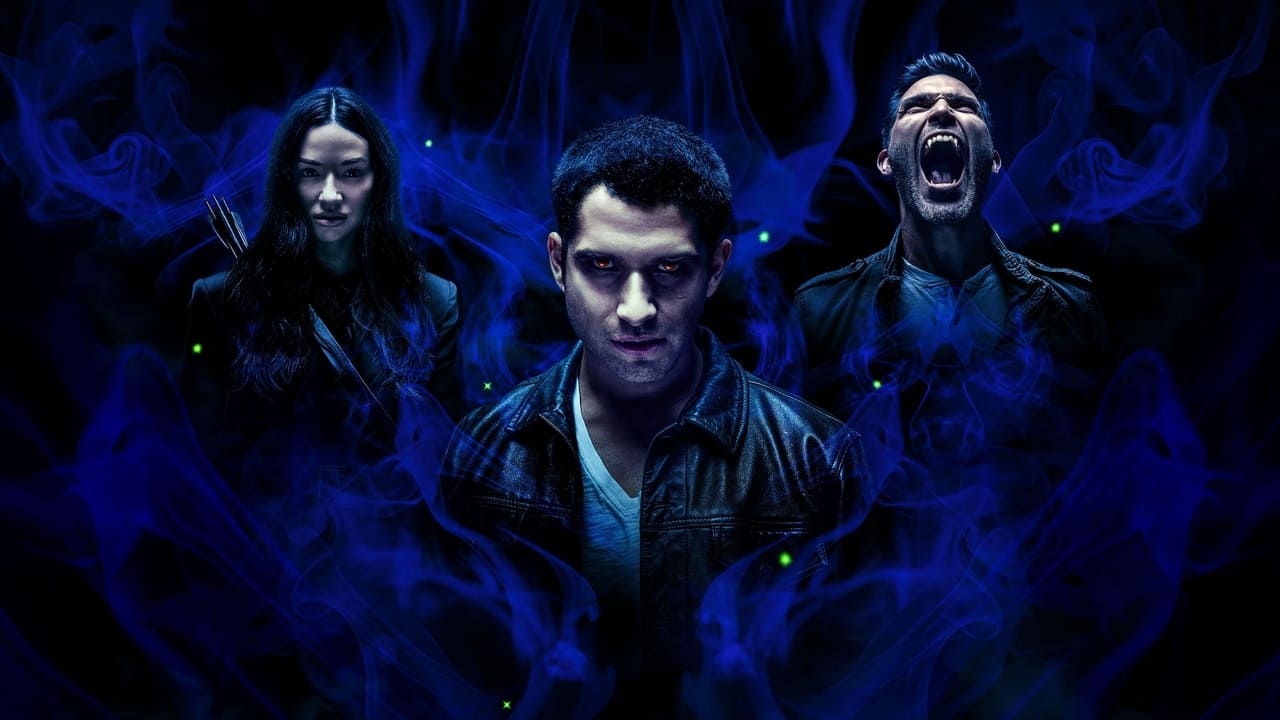
Released in 2023 as a flagship original for Paramount+, this film is a fascinating, if messy, artifact of the streaming era’s insatiable hunger for recognizable IP. It’s a legacy sequel that feels less like a cinematic event and more like a high-budget fever dream produced to pad out a subscription service. It’s a movie that exists because the algorithm knew we missed the 2010s, yet it struggles to justify its own resurrection.
The Weight of a Broken Pack
The plot is a dense thicket of Beacon Hills lore that assumes you’ve spent the last six years refreshing the fan wiki. A mysterious figure manipulates the return of the Nogitsune—the show’s most iconic villain—and somehow, this involves the literal resurrection of Allison Argent (Crystal Reed). Seeing Crystal Reed back on screen is the film’s biggest emotional gambit, and to be fair, she steps back into the role with a feral intensity that outshines much of the surrounding script.
However, there is a glaring, Stiles-shaped hole in the middle of this movie. The absence of Dylan O'Brien (who wisely opted out to focus on other projects like The Outfit) isn't just a casting bummer; it’s a narrative catastrophe. Without the human heart of the original series to ground the supernatural chaos, the film leans heavily on Scott McCall’s stoic Alpha energy. Tyler Posey plays Scott with a weary, adult weight that I actually appreciated. He’s no longer the wide-eyed kid; he’s a man tired of fighting the same ghosts.
There’s a philosophical question buried under the fur and fangs: What happens when a "chosen one" grows up and realizes the cycle never ends? The movie inadvertently becomes a meditation on the burden of leadership and the trauma of a town that refuses to let its protectors move on. It’s almost a meta-commentary on the franchise itself—Beacon Hills, like the production studio, won’t let these people rest.
Mulcahy’s Neon Shadows and Kinetic Chaos
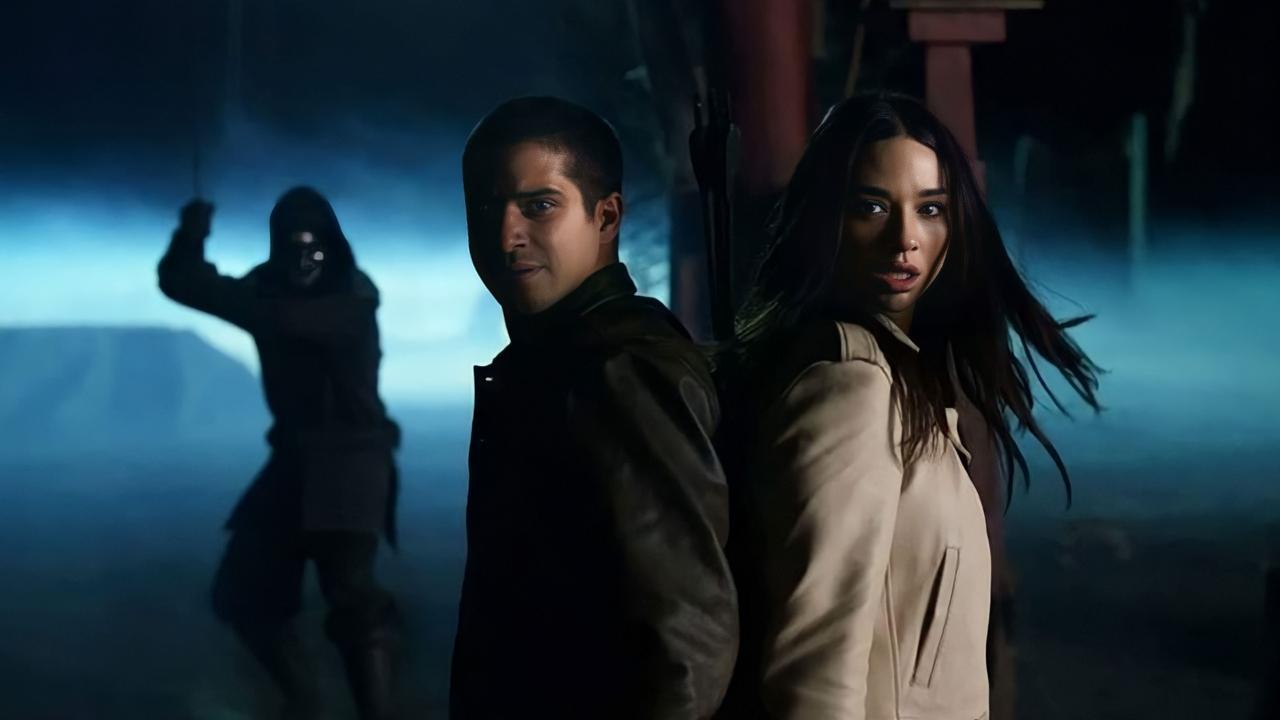
If there’s one reason to watch this, it’s the eye of Russell Mulcahy. The man who gave us Highlander (1986) and directed some of the most iconic music videos of the 80s brings his signature visual flair to the proceedings. Mulcahy loves a silhouette, a lens flare, and a slow-motion hero shot, and even when the CGI looks like it was rendered on a communal office laptop, his staging keeps things moving.
The action choreography is where the film tries to earn its "Movie" suffix. The fights are more brutal than their MTV predecessors, utilizing the lack of broadcast standards to add some much-needed crunch to the werewolf brawls. One sequence involving Tyler Hoechlin’s Derek Hale—who has transitioned into a full-blown "Dad Wolf" role—is particularly effective. Hoechlin, fresh off his success in Superman & Lois, brings a grounded, physical gravitas to the stunts that makes the supernatural stakes feel tangible.
Yet, the pacing is a slog. At 140 minutes, it’s significantly longer than most theatrical blockbusters, and you feel every second of it. It’s paced like three episodes of television stitched together, lacking the rhythmic escalation a true film requires. The momentum often stalls for subplots involving the next generation of wolves that nobody actually asked for, making the movie feel like a backdoor pilot for a spin-off that may never come.
An Artifact of the Streaming Gold Rush
In the grander context of contemporary cinema, Teen Wolf: The Movie is a textbook example of "Franchise Saturation." It’s a film that ignores the theatrical experience entirely, designed for a "second-screen" audience that tweets through the plot holes. This isn’t a criticism of the fans, but of a production model that prioritizes "engagement" over narrative cohesion.
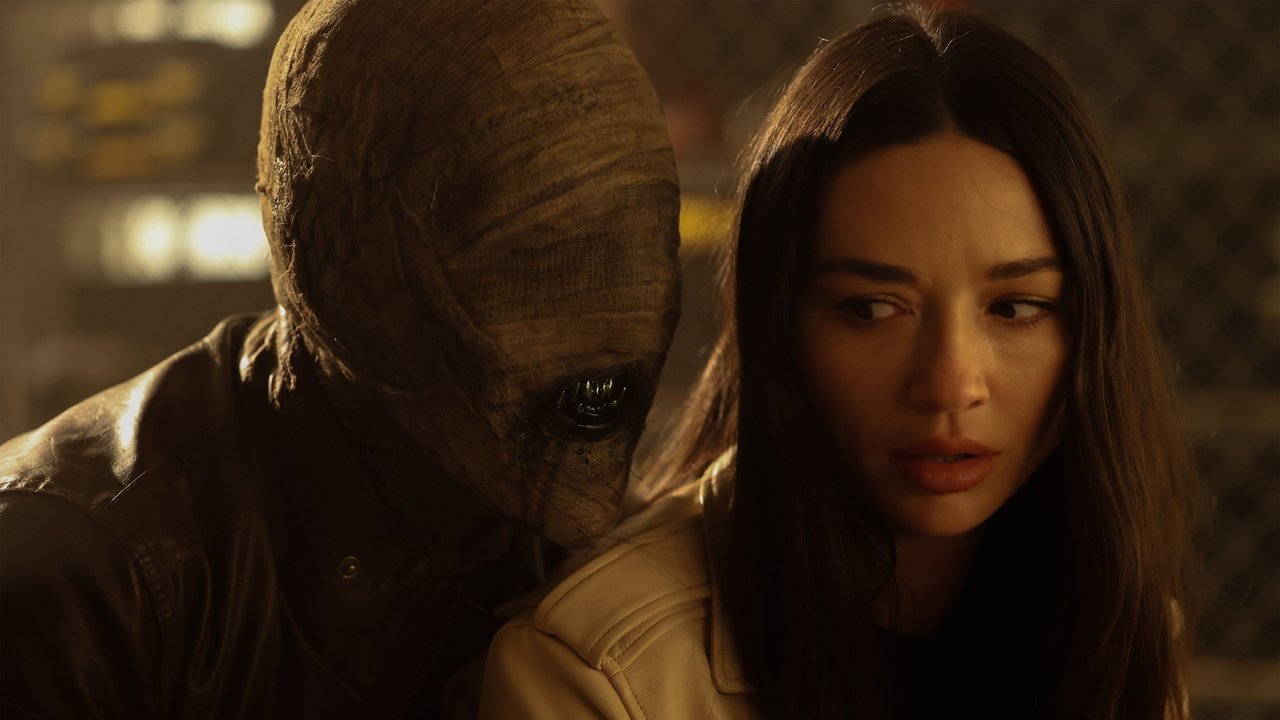
Despite its flaws, there is a strange, cultish charm to seeing Holland Roden as Lydia Martin or JR Bourne as the perpetually stressed Chris Argent again. It’s a reminder that these actors genuinely inhabited these characters. There’s a scene where the pack reunites in a clearing that, despite the choppy editing, made me realize that I do care about these idiots, even if their story should have ended in 2017.
Ultimately, the film is a casualty of its own era—a digital-only release that will likely be forgotten by the general public in five years, preserved only by the die-hard fans who grew up with the show. It’s a "half-forgotten oddity" in the making, a relic of that specific window in time when every streaming service tried to reboot every 2000s property they owned.
If you spent your formative years debating whether Scott or Stiles was the better lead, you’ve probably already seen this. If you didn’t, this movie will be an impenetrable wall of glow-eyed nonsense. It’s a flawed, overlong, but occasionally heartfelt attempt to go home again. Just don't expect the homecoming to be as smooth as the original prom night. The pack is back, but they’re definitely feeling the joint pain of middle age, and frankly, so am I.
Keep Exploring...
-
Miraculous World: New York, United HeroeZ
2020
-
Descendants 3
2019
-
Justice League Dark: Apokolips War
2020
-
My Hero Academia: Two Heroes
2018
-
The Seven Deadly Sins: Prisoners of the Sky
2018
-
Miraculous: Ladybug & Cat Noir, The Movie
2023
-
Mortal Kombat Legends: Scorpion's Revenge
2020
-

How to Train Your Dragon
2025
-
My Hero Academia: Heroes Rising
2019
-
Jujutsu Kaisen 0
2021
-
How to Train Your Dragon: Homecoming
2019
-

Troll
2022
-
Batman vs. Robin
2015
-
Justice League vs. Teen Titans
2016
-
Descendants 2
2017
-
Justice League Dark
2017
-
A Whisker Away
2020
-
The Boy and the Beast
2015
-
Raya and the Last Dragon
2021
-

Wizards of Waverly Place: The Movie
2009