Tetris
"Falling blocks, rising stakes, and the Iron Curtain."
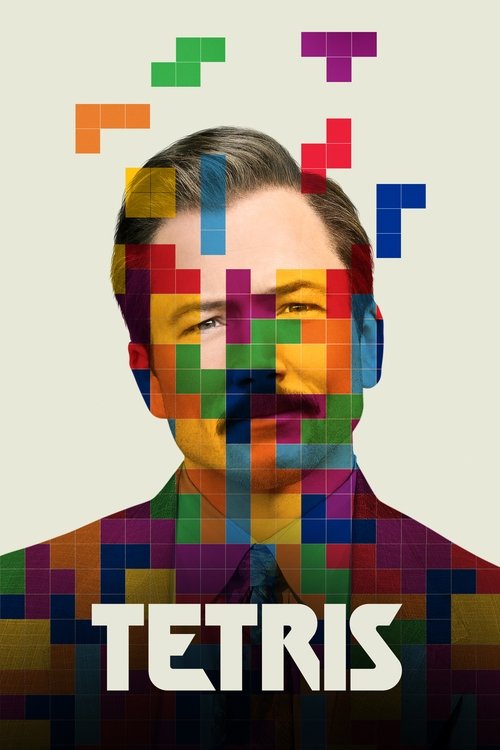
I spent a significant portion of my childhood hunched over a translucent purple Game Boy, my thumbs calloused and my brain permanently rewired to see how physical objects might slot together to disappear into thin air. I never once considered that the game I was playing was the byproduct of a high-stakes, Cold War-era legal heist. I just wanted to clear four lines at once. Watching Jon S. Baird’s Tetris, I realized I was blissfully unaware that my favorite handheld distraction nearly triggered a diplomatic incident between Nintendo and the Soviet Union.

I actually watched this film on my iPad while sitting in a dentist’s waiting room, which felt fittingly cramped and anxiety-inducing given the suffocating Soviet architecture and claustrophobic office spaces that dominate the screen. It’s a strange beast of a movie—part corporate biopic, part espionage thriller, and entirely obsessed with the granular details of intellectual property law.
A Game of Geopolitical Jenga
In the current landscape of "brand biopics"—an oddly specific trend that gave us Air, Blackberry, and even the surprisingly watchable Flamin' Hot—Tetris stands out by being much darker than its colorful title suggests. We aren’t just watching a guy try to sell a shoe or a phone; we’re watching Taron Egerton (who played Elton John in Rocketman) as Henk Rogers, a man who bets his entire life, his family’s house, and his physical safety on the rights to a game he didn't even invent.
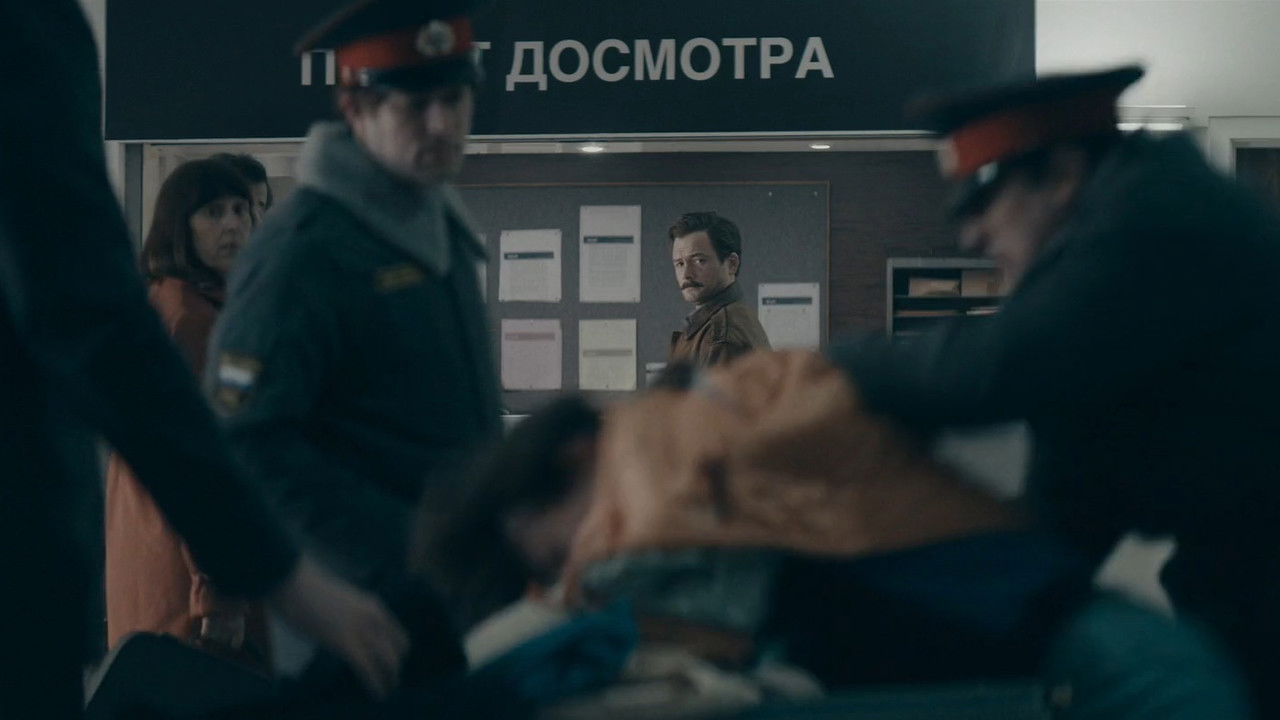
The film treats the acquisition of handheld rights as if it were a mission to recover stolen nukes. Rogers travels to Moscow on a tourist visa, walking straight into a hornet's nest of KGB surveillance and Gorbachev-era corruption. The stakes are portrayed with a surprising amount of gravity. This isn't a whimsical "lightbulb moment" story. It’s a story about a man who realizes he’s trapped in a system designed to crush the individual, trying to negotiate with a government that doesn’t believe in private property. The movie treats a contract negotiation with the same intensity most films reserve for a bomb disposal scene.
The Soul Beneath the Pixels
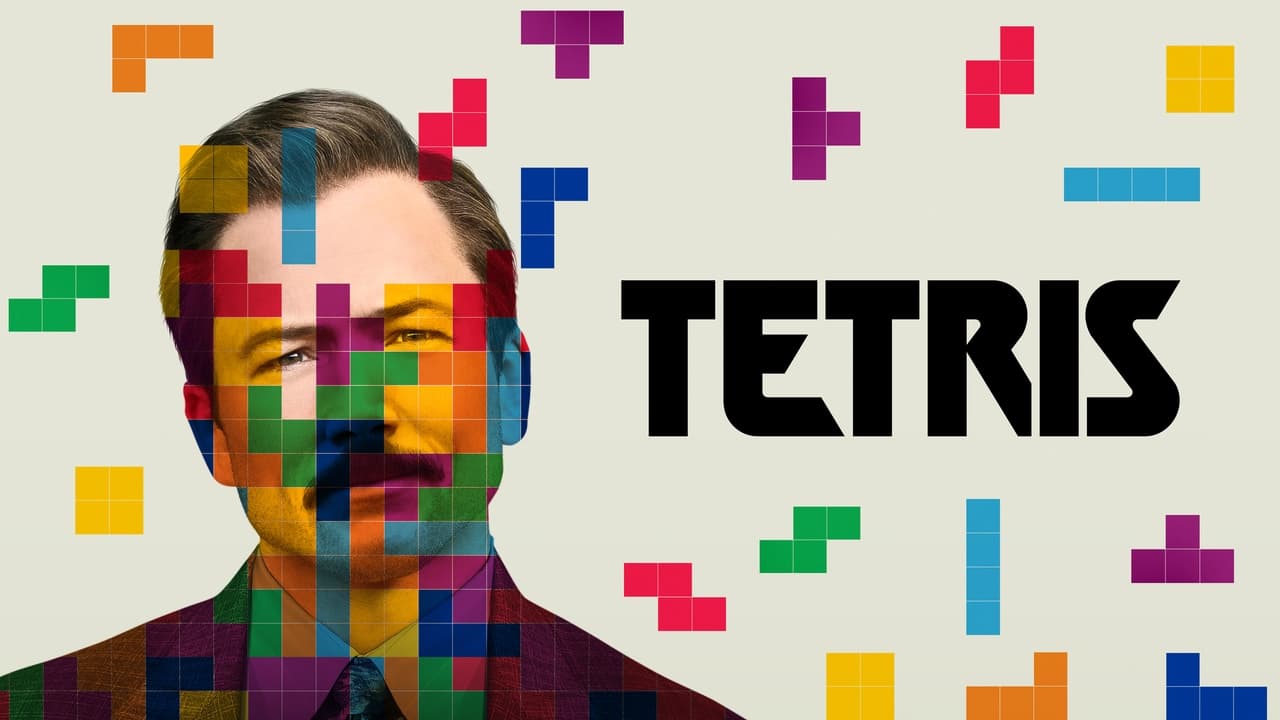
While Taron Egerton provides the manic, sweaty energy of a salesman who has run out of exits, the real heart of the film is Nikita Efremov as Alexey Pajitnov, the humble programmer who created the game in his spare time at the Soviet Academy of Sciences. Their friendship is the only thing that keeps the movie from feeling like a dry recitation of legal filings. Nikita Efremov plays Alexey with a weary, soulful resignation that perfectly counters Egerton’s American "go-getter" bluster.
The villains are almost cartoonishly loathsome, particularly Anthony Boyle as Kevin Maxwell and Ben Miles as the media mogul Robert Maxwell. They represent the worst of Western corporate greed, acting as a mirror to the corrupt Soviet officials they're trying to bribe. Watching these two parties try to out-slime each other while Rogers and Pajitnov just want the world to see a great piece of art provides a solid moral anchor. Anthony Boyle plays Kevin Maxwell with such a punchable level of entitlement that you’re practically rooting for the KGB to intervened.
8-Bit Espionage and Modern Sensibilities
Director Jon S. Baird makes a bold choice by layering 8-bit animations over the film to introduce characters and locations. It’s a stylistic flourish that could have been incredibly annoying, but it helps break up the bleak, grey-filtered aesthetic of 1980s Moscow. It reminds us that despite the threat of the gulag, we are ultimately talking about a video game.
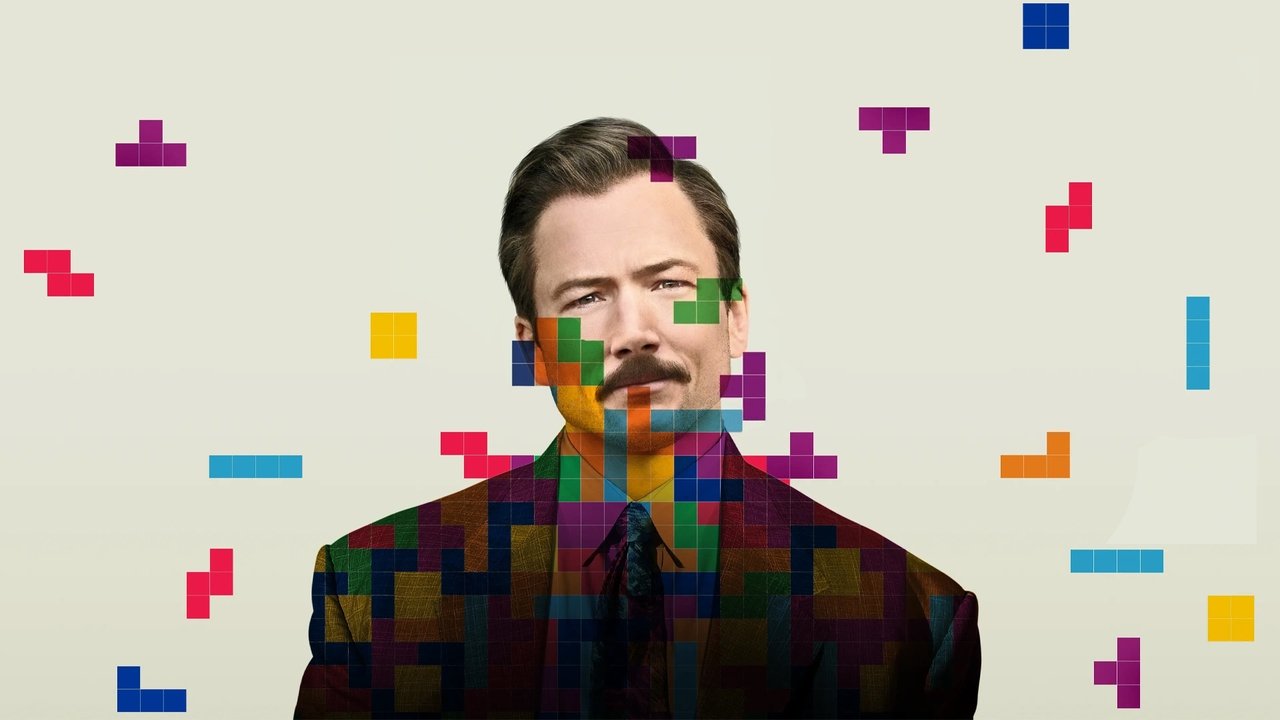
However, being a product of the current streaming era, Tetris can’t help but lean into some modern tropes. The third act features a high-speed car chase through the streets of Moscow that feels like it belongs in a different movie entirely. It’s the kind of "Hollywood-ization" that feels necessary for a big Apple TV+ release but flies in the face of the grounded, gritty tension established in the first two acts.
The film also engages with the modern obsession with origin stories. In an age where we want to know where every piece of our childhood came from, Tetris provides a surprisingly complex answer. It isn't just a "win for capitalism"; it’s a story about how a piece of software managed to bridge a gap between two ideologies that were ready to blow each other up.
Interestingly, the production had to pivot heavily due to real-world events. While set in Moscow, it was filmed almost entirely in Scotland because, well, filming a Western production in Russia became a political impossibility during the shoot. You can occasionally tell—the Soviet Union has never looked quite so much like Glasgow—but the production design does a heroic job of making you feel the chill of the Cold War.
Tetris succeeds because it understands that the most interesting thing about the game isn't the blocks—it's the people who moved mountains to put them in our hands. It manages to make contract law feel like a blood sport, even if it occasionally trips over its own feet trying to be an action movie in the final stretch. If you can handle a few historical liberties and a lot of Men in Grey Suits shouting about "sub-clauses," it’s a remarkably gripping watch. It’s a reminder that sometimes, the most dangerous thing you can do is try to share something fun with the rest of the world.

Keep Exploring...
-
Official Secrets
2019
-
22 July
2018
-
An Officer and a Spy
2019
-

Hotel Mumbai
2019
-

The Professor and the Madman
2019
-

Escape from Pretoria
2020
-
The Courier
2020
-

Detroit
2017
-

Operation Finale
2018
-
Т-34
2018
-

Burning
2018
-

Mirage
2018
-
The Guilty
2018
-

The Traitor
2019
-

Black Box
2021
-
The Mauritanian
2021
-
Emancipation
2022
-

November
2022
-

The Outfit
2022
-

Thirteen Lives
2022