The Boy and the Heron
"Build your own world, or be consumed by the old one."
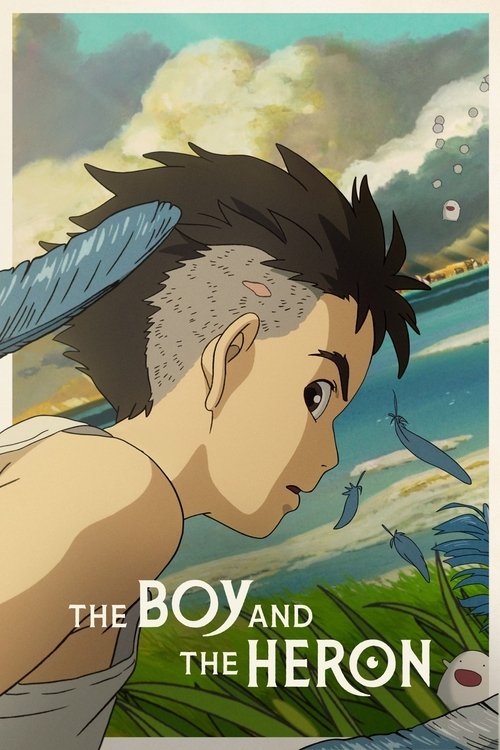
When Hayao Miyazaki announced his retirement back in 2013 after The Wind Rises, I did what every Ghibli fan does: I mourned, I bought a commemorative art book, and then I waited for him to inevitably change his mind. The man has "retired" more times than a heavyweight boxer, but with The Boy and the Heron, there was a different weight to the silence. It took seven years to hand-animate this film, and for a long time, we didn't even know what it was called. I finally caught this in a theater where the guy sitting next to me was wearing a Totoro onesie and smelled faintly of damp cedar, which, honestly, is the only way to truly experience a Ghibli premiere.
The Boldest Marketing Move of the Decade
In an era where movie trailers usually give away the entire plot, the third act twist, and the best jokes before you’ve even bought your popcorn, Studio Ghibli did the unthinkable: they released nothing. No trailers, no stills, no voice cast announcements. Just a single, cryptic sketch of a bird-man. It was a massive gamble for a film with a reported $50 million budget—making it the most expensive production in Japanese history—but it worked.
The hype was built on pure, unadulterated trust. We weren't buying a ticket for a "franchise installment"; we were buying a ticket for a Miyazaki experience. It was a refreshing middle finger to the algorithm-driven marketing of the 2020s. By the time the lights dimmed, I realized I had no idea if I was about to watch a lighthearted romp or a soul-crushing tragedy. That kind of cinematic blind date is a rare gift these days.
A Masterpiece Painted by Hand
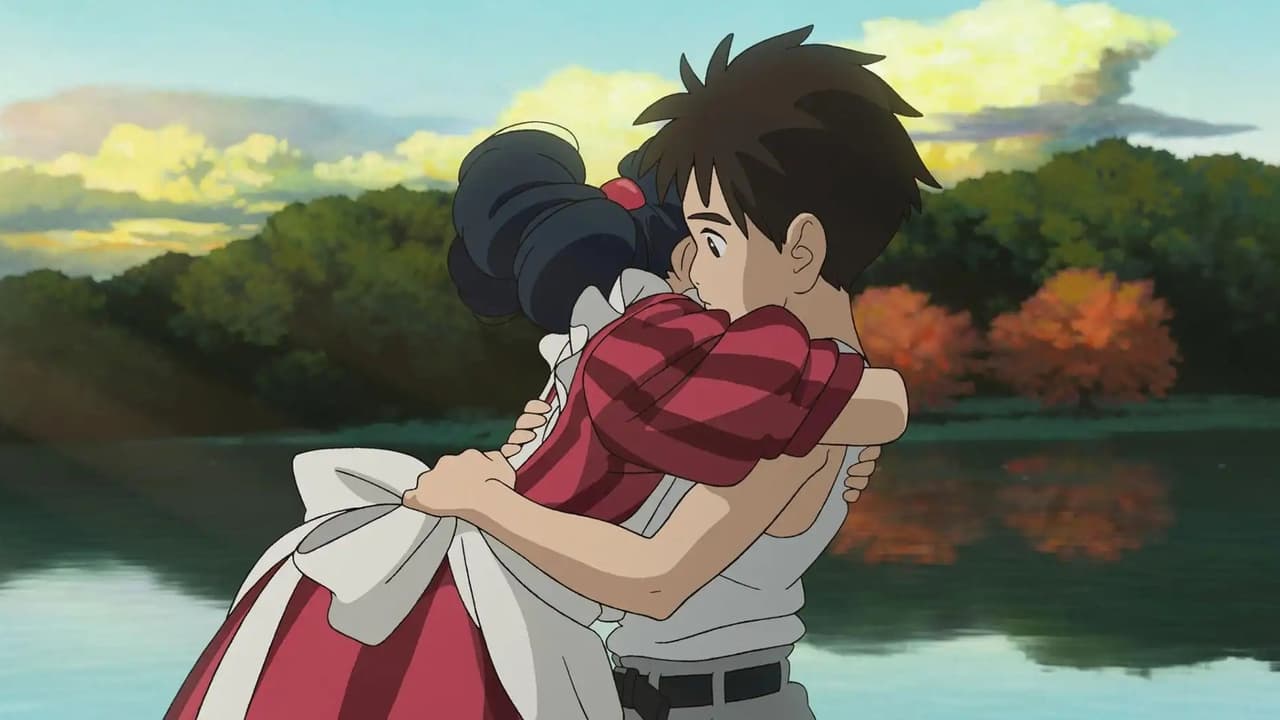
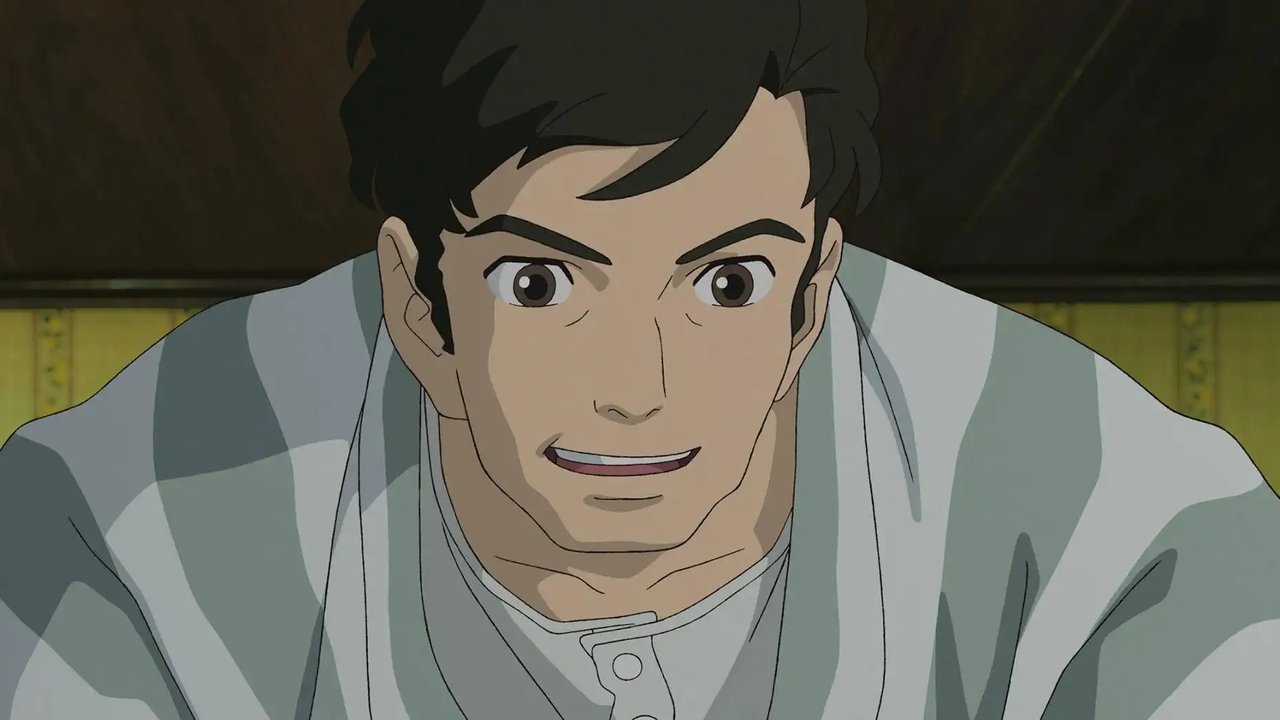
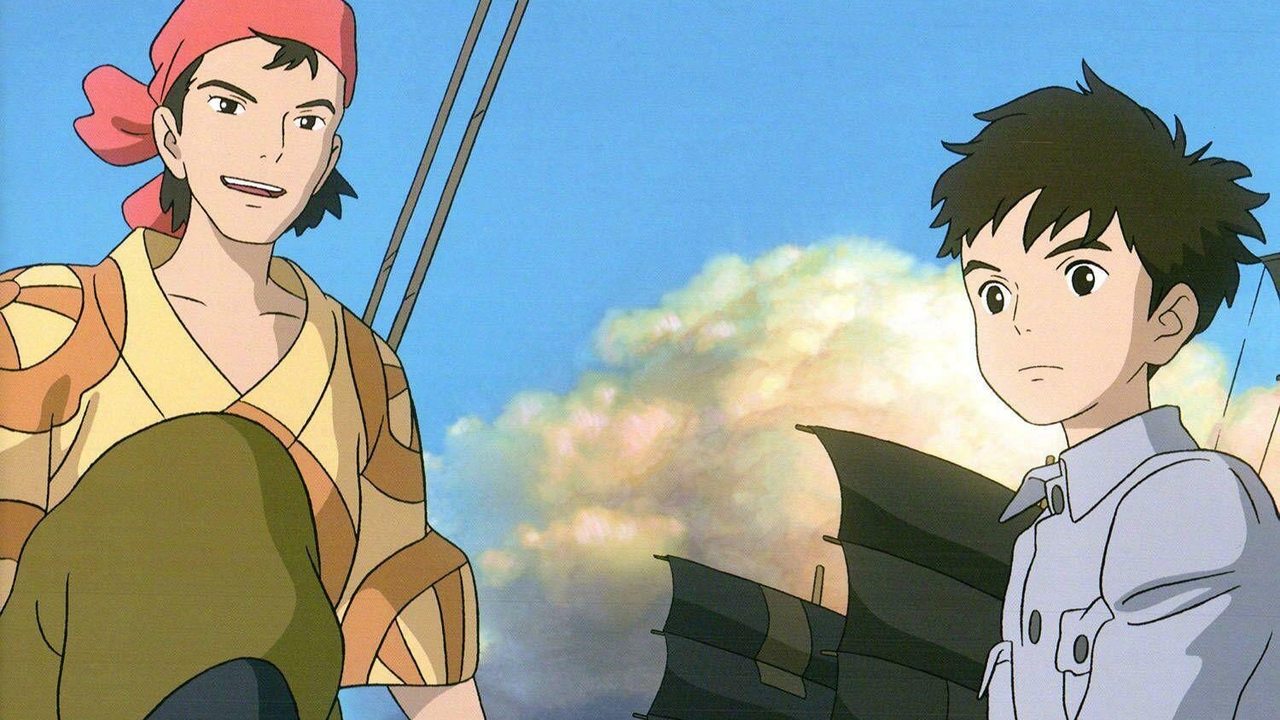
The story follows Mahito, voiced with a delicate, fractured stoicism by Soma Santoki. It’s 1943, and after losing his mother in a hospital fire during the bombing of Tokyo, Mahito is whisked away to a rural estate by his father, Shoichi (Takuya Kimura). His father has already remarried his late wife's sister, Natsuko, and the awkwardness is thick enough to cut with a katana.
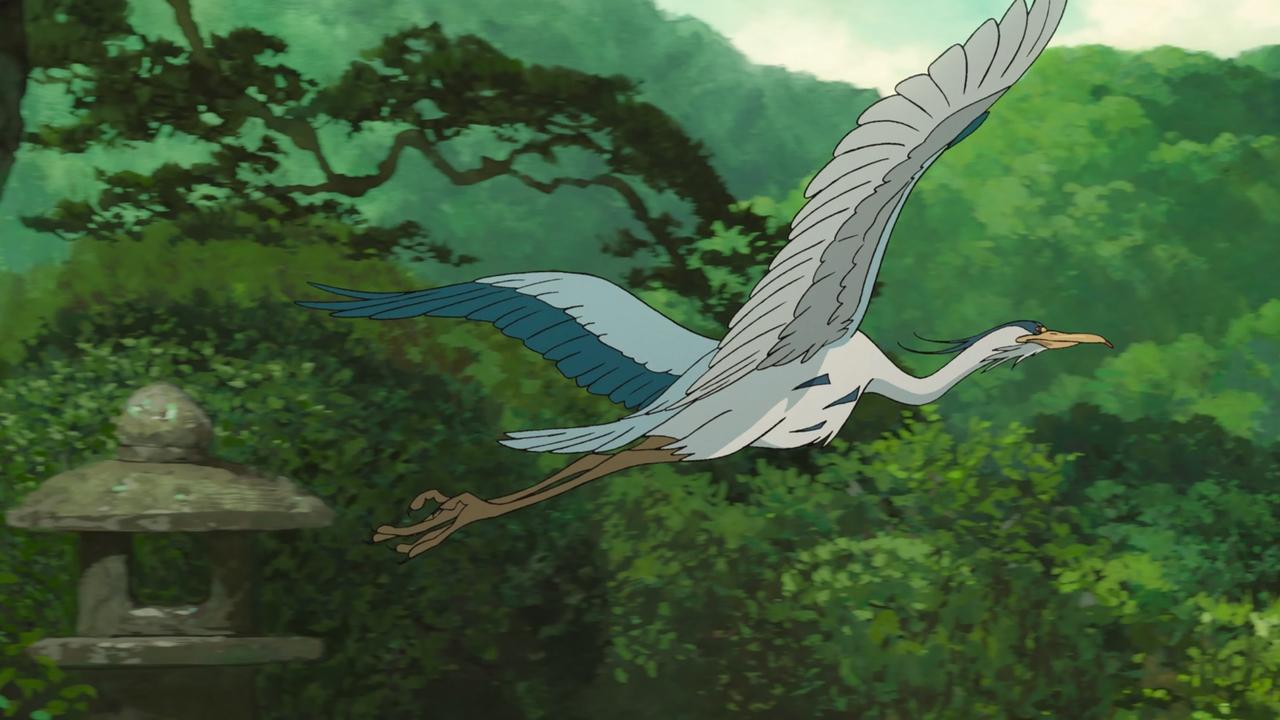
Then comes the Heron. Masaki Suda voices this creature with a raspy, grotesque energy that is a far cry from the majestic animals of Princess Mononoke. This heron is a jerk. He’s a liar, he’s creepy, and he looks like he’s wearing a human suit he bought at a thrift store. He lures Mahito into a mysterious tower built by a long-lost granduncle, promising a reunion with his mother.
What follows is a descent into a dreamscape that feels like Miyazaki took every motif he’s ever loved—warped space, adorable spirits (the Warawara), and terrifyingly domestic birds—and turned the dial to eleven. The parakeets in this movie? They are basically a feathered version of a fanatical Twitter mob, and I loved every unsettling second of it.
The Weight of a Legacy
While the fantasy elements are dazzling, the heart of the film is a heavy, contemporary drama about grief. It’s no secret that Miyazaki infused this with autobiography; his own father worked at a factory making fighter plane canopies, just like Mahito’s dad. You can feel the director grappling with his own legacy. The "Granduncle" in the film is a creator trying to find a successor to maintain his magical world, and it’s impossible not to see Miyazaki himself in that role, looking at the future of animation and wondering if anyone is left to hold the blocks together.
The animation quality is, quite frankly, a flex. In a post-CGI world, seeing the way water ripples or how fire consumes a room with hand-drawn precision is breathtaking. It’s reported that the production team only completed about one minute of animation per month. That level of obsession is visible in every frame. Joe Hisaishi’s score also takes a different route here—it’s more minimalist and piano-driven than his sweeping orchestral work for Spirited Away, providing a contemplative, almost lonely atmosphere that stuck with me long after I left the theater.
Stuff You Didn't Notice
- The Long Game: Production started in 2016. Because of Miyazaki's age and the complexity of the frames, there was no hard deadline. It’s a "it’s done when it’s done" masterpiece that defies the "churn-it-out" streaming model. - Box Office Goliath: Despite the lack of ads, it smashed records, becoming the first original anime production to top the US box office and eventually hauling in over $294 million worldwide. - The Voice Behind the Beak: In the Japanese version, Masaki Suda (the Heron) reportedly practiced his bird-like squawks for weeks to get that specific, irritating rasp. - The Oscar Sweep: This film secured Miyazaki his second competitive Academy Award for Best Animated Feature, twenty-one years after his win for Spirited Away.
I walked out of the theater feeling like I’d just woken up from a dream that made perfect sense while I was in it, but became beautifully blurry the moment I tried to explain it. It’s a demanding watch—it doesn't hold your hand, and it doesn't offer easy answers about life or death. But in an era of "content" designed to be consumed and forgotten, The Boy and the Heron is a towering achievement of pure, uncompromising art. It’s a film that asks what kind of world you want to build with the time you have left, and honestly, I’m still trying to figure out my answer.

Keep Exploring...
-
Castle in the Sky
1986
-
Kiki's Delivery Service
1989
-
Porco Rosso
1992
-

Howl's Moving Castle
2004
-
Frozen II
2019
-
The Croods: A New Age
2020
-

Minions: The Rise of Gru
2022
-
Puss in Boots: The Last Wish
2022
-
The Super Mario Bros. Movie
2023
-
Moana 2
2024
-
The Boy and the Beast
2015
-
Princess Mononoke
1997
-
Ponyo
2008
-
The Lion King
2019
-
Onward
2020
-
Soul
2020
-
Trolls World Tour
2020
-
Luca
2021
-
Raya and the Last Dragon
2021
-
Suzume
2022