The Flash
"A frantic race against a collapsing cinematic universe."
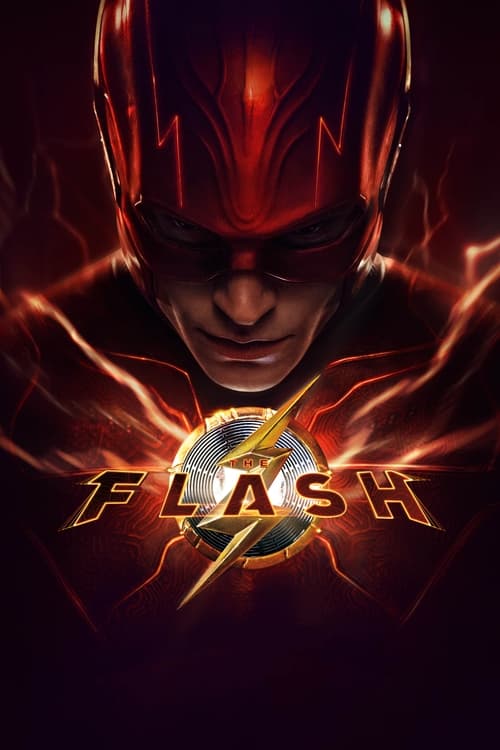
Walking into a screening of The Flash felt less like attending a movie premiere and more like witnessing a high-stakes forensic audit of a dying franchise. For years, this project was the "In Case of Emergency, Break Glass" solution for DC’s convoluted timeline, surviving a rotating door of directors and the increasingly radioactive headlines surrounding its lead star. By the time it actually hit screens in 2023, the sheer amount of baggage it carried was enough to stall even the fastest man alive. I watched this on a Tuesday afternoon while wearing a hoodie that smelled faintly of old dryer sheets, which felt appropriate for a movie so obsessed with the domestic comfort of the past.
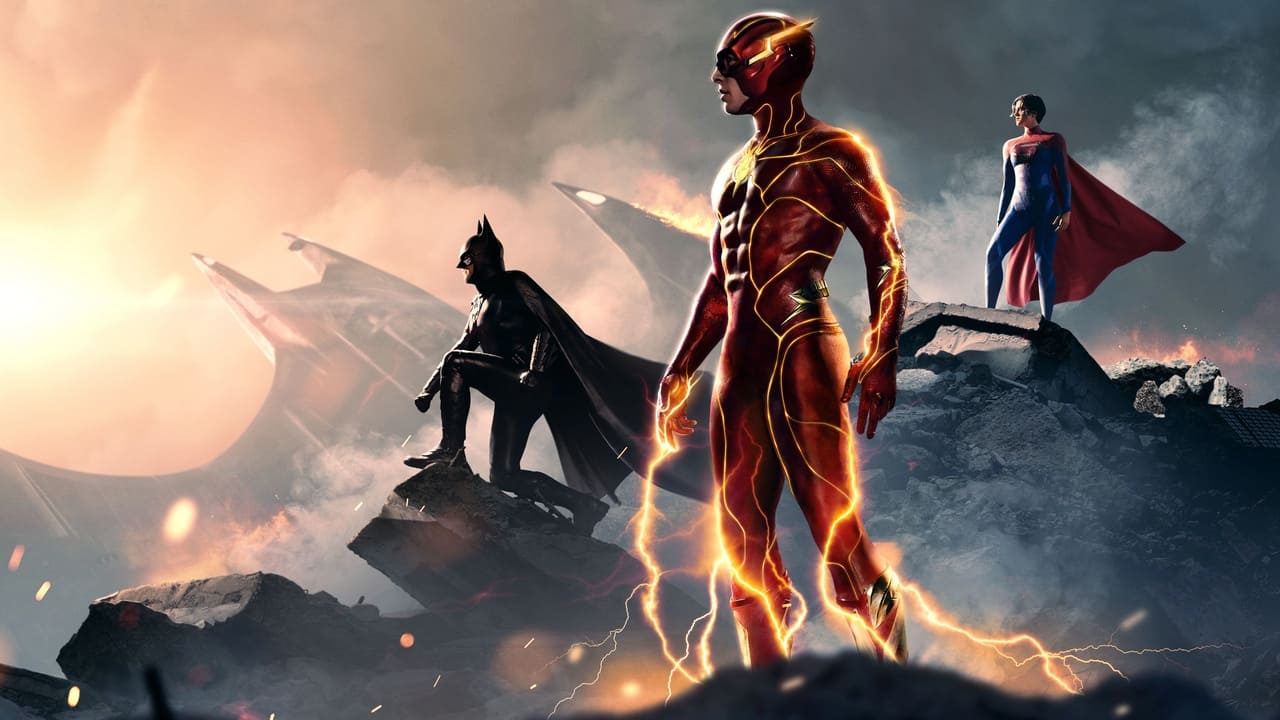
Two Flashes and a Funeral for the DCEU
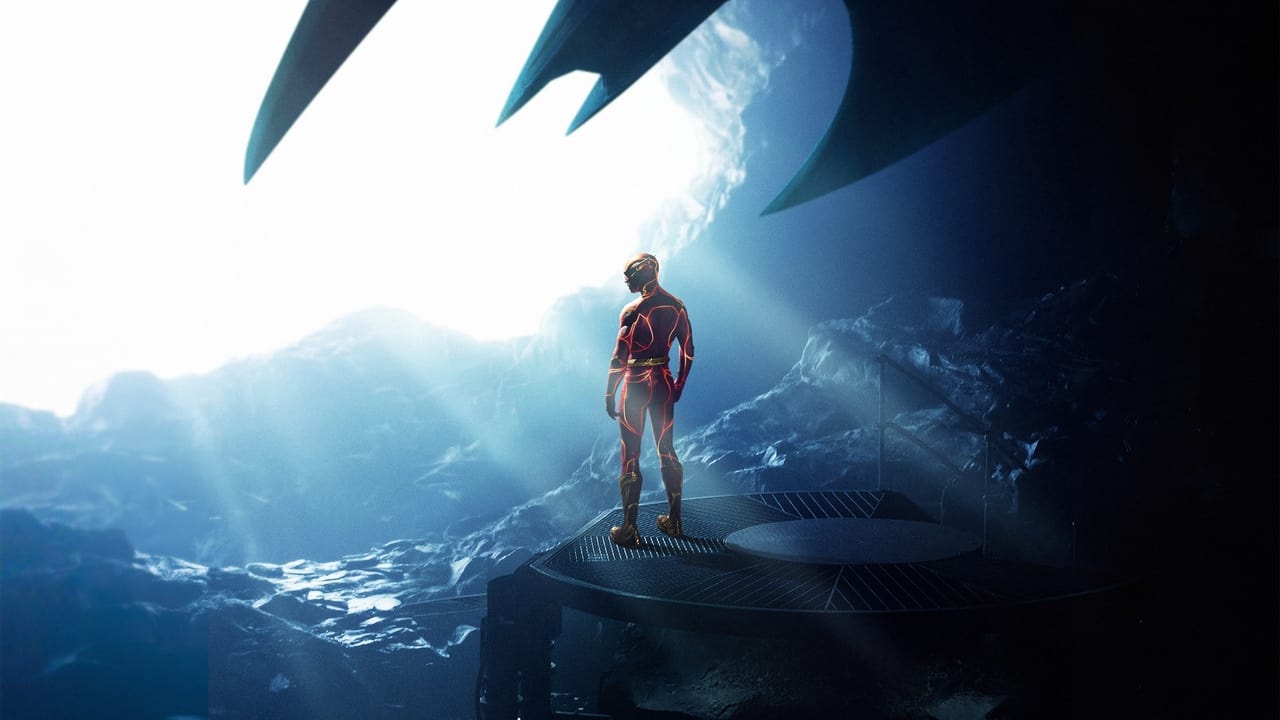
The heart of the story isn't the multiversal collapse, but a surprisingly tender core: Barry Allen wants his mom back. Ezra Miller plays two versions of Barry—the neurotic, calorie-starved hero we know, and a younger, obnoxious 18-year-old version from an alternate 2013. Say what you will about Miller’s off-screen life, but their ability to act against themselves is impressive. They create two distinct physicalities and speech patterns that make you forget you’re watching a split-screen effect.
The problem is that the movie around them is constantly screaming for attention. Director Andy Muschietti leans into a rubbery, hyper-stylized visual language that is, frankly, baffling. Early in the film, a "baby shower" sequence involving falling infants and a microwave is intended to be whimsical but ends up looking like a PlayStation 3 cinematic having a mid-life crisis. It’s the first sign of a recurring issue: the "Chronobowl." This CGI stadium where Barry views the past features digital recreations of actors—some living, some long dead—that look like melted wax figures. Muschietti later claimed the distorted look was intentional to represent Barry’s perspective, but to my eyes, it just looked unfinished.
Nostalgia as a Life Raft
The marketing focused heavily on the return of Michael Keaton as Bruce Wayne, and I’ll admit, hearing him say "I’m Batman" triggered a dopamine hit I wasn't prepared for. Keaton steps back into the cowl with an effortless, grizzled grace, providing the movie with its only real sense of gravity. He’s not just a cameo; he’s the tactical backbone of the second act. Opposite him, Sasha Calle makes a striking debut as Kara Zor-El. She brings a fierce, feral energy to Supergirl that makes the character’s brief screen time feel far more significant than the script actually allows.
However, the action sequences often lose the plot. While the fight choreography in Keaton’s Batcave is crisp, the final act in a barren desert feels like a regression to the drab, grayish aesthetics of the early 2010s. We see Michael Shannon return as General Zod, but he’s essentially a CGI placeholder with none of the menace he brought to Man of Steel. It’s a recurring theme in contemporary blockbusters: the "legacy sequel" elements are used to mask a lack of forward momentum. We’re so busy pointing at the screen because we recognize a suit from 1989 that we forget the current story has nowhere to go.
The Strange Artifact of Production Hell
Part of what makes The Flash a fascinating cult object—even if it was meant to be a mainstream juggernaut—is the trail of "what ifs" it left behind. This film went through more iterations than Barry goes through timelines. At one point, Seth Grahame-Smith was directing, then Rick Famuyiwa, then the duo of John Francis Daley and Jonathan Goldstein. Each version left a tiny bit of DNA behind, resulting in a tonal mishmash that jumps from slapstick humor to tragic Greek drama without warning.
Apparently, the ending we see—a surprise cameo from a former Batman—was the third version filmed. An earlier cut reportedly featured Henry Cavill and Gal Gadot on the courthouse steps, signaling a continuation that was scrapped once the studio decided to reboot everything under James Gunn. Even the inclusion of Nicolas Cage as a long-haired Superman fighting a giant spider (a nod to the failed Superman Lives project from the 90s) feels like a secret handshake for the most obsessed film nerds. It’s these oddities that will keep people talking about The Flash long after the CGI babies have been forgotten. It’s a movie that represents the peak of "franchise fatigue," where the spectacle of seeing the multiverse is overshadowed by the exhaustion of trying to keep track of it.
There is a genuinely moving film about grief buried under the rubble of this $220 million disaster. When Ezra Miller shares a final, quiet moment with Maribel Verdú in a grocery store aisle, the movie finds a human frequency that is rare in this genre. But those moments are fleeting, quickly drowned out by the noise of a cinematic universe trying to reset itself while falling down the stairs. It’s a chaotic, occasionally charming, but ultimately hollow goodbye to an era of DC filmmaking that never quite found its footing.

Keep Exploring...
-
Pacific Rim: Uprising
2018
-
Solo: A Star Wars Story
2018
-

Dark Phoenix
2019
-
Gemini Man
2019
-
Men in Black: International
2019
-
Star Wars: The Rise of Skywalker
2019
-
Terminator: Dark Fate
2019
-
Underwater
2020
-
Black Widow
2021
-
Eternals
2021
-
Godzilla vs. Kong
2021
-
The Matrix Resurrections
2021
-
The Tomorrow War
2021
-
Black Adam
2022
-
Jurassic World Dominion
2022
-
Moonfall
2022
-
Ant-Man and the Wasp: Quantumania
2023
-
Blue Beetle
2023
-

Rebel Moon - Part One: A Child of Fire
2023
-
The Marvels
2023