The Holdovers
"A vintage soul for a modern world."
The first thing that hits you isn't the story, but the grit. Not "gritty" in the modern, desaturated, Batman-in-the-rain sense, but the actual, tactile grain of 1970s celluloid. When those retro, yellowed Miramax and Focus Features logos flickered onto the screen, I actually checked my remote to make sure I hadn't accidentally triggered a "Classic Cinema" filter. I watched this while wearing a wool sweater that was definitely too itchy for my own good, and honestly, the physical discomfort of the fabric felt like the perfect sensory companion to the prickly, frost-bitten world of Barton Academy.
In an era where streaming platforms often churn out content that looks like it was scrubbed clean by an industrial pressure washer, Alexander Payne has delivered something that feels miraculously "found." The Holdovers is a 2023 film that refuses to belong to 2023. It’s a quiet, defiant middle finger to the hyper-polished, CGI-cluttered landscape of contemporary blockbusters. It doesn't want to build a cinematic universe; it just wants to sit in a drafty dining hall and argue about Marcus Aurelius.
The Philosophy of the Left Behind
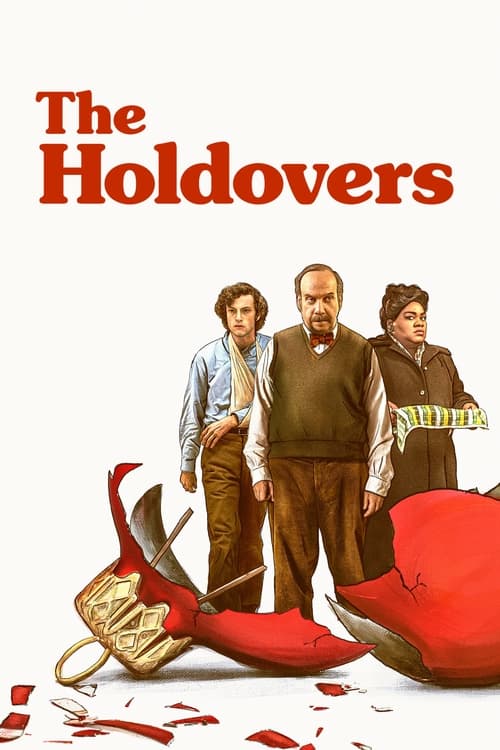
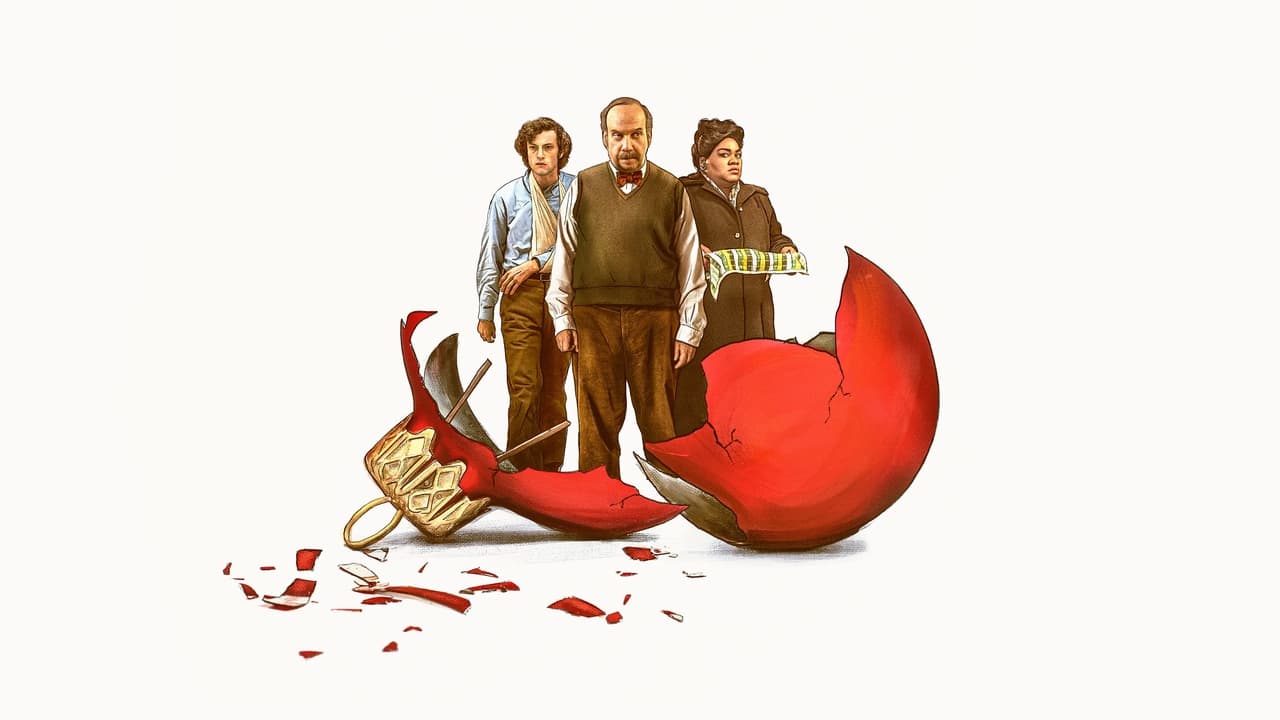
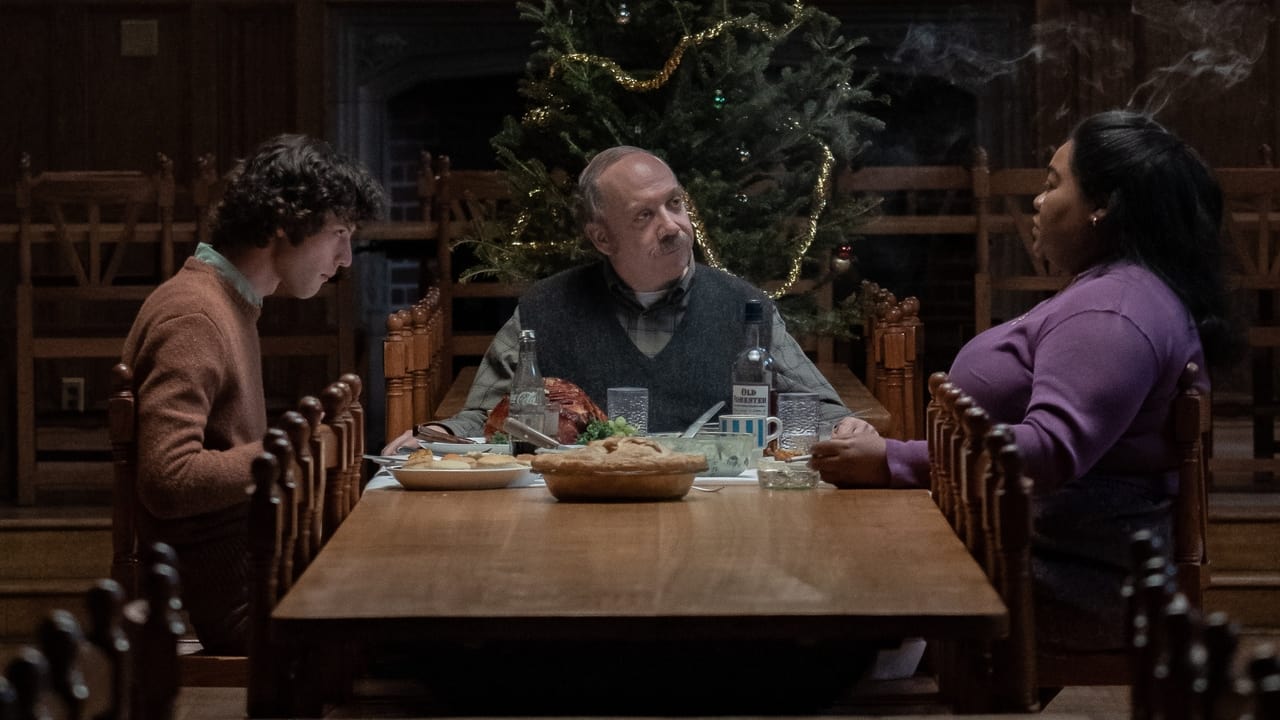
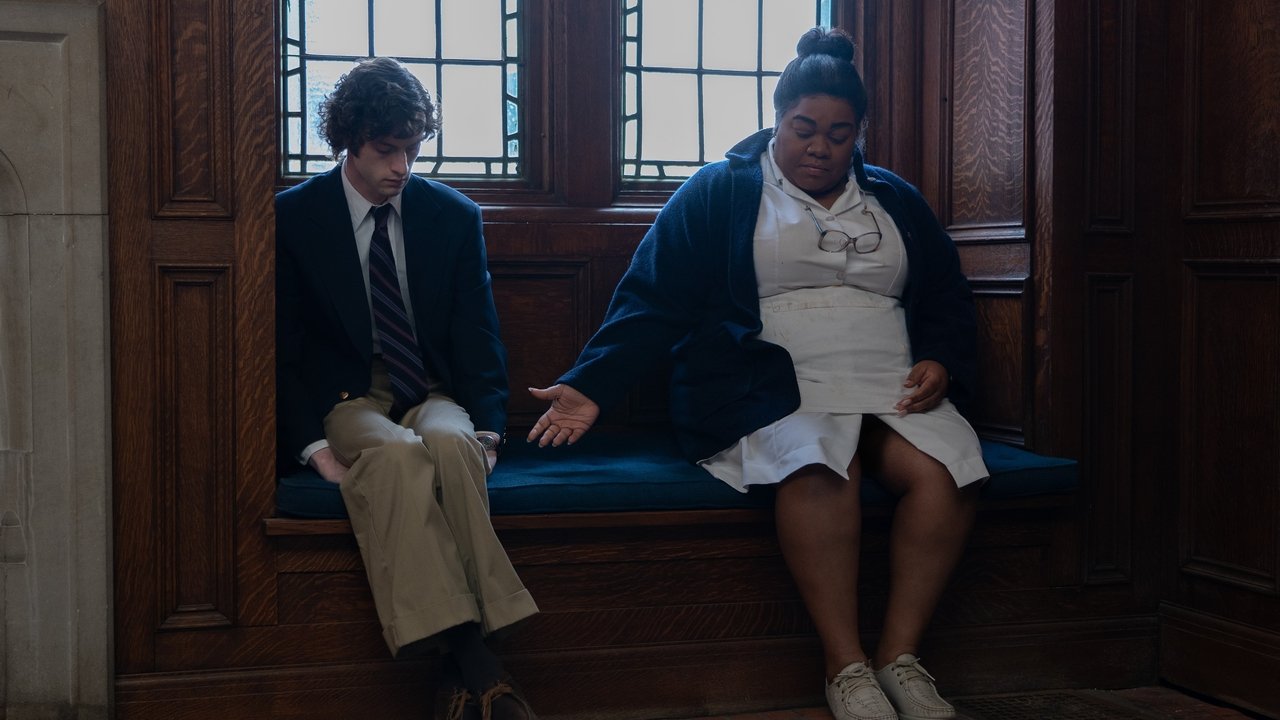
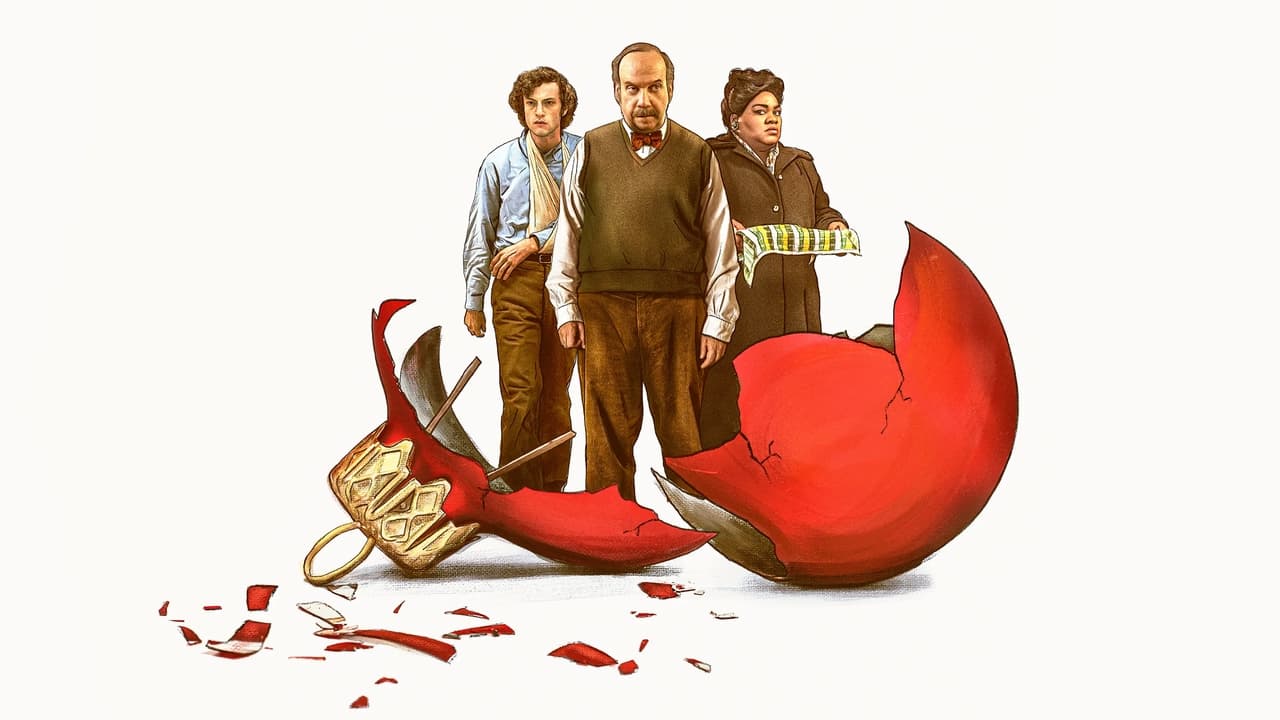
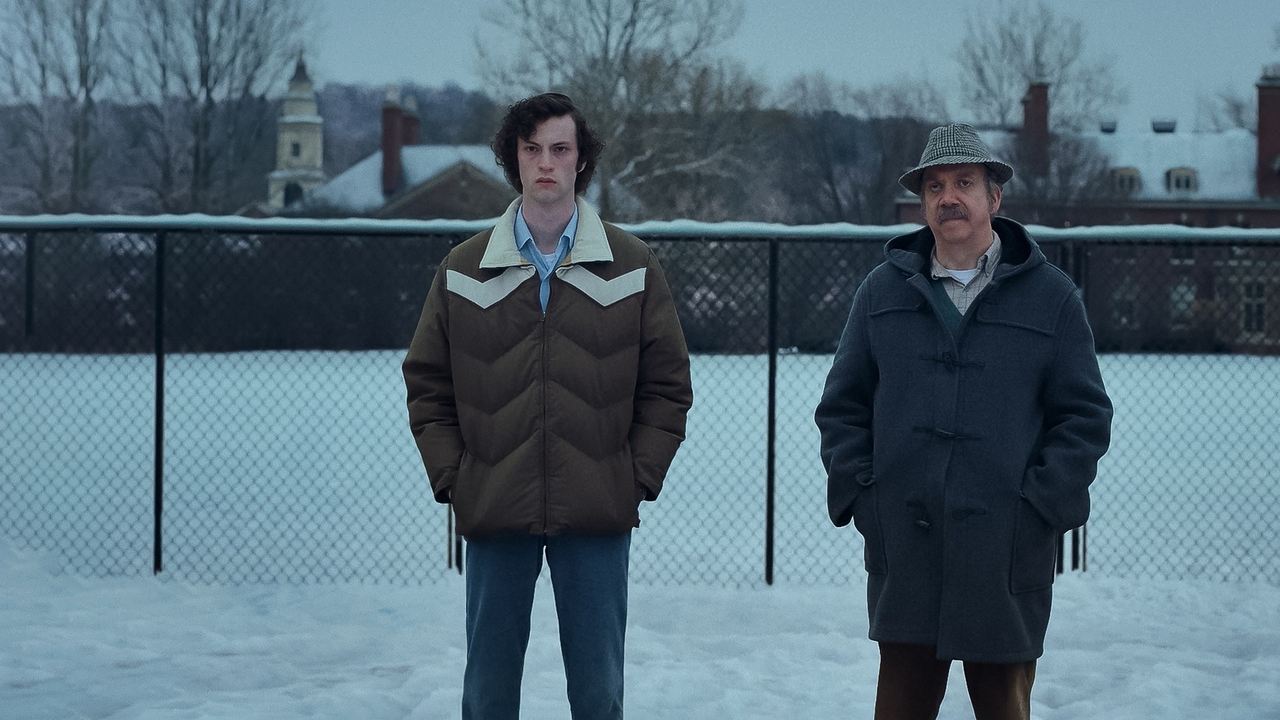
At its heart, the film is a three-part harmony of loneliness. We have Paul Giamatti as Paul Hunham, a man who has turned his intellectual rigor into a suit of armor; Dominic Sessa as Angus Tully, a kid whose privilege can’t buy him a seat at his own family’s Christmas table; and Da'Vine Joy Randolph as Mary Lamb, a mother navigating the first holiday season since her son was killed in Vietnam.
The "cerebral" weight of the film lies in how it handles these three disparate lives. David Hemingson’s script is a marvel of subtext. It asks: What do we owe to the past, and how much of it are we allowed to carry? Hunham is obsessed with antiquity, not just because he’s a scholar, but because the past is safe. It’s static. It won’t reject him like the present does. Giamatti’s performance is a masterclass in controlled exasperation; he uses his character’s physical ailments—the smelling of fish (trimethylaminuria) and that wandering eye—not as punchlines, but as the physical manifestations of a man who is literally "out of alignment" with the world.
There is a deeply philosophical thread running through the "holdover" status of these characters. They are the people the world has momentarily paused for. In our current cultural moment, where the "fear of missing out" is an actual psychological condition driven by social media, there’s something profoundly radical about a film that celebrates the "missing out." It suggests that the most meaningful growth happens when the noise stops—when the other students go home, when the school goes dark, and when you’re forced to actually look at the person sitting across the table from you.
Aesthetic Authenticity in a Digital Age
While the film was shot digitally by cinematographer Eigil Bryld, the post-production work to emulate the 1970s film stock is nothing short of heroic. It’s not just the grain; it’s the way the light bleeds, the softness of the focus, and the specific, muddy color palette of New England in December. It feels like a "legacy sequel" to the entire filmography of Hal Ashby (think The Last Detail).
Da'Vine Joy Randolph provides the film’s gravity. While Hunham and Tully are busy sniping at each other with academic barbs, Mary is the reminder of the real world—the world of grief, class disparity, and the Vietnam War that loomed over the era like a shroud. Her performance is so grounded that she prevents the movie from becoming a mere intellectual exercise. Her Oscar win wasn't just a trophy; it was a validation of a performance that said everything in its silences.
The chemistry between the trio is fueled by a script that respects the audience’s intelligence. It avoids the "inspirational teacher" tropes we've seen a thousand times. Hunham isn't trying to save these kids; he’s trying to survive them. And Dominic Sessa, in his debut role, manages to match Giamatti beat-for-beat, capturing that specific brand of teenage arrogance that is actually just a thin veil for total terror.
The Stuff You Didn’t Notice
The production went to extreme lengths to capture the New England winter. They shot at five different Massachusetts prep schools to create the composite "Barton Academy," and the cold you see on the actors’ breath isn't a digital effect—they were genuinely freezing.
Interestingly, the film’s soundtrack, composed by Mark Orton, avoids the "greatest hits of the 70s" trap. Instead, it uses folk-infused, melancholic arrangements that feel like they’re echoing through a hallway at 3:00 AM. Also, for the fellow nerds out there: the opening credits used the actual 1970s-era MPAA rating certificate. It’s that level of obsessive detail that transforms a movie from a "streaming option" into a piece of art that people will be rewatching every December for the next fifty years. The Holdovers is an instant holiday classic for people who find "Jingle All the Way" a bit too loud.
The Holdovers is a rare gift in the contemporary landscape. It’s a movie that trusts its characters more than its plot, and its audience more than its marketing. It manages to be heartbreakingly sad and riotously funny within the same breath, proving that you don't need a $200 million budget to create a world that feels completely immersive. It’s a reminder that sometimes, the most important thing you can do during the holidays is simply show up for someone else. This isn't just a movie; it's a warm blanket for the soul.
Keep Exploring...
-
Instant Family
2018
-

Another Round
2020
-
Sideways
2004
-
Love, Simon
2018
-
BlacKkKlansman
2018
-
The Favourite
2018
-
Licorice Pizza
2021
-
The French Dispatch of the Liberty, Kansas Evening Sun
2021
-
Hustle
2022
-

Anora
2024
-
A Man Called Otto
2022
-
Beautiful Boy
2018
-
Roma
2018
-
The Trial of the Chicago 7
2020
-

CODA
2021
-
The Fabelmans
2022
-
Past Lives
2023
-
The Ballad of Buster Scruggs
2018
-
The Sisters Brothers
2018
-
Vice
2018