The Last Voyage of the Demeter
"Evil is aboard, and the shore is miles away."
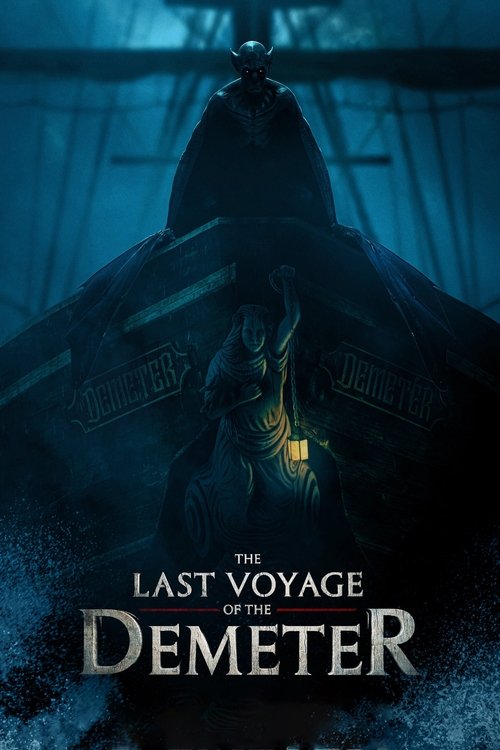
Taking a single, terrifying chapter from Bram Stoker’s Dracula—the "Captain’s Log" of the doomed ship Demeter—and stretching it into a two-hour nautical slasher is the kind of high-concept swing I wish we saw more often in contemporary horror. In an era where every monster needs a five-film origin story or a multiverse tie-in, there’s something Refreshingly honest about a movie that says, "Here is a boat, here is a vampire, and nobody is getting off alive." I watched this on a Tuesday night while trying to finish a bowl of slightly-too-salty popcorn, and the crunching sound perfectly synced up with the sound of the creature snapping bones on screen, which was an accidentally immersive 4D experience I hadn’t bargained for.

The Dark Universe Hangover
We are currently living through a strange period of "monster management." Universal Pictures has spent the last decade trying to figure out what to do with their classic stable of ghouls after the 2017 The Mummy reboot effectively nuked their "Dark Universe" plans. The Last Voyage of the Demeter feels like a survivor of that wreckage—a film that doesn't care about setting up a sequel but focuses entirely on the claustrophobia of the moment. Director André Øvredal, who previously gave us the wonderfully creepy The Autopsy of Jane Doe, knows how to handle a confined space. He treats the ship like a floating coffin, drenched in a color palette of bruised blues and murky greys that makes the Atlantic Ocean look about as inviting as a vat of liquid lead.
The cast elevates what could have been a standard "ten little Indians" body-count plot. Corey Hawkins plays Clemens, a doctor who finds himself among a crew of rough sailors, and he brings a grounded, intellectual curiosity to the role that balances the supernatural chaos. I especially enjoyed seeing Liam Cunningham as Captain Eliot; he brings that same weary, soulful authority he perfected in Game of Thrones. When he talks about his retirement and his grandson, you know the movie is twisting the knife—in a modern horror flick, having a retirement plan is basically a death warrant. David Dastmalchian also shines as the first mate, Wojchek, proving once again that he is one of our best character actors for playing men perpetually on the verge of a nervous breakdown.
Practical Nightmares and Winged Terror
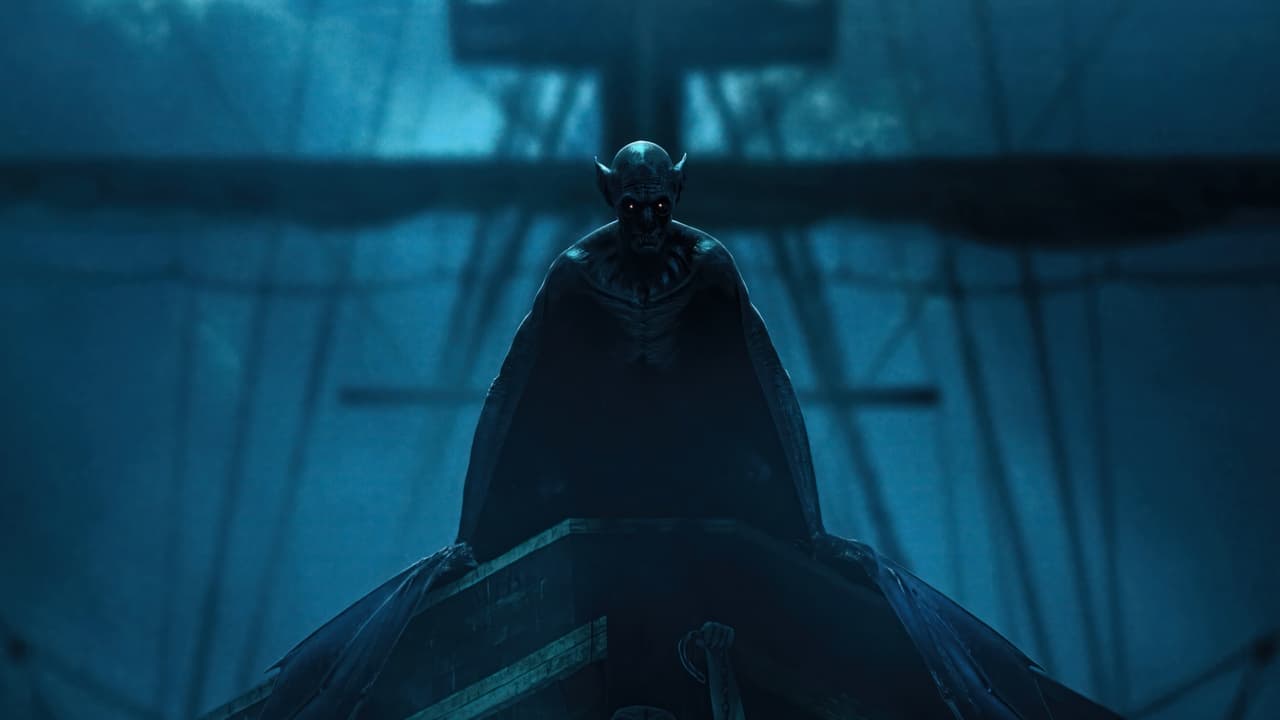
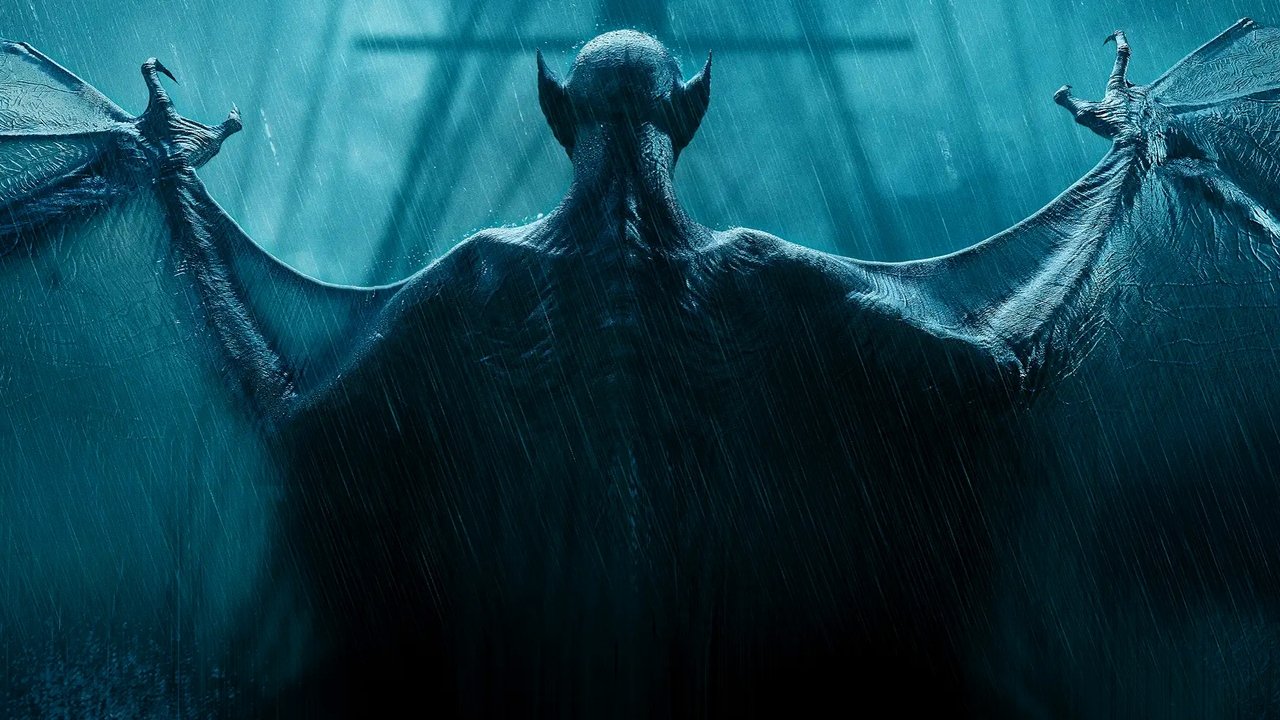
The real star, however, is the creature design. In a digital-heavy landscape, André Øvredal made the brilliant choice to lean into the physicality of Javier Botet. If you don’t know the name, you know his silhouette—Botet has Marfan syndrome, which gives him incredibly long limbs and a double-jointed range of motion that he’s used to terrify audiences in everything from REC to The Conjuring 2. This isn't the sexy, aristocratic Dracula who wants to drink wine and talk about the children of the night. This is a feral, starving bat-thing. It’s basically 'Alien' with a cape, but minus the dignity of a coherent final act.
The makeup effects are superb, capturing a version of the Count that looks like he’s rotting from the inside out. There’s a scene involving a character catching fire in the daylight that uses practical elements so effectively I actually felt the heat. It’s a testament to the crew that even with a $45 million budget—which is relatively modest for a period-piece creature feature—the ship feels lived-in, creaky, and terrifyingly isolated. The score by Bear McCreary (who seems to be scoring every second movie released these days) adds a heavy, thrumming dread that emphasizes the hopelessness of being stuck in the middle of the ocean with a predator.
Why the Ship Sank at the Box Office
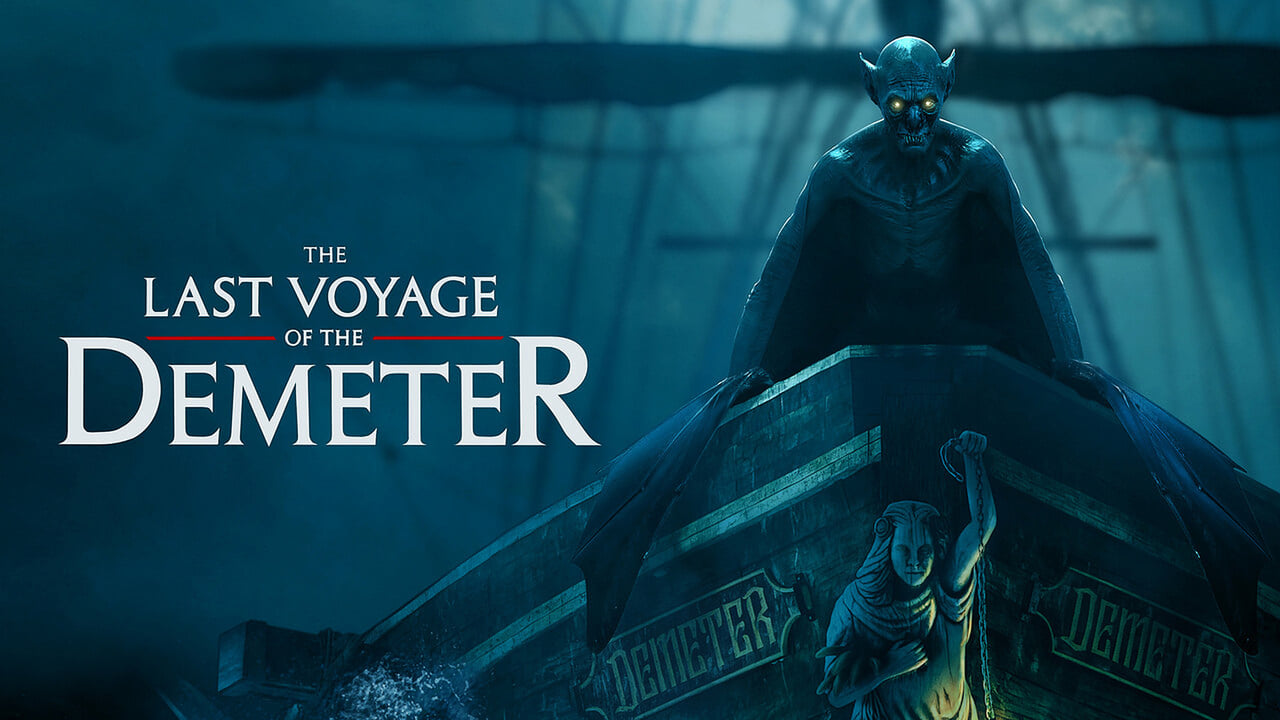
Despite the craft on display, the film struggled to find its footing at the box office, pulled down by the gravitational force of the Barbenheimer phenomenon and perhaps a bit of "Dracula fatigue." It’s a shame, because the film’s biggest flaw isn't its execution, but its length. At nearly two hours, it feels every bit of its runtime. When you know the ending—the ship arrives in London empty, as established in the 1897 novel—the middle act needs to be exceptionally tight to maintain tension. Instead, it occasionally drifts into repetitive cycles of "someone goes into the dark, someone gets eaten, the crew argues."
Interestingly, this movie was in development hell for over twenty years. At one point, Guillermo del Toro was attached to direct, and you can see echoes of his "beautiful monster" aesthetic in the final product. It’s a film that feels slightly out of time—too gory and mean-spirited for the mainstream "elevated horror" crowd, yet perhaps too slow for the jump-scare junkies. The movie treats its audience like they’ve never seen a vampire before, which is a bold, if slightly misguided, strategy for 2023.
Ultimately, The Last Voyage of the Demeter is a solid, atmospheric entry into the Dracula canon that benefits from being a standalone story. It doesn't reinvent the wheel, but it does grease the spokes with plenty of blood. While it sags in the middle and makes a few questionable choices regarding its ending—leaning a bit too hard into "franchise starter" territory in the final five minutes—it remains a visually stunning maritime nightmare. If you’re looking for a film that prioritizes shadow, dread, and a truly monstrous antagonist, this voyage is worth taking, even if you already know exactly where the ship is headed.
Keep Exploring...
-

Goosebumps 2: Haunted Halloween
2018
-

Gretel & Hansel
2020
-

The Craft: Legacy
2020
-

The Watchers
2024
-

Scary Stories to Tell in the Dark
2019
-

Scooby-Doo! Return to Zombie Island
2019
-

The Silence
2019
-

Lamb
2021
-

Men
2022
-

Werewolf by Night
2022
-

The Crow
2024
-

Look Away
2018
-
The House
2022
-

Tale of Tales
2015
-

Before I Wake
2016
-

Fantasy Island
2020
-
The Boogeyman
2023
-

Speak No Evil
2024
-

The Autopsy of Jane Doe
2016
-

The House with a Clock in Its Walls
2018