The Little Mermaid
"A deeper tide, a stronger voice."

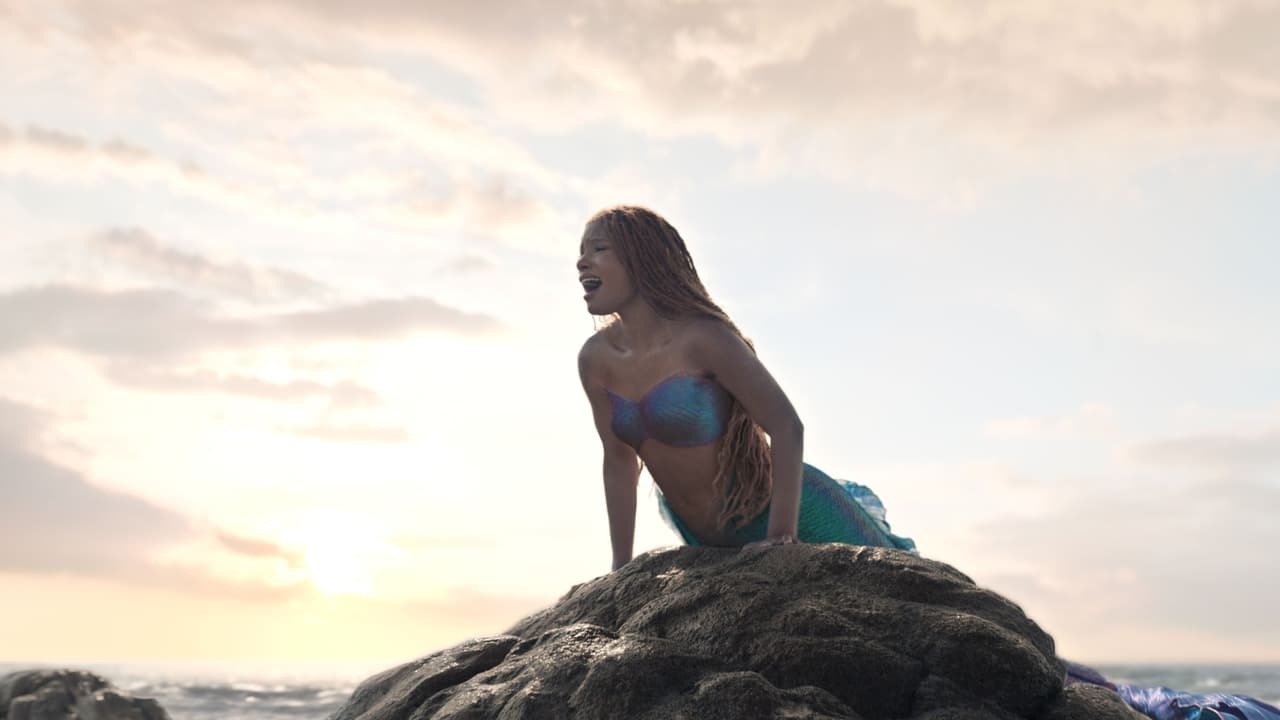
I spent a good portion of the first act of The Little Mermaid wondering if my theater’s projector was dying or if I had accidentally left my sunglasses on. There is a strange, persistent murkiness to the underwater scenes that made me miss the neon-bright pop of the 1989 original. But then Halle Bailey opened her mouth to sing the first few bars of "Part of Your World," and suddenly the lighting didn't matter. I was sitting next to a woman who was quietly humming every single song about half a beat early, which made me feel like I was watching a glitchy YouTube cover, but even that couldn't distract from the sheer power of Bailey’s vocal performance.
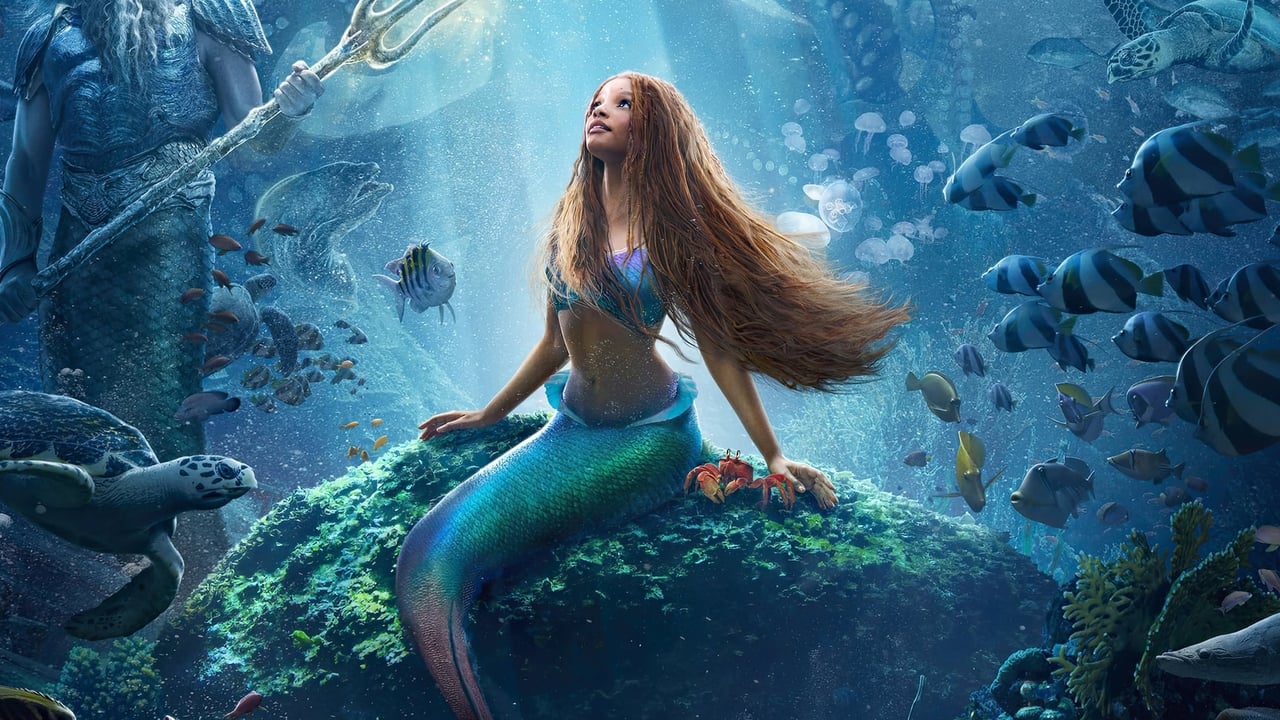
Reviewing a Disney live-action remake in the 2020s feels like navigating a minefield of "franchise fatigue" and social media discourse. We’re in an era where these films are often treated as corporate mandates rather than artistic expressions. Yet, every so often, a performance breaks through the assembly-line feel of the production. For me, this movie isn't just another entry in the Disney vault; it’s a fascinating case study in how a single actor can carry a $300 million leviathan on her shoulders and actually make it swim.
Beneath the CGI Surface
Directed by Rob Marshall, who knows his way around a movie musical (think Chicago), this version of The Little Mermaid attempts to add "heft" to the story. We get a longer runtime—135 minutes compared to the original’s tight 83—and more backstory for Prince Eric. Jonah Hauer-King plays Eric with a soulful, explorer’s energy that makes him feel like a real person rather than just a cardboard cutout with a nice jawline. Their romance actually has room to breathe here; I found myself genuinely rooting for them during the "Kiss the Girl" sequence, which is lushly staged even if Sebastian looks a bit too much like a literal crab from a seafood menu.
The "adventure" aspect of the film is where things get interesting. Unlike the original, which stayed fairly contained, this version leans into the sense of discovery. Ariel isn’t just obsessed with a boy; she’s a legitimate maritime archaeologist of the surface world. When she finally hits land, the film shifts from the digital gloom of the ocean to the vibrant, sun-drenched beauty of a fictional Caribbean island. It’s here that the movie finally feels alive. The production design by John Myhre creates a textured, tactile world that makes Ariel’s wonder feel earned.
The Voice and the Villain
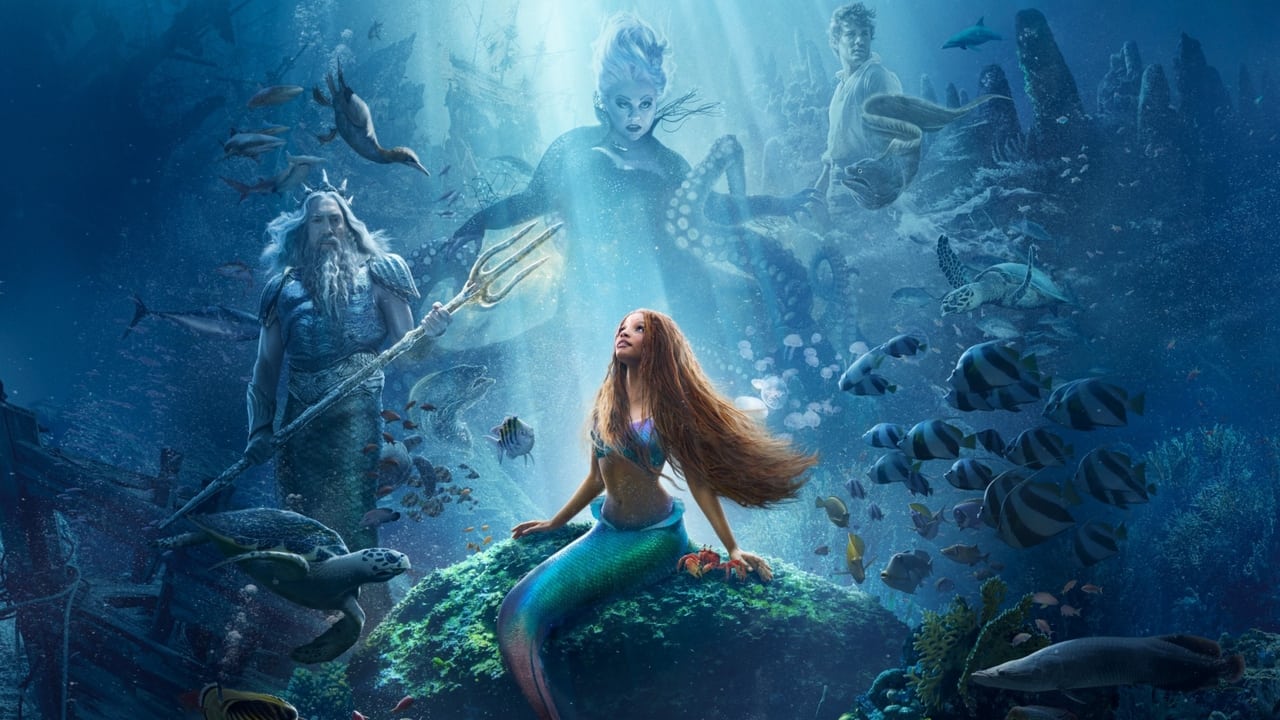
Let’s talk about the performances, because they are the only reason this movie avoids the "uncanny valley" trap of other remakes. Halle Bailey is an absolute revelation. She captures Ariel’s wide-eyed curiosity without making her seem naive, and her voice—well, it’s generational. On the flip side, Melissa McCarthy as Ursula is having the time of her life. She leans into the drag-queen origins of the character, delivering "Poor Unfortunate Souls" with a delicious, campy menace that reminded me why I love her in character roles.
However, the film does stumble when it tries too hard to be "realistic." Daveed Diggs as Sebastian and Jacob Tremblay as Flounder suffer from the Lion King problem: real animals don't have expressive faces. It’s hard to feel the comedic timing of a joke when it’s being delivered by a hyper-realistic tropical fish that looks like it belongs in a National Geographic documentary. And then there is the new music. While Lin-Manuel Miranda’s "Wild Uncharted Waters" is a solid power ballad for Eric, the rap-inflected "The Scuttlebutt" (performed by Awkwafina) is a polarizing choice that felt like someone dropped a Hamilton demo into the middle of a sea shanty.
Behind the Grotto
The production of this film was a massive undertaking that bridged the pre- and post-pandemic worlds. Here are a few things that fueled the discourse:
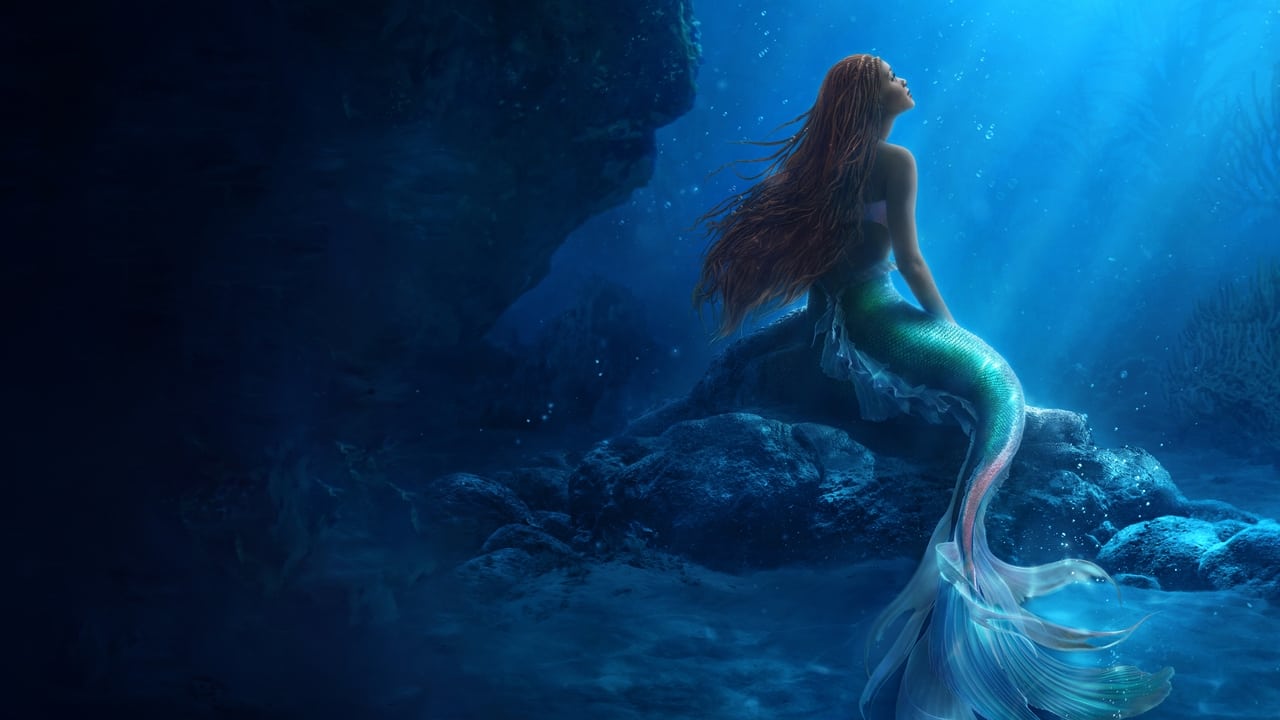
The "Tuning Fork" Rig: To simulate swimming, the actors weren't underwater; they were strapped into massive 20-foot "tuning fork" rigs that allowed them to rotate and glide in every direction. Halle Bailey reportedly spent up to 13 hours a day in these harnesses. A Drag Legacy: Melissa McCarthy’s makeup was a direct tribute to the legendary drag queen Divine, who inspired the original character design of Ursula. The #MyAriel Movement: The film became a cultural flashpoint before a single frame was released. The viral videos of young Black girls reacting to the trailer became a cornerstone of the film’s identity, proving that for many, this wasn't just a movie, but a moment of long-awaited representation. Scuttle’s Gender Swap: Scuttle was changed from a seagull to a Northern Gannet to allow the character to be underwater, and Awkwafina was cast to give the bird a frantic, modern energy. * Javier Bardem’s Crown: Javier Bardem (King Triton) joked that his crown was so heavy he felt like he was constantly trying to balance a small child on his head while trying to look "regal and disappointed."
While it can’t quite escape the shadow of the 1989 classic, The Little Mermaid (2023) succeeds because it refuses to just be a carbon copy. It’s a film that thrives in its human moments, anchored by a star-making turn from Halle Bailey. I went in expecting a cynical cash grab and walked out feeling like I’d actually been on a journey. If you can get past the occasionally murky lighting and the "realistic" talking crabs, there is a genuine heart beating under all that CGI. It’s a contemporary spectacle that understands the power of a voice—both literal and metaphorical.
Keep Exploring...
-
Mary Poppins Returns
2018
-
Aladdin
2019
-
The Nutcracker and the Four Realms
2018
-

Dumbo
2019
-
Trolls World Tour
2020
-

Hotel Transylvania: Transformania
2022
-
Kung Fu Panda 4
2024
-
Alice Through the Looking Glass
2016
-
Miss Peregrine's Home for Peculiar Children
2016
-
Pete's Dragon
2016
-

The BFG
2016
-

Trolls
2016
-
Raya and the Last Dragon
2021
-
Herbie Fully Loaded
2005
-
Descendants
2015
-

Pan
2015
-
Frozen II
2019
-
Dolittle
2020
-
Clifford the Big Red Dog
2021
-

Minions: The Rise of Gru
2022