The Wonderful Story of Henry Sugar
"A masterclass in the art of the artifice."
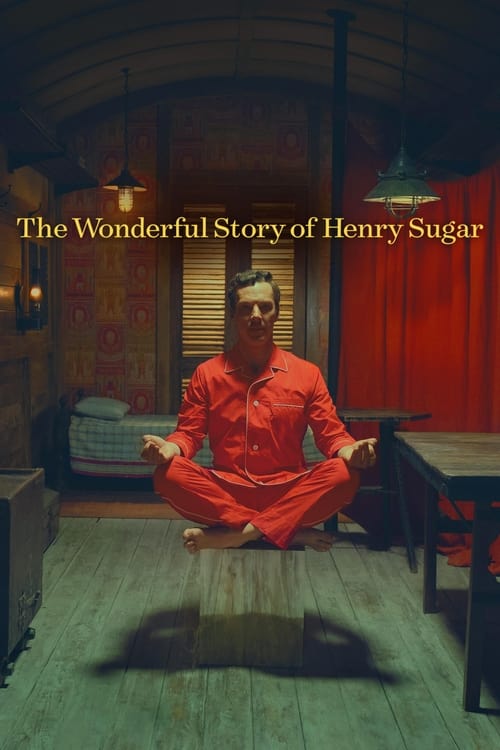
The 39-minute runtime of The Wonderful Story of Henry Sugar is a peculiar piece of cinematic real estate. It’s too long to be a standard short film and far too short to occupy a traditional theatrical slot. In our current era of three-hour superhero epics and algorithm-driven streaming "content," this middle-ground feels like a rebellious act. I watched this on a Tuesday afternoon while wearing a pair of mismatched socks—one with stripes, one with polka dots—and it felt like the only way to properly respect the color palette flickering across my laptop screen.
A Stage Play for the Digital Age
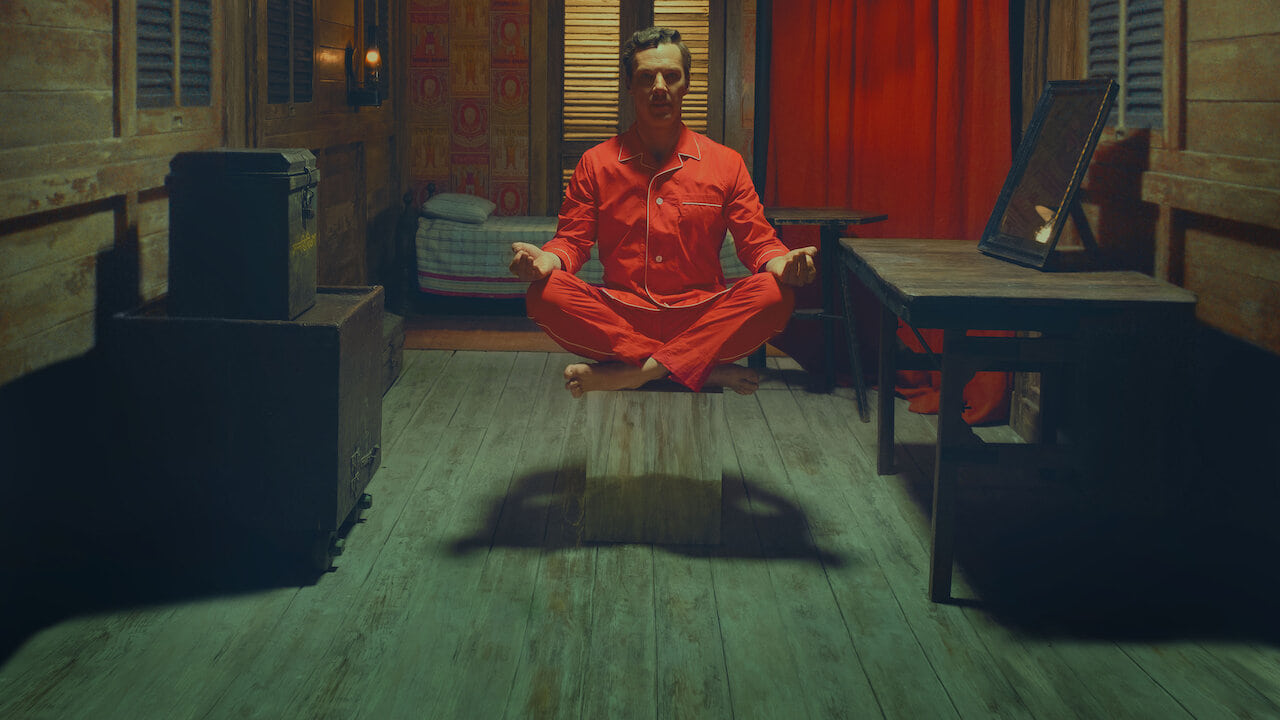
Wes Anderson has reached a point in his career where he isn't just making movies; he’s building intricate, clockwork dioramas that breathe. For this adaptation of Roald Dahl’s 1977 story, Anderson leans into the artifice with a confidence that borders on the hypnotic. Instead of trying to hide the "movie-ness" of the production, he highlights it. Stagehands scurry into the frame to swap backdrops, characters apply prosthetic makeup in real-time, and the dialogue is delivered with the rapid-fire cadence of a man reading a bedtime story while his house is on fire.
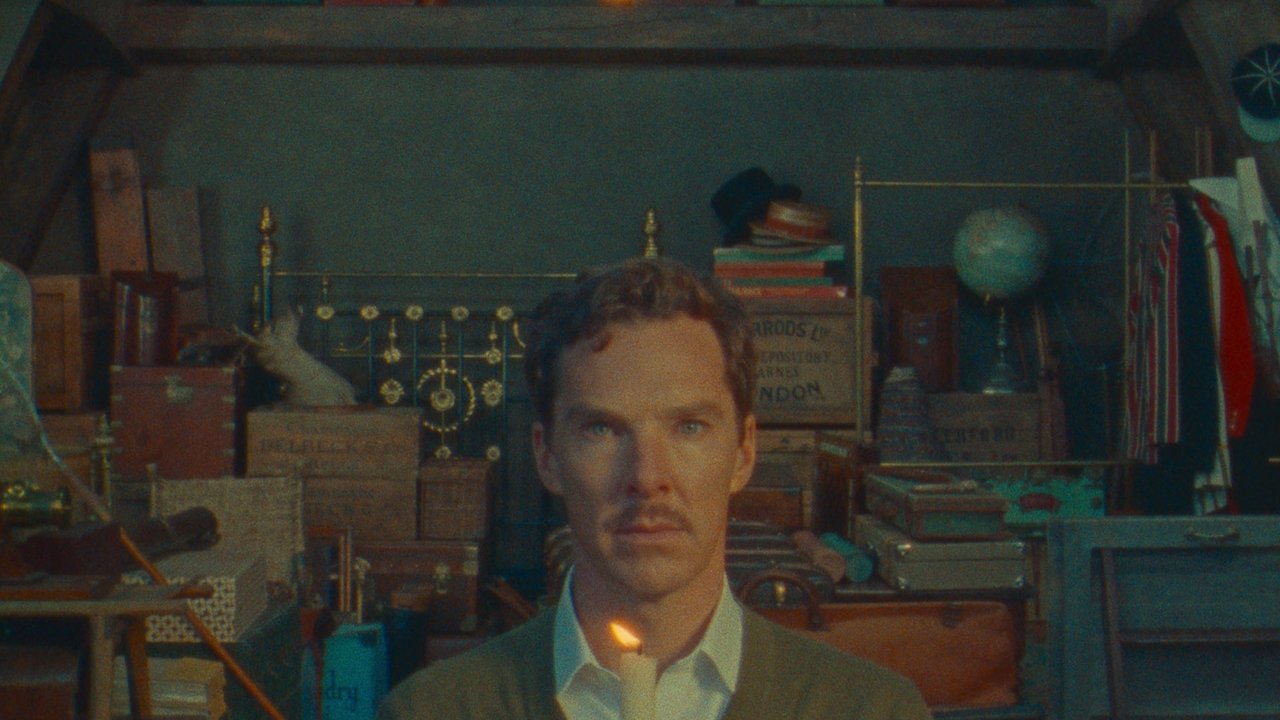
It’s a fascinating response to the "Volume" technology we see in modern blockbusters like The Mandalorian. While other directors use LED screens to create seamless realism, Anderson uses flat, hand-painted boards and physical pulleys to create a sense of place that feels infinitely more "real" because of its tangible imperfections. Robert D. Yeoman’s cinematography captures this with a vibrant, saturated glow that makes every frame look like a vintage postcard you’d find in a dusty attic in London.
The Cumberbatch-ian Transformation
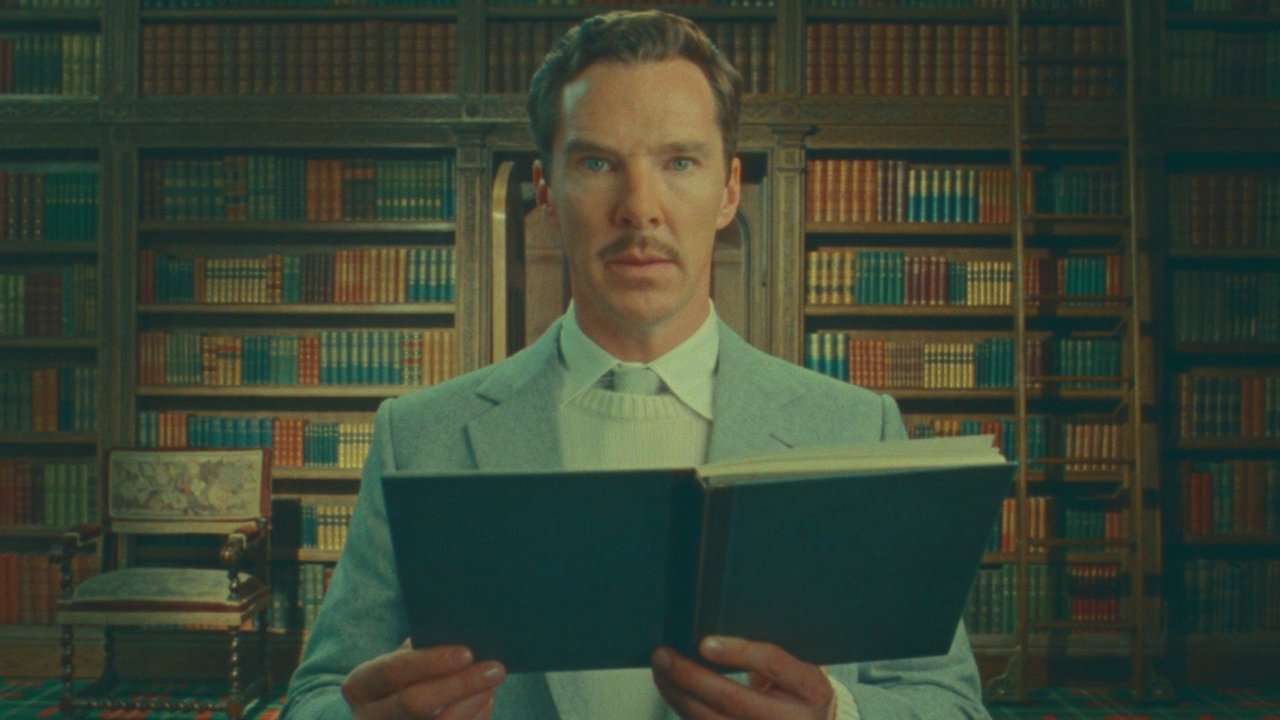
At the center of this whirlwind is Benedict Cumberbatch, playing the titular Henry Sugar. Henry is a man of "no profession," a wealthy idler who stumbles upon a medical report about a man who can see without his eyes. Cumberbatch is a perfect fit for Anderson’s rigid geometry; he possesses a crisp, intellectual energy that prevents the character from becoming a mere caricature of the idle rich. When he decides to master this mystical skill—not for enlightenment, but to cheat at cards—Cumberbatch plays the obsession with a straight face that makes the absurdity sing.
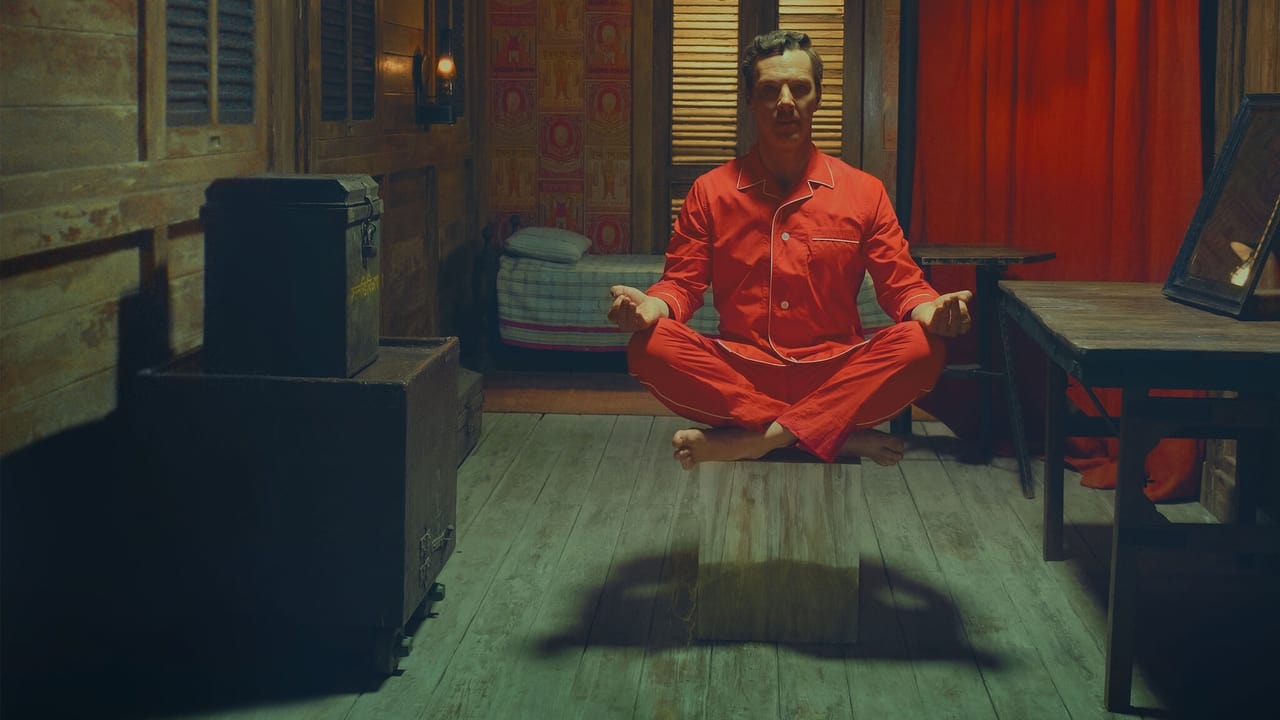
The cast is a revolving door of talent, with Ralph Fiennes, Dev Patel, Ben Kingsley, and Richard Ayoade all playing multiple roles across the nested narratives. Fiennes, in particular, is a delight as Roald Dahl himself, sitting in a recreation of the author's actual writing hut. The way these actors hand off the narration to one another feels like a relay race where the baton is the story itself. Wes Anderson has finally become a dollhouse god, and I’m just a happy tenant.
Why the 39-Minute Format Wins
In the streaming era, we often talk about "pacing issues" or "bloated scripts." This film avoids both by being exactly as long as it needs to be. It captures the frantic, escalating adventure of Henry’s training—his years of staring into a candle flame, his eventual mastery of the "inner vision," and his subsequent identity crisis once he realizes that winning money without risk is incredibly boring. It’s an adventure of the mind, a journey into the ethics of magic and the weight of wealth.
There is a specific joy in seeing Ben Kingsley as Imdad Khan, the man who started it all. His performance is quiet and dignified, providing the necessary anchor to the more frantic comedic elements. Turns out, the production was a bit of a logistical puzzle; they filmed it in England during the breaks of other projects, utilizing a "theatrical troupe" mentality where the actors were essentially living in the world of the sets. This camaraderie translates to the screen; there’s a visible sparkle in Dev Patel’s eyes as he navigates the increasingly meta layers of the plot. The "Wes Anderson style" isn't a gimmick here; it’s the only language that could translate Dahl’s prose so literally.
The film also serves as a subtle commentary on our current moment of wealth disparity. Henry Sugar begins as a man looking for a way to get ahead, but his "adventure" leads him to a place where money becomes a burden. It’s a surprisingly heartfelt conclusion for a film that spends most of its time showing you how its own sausage is made. In an age of franchise fatigue, seeing a standalone story told with such specific, uncompromising vision is a breath of fresh air.
The Wonderful Story of Henry Sugar is a gem that could only exist right now. It benefits from the freedom of the streaming model while retaining the craftsmanship of a golden age studio production. It doesn't overstay its welcome, it doesn't set up a cinematic universe, and it treats the audience's intelligence with respect. It's a reminder that sometimes the best adventures aren't the ones that span galaxies, but the ones that happen in the quiet spaces between a man's eyes and the world he’s trying to see.

Keep Exploring...
-

Isle of Dogs
2018
-

The Christmas Chronicles: Part Two
2020
-

Beau Is Afraid
2023
-
Nimona
2023
-
Red Shoes and the Seven Dwarfs
2019
-
The French Dispatch of the Liberty, Kansas Evening Sun
2021
-
Asteroid City
2023
-

Boruto: Naruto the Movie
2015
-
Frozen II
2019
-
Jumanji: The Next Level
2019
-
Scooby-Doo! Return to Zombie Island
2019
-
Onward
2020
-
The Croods: A New Age
2020
-
Trolls World Tour
2020
-
Clifford the Big Red Dog
2021
-

Ghostbusters: Afterlife
2021
-

Jungle Cruise
2021
-
Luca
2021
-
The Addams Family 2
2021
-

Luck
2022